
Marrakesh Food Markets: Explore Local Delicacies
Dive into Marrakesh food markets! Discover vibrant souks, street food, and must-try local dishes in this guide for culinary adventurers.
On this page
Marrakesh food markets are a feast for the senses, combining vibrant colors, enticing aromas, and the tantalizing sound of sizzling street food. Each market tells a story of Moroccan culture and culinary traditions, making them a must-visit for any food lover. From the bustling Jemaa el-Fnaa Square to hidden gems sprinkled throughout the Medina, Marrakesh offers an unforgettable adventure for those willing to explore its rich gastronomy. Join us as we uncover the local delicacies and dining experiences that define Marrakesh food culture.
Key Takeaways
- Marrakesh food markets offer a rich variety of authentic flavors.
- local specialties such as tagine and street snacks highlight the city’s culinary culture.
- Experience the vibrant atmosphere of souks where food and culture blend perfectly.
- Discover food tours and cooking classes to truly immerse in Marrakesh’s food scene.
1. Jemaa el-Fnaa: The Heartbeat of Marrakesh Cuisine
At the center of Marrakesh stands Jemaa el-Fnaa, a vibrant square teeming with life and activity. This iconic plaza serves as the heartbeat of Marrakesh cuisine, showcasing the city’s rich culinary heritage. As the sun sets, the square transforms, filling with countless food stalls and vendors offering an array of Moroccan dishes.
Visiting Jemaa el-Fnaa is not just about tasting food; it’s an experience filled with the sounds of traditional music, the fragrance of spices, and the colorful sight of steaming pots. Here, you’ll find delicious local specialties like kefta, grilled meats, and rich harira soup, all made from fresh, locally-sourced ingredients.
Did you know? Jemaa el-Fnaa is a UNESCO-intangible cultural heritage site, famous for its lively atmosphere and mouth-watering food!
Where to eat: Don’t miss trying Chez Chegrouni for traditional Moroccan meals, or indulge in the grilled fish at Le Tobsil for an unforgettable dining experience under the stars.
2. street food Delights: Must-Try Snacks in Marrakesh
Marrakesh is a paradise for street food lovers, offering an exciting variety of snacks to savor. From crispy zalouk to crunchy sfenj (Moroccan doughnuts), the street food scene is dynamic and delicious. Each bite tells a story of tradition and flavor, making it a key part of the Marrakesh food markets experience.
One cannot visit Marrakesh without trying the famous briouates, little pastries filled with savory meat or sweet cheese. Additionally, harira, a spiced soup traditionally served during Ramadan, is a comforting choice available at many street stalls.
Pro Tip: Be adventurous! Don’t hesitate to try new flavors and engage with local vendors—they often have the best recommendations!
Where to eat: For a delightful street food experience, head to the many vendors in Jemaa el-Fnaa or explore the side alleys for hidden gems like Snack Dima.
3. Fresh Produce and Spices: The Soul of Moroccan Cooking
🌟 Local Expert Tip: Get the most out of your Marrakech visit with guided tours!
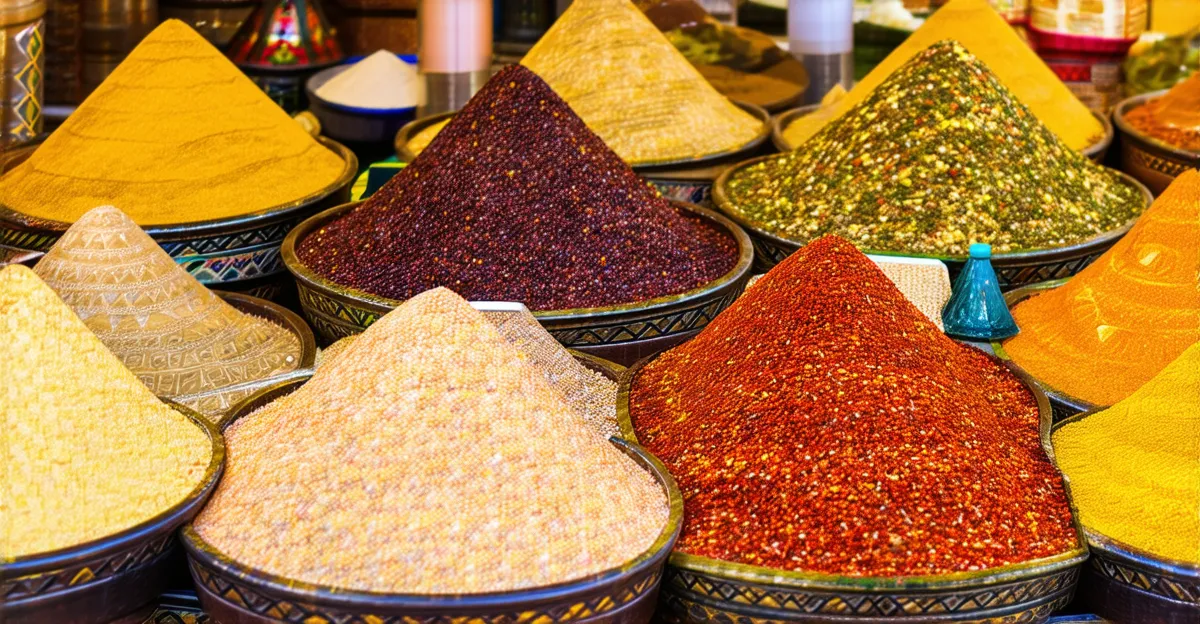
The essence of Moroccan cooking lies in its fresh produce and spices. In Marrakesh, the bustling markets overflow with vibrant fruits, vegetables, and aromatic spices, creating a feast for the senses. Spices like cumin, cinnamon, and ras el hanout form the backbone of many traditional dishes.
As you stroll through the markets, you’ll see an array of colorful produce. Fresh herbs, citrus fruits, and vegetables are integral to Moroccan salads, which brighten up meals. These ingredients highlight the emphasis on freshness that characterizes Marrakesh cuisine.
Did you know? The use of spices in Moroccan cooking is not just for flavor; many are believed to have health benefits, adding a holistic element to the cuisine.
Where to eat: For a first-hand experience of fresh produce, visit Marché Central. You can also explore the stalls in the Medina for fresh herbs and spices that are essential to your Moroccan cooking adventures.
4. Tagine Tasting: A Culinary Tradition
🌟 Local Expert Tip: Get the most out of your Marrakech visit with guided tours!
Tagine is more than just a dish; it is a cultural icon of Marrakesh cuisine. Named after the earthenware pot in which it’s cooked, this slow-cooked stew showcases the flavors of Morocco. Typically, tagine consists of meat, poultry, or fish combined with vegetables, fruits, and a wonderful blend of spices. As the dish stews, the flavors meld beautifully, resulting in a culinary masterpiece.
While visiting Marrakesh, experiencing tagine is a must. There are various types to try, like lamb with apricots or chicken with olives. Each version offers a unique taste of Moroccan culinary traditions. Tagine is also often served with fresh bread, perfect for scooping up every last morsel.
Pro Tip: Don’t shy away from asking for recommendations at local restaurants; they often have their own special tagine recipes.
Where to eat: For an authentic tagine experience, try Restaurant Dar Yacout, known for its lavish atmosphere, or Maison de la Photographie, which offers a scenic view along with exquisite tagine dishes.
5. Souk Experience: Exploring Local Food Vendors
The souks of Marrakesh are a vibrant representation of the city’s culture and are a feast for the senses. As you wander through the narrow, bustling alleys, the aroma of spices, grilled meats, and sweet pastries fills the air. Locals and tourists alike explore the various stalls, where vendors offer an array of delicious foods. This is where you can experience Marrakesh food markets at their finest.
Popular items to look for include spiced nuts, freshly squeezed juices, and cheese. Additionally, many vendors sell prepared foods such as harira (a traditional soup) and kefta skewers. Eating from the souks gives you a direct connection to the local gastronomy.
Did you know? Souks are not just places to shop; they’re social hubs where you can engage with the local culture!
Where to eat: Visit Souk Semmarine for a truly immersive food experience, or stop by Chez Chegrouni for a local dining experience right in the heart of the souk.
6. Mint Tea: A Symbol of Hospitality in Marrakesh
In Marrakesh, drinking mint tea is a revered tradition that symbolizes hospitality and friendship. Often prepared with green tea, fresh mint, and generous amounts of sugar, this refreshing beverage is integral to Moroccan culture. The ritual of serving mint tea, complete with a mesmerizing pouring technique from a height, is a sight to behold.
During your visit, you’ll likely be offered mint tea in shops, restaurants, and even by locals. This hospitality reflects the warmth of Moroccan culture. Sipping tea while engaging in conversation is a cherished pastime for many.
Pro Tip: Try to learn the local customs when drinking mint tea. It’s often polite to take a few sips before expressing your appreciation.
Where to enjoy: Don’t miss Café de France for a panoramic view while sipping tea, or stop by Palais des Congrès for a delightful atmosphere and delicious mint tea.
7. Baklava and Sweet Treats: Indulging in Moroccan Desserts
Marrakesh is a paradise for dessert lovers, and among the many delightful confections, baklava stands out. This traditional Moroccan sweet is made with layers of flaky phyllo pastry, filled with chopped nuts, and drenched in honey or syrup. The result is a rich, sweet treat that perfectly balances crispy and gooey textures. Moreover, baklava is often flavored with fragrant spices like cinnamon or orange blossom water, adding to its allure.
Pro Tip: Perfectly paired with a cup of mint tea, baklava becomes an even more indulgent experience.
In addition to baklava, Marrakesh offers an array of other sweet treats including m’hanncha, also known as “snake cake.” This dessert is a spiral of almond paste, subtly flavored with orange blossom, and is as beautiful as it is delicious. Don’t miss sampling sfogliatelle, which are stuffed pastries enveloped in a soft shell.
For the best sweet treats, head over to the popular Pâtisserie Amandine or La Targuie where these delightful desserts can sweeten your culinary journey in Marrakesh.
8. The Art of Moroccan Bread: From Dough to Delicacy
🌟 Local Expert Tip: Get the most out of your Marrakech visit with guided tours!
Bread holds a sacred place in Moroccan cuisine, and in Marrakesh, you’ll find various types of bread made from wheat and barley. One popular type is khobz, a round loaf that is often baked in a traditional clay oven. It complements almost every meal, serving as an essential accompaniment for stews and dips. The art of making bread is not just about baking; it is a labor of love that has been passed down through generations.
As you explore the markets, you may notice bakers skillfully preparing dough. Interestingly, Moroccan bread is also used to scoop up food, making meals a communal experience. Briouats, which are pastries filled with savory or sweet fillings, are another beloved option that showcases the versatility of Moroccan bread.
If you’re eager to taste authentic bread, visit local bakeries like Bakery Derb Jdid or Dar Cherifa, where you can enjoy freshly baked loaves that reflect the heart and soul of Marrakesh cuisine.
9. Olive Markets: A Flavorful Journey Through Olives
When it comes to Moroccan cuisine, olives play a crucial role, both in flavor and tradition. The olive markets in Marrakesh are vibrant and bustling, offering a variety of olives that range in colors, sizes, and brines. You’ll find everything from green olives marinated with spices to black olives that are plump and juicy. These markets not only showcase olives but also serve as a testament to Morocco’s agricultural richness.
Exploring the olive souks, you’ll encounter vendors who invite you to taste their produce. The flavors of freshly picked olives can transport you straight to the Mediterranean. Along with olives, you will also find locally produced olive oil, which is an integral part of Moroccan dishes.
Pro Tip: Try combining olives with your meals or enjoy them as a snack with bread to experience true Moroccan hospitality.
For a splendid olive shopping experience, visit the Souk des Olives where you can engage with local producers and perhaps discover unique blends that will enhance your culinary adventures in Marrakesh.
10. Cooking Classes: Immersive Food Experiences in Marrakesh
For those looking to delve deeper into the world of Marrakesh food markets, participating in a cooking class is an excellent way to learn about Moroccan cuisine. These classes often start with a visit to the local markets. Here, you can gather fresh ingredients like spices, herbs, and vegetables. This immersion gives you a firsthand experience of the vibrant atmosphere and the variety of food available.
During the class, you will typically be guided by a professional chef who will teach you how to prepare traditional dishes, such as tagine and . You will learn not only the techniques behind the dishes but also the cultural significance of the ingredients used. Moreover, these classes often include insights into the best practices of Moroccan cooking, including the right way to utilize spices.
Insider Tip: Many cooking classes end with a communal meal where you can savor the dishes you’ve prepared, making for a memorable dining experience.
Some renowned cooking schools include Cooking Workshops with Latifa and Al Fassia, where classes are available in English. Whether you’re a seasoned cook or a beginner, these immersive experiences will deepen your appreciation for Marrakesh cuisine.
Marrakesh food markets are not just places to eat; they are a vibrant expression of the city’s culture and hospitality. Each flavor tells a story of tradition, making your culinary journey an unforgettable part of your visit. We encourage you to embark on an immersive food experience, savor the local delicacies, and share your favorite dishes with friends and fellow travelers. Plan your culinary adventure to Marrakesh today!
Frequently Asked Questions
A: Marrakesh food markets are known for their vibrant displays of local produce, spices, traditional dishes, and unique street food.
A: Don’t miss out on classics like harira soup, msemen pancakes, and grilled kebabs.
A: The Jemaa el-Fnaa Square is the most famous spot, but look for hidden souks for authentic local delights.
A: Yes, there are plenty of vegetarian-friendly dishes including salads, lentil soups, and vegetable tagines.
A: Absolutely! Many companies offer food tours that take you through the best markets and restaurants.
A: Evenings are lively at the Jemaa el-Fnaa, while mornings are best for fresh produce at local souks.