
Marrakesh Culinary Traditions: A Taste Adventure
Explore Marrakesh culinary traditions! Discover the city’s best local dishes, vibrant markets, and top dining spots for an unforgettable food journey.
On this page
Marrakesh culinary traditions are a vibrant tapestry woven from centuries of influences and local ingredients, creating a unique gastronomic landscape. From aromatic spices to colorful markets, food lovers will find themselves enchanted by the depth of flavors in Marrakesh. This guide will take you on a journey to explore local delicacies, regional specialties, and delightful dining spots that make Marrakesh a culinary paradise worth experiencing.
Key Takeaways
- Marrakesh culinary traditions showcase a fusion of flavors that reflect its rich history.
- Signature dishes like tagine and couscous are essential for understanding local cuisine.
- The city’s vibrant markets offer an authentic glimpse into the world of spices and ingredients.
- Cooking classes present an exciting opportunity to learn the art of Moroccan cooking.
1. Tagine: The Heart of Marrakesh Culinary Traditions
Tagine is not just a dish; it embodies the essence of Marrakesh culinary traditions. This iconic Moroccan dish is named after the earthenware pot in which it is cooked. The tagine pot is designed to keep moisture in, allowing the ingredients to slow-cook, resulting in a rich and flavorful meal. Typical tagine ingredients include lamb, chicken, or vegetables, combined with a variety of spices such as cumin, coriander, and saffron.
One reason tagine is so beloved is its versatility. Each family in Marrakesh has its own recipe, often passed down through generations. Moreover, you can find different types of tagines suited for various occasions. For instance, a hearty lamb tagine with apricots makes for a perfect family feast.
Pro Tip: Always ask for the daily special tagine at local eateries, as they often feature seasonal ingredients for a truly authentic experience.
Where to eat: For an exceptional tagine, try Restaurant Al Fassia or head to Le Tobsil, both known for their traditional Moroccan dishes and warm ambiance.
2. Couscous: A Staple of Marrakesh Tradition
Couscous is more than just a side dish; it is a staple of Marrakesh culinary traditions and Moroccan culture. Typically made from semolina wheat, couscous is steamed to achieve a light and fluffy texture. It is frequently served with a stew made from meat and vegetables, creating a dish that is both filling and nutritious.
Traditionally, couscous is prepared during family gatherings and celebrations. It brings people together, making every meal an occasion. Moreover, you can find various regional versions of couscous, including ones that feature seasonal vegetables or dried fruits.
Did you know? Eating couscous with your hands is a common practice in Marrakesh, adding to the communal dining experience.
Where to eat: For the best couscous in Marrakesh, visit Le Maison Arabe or Couscous Timgad. These restaurants are celebrated for their robust flavors and authenticity.
3. Harira: A Nourishing Moroccan Soup
🌟 Local Expert Tip: Get the most out of your Marrakech visit with guided tours!
Harira is a traditional Moroccan soup that showcases the heart of Marrakesh culinary traditions. This flavorful dish is a staple during Ramadan, enjoyed for breaking the fast. Made with tomatoes, lentils, chickpeas, and often lamb or beef, harira is seasoned with a blend of spices like cinnamon, ginger, and pepper, creating a comforting and fulfilling meal.
In Marrakesh, harira is typically served with dates and fresh bread, emphasizing its role as a nourishing comfort food. Each family may have its unique recipe, with variations in consistency and flavor, reflecting personal tastes and regional ingredients.
Pro Tip: Don’t miss out on trying harira in local homes; it often tastes even better than in restaurants!
Where to eat: For an authentic bowl of harira, visit Restaurant Le Tobsil or Hotel Restaurant La Renaissance. Both places are known for their savory harira and cozy atmosphere.
4. Pastilla: Sweet and Savory Elegance
🌟 Local Expert Tip: Get the most out of your Marrakech visit with guided tours!
Pastilla is a hallmark of Marrakesh culinary traditions, combining rich flavors and textures in a beautiful presentation. Typically made with pigeon or chicken, this dish is layered between crispy pastry known as warka. The filling includes a mixture of meat, spices, nuts, and sometimes even a touch of cinnamon, creating a delightful balance of sweet and savory.
Traditionally served at weddings and special occasions, pastilla captivates guests with its intricate layers and golden Hue. As you take a bite, the contrast of the crunchy outside and the luscious, spiced filling is an unforgettable experience.
Pro Tip: Pair pastilla with a glass of chilled Moroccan mint tea for a refreshing complement to the rich flavors.
Where to eat: For an authentic pastilla experience, visit Chez Chegrouni or La Grande Table Marocaine, both known for their mouthwatering versions of this iconic dish.
5. Mechoui: The Art of Moroccan Lamb
Mechoui embodies the essence of Marrakesh culinary traditions, offering a unique way to savor lamb. This dish involves slow-roasting a whole lamb, seasoned with a perfect blend of spices, often including cumin, coriander, and garlic. The result is incredibly tender meat that melts in your mouth, truly a representative of Moroccan hospitality.
Mechoui is often served at large gatherings and special celebrations, showcasing Moroccan’s love for communal dining. Diners typically enjoy the lamb with homemade bread and a side of flavorful salads.
Did You Know? Many locals prefer cooking mechoui in a traditional earthen oven, which enhances the depth of flavor.
Where to eat: For the best mechoui, head to Restaurant Al Fassia or Le Tobsil, where you can savor an authentic preparation and immerse yourself in Marrakesh’s vibrant atmosphere.
6. Moroccan Sweets: Delightful Endings
No exploration of Marrakesh culinary traditions is complete without indulging in Moroccan sweets. These delightful treats, often made with almonds, honey, and saffron, are a perfect way to end any meal. One popular choice is Baklava, a rich pastry filled with nuts and drenched in syrup. Another classic is Ghriba, a dense, cookie-like sweet that comes in various flavors.
These sweets are not just delicious; they also play an essential role in Moroccan culture. They symbolize generosity, often shared with guests during festive occasions or gatherings.
Pro Tip: Don’t miss trying seffa, a sweet dish made from steamed and sweetened couscous, often accompanied by almonds and raisins!
Where to eat: For an array of authentic Moroccan sweets, visit Patisserie Aicha or Souk Cherifia, where you can sample these alluring flavors in the heart of the city.
7. Breakfast in Marrakesh: A Cultural Ritual
In Marrakesh, breakfast is more than just the first meal of the day; it is a cultural ritual that connects locals through shared flavors and traditions. Typically, a Moroccan breakfast features a variety of dishes, such as bread, olive oil, and jam. Freshly baked khobz (traditional flatbread) is a staple, often served warm and drizzled with honey. Another popular item is briouat, pastry filled with cheese or almonds, providing a delightful start to the day.
Couscous is also sometimes featured, with many families opting for lightly spiced varieties. Furthermore, a cup of thick mint tea accompanies breakfast, symbolizing hospitality and togetherness in Moroccan culture.
Pro Tip: Don’t pass up the chance to enjoy breakfast on a rooftop terrace, where you can enjoy beautiful views of the city while dining.
Where to eat: For a traditional Moroccan breakfast, visit Café des Épices or Maison MK. Both spots offer delicious local dishes and a charming atmosphere to start your day.
8. Local Spice Markets: A Feast for the Senses
🌟 Local Expert Tip: Get the most out of your Marrakech visit with guided tours!
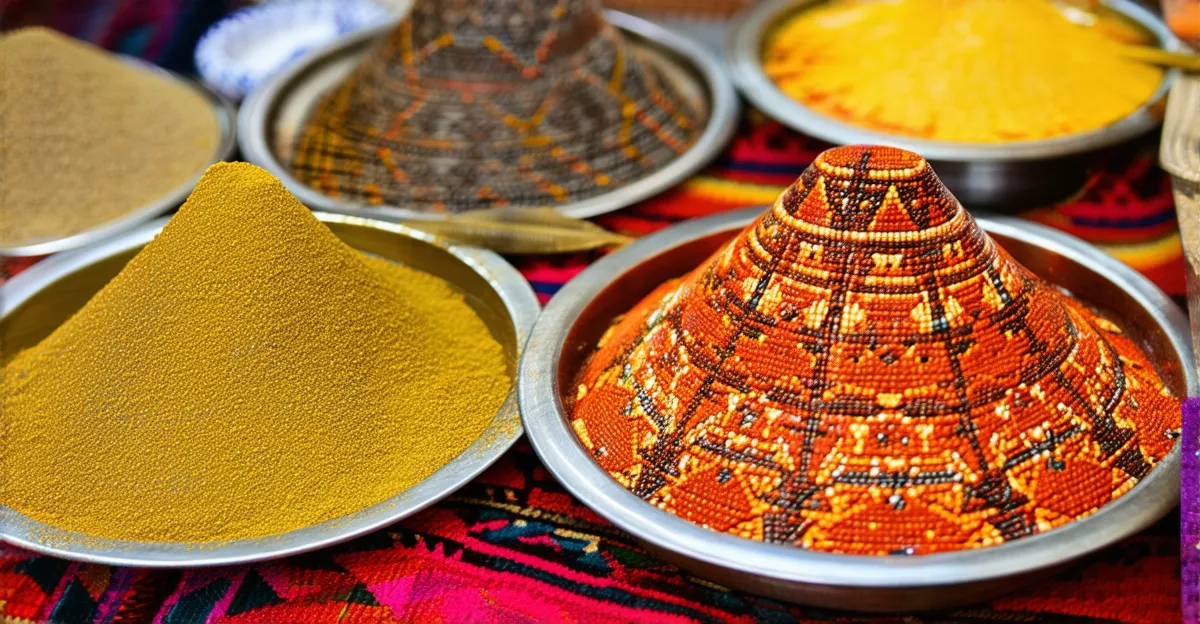
The local spice markets in Marrakesh are vibrant hubs that showcase the heart of Marrakesh culinary traditions. The famous souks, especially the Souk Semmarine, overflow with an array of colorful spices, fragrant herbs, and unique ingredients. As you walk through the bustling market, you will encounter aromatic spices like cumin, paprika, and saffron.
These markets not only offer a feast for the senses but also provide an opportunity to learn about local cooking heritage. Vendors are often eager to share knowledge and tips about their products. You can even find blends unique to Marrakesh, such as ras el hanout, which is essential for many traditional dishes.
Did you know? Smelling the spices is an essential part of the experience—each scent tells a story of the land and its culture!
Visiting these markets is a must for anyone looking to delve into the rich culinary landscape of Marrakesh.
9. Rooftop Dining: A Magical Experience
Dinner in Marrakesh takes on a magical essence when enjoyed on a rooftop. Many restaurants and cafes offer rooftop dining, allowing guests to savor their meals while taking in the breathtaking skyline and majestic views of the Atlas Mountains. This dining experience is not just about food; it is about creating memorable moments that blend ambiance with culinary delights.
Restaurants like Le Foundouk and Nomad are popular choices for rooftop dining. They serve an enticing selection of Moroccan and contemporary dishes, perfect for all tastes. The atmosphere is often enhanced by traditional music, dim lighting, and beautiful décor, making it the ideal setting for a romantic dinner or a fun evening with friends.
Pro Tip: Book your rooftop table in advance, especially during peak tourism seasons, to ensure you have the best seat for enjoying the sunset!
This unique dining experience allows travelers to connect with the rich culinary traditions of Marrakesh while soaking in the city’s magical charm.
10. Culinary Classes: Learn from the Locals
One of the best ways to truly understand marrakesh culinary traditions is by participating in a culinary class. These classes often take place in traditional riads or homes, giving you a unique glimpse into local life. Here, you’ll learn to prepare authentic dishes, such as tagine or couscous, using recipes passed down through generations.
During these classes, local chefs share their secrets, including the use of regional spices and ingredients. Moreover, you’ll enjoy a hands-on experience that not only enhances your cooking skills but also allows you to connect with the culture. Consequently, you’ll leave with a deeper appreciation for Moroccan cuisine.
Pro Tip: Look for classes that include market visits. Shopping for fresh ingredients in a local souk adds another layer to your culinary adventure.
Where to learn: Consider taking a class at La Maison Arabe or Cooking at La Boussole for an immersive and memorable experience.
11. street food: Discover Hidden Gems
Marrakesh is a paradise for street food lovers, offering an array of delightful dishes at every corner. When exploring the bustling streets, be sure to taste local favorites that represent marrakesh culinary traditions. From sizzling grilled meats to flavorful pastries, street food reflects the city’s vibrant culture.
Don’t miss trying brouchettes (grilled skewers), which are usually marinated in spices for an extra kick. Another popular choice is msemen, a flaky flatbread often served with honey or savory fillings. Additionally, the famous snail soup can be found in street stalls, renowned for both its flavor and unique presentation.
Did you know? The best street food can often be found at night, especially in the infamous Djemaa el-Fna square, where the atmosphere is lively and vibrant.
For a unique experience, visit Chez Pôl, a local stall known for its delicious tajines and fresh salads.
12. Mint Tea: The Symbol of Moroccan Hospitality
In Marrakesh, mint tea holds a special place in the hearts of locals. Known as “Moroccan whiskey,” this sweetened tea is a symbol of hospitality and is served to guests as a warm welcome. The preparation of mint tea itself is a ritual, performed with a series of precise steps that elevate the experience.
Traditionally, green tea is brewed and combined with fresh mint leaves, and sugar is added according to taste. After steeping, the tea is poured from a height, creating a frothy layer on top. Thus, the presentation becomes just as important as the taste.
Pro Tip: For the most authentic experience, accept a cup of mint tea from your host; it’s a sign of respect and friendliness.
To savor the best mint tea in Marrakesh, stop by Café de la Place or Café des Épices, both of which offer stunning views of the city along with delicious refreshments.
13. Regional Ingredients: What Makes Marrakesh Unique
🌟 Local Expert Tip: Get the most out of your Marrakech visit with guided tours!
Marrakesh is a hub of diverse culinary traditions that reflect its rich cultural heritage and geographical influences. The region boasts a variety of fresh, local ingredients that enhance its dishes. One of the most notable ingredients is harissa, a spicy chili paste used in many dishes, adding depth and flavor.
Another key ingredient is preserved lemons, important for their unique taste. These lemons are often used in tagines and salads, offering a bright and acidic contrast to the spices. Additionally, olives of various types are commonly found in Moroccan cuisine, especially in salads and tagines.
Pro Tip: Don’t miss the local spice souks, where you can find saffron, cumin, and coriander—spices that define Marrakesh culinary traditions.
Fresh herbs like coriander and parsley also play a crucial role in adding brightness to dishes. Lastly, the use of seasonal vegetables, such as carrots, zucchini, and eggplant, reflect the abundance of the local farms, making every meal a true representation of Marrakesh’s vibrant culinary landscape.
14. Dining Etiquette in Marrakesh: A Guide
When dining in Marrakesh, understanding the local culinary traditions and etiquette can greatly enhance your experience. First and foremost, always greet your host with a smile and a respectful greeting, such as “Salam Alaykum.” This sets a positive tone for your meal.
During meals, it is common to share dishes among guests. Family-style dining is not only a tradition but also a way to foster warmth and connection. In this context, using your right hand to eat is essential, as the left is considered unclean. If you’re using bread to scoop up food, that’s perfectly acceptable.
Did you know? Before the meal, it is customary to wash your hands, often done using a basin provided by your host.
Finally, tipping is appreciated in Marrakesh. Leaving a small tip shows gratitude for the hospitality and service you received. Overall, embracing these simple yet meaningful customs will not only enrich your dining experience but also deepen your appreciation for the culinary traditions of Marrakesh.
15. Felfela: A Hidden Gem of Marrakesh Cuisine
Among the lesser-known treasures of Marrakesh culinary traditions is Felfela, a delightful dish that showcases the region’s flavors incredibly. These stuffed bell peppers are typically filled with a mixture of spiced ground meat, rice, and aromatic herbs. The combination of textures and tastes makes Felfela a unique culinary experience.
Traditionally, Felfela is slow-cooked, allowing the flavors to meld beautifully. It’s often the star of family gatherings and celebrations, highlighting the importance of sharing food in Moroccan culture. Pair it with a side of couscous or fresh salad for a complete meal that tantalizes the taste buds.
Pro Tip: For an authentic experience, enjoy Felfela at a local eatery where the dish is prepared in traditional style!
Where to eat: For an unforgettable Felfela, head to Le Tobsil, known for its authentic Moroccan cuisine, or try Dar Yacout, a restaurant that offers a variety of traditional dishes including Felfela amid stunning décor.
Marrakesh culinary traditions are a captivating exploration of flavors and experiences. From delightful tagines to exceptional sweets, you are bound to create unforgettable memories. Embrace the vibrant culinary scene and start planning your gastronomic journey in Marrakesh. Share your favorite dishes and experiences in this enchanting city with fellow food lovers!
Frequently Asked Questions
A: Don’t miss trying tagine, couscous, pastilla, and harira while visiting.
A: Yes, many restaurants offer vegetarian dishes, including vegetable tagines and salads.
A: The spring and fall months offer pleasant weather and a variety of local festivals.
A: Head to Jemaa el-Fnaa square for a plethora of delicious street food stalls.
A: Try Le Tobsil or Al Fassia for an authentic dining experience.
A: Mint tea is a symbol of hospitality in Moroccan culture, often served to guests.
A: Joining a food tour or taking a cooking class can provide immersive culinary experiences.