
Lusaka Cuisine: Discover Traditional Dishes
Lusaka traditional dishes await! Explore the best local foods, dining spots, and culinary experiences in the vibrant capital of Zambia.
On this page
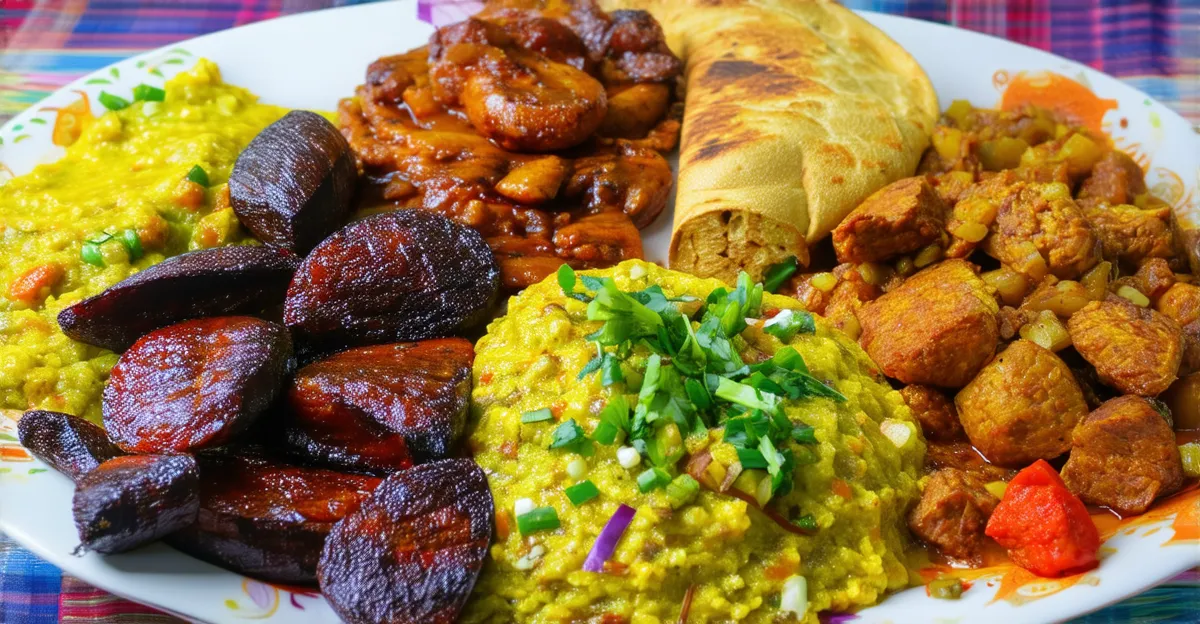
Lusaka, the bustling capital of Zambia, is not only a cultural hub but also a treasure trove of traditional dishes that reflect the rich heritage and flavors of Zambian cuisine. With influences from various ethnic groups, the culinary scene in Lusaka is diverse and offers a delightful blend of ingredients and cooking techniques. From the staple nshima to richly seasoned meats and vegetables, Lusaka’s traditional dishes provide an authentic taste of Zambia that every food lover should experience. This guide will take you on a culinary journey through the vibrant food experiences and local dining spots in Lusaka.
Key Takeaways
- Lusaka cuisine features a variety of traditional dishes with rich flavors.
- Staple foods, such as nshima, are central to Zambian dining culture.
- Dining spots offer both street food and fine dining experiences.
- Exploring local markets is key to fully experiencing Lusaka’s culinary scene.
1. Nshima: The Heart of Zambian Cuisine
Nshima is often regarded as the cornerstone of traditional Zambian cuisine. Made from finely ground maize meal, this versatile dish is typically served as a thick porridge. It serves as not just a meal but also a communal experience. In Zambian culture, sharing nshima among family and friends reflects unity and togetherness.
Each bite of nshima has a slightly grainy texture that pairs beautifully with a variety of relishes and stews. Moreover, it absorbs the flavors of accompanying dishes, enhancing the overall dining experience. Traditional Zambians usually eat nshima using their hands, shaping it into balls to scoop up the relishes that accompany it.
Pro Tip: To truly enjoy nshima, pair it with a rich relish such as groundnut stew or vegetables.
Where to eat: In Lusaka, you can find nshima at local restaurants like Chikufu and Juju’s Kitchen, both known for their authentic traditional dishes.
2. Traditional Zambian Relishes: Complementing Nshima
Relishes are essential when enjoying nshima, as they add flavor, texture, and nutrition to the meal. Traditional Zambian relishes can vary, consisting of vegetables, meat, or fish. Popular options include rape (a type of leafy green), groundnut stew, and stewed pumpkin leaves.
These accompaniments not only enhance the taste but also provide valuable nutrients. For instance, groundnut stew is rich in proteins and healthy fats, while vegetables add essential vitamins. Therefore, combining nshima with these relishes makes for a balanced and fulfilling meal.
Did you know? Different regions in Zambia may have unique relishes, offering a variety of flavors across the country.
Where to eat: To explore traditional Zambian relishes, visit Hungry Lion or Chikondi Restaurant, which are famous for their flavorful combinations.
3. Chibwabwa: Zambian Pumpkin Leaves Delight
🎯 Insider Tip: Discover the best Lusaka experiences with Viator Tours!
Chibwabwa, or pumpkin leaves, are a revered ingredient in Zambian cooking. Typically cooked into a delicious stew or mixed with groundnut paste, these leaves are not only tasty but also packed with nutrients. The dish often features a combination of onions, tomatoes, and spices, creating a rich and aromatic flavor profile.
What’s more, chibwabwa is a key part of Zambian traditional diets and is enjoyed by many. It is often served alongside nshima and other relishes, complementing the staple grain perfectly. Thus, you won’t want to miss this delightful culinary experience.
Pro Tip: When eating chibwabwa, pair it with grilled meats for an authentic Zambian meal.
Where to eat: For a taste of chibwabwa, check out The Boma in Lusaka, where they serve it as part of their traditional Zambian menu.
4. Bream Fish: Freshwater Delicacies of Lusaka
Bream fish is a staple in Lusaka and an essential part of Zambian traditional dishes. Caught in the many rivers and lakes of the region, this freshwater fish is celebrated for its tender, flaky texture and mild flavor. Typically, it is grilled or fried, making it a popular choice for both locals and visitors.
When preparing bream fish, it is common to season it simply with salt, pepper, and sometimes a drizzle of lemon juice. This allows the natural flavors to shine. Bream fish can be enjoyed alongside nshima, the national dish, creating a delightful combination that embodies traditional Zambian cuisine.
Did you know? Grilled bream fish is often served at celebrations and special gatherings in Lusaka, making it a symbol of hospitality.
Where to eat: You can savor the best bream fish at Book Cafe, known for its vibrant atmosphere, or try Kalimba Reptile Park for a stunning riverside dining experience.
5. Ifishimu: Tasty Zambian Catfish Stew
Ifishimu, a hearty Zambian catfish stew, warms the soul and tantalizes the taste buds. This dish is not only popular in Lusaka but also across the country. The catfish is typically simmered with tomatoes, onions, and various spices, creating a rich and flavorful broth.
Often enjoyed with nshima, ifishimu is a favorite among families and is easily found at local eateries. The combination of tender catfish with a spicy sauce explains why it’s considered one of the most beloved traditional dishes in Zambia. Whether cooked at home or served in a restaurant, this stew brings a taste of comfort.
Pro Tip: For an authentic experience, ask for a side of local vegetables to complement your serving of ifishimu.
Where to eat: For the best ifishimu, visit Chikuni’s Place, a local favorite, or Kalimba Farm Restaurant, known for its authentic Zambian flavors.
6. Chicken and Groundnut Stew: A Hearty Dish
🎯 Insider Tip: Discover the best Lusaka experiences with Viator Tours!
Chicken and groundnut stew is a beloved dish in Lusaka, showcasing the traditional use of groundnuts, or peanuts, in Zambian cuisine. The stew features tender pieces of chicken simmered in a creamy peanut sauce, often enhanced with spices, onions, and tomatoes.
This hearty dish is rich in flavor and nutrition, making it a perfect comfort food for families. Usually served with nshima, it creates a balanced meal that embodies the communal spirit of Zambian dining. Guests are often invited to share large bowls, making every meal a delightful experience.
Fun Fact: Groundnuts are not only delicious but also packed with protein, making this dish both tasty and nutritious.
Where to eat: For a taste of chicken and groundnut stew, try The Royal Zambian Lodge or Jumbo Restaurant for their authentic Zambian dishes.
7. Kapenta: Small Fish with Big Flavor
Kapenta are small, dried fish that are widely enjoyed in Zambia, particularly in Lusaka. Often caught in the vast lakes, they pack a punch in flavor despite their size. These fish can be enjoyed in various ways—either fried, stewed, or even grilled. The crispy texture when fried makes them a delightful snack, and they are often served with nshima or enjoyed alone with some spices.
Moreover, kapenta is not just delicious; it’s also a significant source of protein for many Zambians. Often, you can find them in local markets or roadside stalls. If you are adventurous, try them with a side of tomato and onion relish for an authentic experience.
Pro Tip: Don’t miss trying kapenta with nshima for a truly Zambian meal!
Where to eat: For the freshest kapenta in Lusaka, visit Chikondi Restaurant or Lusaka International Airport’s food stall for a quick bite.
8. Boiled Maize: A Local Snack Tradition
Boiled maize, also known as corn on the cob, is a staple street food in Lusaka. Vendors often sell this delicious snack, which is simple yet satisfying. The sweet, tender kernels offer a delightful crunch, making it an enjoyable treat for all age groups. In addition, boiled maize can be served with a sprinkle of salt or paired with chili sauce for those who prefer a spicy kick.
This local tradition is not just a snack; it’s a part of the cultural experience in Lusaka. Families often gather around stalls to enjoy this treat, making it a social activity. You can easily find vendors selling boiled maize at markets and street corners.
Did you know? Boiled maize is a common snack during friendly gatherings or while watching football matches!
Where to eat: For the best-boiled maize, look for street vendors near Libala Market or Woodlands Shopping Mall.
9. Cabbage and Carrot Stir-fry: Colored with Local Flavors
Cabbage and carrot stir-fry is a vibrant, nutritious dish frequently served in Lusaka to complement various meals. This simple dish carries a burst of flavor and color, making it an attractive addition to any plate. The stir-fried vegetables are often seasoned with garlic, onions, and a touch of salt, adding depth to the dish.
This stir-fry not only highlights the natural sweetness of the vegetables but also offers a healthy option to balance heavier dishes like nshima or stews. In many households, it is prepared as an accompaniment to protein dishes, particularly during family gatherings.
Pro Tip: Add some spices or chilies for an extra kick!
Where to eat: You can find fantastic cabbage and carrot stir-fry at local restaurants like Golden Leaf Restaurant or Makeni Mall’s food court.
10. Zambian Fritters: Crispy street food Snacks
Zambian fritters, known locally as fritters or chikanda, are tantalizing fried snacks that you can find at street vendors throughout Lusaka. These mouthwatering treats are made from a mix of ingredients, including flour, water, and spices. You can also find variations with vegetables or even meats, enhancing their flavor and making them a favorite among locals and visitors alike.
Perfect as a quick snack while exploring Lusaka, Zambian fritters are typically crispy on the outside and soft on the inside. They are often served with spicy dips or sauces, adding an extra kick to each bite. Moreover, these fritters are not just delicious, they also reflect the tradition of Zambian street food culture, where families gather to enjoy these treats together.
Pro Tip: Don’t hesitate to ask for extra chili sauce if you enjoy some heat with your fritters!
Where to eat: For a taste of authentic Zambian fritters, head to Chalo’s Fritters or visit local markets like City Market, where you can immerse yourself in the bustling atmosphere while enjoying these delightful snacks.
Lusaka’s traditional dishes are a gateway to Zambia’s rich culinary heritage, presenting an array of flavors and textures that will tantalize your taste buds. From savoring a plate of nshima to indulging in local fish and vegetable stews, every meal tells a story. Join the culinary adventure and explore the vibrant food culture in Lusaka—don’t forget to share your favorite dishes with fellow food enthusiasts!
Frequently Asked Questions
🎯 Insider Tip: Discover the best Lusaka experiences with Viator Tours!
A: Nshima, ifishimu, and bream fish are must-try dishes in Lusaka.
A: Local markets and restaurants in the city center offer the best traditional dishes.
A: Yes, dishes like chibwabwa and various vegetable relishes are great vegetarian options.
A: Nshima is a staple food made from ground maize, enjoyed with various relishes and is central to Zambian meals.
A: Tipping is appreciated but not mandatory; a small percentage of the bill is customary for good service.
A: Absolutely! Street food vendors are common, offering a variety of local snacks and dishes.