
Lusaka Cuisine: Discover Local Flavors and Delights
Lusaka cuisine is a vibrant tapestry of flavors. Explore the best traditional dishes and dining spots in Zambia’s capital city with this guide.
On this page
Lusaka cuisine represents the heart of Zambian culture, blending indigenous traditions with influences from various regions. As the capital city of Zambia, Lusaka offers food lovers a diverse array of local dishes, from savory stews to fragrant grilled meats. This guide will take you on a culinary adventure through Lusaka, showcasing the rich flavors and unique dining experiences that make this city a must-visit for any food enthusiast.
Key Takeaways
- Lusaka cuisine offers a vibrant selection of local flavors and dishes.
- Signature dishes like nshima, grilled meats, and ifisashi highlight Zambia’s culinary heritage.
- Lusaka’s street food scene provides both affordable eats and authentic taste.
- Sampling local fruits and delicacies is a must-do activity while exploring Lusaka.
1. Nshima: The Staple of Lusaka Cuisine
Nshima is the cornerstone of Lusaka cuisine and is loved by many. This traditional dish is made from ground maize meal and water, resulting in a thick, porridge-like substance. It is often served with a variety of relishes, such as meats or vegetables. Moreover, nshima is consumed daily by many Zambians, symbolizing nourishment and togetherness.
The preparation of nshima is quite simple. Maize flour is cooked in boiling water, stirred continuously until it reaches a stiff consistency. Its texture allows it to be molded and rolled into small balls, perfect for scooping up delicious relishes. Families typically gather around the table to share this hearty meal, creating a social atmosphere.
Did you know? Nshima is not just food; it’s a cultural experience, often representing love and hospitality in Zambian households.
If you’re exploring Lusaka, don’t miss out on enjoying nshima at local eateries, as it is often a centerpiece in traditional meals.
2. traditional Zambian Stews: A Taste of Home
Traditional Zambian stews offer a comforting taste of home. These stews often feature meats such as beef, chicken, or goat, slow-cooked with local spices, and served alongside nshima. Vegetables are frequently added to enhance the flavor and nutrition of the dish. Each family has its own unique recipe, often passed down through generations.
Two popular varieties are relish and chikanda stew. Relish typically includes ingredients like tomatoes, onions, and green peppers, simmered for hours until they are rich and savory. On the other hand, chikanda stew, made from ground nuts and tubers, is a must-try for its distinct flavor.
Pro Tip: Pair your stew with a side of nshima for the full Zambian experience!
In Lusaka, you can enjoy these savory stews at local restaurants or bustling markets, where the aroma will draw you in.
3. Grilled Meats: The street food Scene in Lusaka
🎯 Insider Tip: Discover the best Lusaka experiences with Viator Tours!
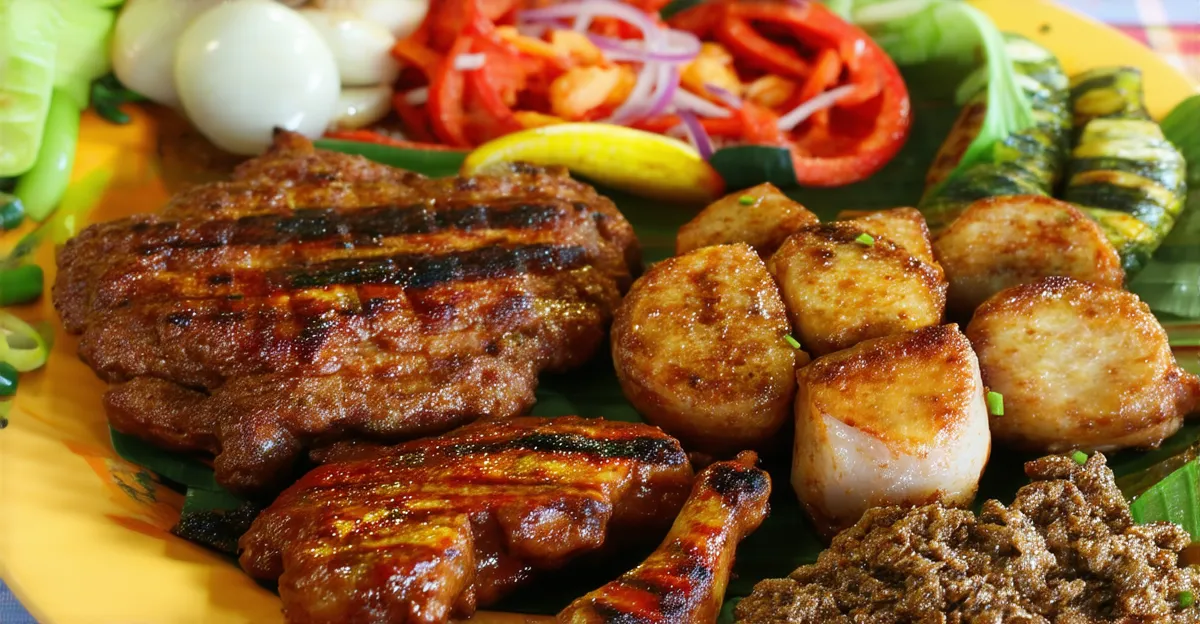
The street food scene in Lusaka is vibrant, especially when it comes to grilled meats. You will find a range of skewered meats being grilled over open flames, creating a mouth-watering aroma that beckons passersby. Popular choices include nyama choma, which means “grilled meat” in Zambian slang, often made of beef, chicken, or goat.
Street vendors take pride in their recipes and grilling techniques, making it a culinary adventure to explore. These meats are typically served with spicy sauces and side dishes like nshima and relish. Each vendor has a unique twist, so trying grilled meats from different stalls can offer an exciting variety of flavors.
Pro Tip: For a true Zambian experience, eat your grilled meat with your hands, and don’t forget to add some spicy sauce!
Head over to local markets or roadside stalls for the best and most authentic grilled meats in Lusaka!
4. Ifisashi: The Vegetable Medley of Lusaka
Ifisashi is a delightful dish that showcases the rich agricultural heritage of Lusaka, making it an essential part of Lusaka cuisines. This dish is a flavorful blend of vegetables, often including pumpkin leaves and groundnuts, cooked together to create a creamy, nutritious experience. The vegetables are usually simmered in a mix of water and seasonings, enhancing their natural taste.
One of the best aspects of Ifisashi is its versatility. It serves as both a side dish and a main dish, depending on your preference. Moreover, many families have their own unique recipes, adding different ingredients like sweet potatoes or even beans to the mix. This offers an authentic taste of home cooking.
Pro Tip: Traditionally, Ifisashi is enjoyed with Nshima, making for a complete meal that embodies Zambia’s comfort food.
Where to eat: For a fantastic Ifisashi experience, try Golden Bridge Restaurant or Ngoma Zanga, where you can enjoy this dish alongside other local specialties.
5. Kapenta: A Sardine-Like Delicacy from Lake Tanganyika
Kapenta is a wonderfully unique dish that is integral to Lusaka cuisines. These small fish resemble sardines and are usually caught from the deep waters of Lake Tanganyika. Kapenta is often dried and then fried or cooked in a tomato-based sauce, which enhances its flavor significantly.
This delicious seafood is commonly served with Nshima or rice and is adored by locals for its rich taste and nutritional benefits. In addition to being a staple, Kapenta is also budget-friendly, making it accessible for many Zambians. Its combination of proteins and rich flavor often leaves a lasting impression on visitors.
Did you know? Kapenta is packed with omega-3 fatty acids, providing health benefits alongside its delightful taste!
Where to eat: To enjoy Kapenta prepared in traditional Zambian style, visit Chita Lodge or Kafue River Lodge, where you can savor this local delicacy in its best form.
6. Biltong: The Regional Snack Craze
🎯 Insider Tip: Discover the best Lusaka experiences with Viator Tours!
Biltong is a much-loved snack that comes from South Africa but has found a cherished place in Lusaka cuisines as well. This air-dried, cured meat is typically made from beef or game and seasoned before being dried to perfection. The result is a chewy yet flavorful snack that is perfect for any time of day.
Often enjoyed on the go, Biltong is packed with protein and offers a savory taste that appeals to both locals and tourists. This snack is not only popular because of its rich flavor but also for its convenience and ability to be preserved without refrigeration.
Pro Tip: Pair Biltong with some local beer for a delightful tasting experience!
Where to eat: To find some of the best Biltong in Lusaka, check out Shoprite Supermarket or heritage Biltong, specializing in various flavors and cuts.
7. Local Fruits: A Sweet Taste of Lusaka
Lusaka is not only known for its savory dishes but also for its vibrant selection of local fruits. The tropical climate in Zambia enables the growth of a variety of fruits that are refreshing and delicious. You can find classic fruits like mangoes, pineapples, and bananas in abundance.
One of the standout fruits is the baobab fruit, often called “monkey bread,” which is high in Vitamin C and has a unique tangy flavor. Another popular fruit is the marula, known for its sweet, juicy flesh. Additionally, don’t miss trying yellow plums and guavas, both of which are refreshing and widely enjoyed by the locals.
When visiting local markets, it’s common to see vendors selling these fruits, often at very reasonable prices. Pro tip: Scoop up some fresh fruits for a healthy snack while you explore Lusaka. The flavors will surely enhance your culinary adventure.
8. Chikanda: The Zambian Food ‘Tapioca’
Chikanda is a traditional Zambian dish often referred to as “African tapioca.” Made primarily from the root of the starch-rich orchid plant, chikanda has a unique texture that somewhat resembles gelatinous pudding. It is usually steamed and can be prepared plain or with added flavors like spices and vegetables.
This dish is popular for its versatility. Generally, it is served as a savory side dish or snack. Interestingly, chikanda also has cultural significance and is often prepared for special occasions. Its hearty nature makes it a satisfying addition to any Zambian meal.
Where to taste: To savor authentic chikanda, try visiting local eateries or markets. Look specifically for stalls that specialize in traditional Zambian dishes, where you can enjoy this unique food experience fully.
9. Samosas and Snack Time Favorites in Lusaka
Samosas are a beloved snack in Lusaka, drawing influence from Middle Eastern and Indian culinary traditions. These tasty pastries are generally filled with spiced meat, lentils, or vegetables, and then deep-fried to achieve a crispy exterior. They are perfect for a quick snack or as an appetizer before a meal.
In addition to samosas, Lusaka boasts a variety of other popular street foods. Options like kotangha (fried dough) and chibwiga (fried fish) are common and loved by many. These snacks offer a great way to experience the local culture while enjoying delicious flavors.
Did you know? Samosas are often enjoyed with a spicy dipping sauce, adding an extra kick to this delightful treat!
Where to eat: For the best samosas, check out local street vendors or cafes around the city center. Popular spots include City Market and Kabwata Market, where you can find a variety of snack options that capture the essence of Lusaka’s vibrant food scene.
10. Dining Spots: Top Restaurants and Markets in Lusaka
Exploring Lusaka’s culinary scene is exciting, and knowing where to eat is essential. From vibrant markets to cozy restaurants, Lusaka offers a variety of dining options that showcase Lusaka cuisines in a delightful way. One must-visit spot is Kamwala Market, where you can find street vendors serving traditional dishes, fresh produce, and an authentic local atmosphere.
For a more sit-down experience, The Royal Dil is known for its Indian cuisine but also offers a special Zambian menu that reflects local flavors. Another great option is Maracas, a lively restaurant that features both Zambian and international dishes, making it perfect for everyone.
Pro Tip: Don’t shy away from trying the local dishes at these eateries; they often provide a more genuine taste of the culture!
Another remarkable place is Tapas Bistro, which mixes traditional Zambian ingredients with modern cooking styles. Additionally, visit Mukuba Mall’s food court to sample various Zambian cuisines all in one location. This mix of local and international dining spots ensures a memorable gastronomic journey through Lusaka!
Lusaka cuisine is a wonderful fusion of tradition and taste, inviting food lovers to explore its unique flavors and dishes. Whether you’re enjoying a local meal at a bustling market or dining in a cozy restaurant, Lusaka promises an unforgettable culinary journey. Share your favorite Zambian dishes or plan your next food trip to Lusaka!
Frequently Asked Questions
🎯 Insider Tip: Discover the best Lusaka experiences with Viator Tours!
A: Lusaka is known for dishes like nshima, grilled meats, and traditional stews that embody Zambian flavors.
A: Nshima, ifisashi, kapenta, and chikanda are among the must-try local dishes.
A: Yes, local markets and street food vendors offer budget-friendly and delicious options.
A: Exploring food markets, enjoying street food, and dining at local restaurants are great ways to dive into the culinary scene.
A: Yes, many dishes feature vegetables, and you can find vegetarian-friendly restaurants catering to various diets.
A: Local barbecue spots and street vendors are renowned for their grilled specialties.