
Lusaka Food Markets: A Culinary Journey
Dive into Lusaka food markets and discover vibrant local dishes, fresh produce, and mouthwatering street food in this delightful guide.
On this page
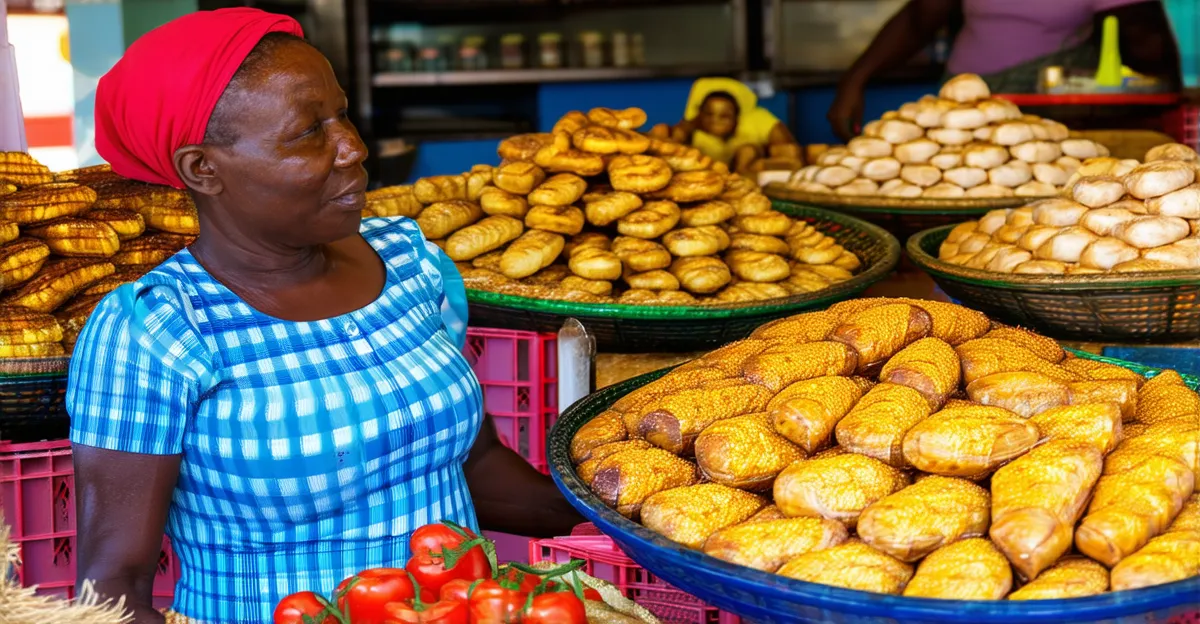
Lusaka food markets are a vibrant tapestry of colors, scents, and flavors, reflecting the essence of Zambian culture and culinary diversity. From bustling stalls brimming with fresh produce to tantalizing aromas wafting from street food vendors, Lusaka offers an extraordinary food exploration experience for locals and travelers alike. In this guide, we’ll navigate through the best food markets in Lusaka, highlighting unique local dishes and food experiences that should not be missed.
Key Takeaways
- Lusaka food markets are a vibrant representation of local culture and cuisine.
- Signature dishes like Nshima offer a taste of Zambia’s culinary heritage.
- street food and local snacks provide an affordable way to indulge in Lusaka’s flavors.
- Exploring food markets is an immersive experience that showcases fresh and authentic Zambian ingredients.
1. Soweto Market: The Heartbeat of Lusaka’s Cuisine
Soweto Market is often regarded as the heartbeat of Lusaka’s culinary scene. It’s more than just a market; it’s a bustling hub where locals gather for fresh ingredients and vibrant flavors. Here, you will find an assortment of fresh vegetables, tropical fruits, and a variety of meat products—each stall offering a glimpse into the daily lives of Lusaka’s residents.
As you stroll through the market, the smells of grilled meats and spicy stews fill the air, beckoning you to stop and taste. The atmosphere is lively, and the vendors are always eager to share recipes and cooking tips. Transitioning from one stall to another, you can easily discover local delicacies that reflect the rich culture of Zambia. Furthermore, a visit to Soweto Market is incomplete without trying the famous street food!
Pro Tip: Be sure to sample kachumbari, a fresh tomato and onion salad that pairs exceptionally well with grilled meats.
Where to eat: While Soweto Market is the place to shop, many nearby food stands offer freshly cooked dishes to enjoy on-site.
2. City Market: Fresh Produce and Spicy Delights
City Market is another key destination for experiencing Lusaka food markets. Known for its colorful stalls, this market features an impressive selection of fresh produce, making it a favorite among locals and chefs alike. The market is famous for its diverse range of spices, which are indispensable in Zambian cooking.
Walking through City Market, you will encounter herbs and spices that tantalize your senses. Some stands offer unique blends that are used in traditional dishes. Additionally, prepare to be enchanted by vendors selling sauces, seasonings, and local favorites that you simply cannot pass up. This is a great spot for those wishing to cook authentic Zambian meals at home.
Don’t miss out! Grab some peri-peri sauce to add a spicy kick to your dishes.
Where to eat: Although primarily a shopping spot, you can find small food stalls serving freshly made snacks to enjoy between your shopping.
3. Chazanga Market: Hidden Gem for Street Food Lovers
🎯 Insider Tip: Discover the best Lusaka experiences with Viator Tours!
For street food enthusiasts, Chazanga Market is a hidden gem that shouldn’t be overlooked. This local market may not be as well-known as Soweto or City Market, but it offers some of the best street food in Lusaka. The vibrant atmosphere invites you to try various dishes that capture the essence of Zambian flavors.
From grilled meat skewers called nyama choma to freshly fried chips, the options are endless. More importantly, Chazanga Market hosts unique vendors that offer traditional dishes, often prepared in front of you. While exploring, you’ll also find local drinks, such as munkoyo, a fermented maize drink that pairs wonderfully with the spicy food.
Pro Tip: Try to chat with the vendors; they’re happy to share their culinary stories and the secrets behind their delectable dishes.
Where to eat: Enjoy street food at its finest by grabbing a bite from local vendors peppered throughout Chazanga Market.
4. Kanyama Market: Experience Local Flavors
Kanyama Market is a vibrant hub where the essence of Lusaka food markets truly comes alive. Nestled within the bustling township of Kanyama, this market is a favorite among locals and visitors seeking to immerse themselves in authentic Zambian flavors. As you stroll through the market, you’ll notice the lively atmosphere filled with the sounds of traders calling out to customers eager to sample their goods.
The market boasts a variety of fresh produce, fish, and meats, alongside local snacks and traditional dishes. One of the highlights here is nsima, served with an array of delectable relishes. Additionally, Kanyama Market is renowned for its warm and welcoming vendors, each eager to share their culinary knowledge and traditions.
Pro Tip: Engage with local vendors to discover hidden gems and authentic Zambian recipes that you won’t find elsewhere.
Where to eat: For an unforgettable experience, grab a plate at one of the street food stalls serving freshly prepared local dishes, such as kapenta (small fish) and ukodo (a local delicacy).
5. The Local Food Scene: Dishes You Must Try
Lusaka’s food scene is a melting pot of flavors that reflects the rich culture of Zambia. Indeed, there are several iconic dishes you cannot miss. First and foremost is nsima, a staple made from maize flour, often served with a variety of relish options like collard greens or chicken stew. Another dish worth trying is chikanda, a delicious groundnut cake food that together with samp (crushed corn) makes a perfect accompaniment.
Add some grilled nyama choma (grilled meat) to your plate, typically served with pap (a form of porridge) or ugali. For a snack, you should definitely try fritters made with various vegetables, which are popular among locals.
Did you know? Pair your meals with a refreshing local beverage, such as Chibuku, a traditional beer made from maize.
Where to eat: Visit Jolly Cafe to try fantastic nsima options, or head to Choma House for the best grilled dishes!
6. Grilled Delicacies: A Taste of Zambian Tradition
🎯 Insider Tip: Discover the best Lusaka experiences with Viator Tours!
Grilled delicacies are at the heart of Zambian cuisine, particularly in Lusaka food markets. When you visit, be sure to indulge in nyama choma, which is marinated meat skewered and roasted to perfection. This dish is a crowd favorite, often seasoned with local spices that elevate its flavors. The smoke from the grill creates a tantalizing aroma that beckons passersby to stop and savor these delights.
Another popular grilled option is ishwankala—grilled fish marinated in spices, perfect for seafood lovers. It’s easy to find these dishes at many street vendors or market stalls, where they serve generous portions at affordable prices.
Pro Tip: Always pair grilled foods with a tangy sauce or local chili for an added kick!
For the best experiences, visit Choma Pubs scattered throughout the city, where locals gather for a lively atmosphere and some of the best grilled delicacies in town.
7. Vegetables and Fruits: The Lively Produce Aisles
When you wander through the lusaka food markets, the colorful sight of fresh vegetables and fruits truly captivates your senses. Local vendors display an assortment of produce ranging from vibrant tomatoes, crispy greens, to juicy pineapples and exotic mangoes. These lively aisles not only offer fresh ingredients but also reflect the seasonal bounty of Zambia.
Locals frequent these markets to buy their daily vegetables, ensuring they use the freshest ingredients for their meals. As you stroll through the bustling stalls, you might also hear friendly banter between buyers and sellers, further adding to the vibrant atmosphere of Lusaka’s markets.
Did you know? Fresh vegetables are essential in traditional Zambian cuisine, often enjoyed with staple dishes like Nshima.
Where to shop: For a thorough experience, visit Soweto Market, where you can find a huge variety of fresh produce at affordable prices. Another great spot is City Market, known for its diverse offerings and excellent local prices.
8. Traditional foods: Nshima and Its Accompaniments
Nshima is the cornerstone of Zambian cuisine, and it is hard to imagine a visit to lusaka food markets without encountering this traditional staple. Made from ground maize, Nshima has a thick, porridge-like consistency and is often served alongside a variety of accompaniments. Common sides include savory relishes made from vegetables, fish, or meats.
Eating Nshima is an experience in itself; it’s typically eaten by hand, allowing you to enjoy the textures and flavors fully. It’s common to see families gathering around Nshima, making it a focal point of their meals.
Pro Tip: Pair your Nshima with rich tomato and onion relish for a delightful blend of flavors!
Where to try: For authentic Nshima, head to Choma Boys, famous for its generous portions and flavor. Alternatively, visit African Feast for a traditional dining experience with a warm atmosphere.
9. Snacks and Treats: Quick Bites in Lusaka Markets
Lusaka food markets brimming with energy also serve as the perfect place to grab quick snacks and treats. From crunchy samosas filled with spiced meats to sweet mapoto (fried cassava), these mouth-watering options are ideal for those on the go. You can also try local delicacies like chikanda, a dish made from ground nuts and wild orchids.
These snacks often provide the perfect opportunity to mingle with locals, as they share their stories over bites. The aromas wafting from each stall entice many, making it hard to resist sampling more than one treat!
Quick Tip: Don’t miss out on fried plantains, a popular snack that is both sweet and satisfying!
Where to eat: For the best samosas, look for stalls at City Market, while Chazanga Market is known for its variety of sweet treats and fried snacks. Make sure to ask the vendors about their specialties!
10. Culinary Experiences: Cooking Classes in Lusaka
For food enthusiasts looking to immerse themselves in Zambian cuisine, cooking classes in Lusaka present an excellent opportunity. These classes provide insights into traditional cooking techniques while allowing you to prepare and savor local dishes. By participating, you engage directly with the rich flavors that define Lusaka’s food markets.
Moreover, many cooking schools offer a hands-on experience, where you’ll learn to make traditional staples like nshima—a thick maize porridge that is a Zambian staple. You can also master dishes such as relishes, made from vegetables or meats, which accompany nshima and enhance your meal.
Pro Tip: Always ask about the seasonal ingredients used in the classes to elevate your dishes and connect with the local farming community.
Where to take classes: One popular place is Farmhouse Zambia, where culinary artisans guide you through preparing traditional Zambian meals using organic produce. Another option is Cook & Taste Zambia, which offers customized classes focused on specific market ingredients.
These classes not only teach you how to cook but also give you meaningful interactions with the local culture, all while enjoying the vibrant atmosphere of Lusaka’s food markets.
Lusaka’s food markets are more than just places to buy ingredients; they are avenues to experience the heart of Zambian culture through its delicious cuisine. Exploring these bustling markets offers a unique journey filled with authentic flavors and delightful dishes. Whether you’re sampling street food or picking fresh produce, coming to Lusaka means embarking on a culinary adventure. Share your favorite market experiences or plan your food excursion to Lusaka today!
Frequently Asked Questions
🎯 Insider Tip: Discover the best Lusaka experiences with Viator Tours!
A: Lusaka is famous for its diverse range of fresh produce, street food, and traditional dishes like Nshima and Chikanda.
A: Soweto Market and Chazanga Market are renowned for their vibrant street food stalls offering local delicacies.
A: Yes, various stalls offer vegetarian-friendly dishes, including fresh vegetables and local snack options.
A: Don’t miss trying Nshima, grilled fish, Chikanda, and local fritters like Kapenta.
A: Many culinary schools and local chefs offer cooking classes that can be booked online or at food markets.
A: Generally, street food is safe if it’s freshly cooked and from a busy vendor; however, always use your judgment.