
Lençóis Bahia Culinary Tours: Savor Local Delights
Explore Lençóis Bahia culinary tours! Discover local dishes, cooking classes, and authentic food experiences in this charming Brazilian town.
On this page
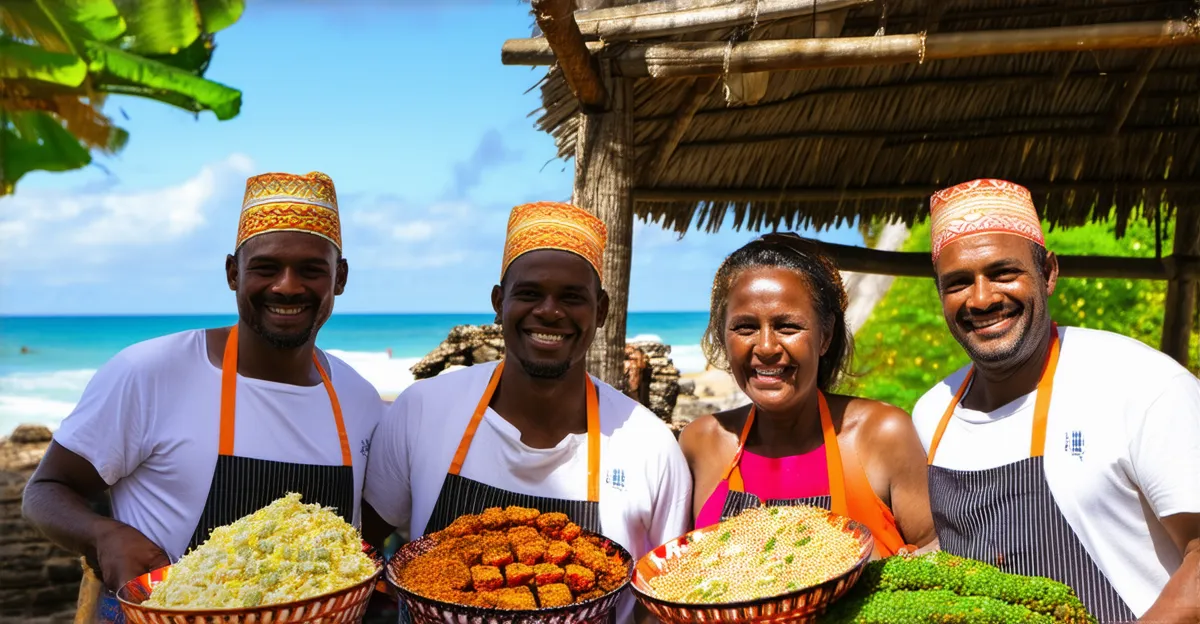
Lençóis, located in the heart of Bahia, Brazil, is not only known for its breathtaking landscapes but also for its rich culinary heritage. The town’s diverse cuisine reflects the cultural influences of indigenous, African, and Portuguese traditions, making it a must-visit for food enthusiasts. Join us on a delightful journey as we uncover the flavors that define Lençóis, from traditional dishes to enchanting food experiences, all waiting to be savored.
Key Takeaways
- Lençóis Bahia culinary tours provide a rich array of authentic flavors and experiences.
- Signature dishes like moqueca and acarajé highlight the town’s vibrant food culture.
- Visitors can engage in cooking classes and local markets to immerse in Bahian cuisine.
- Each meal tells a story, connecting visitors to the region’s rich history and diverse heritage.
1. Moqueca: A Taste of Bahia’s Rich Seafood Tradition
Moqueca is one of the most famous dishes representing Bahia’s rich culinary heritage. This delightful seafood stew combines fresh fish, shrimp, or shellfish with vibrant ingredients like tomatoes, onions, bell peppers, and garlic. The dish is traditionally cooked in a clay pot, which enhances the flavors and creates a unique aroma.
In addition, Moqueca is often enriched with *dendê oil*, a palm oil that gives it a distinctive color and flavor, as well as coconut milk that adds creaminess. The blend of spices also plays a vital role, often including coriander, cumin, and lime, making each bite a flavorful journey.
Pro Tip: Pair Moqueca with rice or farofa (toasted cassava flour) for a complete Bahian meal experience.
Where to eat: For an authentic taste of Moqueca, head to Restaurante do Senac in Lençóis, where the dish is prepared with local ingredients ensuring freshness and quality.
2. Acarajé: street food Delight and Cultural Symbol
Acarajé is not just a delicious street food; it is a cultural icon of Bahia. This deep-fried ball made from black-eyed peas is typically stuffed with spicy shrimp and served with a side of vatapá, a creamy paste made from bread, shrimp, and coconut milk. The crunch of the outside combined with the savory filling makes Acarajé a must-try.
Moreover, it is significant in Afro-Brazilian culture, often associated with festivals and religious ceremonies. The street vendors, known as *baianas*, skillfully prepare these snacks, offering visitors a true taste of local life.
Did you know? Acarajé is often eaten as an appetizer but can easily be enjoyed as a hearty meal!
Where to eat: For a fantastic Acarajé experience, visit Acarajé da Dinha in Salvador, one of the top spots recommended by locals.
3. Pato no Tucupi: A Unique local Speciality
⭐ Recommendation: Don't miss out on amazing Sao Paulo tours - book now!
Pato no Tucupi is a unique and flavorful dish that highlights Brazilian culinary creativity. This dish features duck cooked in tucupi, a yellow sauce extracted from the cassava root. The sauce is rich and slightly tangy, making it the perfect pairing for the tender duck.
This dish reflects the influences of indigenous Brazilian cuisine, making it an exciting addition to the Bahian culinary tours. Typically served with rice and jambu, a type of herb, Pato no Tucupi is a wholesome option beloved by locals.
Pro Tip: Don’t forget to drizzle some fresh lime over the dish to enhance the flavors!
Where to eat: One of the best places to enjoy Pato no Tucupi is at Restaurante Casa de Tereza, known for its authentic Bahian flavors and homey atmosphere.
4. Baiana Cuisine: Exploring Traditional Dishes
Baiana cuisine is a vibrant reflection of Bahia’s rich cultural heritage, deeply rooted in African, indigenous, and Portuguese influences. This unique culinary blend showcases bold flavors and diverse ingredients, highlighting the region’s access to coastal seafood and tropical produce. A signature feature of Baiana dishes is the use of dendê oil, a palm oil that adds a distinct taste and color to many meals.
One must-try dish is Vatapá, a creamy mix of bread, shrimp, coconut milk, and dendê oil, usually served with white rice. Equally popular is the Caruru, a thick okra stew with shrimp, spices, and nuts. These dishes exemplify the warmth and community spirit of Bahian cooking.
Pro Tip: When savoring Baiana cuisine, pair your meal with a refreshing agua de coco (coconut water) or the traditional caipirinha cocktail.
Where to eat: Experience authentic Baiana cuisine at Restaurante do Senac or Acarajé da Cira, both celebrated for their hearty portions and flavorful offerings.
5. Cooking Classes: Learn the Art of Bahian Cooking
⭐ Recommendation: Don't miss out on amazing Sao Paulo tours - book now!
For food enthusiasts, taking a cooking class during your visit to Lençóis, Bahia, is an enriching experience that enhances your understanding of local culinary traditions. These classes not only focus on traditional recipes like Moqueca and Pato no Tucupi but also offer insights into the ingredients that make Bahian cuisine unique.
While joining a cooking class, you’ll typically learn from seasoned chefs who share their passion for cuisine. Moreover, classes often include a visit to local markets, where you can select fresh produce yourself. This hands-on experience provides a deeper appreciation for the craftsmanship behind Bahian dishes.
Pro Tip: Look for classes that culminate in a shared meal, allowing you to enjoy the fruits of your labor!
Where to experience this: Check out classes at Instituto de Culinária da Bahia or Cozinha do Mundo for an unforgettable culinary journey.
6. Food Markets: Where Fresh Ingredients Meet Culture
Exploring food markets in Lençóis is a delightful way to immerse yourself in the local culinary scene. These vibrant spaces are teeming with fresh produce, spices, and street food vendors offering an array of flavors that define Bahian cuisine. You’ll find stalls brimming with tropical fruits like açaí, cachaça, and vegetable varieties that are essential for authentic cooking.
Among the must-visit places is the Mercado Municipal, known for its diverse offerings and local specialties. Here, vendors often welcome you to sample products and engage in friendly discussions about the ingredients and dishes.
Pro Tip: Don’t miss the chance to try freshly made snacks and drinks while strolling through the market!
By visiting these markets, you not only gather supplies for your culinary adventures but also connect with the local culture. It’s a food lover’s paradise you won’t want to miss!
7. Quero- Quero: Traditional Bahian Snacks
Quero- Quero represents a delightful aspect of Lençóis Bahia culinary tours, showcasing traditional Bahian snacks that are both savory and satisfying. These small bites are often enjoyed as an accompaniment to local drinks, making them a staple in the vibrant street food scene. One of the most common snacks is pão de queijo, a delicious cheese bread that is crusty on the outside and soft on the inside.
Another famed snack is carne do sol, sun-dried beef that is typically served with cassava or rice. Its rich flavor profile embodies the culinary traditions of Bahia. Additionally, Bolinho de Estudante, or Student’s Cake, is a popular sweet treat made from coconut and sugar, perfect for a quick pick-me-up while exploring.
Pro Tip: To fully enjoy these snacks, grab them from local vendors, as they usually prepare them fresh daily!
Where to eat: For an authentic experience, stop by Mercado Municipal de Lençóis, where you can find various Quero- Quero offerings. Other popular spots include Barraca do Bolo for sweet treats and Boteco da Bahia for savory snacks.
8. Desserts of Bahia: A Sweet Conclusion
No culinary tour of Bahia is complete without indulging in its famous desserts. Beijinho, a coconut-based sweet made with condensed milk, is a favorite among locals and visitors alike. It is often rolled in sugar and garnished with a clove, making for a tasty treat.
Another delightful option is Quindim, a shiny and vibrant yellow dessert made from coconut and egg yolks. Its smooth texture and rich flavor provide a perfect end to any meal. Furthermore, bolo de rolo, a rolled cake filled with guava paste, showcases the unique fusion of flavors found in Bahian cuisine.
Did you know? Many of these desserts feature local ingredients, reflecting Bahia’s agricultural bounty.
Where to eat: For the best Beijinho, visit Casa do Bolo, and for Quindim, head to Confeitaria da Baía, where traditional methods create exquisite confections.
9. Local Breweries: Crafting Bahian Beverages
⭐ Recommendation: Don't miss out on amazing Sao Paulo tours - book now!
Bahia boasts a thriving craft beverage scene that is worth exploring during your Lençóis Bahia culinary tours. One of the most popular drinks is cachaça, a distilled spirit made from sugarcane. It’s often used in cocktails like Caipirinha, a refreshing mix of cachaça, lime, and sugar, perfect for warm days.
In recent years, local breweries have emerged, crafting unique beers that reflect the region’s flavors. Look out for cerveja de rapadura, a beer made with local sugarcane molasses, which adds a distinctive sweetness. Additionally, many craft breweries offer tasting experiences, allowing you to sample a variety of flavors.
Pro Tip: Pair these beverages with local snacks for an unforgettable gastronomic experience!
Where to drink: Check out Doze Cervejaria for craft beers and Casa da Cachaça for an immersive experience with traditional cachaça.
10. Culinary Festivals: Experience Food Culture of Lençóis
Experiencing lençóis bahia culinary tours offers a fantastic opportunity to immerse yourself in the vibrant food culture of this region. Throughout the year, various culinary festivals are held that showcase the unique flavors and traditions of Bahian cuisine. These festivals attract both locals and tourists who come together to celebrate the rich culinary heritage of Bahia.
One of the most notable events is the Festivals of Gastronomy, where chefs and local cooks gather to present their best dishes. Here, you can sample traditional dishes, learn about local ingredients, and even watch cooking demonstrations. The lively atmosphere, combined with the enchanting sounds of Bahian music, creates a delightful experience for all.
Pro Tip: Don’t miss the chance to try different regional dishes, as each festival showcases specialties that reflect the local culture.
Other exciting events include the Salvador Food & Drink Festival, where street food vendors and gourmet chefs come together. You will find a variety of tastings, cooking competitions, and workshops that highlight the best of Bahian culinary traditions.
Whether you are a food lover or a culture enthusiast, the culinary festivals in Lençóis offer a perfect blend of both. So, mark your calendar and prepare your taste buds for an unforgettable experience!
Lençóis Bahia culinary tours offer an unforgettable journey through the region’s flavors, making every dish a celebration of its cultural heritage. Whether you’re savoring traditional seafood or learning how to cook local delights, Lençóis promises an extraordinary food adventure. Share your favorite dishes and plan your visit to join in this culinary celebration today!
Frequently Asked Questions
A: Lençóis is famous for its seafood dishes, especially moqueca, and cultural street foods like acarajé.
A: Moqueca, acarajé, and pato no tucupi are must-try delicacies when visiting the area.
A: Yes, local street food and casual eateries provide budget-friendly dining experiences.
A: Joining culinary tours, visiting local markets, and taking cooking classes are excellent ways to experience Lençóis’ food culture.
A: Yes, many restaurants in Lençóis offer vegetarian options made from local ingredients.
A: The best moqueca can be enjoyed at local seafood restaurants including [insert famous restaurant name].