
Kumamoto Cuisine: Discover Ramen Varieties
Dive into Kumamoto cuisine! Explore unique ramen varieties and other local dishes in this comprehensive guide for culinary enthusiasts.
On this page
Kumamoto cuisine is renowned for its rich flavors and distinctive dishes that reflect the heart of Kyushu’s culinary heritage. One of its most famous offerings is Kumamoto ramen, characterized by a unique blend of flavors and ingredients, making it a must-try for any food lover. This article delves into the various ramen varieties found in Kumamoto, highlighting local dining spots and food experiences that showcase the region’s vibrant food culture.
Key Takeaways
- Kumamoto cuisine showcases a variety of flavorful ramen options for all palates.
- Signature ramen varieties like tonkotsu and spicy ramen highlight the region’s food culture.
- local ramen shops offer authentic experiences while embracing modern twists.
- Cooking classes provide a great way to learn about Kumamoto’s ramen tradition.
1. Kumamoto Ramen: The Signature Bowl
Kumamoto ramen is a culinary gem loved by locals and visitors alike. This dish is known for its rich and savory flavor, which captures the essence of Kumamoto’s unique culinary landscape. Essentially, kumamoto ramen varieties highlight the use of creamy tonkotsu broth, made from slow-cooked pork bones. The result is a hearty dish that warms the soul.
Moreover, this ramen is typically served with thin, slightly curly noodles that perfectly complement the thick broth. Each bowl is often garnished with toppings that enhance its reputation. While enjoying this dish, you will notice that Kumamoto ramen often comes with a touch of garlic oil, known as mayu, which adds depth to the flavor profile.
Fun Fact: Kumamoto ramen has roots that can be traced back to the 1960s, and since then, it has evolved into a favorite dish across Japan.
When in Kumamoto, savoring a bowl of its signature ramen is essential for a complete culinary experience.
2. Tonkotsu Ramen: Rich and Creamy Delights
One of the defining features of Kumamoto ramen is its tonkotsu broth, which is thick, creamy, and packed with flavor. The process of making this broth involves boiling pork bones for several hours, releasing the rich oils and collagen that give it a unique texture. As a result, each bowl of tonkotsu ramen is a decadent experience that will please any palate.
In addition, the flavors are often enhanced with soy sauce or miso, making each slurp even more delightful. Many ramen shops also offer variations with additional toppings, which adds variety to the basic bowl. For instance, spicy miso tonkotsu ramen has gained popularity among those looking for something with a kick.
Tip: Don’t forget to customize your ramen with toppings to create your own signature bowl of tonkotsu ramen.
Overall, tonkotsu ramen is a must-try when exploring the delicious kumamoto ramen varieties.
3. Kumamoto’s Spicy Ramen Varieties
⭐ Recommendation: Don't miss out on amazing Kumamoto tours - book now!
If you’re a fan of the heat, Kumamoto offers a range of spicy ramen varieties that will satisfy your cravings. From the first bite, you will experience an explosion of flavors, with spiciness being a highlight. Kumamoto’s spicy ramen often incorporates chili oil, which gives it a fiery kick.
Additionally, many ramen shops add special house-made spicy pastes or ingredients like shichimi togarashi to elevate the heat even further. Although variations of spicy ramen exist, the combinations of flavors in Kumamoto create a unique experience unto itself.
Pro Tip: Ask your server for the spice level options if you’re unsure about how much heat you can handle.
Whether you prefer a light spice or a full-on fiery experience, Kumamoto’s spicy ramen varieties have something for everyone. Just make sure to bring your appetite!
4. The Unique Flavor of Garlic Oil in Kumamoto Ramen
One of the standout features of Kumamoto ramen varieties is the distinctive flavor of garlic oil. This aromatic oil is made by infusing various types of oil with garlic, creating a rich and savory addition to the ramen broth. The garlic oil enhances the overall flavor profile, giving each bowl a unique character and a delightful aroma.
Moreover, garlic oil serves not only as a seasoning but also as a finishing touch. It is often drizzled on top of the ramen just before serving, providing a modern twist to traditional recipes. Consequently, the taste is a perfect balance of creamy tonkotsu broth and the sharp, robust flavor of garlic.
Did you know? The use of garlic oil in Kumamoto ramen is influenced by the region’s strong culinary traditions and local preferences.
This ingredient is more than just flavor; it significantly enhances the ramen experience, making it a must-try for any ramen enthusiast visiting Kumamoto. Enjoying a bowl of Kumamoto ramen with garlic oil will surely leave a lasting impression.
5. local Toppings for Your Kumamoto Ramen
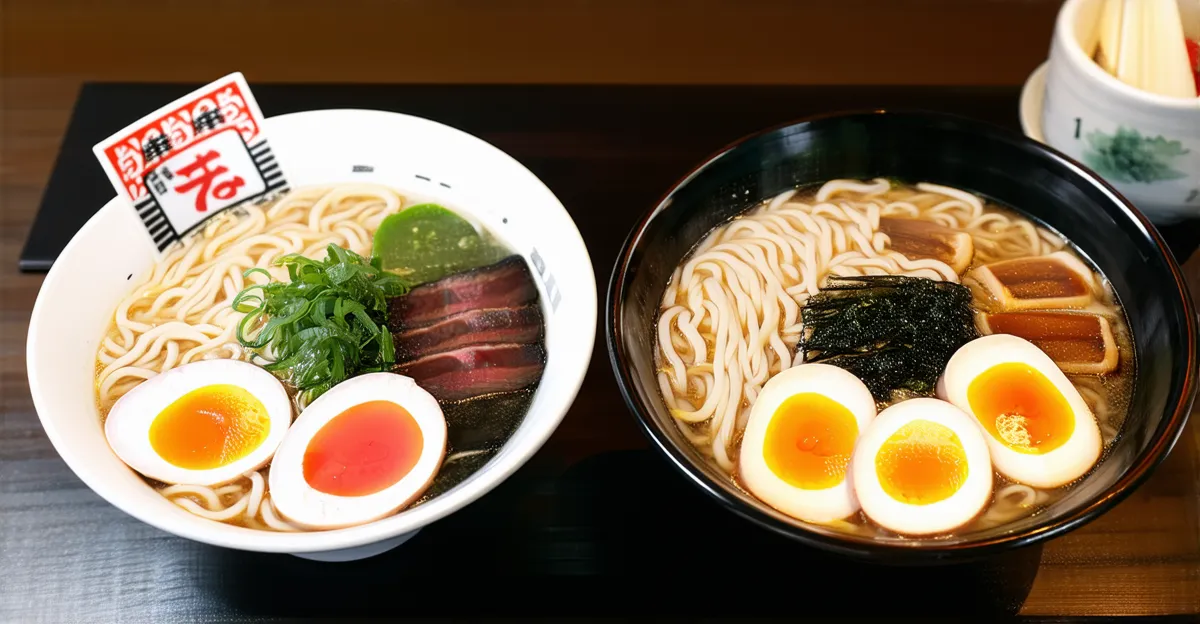
Kumamoto ramen varieties are known for their delicious toppings that elevate the dining experience. Some of the most popular local toppings include chashu (braised pork), menma (bamboo shoots), and green onions. Each of these toppings brings its unique texture and flavor to the bowl.
Moreover, a sprinkle of kimchi or a spoonful of spicy miso can add an extra kick to your ramen. These toppings not only enhance the taste but also make the dish visually appealing. Additionally, some shops offer boiled eggs marinated in soy sauce, adding creaminess to each bite.
Pro Tip: Experiment with different toppings to find your perfect flavor combination!
When you visit Kumamoto, don’t hesitate to mix and match toppings to customize your bowl of ramen. The local shops encourage creativity, making each visit a unique culinary adventure.
6. Where to Find the Best Ramen Shops in Kumamoto
⭐ Recommendation: Don't miss out on amazing Kumamoto tours - book now!
If you’re looking for the best spots to enjoy Kumamoto ramen, you’re in luck! This city is home to numerous ramen shops that proudly serve their own versions of this delicious dish. Start your journey at Shinshakuyaku Ramen, known for its rich tonkotsu broth and garlic oil finishing touch.
Another hotspot is Kumamoto Ramen Soku, frequented by locals for its incredible chashu pork and hearty servings. On the other hand, Ajisen Ramen offers a perfect blend of traditional and modern approaches, making it a delightful choice for ramen lovers.
| Restaurant Name | Notable Dish |
|---|---|
| Shinshakuyaku Ramen | Tonkotsu Ramen with Garlic Oil |
| Kumamoto Ramen Soku | Chashu Ramen |
| Ajisen Ramen | Traditional and Modern Ramen |
Be sure to explore these local ramen shops when in Kumamoto for an authentic taste of the vibrant ramen culture. Each restaurant offers something special, ensuring a memorable dining experience.
7. Ramen vs. Udon: A Kumamoto Culinary Comparison
When exploring Japanese cuisine, particularly in Kumamoto, many people wonder about the differences between ramen and udon. While both noodles are popular, they have distinct characteristics that make each unique. Ramen is made from wheat flour, which gives it a firmer and sometimes chewy texture. In contrast, udon noodles are thicker and softer, typically made from just wheat flour and water.
In Kumamoto, ramen often takes the spotlight due to its rich flavors and varieties. However, udon has its own charm with its ability to soak up various broths and sauces. If you enjoy a richer taste, ramen’s shrimp or pork stock options may satisfy your cravings. Alternatively, udon can lend itself to lighter dishes that focus on broth and vegetables.
Did you know? Ramen typically comes served in hearty broth, while udon is often enjoyed in dipping sauces or light soup.
Both noodle dishes offer delicious culinary experiences. Therefore, it is well worth trying both during your visit to Kumamoto. Don’t forget to explore local restaurants that feature either dish!
8. Vegetarian and Vegan Options in Kumamoto Ramen
While traditional Kumamoto ramen is often meat-based, there are growing vegetarian and vegan options available. Many establishments now offer vegetarian ramen, which features a rich broth made from vegetables and mushrooms, creating deep, satisfying flavors. Additionally, vegan options have become more popular as chefs explore plant-based ingredients.
To enhance the dining experience, expect to find toppings such as crispy seaweed, tofu, and seasonal vegetables. You might also encounter flavorful variations that add depth without animal products, such as miso and soy sauces.
Pro Tip: Check the menu for plant-based ramen options when visiting local eateries, as they can vary widely.
In Kumamoto, always ask the restaurant staff about specific vegetarian and vegan offerings. This openness leads to delightful discoveries that fit your dietary needs while enjoying the local cuisine.
9. Kumamoto Food Festivals: Taste Tour of Ramen Varieties
Kumamoto hosts several exciting food festivals that highlight the region’s rich culinary backdrop, especially its ramen varieties. These gatherings provide a unique opportunity to sample a wide range of dishes. Festivals often feature ramen stands representing various shops, allowing visitors to taste the best offerings in one place.
The Kumamoto Ramen Fair is a must-visit, showcasing not just local ramen dishes but also some unique interpretations from guest chefs across Japan. Furthermore, the festival atmosphere adds a vibrant touch as visitors indulge in delicious food while enjoying entertainment and cultural performances.
Fun Fact: Many ramen festivals offer limited-time dishes, giving foodies a chance to taste exclusive flavors!
Don’t miss these delicious experiences during your visit. Attending a food festival is an excellent way to discover the local ramen culture and perhaps even find your new favorite bowl!
10. The Art of Making Kumamoto Ramen at Home
Creating your Kumamoto ramen varieties at home can be an enjoyable and rewarding experience. The first step is to gather fresh and quality ingredients, as they are the backbone of this savory dish. Start with a rich tonkotsu broth, which is key to achieving that delightful creamy texture. This broth is typically made by simmering pork bones for hours, extracting the flavors that define Kumamoto ramen.
Next, consider your choice of noodles. They should be firm and slightly chewy to soak up the rich broth beautifully. You can find fresh ramen noodles at local Asian markets or even make them at home using wheat flour, water, and kansui (an alkaline mineral water essential for ramen).
Pro Tip: Make sure to prepare a flavorful garlic oil to drizzle over your ramen. The addition of this oil not only enhances the taste but also adds an aromatic touch.
When it comes to toppings, feel free to get creative. Some popular local options include sliced chashu (braised pork), green onions, pickled ginger, and even soft-boiled eggs. Finally, serve your homemade ramen hot, and enjoy a delicious bowl that brings the essence of Kumamoto right to your kitchen!
Kumamoto cuisine is a treasure trove for ramen enthusiasts eager to indulge in its unmistakable flavors and unique varieties. With dishes that cater for every taste, it invites you to explore its vibrant food scene. Join us by sharing your favorite ramen experiences or planning a culinary trip to Kumamoto today!
Frequently Asked Questions
⭐ Recommendation: Don't miss out on amazing Kumamoto tours - book now!
A: Kumamoto ramen is known for its rich tonkotsu broth and the addition of garlic oil, giving it a distinctive flavor.
A: Yes, some restaurants offer vegetarian broth and toppings for ramen lovers.
A: Popular ramen shops include ramen Hanamori and Shoya, celebrated for their rich flavors.
A: Participate in food festivals or local food tours that focus on ramen and other dishes.
A: Common toppings include chashu (roast pork), green onions, and kikurage (wood ear mushrooms).
A: It’s often not necessary, but peak hours can draw crowds, so arriving early is recommended.