
Khartoum Cuisine: Delve into Traditional Dishes
Discover Khartoum traditional dishes! Explore iconic meals, local dining experiences, and the vibrant flavors of Sudan’s capital in this foodie guide.
On this page
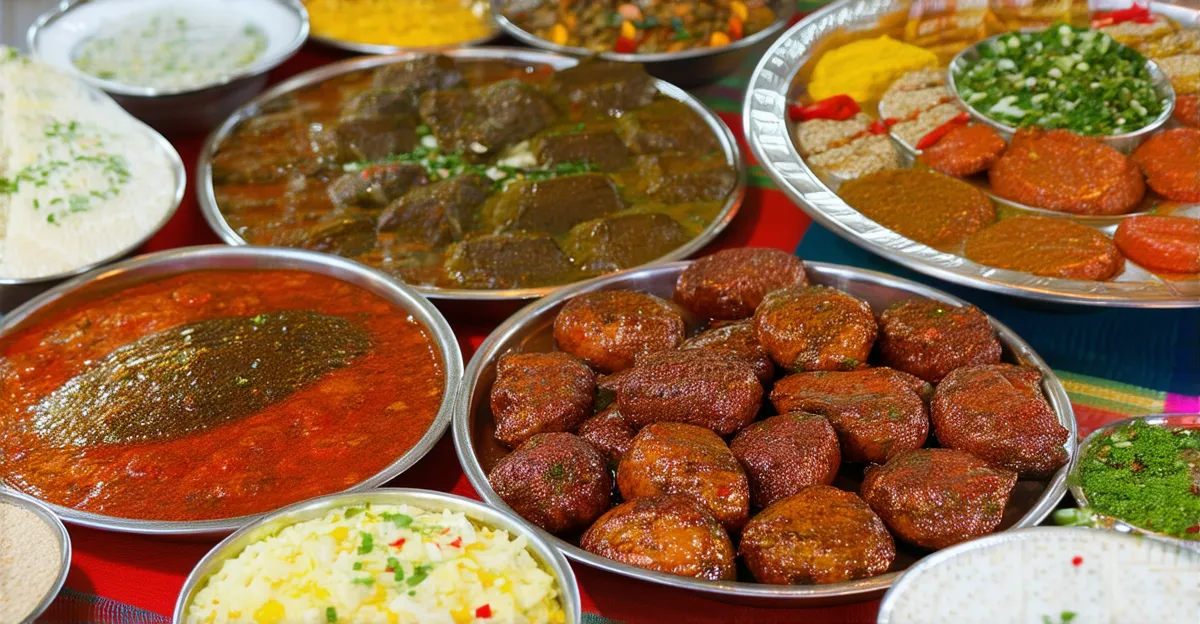
Khartoum cuisine reflects the rich cultural tapestry of Sudan, combining flavors, spices, and influences from North Africa and the Middle East. The capital boasts an array of traditional dishes that are not only delicious but also steeped in history. From hearty stews to tantalizing grains, every meal tells a story. Join us as we explore the must-try traditional dishes and culinary experiences that make Khartoum a true food lover’s paradise.
Key Takeaways
- Khartoum cuisine features a wide variety of traditional dishes rich in flavor and history.
- Signature meals like ful medames and kisra showcase Sudan’s unique culinary heritage.
- Dining in Khartoum encompasses everything from street food to home-cooked meals.
- The cultural significance of food in Sudan promotes community and connection among diners.
1. Ful Medames: Sudan’s Breakfast Staple
Ful Medames is considered one of the most beloved khartoum traditional dishes, particularly for breakfast. This hearty dish consists of fava beans that are slow-cooked until soft and infused with garlic, olive oil, and various spices. It’s often garnished with fresh herbs, diced tomatoes, and sometimes even a drizzle of lemon juice to enhance its flavors.
To prepare Ful Medames, beans are typically cooked overnight, allowing them to soak in rich flavors. This dish is not just filling; it provides a great source of protein and energy to start the day. Additionally, it’s served with a side of warm bread, making it an excellent way to enjoy every bite.
Did you know? Ful Medames is not only a staple in Sudan but has also gained popularity in many Middle Eastern countries.
Where to eat: To taste authentic Ful Medames in Khartoum, head to Al-Madina Restaurant or Bait Al-Sudan, both known for their delicious breakfast options.
2. Kisra: The Traditional Sudanese Flatbread
Kisra is another key component of khartoum traditional dishes that accompanies a variety of meals throughout the day. This fermented flatbread is made from sorghum flour, giving it a unique taste and texture. Its thin and slightly spongy nature makes it an ideal side for sauces and stews, soaking them up beautifully.
Typically, Kisra is made fresh daily and can be found in most local eateries. It adds a comforting element to any meal, whether served with stews, grilled meats, or spicy sauces. Additionally, Kisra is often enjoyed with a touch of spice or dipped into flavorful dishes, showcasing its versatility in Sudanese cuisine.
Pro Tip: Pair Kisra with Tagine or Mullah for the most authentic experience.
Where to eat: For the best Kisra in Khartoum, try Restaurant Al-Jazeer or Beit Al-Ahlam, where it is traditionally prepared with love.
3. Tagine: A Flavorful Sudanese Stew
⭐ Recommendation: Don't miss out on amazing Khartoum tours - book now!
Tagine represents a popular dish among khartoum traditional dishes, defined by its slow-cooking technique. This flavorful stew primarily consists of meat (often chicken or lamb) and a blend of vegetables, simmered together with an array of spices. The result is a mouthwatering dish that is both aromatic and hearty.
What sets Sudanese Tagine apart is its unique combination of herbs and spices, which can vary widely. Common ingredients include onions, garlic, ginger, and tomatoes, enhancing the dish’s rich, layered flavors. It is usually served with rice or Kisra, making it a filling and satisfying meal.
Fun Fact: The word ‘Tagine’ refers to both the dish and the earthenware pot used for cooking, which helps retain moisture and flavor.
Where to eat: For an excellent Tagine in Khartoum, visit Al-Mansour Restaurant or Shahrazad Restaurant, known for their traditional offerings.
4. Mullah: Authentic Sudanese Sauces
⭐ Recommendation: Don't miss out on amazing Khartoum tours - book now!
Mullah, a vital component of Khartoum traditional dishes, refers to a variety of authentic Sudanese sauces that elevate meals with their rich flavors. These sauces are usually made from a blend of vegetables and spices, simmered to create a smooth consistency. Common ingredients include tomatoes, green peppers, and locally sourced spices, resulting in a sauce that is both savory and often a bit spicy.
One popular mullah variant is Mullah Tamiya, which pairs perfectly with various dishes. This sauce brings warmth and comfort to meals, making it a staple in many Sudanese households. Additionally, mullah can be drizzled over main dishes, enhancing their flavors and providing a culinary experience unique to Sudan.
Pro Tip: To truly appreciate mullah, try it with traditional flatbread like kisra or alongside a plate of **ful medames**.
Where to eat: For an authentic mullah experience, visit Al-Attar Restaurant in Khartoum, where their mullah selections are praised by locals.
5. Dolma: Stuffed Vegetables with a Twist
Diversifying Susan cuisine, dolma are exquisite stuffed vegetables, often found on tables during significant celebrations and family gatherings. In Khartoum, dolma is typically made using ingredients like eggplant, peppers, and zucchini, which are hollowed out and filled with a delightful mixture of rice, minced meat, and an array of spices.
Unlike typical Mediterranean dolma, Sudanese versions have unique regional spices, giving them a distinct flavor profile. The dish is often served with a side of yogurt to balance the spices and add creaminess. Whether enjoyed during a feast or a casual meal, dolma represents a fusion of tradition and creativity in Khartoum traditional dishes.
Did you know? Some families have their secret dolma recipes that are passed down through generations, making each dish a cherished family heirloom.
Where to eat: Try dolma at Omdurman Restaurant, where they serve excellent homemade options beloved by locals.
6. Asida: A Unique Sudanese Dish for Festivals
Asida is a unique and culturally significant dish in Sudan, especially during festivals and special occasions. Made from a mixture of flour and water, asida has a smooth, sticky texture and is typically served warm. It is often accompanied by various sauces or stews, making it a versatile element of Khartoum traditional dishes.
This dish is not only filling but also symbolizes unity in Sudanese culture, as it is traditionally consumed with family and friends. It is usually eaten by hand, allowing eaters to savor the experience together. The texture of asida complements many rich sauces, especially the flavorful mullah, creating a delightful culinary experience.
Fun Fact: Asida can be flavored with ingredients like honey or spices for a sweet twist, and it is often enjoyed during celebrations.
Where to eat: For a taste of authentic asida, visit Al-Maha Restaurant, known for its traditional Sudanese dishes and festive atmosphere.
7. Dama: Savory Meat Options in Khartoum Cuisine
Dama is a traditional Sudanese dish that showcases the rich flavors of meat in Khartoum cuisine. Typically made with tender cuts of meat, such as beef or lamb, it’s often slow-cooked to enhance its flavor and tenderness. This dish is usually seasoned with a variety of spices, making it a hearty and appetizing option for meat lovers.
In many homes and restaurants, Dama is served with rice or kisra, allowing diners to enjoy the savory juices of the meat. It’s also common to accompany this dish with rich, spicy sauces known as mullah to bring out even more flavor. The balance of spices and the cooking technique truly reflect the essence of Khartoum traditional dishes.
Pro Tip: When enjoying Dama, pair it with a side of fresh salad for a refreshing contrast to the savory meat.
Where to eat: For an authentic taste of Dama, visit Al-Midan Restaurant, which is popular among locals for its traditional Sudanese food. Alternatively, Omdurman Restaurant is known for its Dama and warm atmosphere.
8. Basbousa: A Sweet Finale to Your Meal
⭐ Recommendation: Don't miss out on amazing Khartoum tours - book now!
Basbousa is a beloved dessert in Sudan and serves as a sweet finale to any meal. This traditional cake, made from semolina and soaked in sugar syrup, offers a delightful balance of sweetness and texture. It is often flavored with coconut or almonds, adding a nutty essence to the dish.
This dessert is not only popular in homes but also often found at festive occasions and gatherings. The spongy texture and syrupy top make Basbousa a perfect choice for those with a sweet tooth. It pairs beautifully with tea or coffee, enhancing the overall dining experience.
Did you know? Basbousa is sometimes served at special occasions and celebrations, making it a staple in Sudanese culture.
Where to eat: You can enjoy Basbousa at Al-Shat Restaurant, famous for its delicious desserts. Another spot is Café Linsanity, where you can experience a variety of Sudanese sweets.
9. Sudanese Spices: A Culinary Exploration
Sudanese cuisine is rich in flavors largely due to its diverse array of spices. When exploring Khartoum traditional dishes, you’ll find spices like cumin, coriander, and cardamom enhancing various recipes. These spices not only add depth but also promote a unique culinary identity.
In addition, local spice blends can be found, which are custom-made for particular dishes, elevating the flavor experience. The use of spices varies by region, reflecting the history and cultural influences that have shaped Sudanese cuisine.
Pro Tip: Don’t hesitate to ask locals about their favorite spice mixes to get authentic recommendations.
Exploring a Sudanese spice market can be an exciting way to discover these flavors. If you’re in Khartoum, visit the Khartoum Souk, where you can find a variety of spices and learn more about their uses in traditional Sudanese dishes.
10. Traditional Sudanese Hospitality: Dining Etiquette
When exploring Khartoum traditional dishes, understanding the dining etiquette enhances your culinary experience. In Sudan, food is not just a means of sustenance—it’s a way to connect with family and friends. Guests are treated with utmost respect, and sharing meals is a vital part of Sudanese culture.
Traditionally, meals are enjoyed communally. Guests often sit together on large mats or around a table. It is customary to eat with your right hand, as the left hand is considered unclean. Therefore, if you are new to this practice, taking some time to adapt will enrich your dining experience.
Pro Tip: If you are invited to a Sudanese home, it is polite to accept the invitation, as refusal might be taken as impolite.
Moreover, at the start of the meal, it’s customary to say Bismillah (in the name of God) before eating. After the meal, thanking your host is an appreciated gesture. In Khartoum, meals are a celebration, and the warmth of Sudanese hospitality is evident in the way food is prepared and shared.
By embracing these customs, you not only enjoy Khartoum traditional dishes to their fullest but also show respect for the rich culture that accompanies them.
Khartoum’s traditional dishes offer a feast for the senses, rich in flavor and heritage. Whether indulging in hearty stews, fresh flatbreads, or sweet delicacies, there’s a world of culinary delights to discover. Don’t hesitate to explore the vibrant food scene in Khartoum—your taste buds will thank you! Share your favorite dishes or plan your food journey to Khartoum!
Frequently Asked Questions
A: Khartoum is known for its variety of traditional dishes like ful medames and kisra, showcasing diverse flavors.
A: Ful medames, kisra, and tagine are some of the must-try dishes when visiting Khartoum.
A: Yes, many traditional dishes are plant-based, including kisra and various vegetable stews.
A: Visiting local markets, street vendors, and family-run restaurants offers an authentic taste of Khartoum’s food culture.
A: Popular eateries known for their kisra include [Local Restaurant Name], famous for its unique preparation.
A: Khartoum cuisine incorporates spices but is generally milder compared to other regions.