
Khartoum Cuisines: Savor Local Flavors and Dishes
Explore Khartoum cuisines featuring traditional dishes, vibrant street food, and unique dining experiences for every food lover visiting Sudan’s capital.
On this page
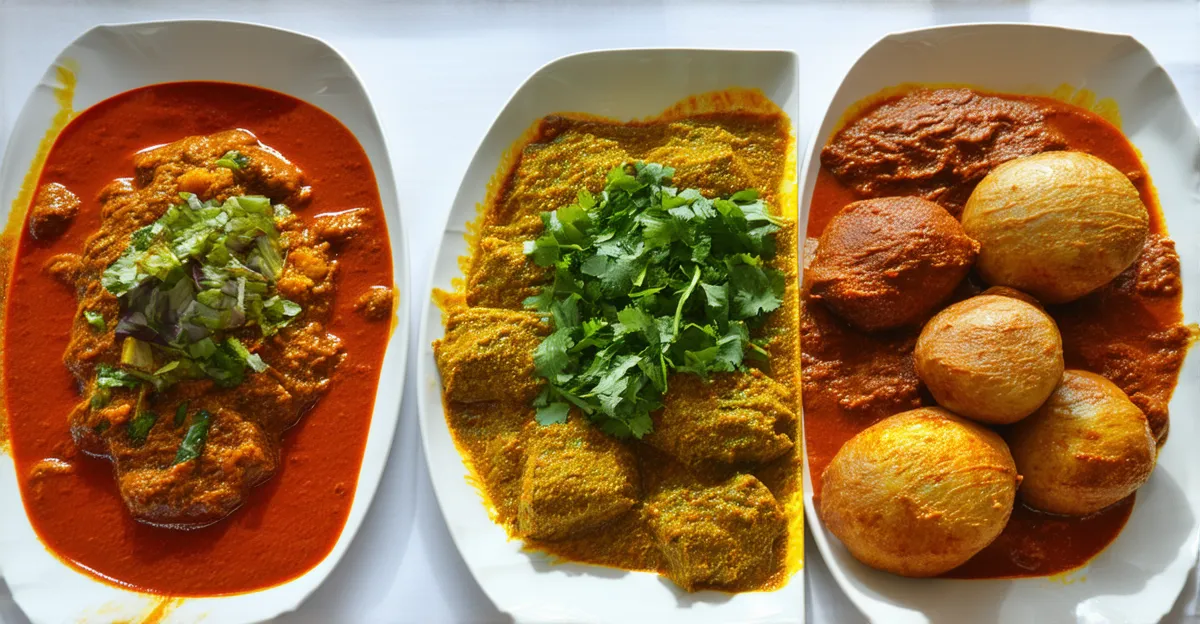
Khartoum cuisine is a delightful reflection of Sudan’s rich heritage and diverse culinary influences, blending flavors from the Middle East and Africa. Known for its warm hospitality and rich, hearty dishes, Khartoum offers food lovers an unforgettable gastronomic experience. Local specialties like ful medames, ta’amiya, and grilled meats await, showcasing the intricate balance of spices and fresh ingredients. Whether you are wandering the bustling markets or dining in cozy restaurants, the culinary scene in Khartoum is a must-explore for any traveler wishing to immerse themselves in Sudan’s culture.
Key Takeaways
- Khartoum cuisine offers a vibrant variety of local dishes freckled with unique flavors.
- Signature dishes like ful medames and ta’amiya exemplify the city’s food culture.
- From bustling street food markets to traditional restaurants, Khartoum caters to every dining preference.
- Experiencing food culture through local markets and shared meals enhances your visit to Khartoum.
1. Ful Medames: The Heart of Khartoum Breakfast
When it comes to Khartoum cuisines, no dish is more iconic than Ful Medames. This beloved breakfast staple is made from fava beans that are slowly cooked to perfection and seasoned with an array of spices. Often served warm, it is typically garnished with olive oil, chopped onions, and fresh tomatoes. This rich and hearty dish is not only satisfying, but it also provides a nutritious start to the day.
In many households, Ful Medames is enjoyed with a side of khubs (flatbread) or complemented by a hard-boiled egg. Additionally, you may find it spiced up with chili to add a vibrant kick. It’s a comforting meal that showcases the essence of Sudanese cuisine.
Did you know? Ful Medames is not just popular in Sudan; it has become a staple in many Arab countries, showcasing its widespread appeal.
Where to eat: For an authentic experience, try Al Zawya Restaurant in Khartoum, renowned for its delicious Ful Medames that will leave you craving more.
2. Ta’amiya: The Local Twist on Falafel
Another gem in the realm of Khartoum cuisines is Ta’amiya, which offers a unique twist on traditional falafel. Made from fava beans instead of chickpeas, Ta’amiya is seasoned with fresh herbs and spices, providing a delightful explosion of flavors. After being deep-fried to a golden brown, these crispy patties serve as a perfect snack or meal accompaniment.
Often served in a warm pita, this dish is complemented by an array of toppings such as tahini, pickles, and salad. This local variation is not only popular with locals but also beloved by visitors seeking an authentic taste of Sudanese street food.
Pro Tip: Don’t forget to pair Ta’amiya with a refreshing drink like kharoub (carob) juice.
Where to eat: Head to Al-Mu’azzam Restaurant to sample some of the best Ta’amiya in Khartoum, where they serve it fresh and piping hot!
3. Grilled Meats: Skewers of Flavor
⭐ Recommendation: Don't miss out on amazing Khartoum tours - book now!
Grilled meats hold a significant place in Khartoum cuisines, offering an array of flavors that cater to every meat lover. The popular choices include skewers of lamb, chicken, and beef, often marinated in a variety of spices to enhance their taste. The grilling process brings out a smoky flavor, making these dishes irresistible.
These savory skewers are often served with a side of salatet khoodra (vegetable salad) and warm bread, creating a perfect meal. Furthermore, the communal aspect of sharing grilled meats with family or friends adds to the dining experience.
Fun Fact: Grilled meats are commonly enjoyed during gatherings and celebrations in Sudan, symbolizing hospitality.
Where to eat: For a mouthwatering grilled meat experience, visit Gad Restaurant, known for its tender kebabs and inviting atmosphere that captures the essence of Sudanese hospitality.
4. Kisra: traditional Sudanese Bread
⭐ Recommendation: Don't miss out on amazing Khartoum tours - book now!
Kisra is more than just bread; it is the backbone of Khartoum cuisines and a symbol of Sudanese identity. Made primarily from fermented sorghum flour, kisra has a unique tangy flavor that sets it apart from other types of bread. It is often cooked on a clay griddle, resulting in a thin, flat pancake-like texture that is perfect for scooping up hearty stews or spicy dips.
This substantial bread serves as an essential side in numerous meals. Practically, it is traditionally eaten with dama, and many other dishes, providing a base that balances the rich flavors. Kisra is versatile; you can also find it served alongside grilled meats or stuffed as a wrap, catering to every taste and preference.
Did you know? Kisra is often made fresh daily, highlighting its significance in everyday food culture in Khartoum.
Where to eat: For authentic kisra, visit Al-Azhar Restaurant or Omdurman Restaurant, both famous for serving freshly made kisra paired with delicious local dishes.
5. Dama: Hearty Stews from Khartoum
Dama is a staple in Khartoum cuisines, reflecting the rich culinary tradition of the region. This hearty stew is usually made with a variety of meats, such as goat or lamb, slow-cooked with vegetables, spices, and sometimes, legumes. The result is a dish bursting with flavors and aromas that certainly warms the heart.
Dama can be paired perfectly with kisra, allowing diners to soak up the savory broth and enjoy the robust flavors. It is often enjoyed during gatherings and celebrations, symbolizing hospitality and community.
Pro Tip: For a rich and flavorful dama, look for establishments that take pride in traditional cooking methods.
Where to eat: To savor the best dama, head to Al Tazaj or Khartoum Family Restaurant, both known for their authentic Sudanese flavors and generous portions.
6. Kebab: Spiced Perfection on a Stick
Kebab holds a special place in the hearts of many who enjoy Khartoum cuisines. These skewers of marinated meat, whether lamb, beef, or chicken, are grilled to perfection, infused with a mixture of spices and herbs. The result is succulent, smoky meat that melts in your mouth, often served with a side of bread or salads.
Insider Tip: Opt for the side dishes like tahini or spicy dipping sauces to enhance your kebab experience.
Where to eat: For the best kebabs in Khartoum, try Al-Basha Kebab House or Kababji Restaurant, both celebrated for their delicious skewers and inviting atmosphere.
7. Shawarma: A Middle Eastern Favorite
Shawarma has become a beloved dish in Khartoum, offering a flavorful glimpse into Middle Eastern cuisine. Typically made from marinated meats, it is slow-cooked on a vertical rotisserie. The juicy, spiced meat is then shaved off and wrapped in pita bread, served with a sprinkle of fresh vegetables and sauces. Popular condiments include tahini, garlic sauce, and spicy chili sauce, which elevate the shawarma experience.
Moreover, shawarma can be customized to fit individual tastes, making it a versatile food option. Visitors often pair it with fried potatoes or pickles to add crunch. This dish is ideal for a quick meal on the go, yet it can also be enjoyed leisurely in a restaurant.
Pro Tip: Always ask for extra garlic sauce for that added zing!
Where to eat: One of the best spots to enjoy shawarma in Khartoum is Shawarma King, known for its generous portions and flavorful meat. Alternatively, try Al-Ghazala, renowned for its vibrant atmosphere and traditional recipe.
8. Sudanese Salads: Fresh and Flavorful
⭐ Recommendation: Don't miss out on amazing Khartoum tours - book now!
Sudanese salads are a vibrant and essential part of Khartoum cuisines. They are typically made with seasonal vegetables, herbs, and spices, bringing a burst of freshness to any meal. Key ingredients often include tomatoes, cucumbers, bell peppers, and onions. Dressing these salads with lemon juice, olive oil, or a touch of vinegar enhances their flavors, making each bite refreshing.
One popular salad is Salatat Khudra, which is made with a mix of chopped vegetables and often served alongside grilled meats. The crunchy textures and bright flavors offer a stark contrast to the heavier dishes often found in Sudanese meals. These salads not only complement main courses but also make for a light snack.
Did you know? Experimenting with local herbs like coriander can elevate these salads even further!
Where to eat: Visit Restaurant No. 1 for their signature salads, or head to Al-Manar for a fantastic selection of fresh, flavorful dishes.
9. street food: Tasting the Culture of Khartoum
street food in Khartoum offers an incredible way to experience the local cuisine and culture. Vendors line the streets, selling a variety of dishes that offer a taste of Sudanese life. From savory snacks to hearty meals, the options are endless. A popular choice is Gari,” a type of fried dough often served with spicy sauces that people love to snack on while walking.
Another must-try is the Ta’amiya, a local twist on falafel, made with green fava beans. These crispy patties are usually served in a pita with tahini sauce and vegetables. Also, don’t miss out on the sweet Asida, a traditional Sudanese dessert made with flour and served with honey or molasses.
Pro Tip: Street food is best enjoyed in the evening when the variety is at its peak!
Where to eat: Stroll through the bustling Souk Al-Joury for the best street food experience, or visit Al-Qasr Street, known for its lively food stalls.
10. Traditional Sudanese Sweets: A Sweet Ending
To finish off your culinary journey through Khartoum cuisines, indulging in traditional Sudanese sweets is a must. These delightful treats often combine simple ingredients to create a rich array of flavors that reflect the country’s diverse culture. One popular sweet is Basbousa, a semolina cake soaked in syrup and garnished with almonds. Its sweet and moist texture makes it a favorite among locals.
Another must-try is Asida, a smooth, doughy dessert made from flour and served with honey or syrup. This dish not only satisfies your sweet tooth but also offers a taste of Sudanese tradition. Additionally, Karakade (hibiscus tea) is often enjoyed with these desserts, providing a refreshing contrast to the sweetness.
Pro Tip: Be sure to try Halawa, a sesame sweet that is highly regarded in the region, often topped with crushed nuts.
Where to eat: For a great selection of traditional sweets, visit Abu Abdo Sweets or El-Khartoum Sweets Shop, where you can savor these delightful Sudanese delicacies. Enjoying these sweets provides not only a delicious ending to your meal but also a glimpse into the rich culinary heritage of Sudan.
Khartoum cuisine invites you to explore its rich tapestry of flavors and traditions. With its beautiful array of local dishes and warm hospitality, diving into the food scene is an essential part of your journey. Share your favorite Khartoum dish or plan your next culinary adventure today!
Frequently Asked Questions
A: Khartoum is known for traditional dishes like ful medames, ta’amiya, and a variety of grilled meats, which showcase its rich cultural heritage.
A: Must-try dishes include ful medames, kisra, dama, and traditional Sudanese sweets.
A: Yes, Khartoum offers numerous street food stalls and casual eateries that are budget-friendly.
A: Visiting local markets, joining food tours, and participating in communal meals are great ways to enjoy Khartoum’s food culture.
A: Yes, several vegetarian options like ta’amiya and fresh salads are widely available.
A: The best grilled meats can be found at popular roadside grills and local markets throughout the city.