
Khartoum Food Markets: A Culinary Journey
Discover Khartoum food markets and explore local dishes, vibrant street food, and authentic culinary experiences waiting in Sudan’s capital!
On this page
Khartoum food markets are a vibrant tapestry of aromas, colors, and flavors that reflect Sudan’s rich culinary heritage. The city’s food scene is a celebration of local ingredients and traditional cooking methods passed down through generations. From bustling marketplaces overflowing with spices to stalls serving up delectable street foods, Khartoum offers a feast for the senses. This guide explores the must-visit food markets and dishes that define the essence of Khartoum’s food culture, making it an essential destination for any food lover.
Key Takeaways
- Khartoum food markets showcase the rich flavors of Sudanese cuisine.
- Signature dishes such as kushari, falafel, and stews reflect local traditions.
- Both street food and market stalls offer affordable and delicious meal options.
- Visiting local food markets provides a deeper insight into Sudan’s culture.
- Coffee and sweets markets are a unique part of the culinary experience in Khartoum.
1. The Vibe of Khartoum Souq: A Culinary Bazaar
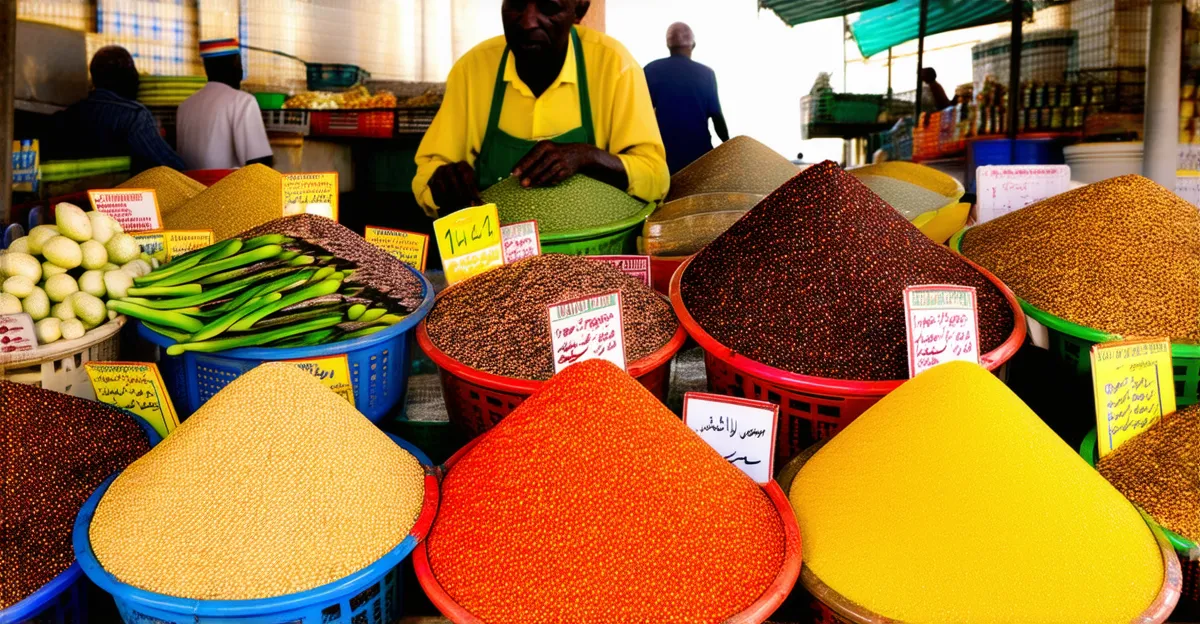
Khartoum Souq is an essential destination for food lovers exploring Khartoum food markets. It buzzes with energy, showcasing vibrant stalls filled with aromatic spices, fresh produce, and mouth-watering street food. As you stroll through the souq, you’ll be enveloped by the enticing aromas and colorful displays. This bustling market not only serves as a shopping hub but also a place where locals come together to share their love for food.
Transitioning from one stall to another, you’ll encounter friendly vendors eager to share their specialties. The sounds of lively chatter and haggling fill the air, creating a unique atmosphere that reflects Sudan’s rich heritage. Furthermore, the experience of tasting local produce, such as dates, fruits, and vegetables, is unmatched. These markets provide a genuine glimpse into the daily life of Khartoum’s residents.
Did you know? Khartoum Souq operates various evenings, making it the perfect night market for food enthusiasts.
If you want to truly appreciate Sudanese culture, visiting Khartoum Souq is a must. This culinary bazaar is bursting with flavors waiting to be explored.
2. traditional Sudanese Dishes You Must Try
When it comes to Khartoum food markets, the array of traditional Sudanese dishes is truly remarkable. One iconic dish is Ful Medames, a savory fava bean stew often served with bread. This hearty meal is both filling and nutritious. Another staple is Tagine, a slow-cooked stew, made with various meats and vegetables, simulating flavors that will linger long after the first bite.
Additionally, be sure to try Kisra, a traditional flatbread that pairs wonderfully with stews or dips. Many locals enjoy it with Shorbat Adas, a flavorful lentil soup. As you explore local eateries, don’t forget to try the spiced meat skewers known as Kebabs, which are grilled to perfection.
Pro Tip: Sample foods from multiple stalls to experience a variety of flavors and cooking styles that define Sudanese cuisine.
Traditional dishes serve as the heart of the culinary experience in Khartoum. It’s essential to taste these dishes to fully embrace the local culture.
3. Spice Souks: The Heart of Khartoum’s Cuisine
⭐ Recommendation: Don't miss out on amazing Khartoum tours - book now!
The spice souks in Khartoum are where the vibrant essence of local cuisine comes alive. Here, you can find an impressive selection of spices that are fundamental to Khartoum food markets. From aromatic cumin and coriander to colorful saffron and turmeric, each spice plays a crucial role in defining Sudanese flavors.
Wandering through the stalls, the rich fragrances envelop you. Local vendors are often happy to share their knowledge about spice blends and their uses in traditional cooking. Transitioning from one spice stall to another, you can witness firsthand how important these ingredients are in daily meals.
Moreover, spices are not just for cooking; they are integral to local customs and celebrations. For example, many Sudanese people believe that certain spices can enhance health and well-being. Therefore, visiting the spice souks is not just about shopping; it’s about understanding the culture.
Fun Fact: Have a chat with the vendors to learn about their recommended spice mixes for cooking.
In conclusion, the spice souks are a treasure trove for anyone looking to explore the flavors that define Khartoum’s cuisine. Make sure to include them in your culinary adventure!
4. street food Sensations: Tantalizing Bites in Khartoum
⭐ Recommendation: Don't miss out on amazing Khartoum tours - book now!
When it comes to experiencing Khartoum food markets, the street food scene is vibrant and buzzing with flavors. Street vendors line the bustling streets, offering a variety of tantalizing bites that highlight Sudanese culinary traditions. The most popular items include shawarma, a flavorful wrap filled with marinated meat, and kebab, grilled to perfection and often served with spicy sauces.
Another must-try street food is foul medammas, a savory bean dish seasoned with garlic, lemon, and olive oil. Additionally, you can grab a quick snack of sambusa, crispy pastries filled with spiced meat or vegetables. These dishes provide a unique opportunity to enjoy authentic flavors while immersing yourself in the local atmosphere.
Don’t miss the late-night street food hopping; this is when local vendors are most active and creative!
Many street food stalls can be found near popular markets like Souq Libya and Souq Khartoum, offering everything from savory bites to sweet treats. This culinary adventure caters to all tastes, ensuring a satisfying experience for every foodie.
5. Exploring the Fresh Produce Markets
The fresh produce markets in Khartoum are a feast for the senses, filled with vibrant colors and tantalizing scents. Fun and inviting, these markets showcase the bounty of Sudanese agriculture. You can find everything from juicy, ripe fruits like mangoes and bananas to a variety of vegetables that are essential in local dishes.
At the heart of these markets lies the Souq al-Malha, where spices and herbs are sold alongside fresh produce. Vendors offer highly aromatic spices which form the backbone of Sudanese cuisine. Aside from fresh ingredients, the markets create an opportunity to interact with locals and learn about indigenous products.
Pro Tip: Arriving early grants you access to the freshest options and the best deals!
Exploring these fresh produce markets is a fascinating experience. You will not only discover unique ingredients but also engage with the rich culture of Khartoum through its local food offerings.
6. Local Delicacies: Falafel and Ta’amiya
In the realm of Khartoum food markets, two local delicacies stand out: falafel and ta’amiya. While both of these dishes may resemble one another, slight variations distinguish them. Falafel is made from ground chickpeas, herbs, and spices, formed into small balls, and deep-fried until golden brown. In Sudan, it is commonly enjoyed in sandwiches or on its own as a snack.
On the other hand, ta’amiya is a beloved twist originating from fava beans, which makes it a distinct variation. It’s famed for its crispy exterior and soft inside. Vendors often serve both of these dishes with tahini sauce, fresh vegetables, and hot sauce, creating a delicious combination.
Make sure to try them both, as each bite offers a unique taste of Sudan!
You can find these delightful treats at various food stalls in places like Omdurman Market or near university campuses where students gather. Each visit to a Khartoum food market is essential for an authentic Sudanese culinary experience.
7. The Sweet Side of Khartoum: Desserts and Sweets
When exploring Khartoum food markets, one cannot overlook the delightful selection of desserts and sweets that reflect Sudan’s rich culinary heritage. A favorite among locals is Basbousa, a sweet semolina cake soaked in sugar syrup. This moist dessert is often topped with slivered almonds, adding a delightful crunch.
Another must-try is Kahk, a traditional sweet cookie typically enjoyed during festive occasions. These cookies are made with flour, butter, and powdered sugar, giving them a melt-in-your-mouth texture. Additionally, Asida is a popular choice, often served warm and accompanied by honey or date syrup, making it a sweet treat for all ages.
Pro Tip: Be sure to pair these desserts with a cup of strong Sudanese tea for a wholesome experience!
Where to eat: To indulge in the best of Khartoum’s sweets, visit Mogadishu Café or the bustling Almaltahim Souq, where local vendors offer a variety of traditional pastries and desserts.
8. Coffee Culture in Khartoum: A Must-Experience
⭐ Recommendation: Don't miss out on amazing Khartoum tours - book now!
The coffee culture in Khartoum is vibrant and steeped in tradition. Coffee is not just a drink here; it’s an experience. Sudanese coffee is often flavored with spices like cardamom and is served in small cups, which adds to its unique taste. Coffee ceremonies are common, where beans are roasted, ground, and brewed right in front of you!
Besides traditional coffee, you can also try Shahi, a special Sudanese brew that’s rich and aromatic. The act of drinking coffee is a social ritual that strengthens community ties, making it an essential part of the local culture.
Did you know? In Khartoum, coffee is often enjoyed alongside sweets, creating a delightful pairing that locals cherish.
Where to experience this culture: For an authentic coffee experience, visit Café Nuba or Al-Qasir, both of which offer a cozy ambiance and high-quality Sudanese coffee.
9. Dining Out: Recommended Restaurants in Khartoum
Khartoum boasts a variety of dining options that cater to different tastes, especially for those exploring Khartoum food markets. One standout restaurant is Assaha, which offers a mix of traditional Sudanese dishes and Middle Eastern cuisine. The ambiance is warm, making it perfect for family gatherings.
For a more upscale experience, consider dining at Corinthia Hotel Khartoum. Here, you can enjoy a mix of international and local dishes while overlooking the Nile River. Another favorite among locals is Gad Restaurant, which is particularly known for its grilled meats and hearty portions.
Pro Tip: Always ask the chef for daily specials; local ingredients often dictate what’s fresh and best to try!
Whether you fancy casual dining or a more deluxe experience, Khartoum has something for everyone to enjoy. Don’t miss your chance to explore these culinary gems!
10. Cultural Food Tours: Discovering Khartoum Flavors
For those eager to dive deep into the culinary world of Khartoum, joining a cultural food tour is an incredible way to discover the city’s food markets and flavors. These guided tours not only provide insight into the city’s vibrant food scene but also help you experience the local culture firsthand. Expert guides lead you through bustling markets, introducing you to traditional dishes and local delicacies that you might not find on your own.
During a typical tour, you may visit popular khartoum food markets, where you can sample fresh ingredients, fragrant spices, and delicious street foods. Moreover, you’ll learn about the stories behind each dish and how they play a role in Sudanese traditions. An added benefit is the opportunity to meet local vendors and artisans who are passionate about their culinary heritage.
Pro Tip: Don’t hesitate to ask your guide for their personal recommendations on the best spots to eat, as they often have insider knowledge.
Popular food tours often include stops at renowned eateries and marketplaces, allowing you to taste a variety of dishes such as kushari and ta’amiya. By the end of the tour, you’ll not only be filled with delicious food but also enriched with a deeper understanding of Khartoum’s culinary landscape.
Khartoum’s food markets provide an incredible opportunity to immerse yourself in the local culture and cuisine. From bustling souqs to tantalizing street food, the flavors of Khartoum reflect the heart and soul of Sudanese heritage. Whether you’re a seasoned traveler or a first-time visitor, these markets invite you to explore and indulge. Plan your culinary adventure in Khartoum and share your favorite food experiences!
Frequently Asked Questions
A: Don’t miss kushari, falafel, stews, and traditional breads when visiting Khartoum.
A: Explore the bazaars and markets where street vendors serve affordable and tasty food.
A: Yes, many food options are inexpensive, making it easy to sample a variety of dishes.
A: Respect local customs and be sure to greet stall owners politely before ordering.
A: Yes, many street food stalls offer vegetarian dishes, particularly lentil-based meals.
A: Be sure to try traditional Sudanese coffee and tea, which are popular and flavorful.