
Kanazawa Traditional Kaiseki: A Culinary Journey
Kanazawa traditional kaiseki unveils exquisite dishes and fresh ingredients. Discover the art of this multi-course dining experience in Japan.
On this page
Kanazawa cuisine is a beautiful reflection of the rich culture and natural bounty of Japan. Renowned for its traditional kaiseki, Kanazawa offers a unique culinary experience that emphasizes seasonal ingredients and meticulous presentation. This multi-course meal isn’t just about eating; it’s a celebration of art, flavor, and harmony that captivates every food lover. Journey with us as we explore the depth of Kanazawa’s culinary scene, highlighting local specialties, dining spots, and the artistry behind traditional kaiseki.
Key Takeaways
- Kanazawa traditional kaiseki is a unique dining experience that emphasizes seasonal ingredients.
- The presentation of each dish is carefully curated, reflecting the beauty of Japanese aesthetics.
- local restaurants in Kanazawa offer authentic kaiseki experiences crafted by skilled chefs.
- Many establishments provide vegetarian options to cater to diverse dietary preferences.
1. What is Traditional Kaiseki in Kanazawa?
Traditional kaiseki in Kanazawa is an exquisite multi-course dining experience that showcases the essence of Japanese cuisine. Originating from the tea ceremony, kaiseki has evolved into a sophisticated culinary art form. Each meal is carefully crafted, emphasizing seasonal flavors and the freshest local ingredients. A kaiseki meal is not just about the food; it’s an experience that engages all the senses, from taste to presentation.
In Kanazawa, kaiseki often utilizes ingredients sourced from the nearby Sea of Japan and the fertile lands of its countryside. As a result, dishes not only reflect the season but also the rich cultural heritage of the region. The delicate balance of flavors is achieved through meticulous preparation and craftsmanship.
Did you know? Many kaiseki chefs in Kanazawa have studied for years to perfect their skills.
Ultimately, enjoying traditional kaiseki in Kanazawa is about appreciating the artistry and philosophy behind each dish, making it a must-try for any food lover.
2. The Freshest Ingredients: Kanazawa’s local Produce
Kanazawa’s local produce plays a vital role in crafting traditional kaiseki meals. The region is known for its rich agricultural land, which produces a variety of vegetables, rice, and seafood. Seasonal ingredients are highlighted in each course, ensuring that diners enjoy the freshest flavors available. In the spring, for example, you might find tender bamboo shoots and fresh sakura shrimp gracing the kaiseki plate.
Additionally, Kanazawa boasts abundant seafood, including crab, sea bass, and oysters, sourced directly from the Sea of Japan. These ingredients are often prepared with great care to preserve their natural taste. By focusing on local and seasonal products, kaiseki in Kanazawa emphasizes harmony between food and nature.
| Season | Featured Ingredients |
|---|---|
| Spring | Bamboo shoots, sakura shrimp |
| Summer | Sea bass, cucumber |
| Autumn | Crab, mushrooms |
| Winter | Oysters, root vegetables |
3. The Experience of a Kaiseki Meal: What to Expect
⭐ Recommendation: Don't miss out on amazing Kanazawa tours - book now!
The experience of a traditional kaiseki meal in Kanazawa is nothing short of magical. Typically, a kaiseki meal consists of 7 to 15 small courses, each dish beautifully plated. Upon arrival, guests may be welcomed with a warm cup of tea, providing an immediate sense of comfort. As the meal progresses, each course is introduced with an explanation of its ingredients and significance, allowing diners to connect with the dish.
Expect to taste a variety of textures and flavors, as each course is designed to reflect the season and the chef’s creativity. From delicate sashimi to hearty hot pots, the menu changes depending on what’s fresh and available. Moreover, the dining atmosphere usually features minimalistic decor, ensuring that the focus remains on the food.
Pro Tip: Take your time to savor each dish and its presentation. A kaiseki meal is a celebration of nature, artistry, and flavors.
Overall, the kaiseki meal is not merely a dining experience; it is a cultural journey that invites you to appreciate the artistry of Japanese culinary traditions.
4. Seasonal Dishes in Kanazawa Kaiseki
In Kanazawa, traditional kaiseki is deeply tied to the seasons, showcasing the freshest ingredients nature has to offer. Each season presents a unique opportunity to enjoy dishes that are not only delicious but also visually stunning. For instance, during spring, you might indulge in sakura shrimp or shin’nen vegetables, which celebrate the blooming cherry blossoms. Summer often brings refreshing dishes featuring grilled fish and local vegetables, perfectly highlighting the bountiful harvests.
As autumn arrives, mushrooms and chestnuts take center stage, providing rich flavors that warm the soul. Finally, winter features hearty offerings like nabe (hot pot) sessions that include seasonal, locally sourced seafood. Each meal varies, allowing diners to experience the changing landscape of Kanazawa.
Pro Tip: Always ask your kaiseki chef about the seasonal specialties; this connection to nature elevates the dining experience.
These seasonal elements not only celebrate Kanazawa’s biodiversity but also enhance the overall essence of a traditional kaiseki meal.
5. Notable Kaiseki Restaurants in Kanazawa
When it comes to experiencing traditional kaiseki in Kanazawa, there are several notable restaurants that stand out. One of the renowned establishments is Kyoto Kaiseki Jiro, which is celebrated for its impeccable service and beautifully arranged dishes. Another must-visit is Furan, known for both its elegant interior and innovative take on traditional flavors.
For an authentic experience, Komatsu offers a cozy atmosphere where diners can enjoy seasonal ingredients. Additionally, Jikoen is famous for its expertly crafted meals that reflect the culinary artistry of Kanazawa. Most of these restaurants require reservations, so planning ahead is highly recommended.
Did you know? Dining at these establishments not only treats your taste buds but also offers a glimpse into Kanazawa’s rich culture.
Each restaurant promises a unique kaiseki experience, focusing on quality ingredients and meticulous presentation.
6. The Art of Presentation in Kaiseki Cuisine
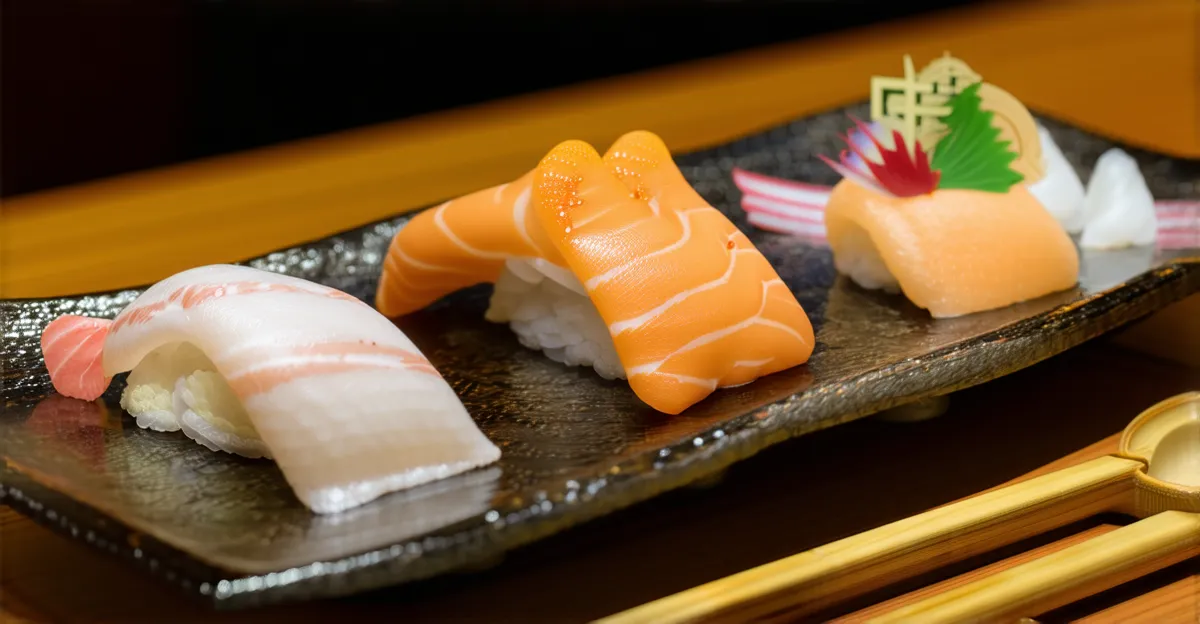
The art of presentation is a crucial aspect of traditional kaiseki in Kanazawa. Each dish is thoughtfully arranged, creating a tableau that appeals to the eyes as much as to the palate. The use of seasonal dishes complements this theme, where colors and textures balance harmoniously. For example, vibrant greens from newly-sprouted vegetables are often paired with the delicate white of fish, creating a stunning contrast.
Furthermore, the choice of tableware also plays a significant role. Artisans craft the plates, bowls, and utensils, enhancing the dining experience while reflecting the aesthetics of nature. Sometimes, even the serving environment is designed to evoke specific feelings or memories.
Pro Tip: Pay attention to the arrangement as each detail tells a story about the season and culture of Kanazawa.
This exquisite attention to detail ensures that every kaiseki meal is not merely a feast but an artistic performance on a plate.
7. Pairing Sake with Kanazawa Kaiseki
⭐ Recommendation: Don't miss out on amazing Kanazawa tours - book now!
When enjoying Kanazawa traditional kaiseki, pairing it with sake can elevate the entire dining experience. Sake is Japan’s iconic rice wine, and its diverse flavors complement the subtle nuances of kaiseki dishes beautifully. To enhance your meal, consider the flavor profiles of both the sake and the dishes being served.
In general, lighter, delicate kaiseki offerings go well with junmai sake, which is pure rice sake with a clean taste. On the other hand, richer, umami-packed dishes might pair wonderfully with a junmai ginjo, which adds fragrant and fruity notes. Transitioning to dessert, a sweet sake like nigori can be a delightful finish.
Pro Tip: Ask your kaiseki chef for recommended pairings; they often have unique selections that elevate the meal.
By thoughtfully selecting your sake, you not only enhance the flavors of your Kanazawa traditional kaiseki but also immerse yourself in the area’s culinary culture. This complete sensory experience is essential during your visit to Kanazawa.
8. Exploring the History of Kaiseki in Kanazawa
The history of kanazawa traditional kaiseki is deeply intertwined with the region’s cultural heritage. Originally, kaiseki emerged as a light meal served during the Japanese tea ceremony. However, it gradually evolved into a multi-course meal emphasizing seasonal ingredients and exquisite presentation.
In Kanazawa, the art of kaiseki further reflects the city’s historical significance and prosperity during the Edo period. The local samurai class influenced its refinement and elaborate presentation. Interestingly, as Kanazawa developed an array of fresh produce and seafood due to its geographical location, these ingredients became key components of the kaiseki experience.
Did you know? Kanazawa is often referred to as Japan’s “little Kyoto,” due to its rich cultural legacy and excellent cuisine.
Today, kaiseki in Kanazawa remains a testament to the city’s historical journey and the importance of honoring local traditions and ingredients. Thus, enjoying kaiseki is not just a meal; it is a delightful dive into Kanazawa’s rich history.
9. Vegetarian Kaiseki: A Delightful Option
For those seeking a vegetarian experience, Kanazawa traditional kaiseki has adapted to offer delightful options. Vegetarian kaiseki showcases the region’s abundant plant-based produce while honoring the multi-course dining format. This cuisine emphasizes creativity and balance, providing a unique interpretation of traditional kaiseki.
Vegetarian kaiseki often includes beautifully prepared seasonal vegetables, tofu, and garnishes. These dishes celebrate the rich flavors of local ingredients, from the earthy taste of root vegetables to the vibrant freshness of greens. Furthermore, chefs meticulously focus on seasonality and presentation, making each dish a visual delight.
Pro Tip: Inform your restaurant of dietary restrictions when booking, as many establishments will gladly cater to vegetarian preferences.
Ultimately, vegetarian kaiseki in Kanazawa is a delightful journey for food enthusiasts, as it offers a new perspective on this historic culinary tradition, making it accessible to all diners.
10. Participating in a Kaiseki Cooking Class
⭐ Recommendation: Don't miss out on amazing Kanazawa tours - book now!
One of the best ways to fully appreciate Kanazawa traditional kaiseki is by participating in a cooking class. These classes offer an immersive experience that connects you with the rich culinary heritage of the region. You will not only learn how to prepare a variety of kaiseki dishes but also gain insight into the philosophy and techniques behind this exquisite cuisine.
Typically, classes begin with an introduction to the essential ingredients used in kaiseki. As you dive into the cooking process, you’ll explore how to balance flavors and textures. Most importantly, classes emphasize the importance of presentation, which is a significant aspect of kaiseki. Many instructors share tips on how to serve dishes beautifully, making them a feast for the eyes as well as the palate.
Pro Tip: Don’t hesitate to ask questions during the class; it’s a valuable opportunity to learn from chefs who are passionate about their craft.
Where to learn: Consider joining a class at Kanazawa Cooking School or Hana-Chaya, where experienced chefs guide you through traditional techniques. These classes are typically hands-on, allowing you to create dishes that you can later replicate at home.
Kanazawa traditional kaiseki offers a remarkable culinary experience, inviting diners to savor the essence of seasonal flavors and artful presentation. Whether you’re a seasoned fan of Japanese cuisine or discovering it for the first time, Kanazawa’s kaiseki is not to be missed. Start planning your culinary adventure and share your favorite kaiseki dishes with fellow food enthusiasts!
Frequently Asked Questions
A: Kanazawa traditional kaiseki primarily focuses on seasonal ingredients, emphasizing freshness and harmony in flavors.
A: Must-try dishes can include sashimi, pickled vegetables, grilled fish, and seasonal soups.
A: Yes, some restaurants offer lunch specials or simpler kaiseki menus that are more budget-friendly.
A: Absolutely! Many establishments provide vegetarian menus or can accommodate dietary requests.
A: Yes, it’s advisable to book in advance as popular kaiseki restaurants can fill up quickly.
A: Sake is a common pairing, with many restaurants offering a selection to complement the meal.