
Jeju-si Cuisine: Must-Try Traditional Dishes
Dive into Jeju-si traditional dishes! Discover local favorites like black pork, seafood, and hidden culinary gems that showcase the island’s unique flavors.
On this page
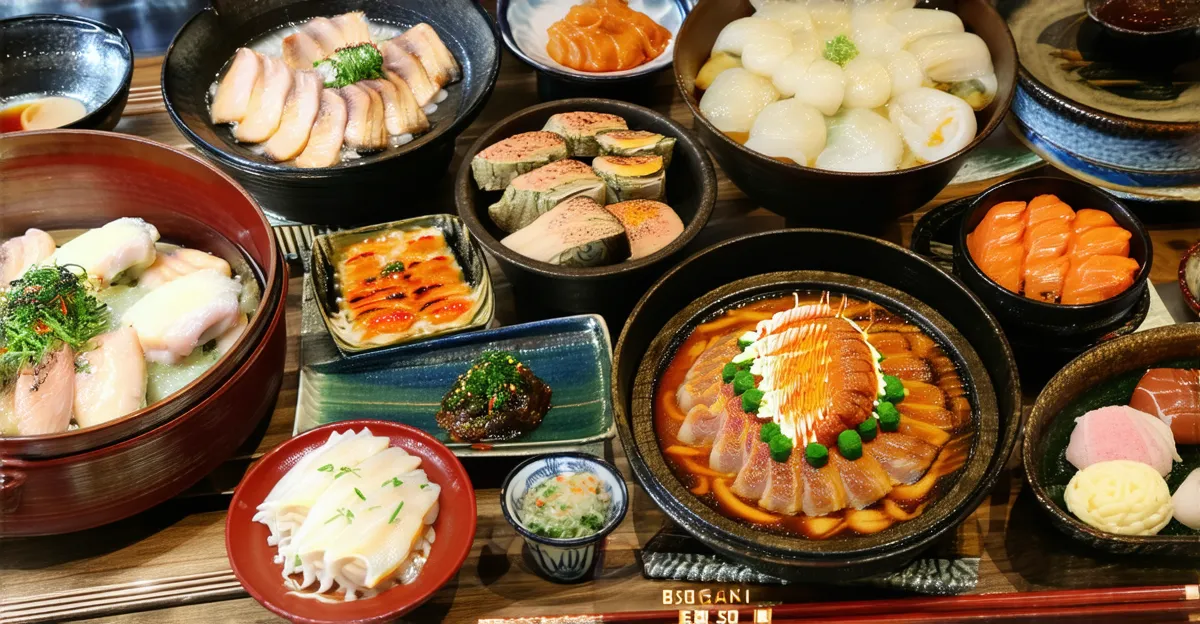
Jeju-si cuisine is a vibrant amalgamation of rich flavors, fresh ingredients, and unique local traditions that reflect the island’s culture and natural bounty. Known for its breathtaking landscapes and diverse offerings, Jeju-si stands out for its traditional dishes that tantalize the taste buds. From the famous Jeju black pork to fresh seafood delicacies, this guide unravels the must-try culinary experiences that make Jeju-si a paradise for food lovers.
Key Takeaways
- Jeju-si cuisine showcases a diverse array of traditional dishes rich in flavor.
- Signature dishes like black pork and seafood highlight the island’s gastronomy.
- local markets offer fresh ingredients that contribute to the island’s food culture.
- Dining in Jeju-si ranges from casual street food to traditional restaurants with family recipes.
1. Jeju Black Pork: A Culinary Icon
When talking about Jeju-si traditional dishes, one cannot overlook the famous Jeju Black Pork. This dish is not only a local delicacy but also a source of pride for the island’s culinary scene. The pork comes from black pig breeds that are unique to Jeju, ensuring a rich, savory flavor. Often grilled or used in barbecues, it is tender and juicy, ideal for a mouthwatering dining experience.
Additionally, the meat is typically enjoyed with a variety of side dishes that enhance its flavors. Diners usually pair it with fresh vegetables and spicy sauces, making for a fulfilling meal. Moreover, many restaurants serve it with Sesame Salt, which adds a delightful crunch.
Pro Tip: Don’t miss out on experiencing the traditional Korean barbecue method when you try Jeju Black Pork – it’s an experience unlike any other!
Where to eat: For the best Jeju Black Pork, visit Daeji Gukbap, renowned for its authentic flavors. Another great choice is Heuk Dwaeji Restaurant, which specializes in expertly grilled black pork.
2. Haemul Pajeon: seafood Pancake Perfection
Haemul Pajeon is a delightful pancake that showcases the bounty of Jeju’s coastal waters. This thin, crispy seafood pancake is packed with various fresh ingredients, including squid, shrimp, and green onions. Its texture is both crunchy on the outside and soft on the inside, making it a satisfying dish.
Moreover, Haemul Pajeon is often served with a soy sauce-based dipping sauce, which adds an extra layer of flavor. It’s not only a popular appetizer but also a favorite among locals for snacks or light meals. The combination of seafood with the pancake creates a burst of flavors that is simply irresistible.
Did you know? Haemul Pajeon is particularly enjoyed on rainy days in Korea, making it a perfect comfort food!
Where to eat: For an authentic Haemul Pajeon, head to Jeju Haemul Pajeon, where the pancakes are made fresh daily. Sunset Restaurant is another excellent spot, known for their delicious variations of this dish.
3. Gogi Guksu: Jeju’s Flavorful Noodle Soup
💡 Pro Tip: Book your Seoul adventures in advance through Viator for the best deals!
Another hallmark of Jeju-si traditional dishes is Gogi Guksu, a savory noodle soup that is both hearty and comforting. This dish features handmade wheat noodles served in a rich broth, typically made from simmered pork bones or beef. The tender meat adds depth of flavor, making each bowl satisfying and warm.
Furthermore, Gogi Guksu is garnished with fresh vegetables and sometimes topped with an egg, enhancing both its visual appeal and taste. It is a go-to comfort food for many locals, especially during colder months.
Pro Tip: Pair your bowl of Gogi Guksu with a side of Korean kimchi for an authentic dining experience!
Where to eat: To enjoy a bowl of the best Gogi Guksu, visit Guksu Nara, where the noodles are made fresh. Jeju Old Town Restaurant also offers a fantastic rendition that locals swear by.
4. Jeonbokjuk: Abalone Porridge Delight
One of the standout offerings in Jeju-si traditional dishes is Jeonbokjuk, a delightful abalone porridge that warms both the body and soul. This comforting dish features tender pieces of abalone, known for their rich flavor and chewy texture, cooked into a creamy rice porridge. The porridge is usually seasoned with sesame oil and sprinkled with green onions, maximizing its freshness.
Eating Jeonbokjuk is more than just a meal; it’s an experience, especially when enjoyed in the chilly coastal air of Jeju. Additionally, this dish is often served during special occasions or as a soothing remedy for ailments, showcasing its cultural significance.
Did you know? Jeonbokjuk is considered a health food in Korea, rich in nutrients, making it a perfect choice for those looking to indulge healthily.
Where to eat: If you’re eager to try this exquisite dish, head to Jinju Sikdang or Abalone House in Jeju City, both known for their exceptional Jeonbokjuk.
5. Ojingeo Bokkeum: Stir-fried Squid Specialty
Ojingeo Bokkeum, or stir-fried squid, is another highlight of Jeju-si traditional dishes. This dish combines fresh squid with a bold mix of vegetables, often including onions, carrots, and bell peppers, all stir-fried in a spicy gochujang (Korean chili paste) sauce. The result is a vibrant, flavorful dish full of colors and textures.
Ojingeo Bokkeum is typically served with a side of steamed rice, making it a hearty meal that is loved by locals and visitors alike. The combination of tender squid and the spicy sauce creates a mouth-watering experience that you won’t easily forget.
Pro Tip: Pair Ojingeo Bokkeum with a cold Korean beer for a delightful meal.
Where to eat: For the best Ojingeo Bokkeum, check out Cheonjiyeon Seafood Restaurant or Kimchi House, both of which are known for serving this popular dish.
6. Jeju Citrus: A Flavorful Twist in Every Bite
💡 Pro Tip: Book your Seoul adventures in advance through Viator for the best deals!
Jeju Island is famous for its citrus fruits, particularly the Hallabong and Cheonhyehyang. These fruits are not only delicious but also embody the unique flavor profile of Jeju’s volcanic soil and climate. The Hallabong, in particular, is known for its sweet and juicy flesh, which bursts with flavor in every bite.
Using citrus in dishes adds a refreshing twist that elevates traditional recipes. For example, you’ll find citrus garnishes on various meals—from seafood dishes to spicy stews—enhancing their taste with a zesty kick. Additionally, Jeju’s citrus fruits are often transformed into jams, desserts, and even beverages, showcasing their versatility.
Did You Know? Jeju’s citrus fruits are a popular gift item, with beautifully packaged varieties available for purchase at markets and stores.
Where to eat: To enjoy dishes made with Jeju citrus, visit Seogwipo Citrus Exchange or Citrus Café to sample delightful citrus-inspired treats and dishes.
7. Galchi Jorim: Braised Beltfish Staple
Galchi Jorim is a beloved dish that captures the essence of Jeju-si traditional dishes. This braised beltfish is cooked with a rich sauce made of soy sauce, garlic, and gochugaru (Korean red pepper flakes). The result is a flavorful and spicy dish that is both comforting and satisfying. The beltfish, known for its firm texture and mild flavor, absorbs the savory seasoning beautifully.
Furthermore, it’s often served with a side of steamed rice, making it a popular choice for both locals and visitors. The dish not only highlights the region’s seafood but also showcases Jeju’s culinary traditions.
Pro Tip: Pair Galchi Jorim with a chilled glass of soju for a delightful dining experience.
Where to eat: You can find an authentic Galchi Jorim at Jangseong Jip, a local eatery famous for its traditional preparations.
8. Bibimbap: Jeju’s Unique Take on a Classic
While bibimbap is a popular dish throughout Korea, Jeju-si has its own unique version that incorporates the island’s local ingredients. This colorful dish features a bed of warm rice topped with an assortment of fresh vegetables, meats, and often a fried egg. Jeju’s bibimbap is uniquely enhanced with local seafood or even Jeju’s famous black pork, offering a different flavor profile compared to the traditional Gyeongju style.
Moreover, it is usually served with gochujang, a spicy red pepper paste, which gives it an extra kick. Each ingredient reflects the natural abundance of Jeju, making it a must-try.
Did you know? Mixing the ingredients together enhances the flavor, creating a delicious harmony of textures.
Where to eat: For the best bibimbap in Jeju, head to Geumneung Seo Haebak, known for its fresh and locally sourced components.
9. Jeju Tofu: The Soft Delicacy of the Island
Jeju Tofu is more than just a simple byproduct of soybeans; it’s a cherished part of Jeju-si traditional dishes. The tofu is known for its creamy, soft texture and is often prepared fresh, giving it a unique taste that is distinct from ordinary tofu. Locals appreciate this island delicacy for its health benefits and versatility in cooking.
Typically, Jeju tofu is enjoyed in stews or served with soy sauce and sesame oil as a simple side dish. Its delicate flavor pairs well with a variety of ingredients, making it a favorite among both vegetarians and meat lovers alike.
Pro Tip: If you get the chance, try it in a hot pot for a warming and nutritious meal.
Where to eat: You can enjoy Jeju Tofu at Tofu House, which specializes in using local produce and traditional methods.
10. Traditional Jeju Desserts: Treats to Savor
Jeju-si, with its rich culinary heritage, also offers a delightful selection of traditional desserts. These sweet treats are often made with local ingredients, highlighting the island’s unique flavors. One must-try dessert is Hallabong Tteok, a rice cake flavored with Jeju’s famous Hallabong orange. The cake is soft, chewy, and offers a refreshing citrus taste that leaves a satisfying sweetness in your mouth.
Another popular dessert is Jeju Gamgyul Cheong, a delicious syrup made from Jeju oranges. This syrup can be enjoyed drizzled over pancakes or used as a sweetener for tea. Furthermore, visitors should taste Injeolmi, chewy rice cakes coated in powdered soybean flour, often served with a side of honey for dipping.
Pro Tip: Don’t miss the chance to try patbingsu, a Korean shaved ice dessert that incorporates local red beans and seasonal fruits.
Where to eat: For a truly authentic experience, stop by Jeju Dongmun Traditional Market, where you can find a variety of traditional desserts. Also, Olleh Street features several cafes that serve delightful Jeju sweets, including Hallabong-flavored desserts.
Exploring Jeju-si cuisine is a delightful journey through the island’s rich culinary heritage. Each dish tells a story of tradition and natural abundance, inviting you to explore flavors that are both authentic and memorable. Don’t miss the chance to indulge in the unique dishes that make Jeju-si a must-visit destination for food enthusiasts. Share your culinary experiences and plan your next food adventure on this beautiful island!
Frequently Asked Questions
💡 Pro Tip: Book your Seoul adventures in advance through Viator for the best deals!
A: Jeju-si is famous for its black pork, fresh seafood, and unique ingredients like mandarins.
A: Must-try dishes include Jeju black pork, haemul pajeon, and abalone porridge.
A: Yes, some restaurants offer vegetarian dishes made with local vegetables and tofu.
A: Visit local markets, join food tours, and try cooking classes to immerse yourself in the cuisine.
A: Head to the Dongmun Market and coastal restaurants for the freshest seafood options.
A: Prices vary, but there are affordable dining options available at local eateries.
A: Mandarin juice and local Jeju soju are popular beverages to accompany meals.