
Hualien Indigenous Cuisine: A Culinary Journey
Discover Hualien indigenous cuisine, a vibrant fusion of flavors, traditions, and culinary experiences unique to Taiwan’s indigenous cultures.
On this page
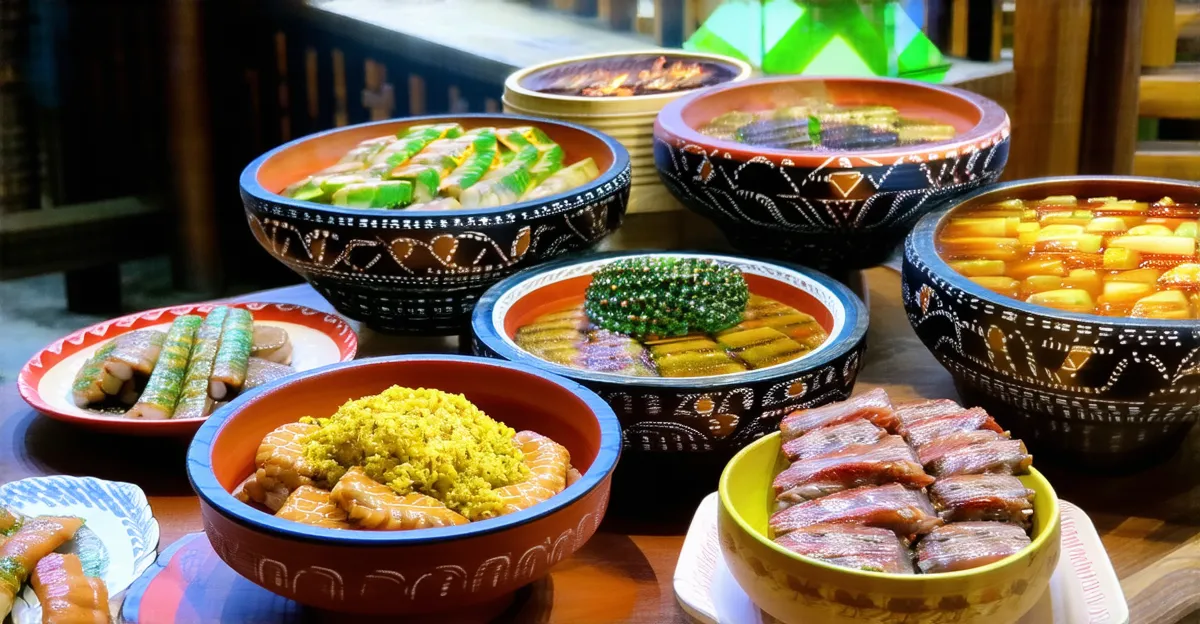
Hualien indigenous cuisine is a remarkable tapestry of flavors, deeply rooted in the traditions and cultures of Taiwan’s indigenous peoples. With an abundance of fresh ingredients sourced from the lush landscapes of the East Coast, this culinary journey offers a unique insight into the region’s rich heritage. From traditional hunting and gathering practices to modern culinary interpretations, Hualien’s indigenous food scene captivates adventurous palates. Explore local dishes, wild herbs, and traditional cooking methods that highlight the harmony between nature and culture, making it a must-experience for any food lover.
Key Takeaways
- Hualien indigenous cuisine is a blend of nature and culture, utilizing local and seasonal ingredients.
- Signature dishes such as bamboo rice and wild game meat epitomize the region’s culinary richness.
- Indigenous food festivals showcase time-honored traditions and innovative interpretations of native flavors.
- Participating in community meals offers an immersive insight into the culture and communal ethos of the indigenous peoples.
1. Traditional Ingredients of Hualien Indigenous Cuisine
Hualien indigenous cuisine is deeply rooted in tradition, utilizing ingredients that reflect the rich biodiversity of the region. Major components include local grains, wild herbs, and seasonal vegetables. Common grains include millet, taro, and sweet potatoes, which have sustained indigenous communities for generations.
The use of wild herbs is particularly significant, as these plants not only add flavor but also medicinal properties. Many dishes incorporate ingredients like wild garlic and indigenous spices that are foraged from the land.
Did you know? Many Hualien indigenous dishes feature ingredients harvested from the surrounding mountains and forests, emphasizing a deep connection to nature.
This reliance on traditional ingredients not only supports local ecosystems but also plays a crucial role in preserving the culinary heritage of the indigenous peoples. Visitors to Hualien will find dishes that speak to the land’s flavors and its people’s history, offering an unforgettable culinary experience.
2. Wild Game Meat: A Taste of Tradition
One of the standout features of Hualien indigenous cuisine is the use of wild game meat. The indigenous tribes have historically depended on hunting for sustenance, and this practice continues today as a vital aspect of their culinary culture. Game meats such as deer, wild boar, and various birds are commonly prepared in traditional dishes.
These meats are often marinated with local herbs, resulting in rich and distinctive flavors. For example, grilled wild boar is a local favorite, showcasing the natural taste of the meat while enhancing it with earthy seasonings. Moreover, the preparation methods often involve traditional techniques like smoking or roasting over open fires.
Pro Tip: If you’re seeking an authentic experience, look for local festivals where wild game meat is prepared and served in traditional ways.
With every bite, diners can savor the history and practices of the indigenous cultures of Hualien, making wild game meat a true taste of tradition.
3. Bamboo Rice: The Flavor of Nature
🎯 Insider Tip: Discover the best Hualien experiences with Viator Tours!
Bamboo rice is a cherished delicacy in Hualien indigenous cuisine, with its preparation reflecting the region’s deep-rooted connection to nature. It is made by cooking rice inside hollow bamboo tubes, allowing the grains to absorb the natural flavors of the bamboo, often enhanced with aromatic herbs and spices.
This method not only infuses the rice with a unique taste but also produces a delightful texture—fluffy and slightly sticky. Typically served during special occasions and gatherings, bamboo rice symbolizes harmony with the environment and the importance of communal cooking.
Did you know? Bamboo rice is often enjoyed during traditional feasts, where families come together to share in the experience of cooking and eating.
Visitors to Hualien can try this dish at local eateries or during indigenous festivals. It’s a culinary experience that reflects the traditions and values of the indigenous peoples, making it a must-try for any food lover exploring Hualien.
4. Indigenous Herbal Dishes: Nature’s Pharmacy
Hualien indigenous cuisine is known for its strong connection to nature, particularly through the use of local herbs. These dishes not only provide flavors but also carry medicinal benefits, making them a vital part of the local diet. For instance, wild herbs such as sweet fern and pulleyweed are commonly used in various recipes. They are believed to have healing properties that promote wellness.
Common herbal dishes often include stews and soups, where these herbs are combined with meat or fish to create flavorful, nutritious meals. Additionally, the presentation of these dishes is often simple, showcasing the vibrant colors and textures of the ingredients.
Pro Tip: Trying herbal dishes not only offers a unique taste experience but also connects you to the indigenous perspective on natural wellness.
Where to eat: For a genuine experience of herbal dishes, visit Aboriginal Style Cuisine in Hualien, where you can taste traditional recipes infused with local herbs, or head to Tribal Plate for a contemporary take on indigenous flavors.
5. The Art of Makking: Fermented Flavors
🎯 Insider Tip: Discover the best Hualien experiences with Viator Tours!
Makking, or fermentation, plays a crucial role in Hualien indigenous cuisine, offering depth and complexity to various dishes. This traditional method not only preserves food but also enhances flavor profiles through natural processes. Commonly fermented items include vegetables, fish, and even meats, resulting in unique tastes that are both tangy and rich.
One popular fermented dish is fermented mound fish, typically served with rice or as a standalone side. It brings with it a complex umami flavor that is loved by both locals and visitors alike.
Did you know? Fermentation has been practiced by indigenous communities for centuries as a means of food preservation, especially in the dense forests of Hualien.
Where to eat: For a taste of makking, visit Sweet Potato Restaurant, renowned for its fermented specialties, or Tribal Fusion for innovative dishes utilizing traditional fermentation techniques.
6. Hualien Indigenous Food Festivals: Culinary Celebrations
Hualien is celebrated for its vibrant indigenous food festivals that showcase the rich culinary heritage of the local tribes. These festivals are not just about food; they are cultural events filled with music, dance, and traditional crafts. One of the most famous festivals is the Harvest Festival, held annually to give thanks for the bounty of nature.
During these celebrations, visitors can savor a variety of indigenous dishes, such as wild game meats, bamboo rice, and various herbal delicacies. Additionally, attendees often participate in cooking competitions, where local chefs demonstrate traditional recipes.
Note: Visiting Hualien during a food festival allows you to engage directly with the community and learn more about their culinary traditions.
Where to eat: For festival-themed experiences, keep an eye on local event calendars. Alternatively, check out Indigenous Cuisine Hub for festival-style dishes year-round.
7. Unique Cooking Techniques: From Earth Ovens to Fire Pits
Hualien indigenous cuisine showcases unique cooking techniques that reflect the rich cultural heritage of the indigenous people. Among these methods, the use of earth ovens and fire pits stands out. Earth ovens provide a slow-cooking method, utilizing the earth’s natural heat to enhance flavors. This technique often involves wrapping ingredients in leaves and burying them in the ground, where they cook for many hours, resulting in tender, flavorful dishes.
Moreover, fire pits are another traditional method, where meats and vegetables are roasted over open flames. This not only infuses a robust smoky flavor but also creates a communal atmosphere as families gather around to enjoy their meals. The preparation is often accompanied by vibrant storytelling and cultural exchanges, making it a cherished ritual.
Did you know? The art of cooking in earth ovens is often taught to younger generations, ensuring that these indigenous cooking techniques continue to thrive.
These methods of cooking not only offer unique tastes but also symbolize a connection to nature, highlighting the indigenous peoples’ respect for their surroundings.
8. Traditional Drinks: Refreshing Herbal Teas and More
In Hualien, drinks play a crucial role in the culinary experience, with traditional options often derived from local herbs and plants. Herbal teas are particularly popular, made from a variety of indigenous herbs known for their health benefits. For instance, wild mountain tea is renowned for its refreshing qualities, providing both hydration and a burst of flavor.
Another unique beverage is the fermented fruit wine, made from locally sourced fruits like passionfruit and berries. This drink not only complements traditional meals but also offers a taste of local craftsmanship. Furthermore, traditional rice wine, often served during celebrations, embodies the spirit of Hualien’s indigenous culture.
Pro Tip: Make sure to sample the herbal teas served during meals; they often have stories and therapeutic properties tied to them.
These traditional drinks enhance the overall dining experience, making them an essential part of Hualien indigenous cuisine.
9. The Role of Community in Hualien Indigenous Cuisine
🎯 Insider Tip: Discover the best Hualien experiences with Viator Tours!
The essence of Hualien indigenous cuisine extends beyond the food itself—it is deeply rooted in the community’s way of life. Cooking and sharing meals are seen as acts of togetherness, strengthening bonds within families and tribes. Celebrations and feasts bring everyone together, where traditional dishes are prepared collectively.
Furthermore, these culinary practices are often tied to important rituals and festivals, reinforcing cultural identity. Every dish tells a story, preserving the history and heritage of the indigenous people. Community kitchens become a space for knowledge sharing, where elders pass down recipes and cooking techniques to younger generations.
Did you know? Many traditional recipes are considered sacred and are crafted with specific rituals during community gatherings.
The communal aspect of Hualien indigenous cuisine not only fosters a sense of unity but also preserves the cultural significance of the dishes, making it an integral part of life in Hualien.
10. Must-Visit Dining Spots for Authentic Indigenous Cuisine
When exploring the culinary landscape of Hualien, indulging in Hualien indigenous cuisine is a delightful journey. Here are some recommended dining spots where you can experience authentic dishes deeply rooted in local tradition.
- Tribal Restaurant – This eatery is known for its commitment to using traditional cooking methods and ingredients. It offers a variety of indigenous dishes, including wild game meat and bamboo rice, in a warm and inviting atmosphere.
- Aji’s Indigenous Cuisine – Aji’s specializes in meals prepared with natural and locally sourced ingredients. Their menu changes seasonally, showcasing the best of Hualien’s produce, along with delightful traditional drinks.
- Qingshui Village – Not only known for its scenic views, this village features several small eateries run by local tribes. Here, you can taste homemade herbal dishes and unique preparations from earth ovens.
- Aboriginal foods – Located in the heart of Hualien, this restaurant highlights the richness of indigenous culture through its culinary offerings. Expect dishes rich in flavor that tell a story of the land and its peoples.
Visiting these spots can enhance your experience, allowing you to savor the rich tapestry of flavors that characterize Hualien indigenous cuisine. So, grab your friends and family, and embark on a culinary adventure through Hualien!
Hualien indigenous cuisine offers an extraordinary glimpse into the traditions and culinary practices of Taiwan’s indigenous peoples. With its focus on fresh, local ingredients and time-honored cooking techniques, it provides a dining experience that is both authentic and memorable. Let your taste buds embark on a journey through the flavors of Hualien, and don’t forget to share your own experiences and favorite dishes with fellow food enthusiasts!
Frequently Asked Questions
A: Ingredients reflect the indigenous peoples’ connection to nature, using what is locally sourced and traditional.
A: Must-try dishes include bamboo rice, wild boar, and various herbal dishes.
A: Yes, the Hualien Indigenous Peoples’ Day and other local festivals celebrate traditional cuisines.
A: Visit local restaurants, join guided food tours, or attend cultural workshops.
A: Yes, many indigenous dishes embrace a variety of vegetables and herbs, providing excellent vegetarian choices.
A: Yes, there are cooking classes available that focus on traditional indigenous foods and techniques.