
Hiroshima Food Tours: Taste the Best Local Delicacies
Discover Hiroshima food tours that showcase local delicacies, from okonomiyaki to seafood and street food delights in this culinary guide.
On this page
Hiroshima food tours offer a unique opportunity to immerse yourself in the rich flavors and cultural heritage of this vibrant city. Renowned for its delicious okonomiyaki, fresh seafood, and intriguing street eats, Hiroshima has something for every palate. Whether you’re a seasoned foodie or a curious traveler, these tours provide invaluable insights into local dining traditions and specialties. In this guide, we will explore the must-try dishes and top dining spots that make Hiroshima a culinary haven.
Key Takeaways
- Hiroshima food tours present a spectrum of local flavors that reflect the city’s history and culture.
- Okonomiyaki, made with diverse ingredients, is a must-try dish when visiting Hiroshima.
- The city’s fresh seafood, particularly anago, is a delicacy that attracts many food enthusiasts.
- street food tours offer a casual and lively way to discover local cuisine and hidden gems.
1. Okonomiyaki: Hiroshima’s Culinary Icon
When it comes to Hiroshima food tours, one dish stands out as the city’s iconic culinary treasure—Okonomiyaki. This savory pancake is made from a batter of flour, eggs, and shredded cabbage, layered with various fillings such as pork, seafood, and cheese. The unique twist in Hiroshima’s version is the use of noodles, adding a delightful texture that sets it apart from its Osaka counterpart.
Date back to the post-war period, Okonomiyaki has evolved into a beloved comfort food. Its name translates to “grilled as you like it,” highlighting the dish’s customizable nature. Most restaurants allow you to choose your preferred ingredients, making it a fun and interactive dining experience.
Pro Tip: Try visiting a local Okonomiyaki restaurant where you can watch chefs prepare your meal right in front of you.
To truly appreciate this dish, consider joining a guided tour that focuses on Okonomiyaki, allowing you to discover the best spots in Hiroshima. Restaurants like Okonomi-mura and Shirakawa are highly recommended for their authentic flavors.
2. Fresh seafood Experiences in Hiroshima
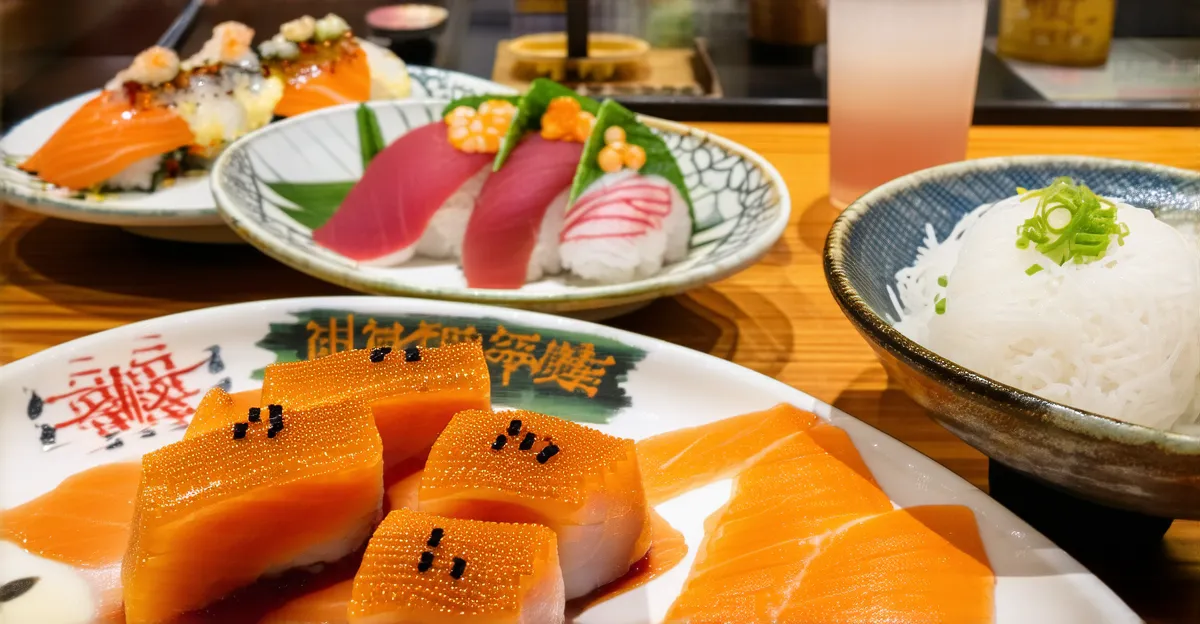
Another highlight of Hiroshima food tours is the opportunity to indulge in fresh seafood. Surrounded by the Seto Inland Sea, Hiroshima is famous for its bountiful catches of fish and shellfish. Popular seafood dishes include sashimi, grilled fish, and seafood rice bowls, providing a true taste of the ocean.
One can visit the local markets, such as Hiroshima Fish Market, to enjoy the freshest catches of the day. Seafood lovers should try the famous Hiroshima oysters, known for their rich flavor and succulent texture. These are often served raw, grilled, or baked with toppings.
Did You Know? Hiroshima’s oysters are harvested from the bay and are regarded as some of the best in Japan.
Don’t miss out on the chance to join a seafood tour or cooking class to learn the secrets of preparing these delicious ingredients. It’s a fantastic way to immerse yourself in Hiroshima’s culinary culture.
3. Exploring Hiroshima’s street food Scene
💡 Pro Tip: Book your Hiroshima adventures in advance through Viator for the best deals!
The street food scene in Hiroshima is vibrant and full of flavors that reflect the city’s rich history. From sweet to savory, there’s something to tantalize everyone’s taste buds. A must-try street food item is the kakigori, a refreshing shaved ice dessert topped with colorful syrups, perfect for cooling off in the hot summers.
Additionally, yakiimo, or baked sweet potatoes, is a popular snack enjoyed by locals. Stalls selling these comforting treats can be found throughout the city, particularly during the autumn months. As you stroll along the bustling streets, keep an eye out for other local delights like korokke (Japanese croquettes) and takoyaki (octopus balls).
Pro Tip: Pair your street food adventures with a visit to Hiroshima’s lovely parks or historic sites for a delightful experience.
For the ultimate street food experience, consider joining organized food tours that guide you through the best stalls and hidden gems across Hiroshima.
4. Cultural Significance of Hiroshima Cuisine
💡 Pro Tip: Book your Hiroshima adventures in advance through Viator for the best deals!
The cuisine of Hiroshima is deeply tied to its cultural heritage and historical events. After the devastation of World War II, the city transformed itself. This resilience is reflected in its vibrant food scene. Notably, Okonomiyaki, a savory pancake, symbolizes Hiroshima’s ability to blend tradition with innovation.
Furthermore, local dishes often highlight fresh, locally sourced ingredients. As a result, many culinary practices in Hiroshima are rooted in seasonal availability. This connection to the land enhances the dining experience and reflects the city’s identity.
Fun Fact: Hiroshima’s food culture is celebrated in annual festivals, where local chefs showcase their skills and traditional dishes.
Moreover, sharing meals plays a crucial role in the social fabric of Hiroshima. Families and friends gather to enjoy meals together, fostering a sense of community. This cultural significance makes exploring Hiroshima food tours an enriching experience as they narrate stories of hope, recovery, and community.
5. Sake Tours: Discovering Local Brewing Tradition
When visiting Hiroshima, a sake tour is essential for an authentic experience of local brewing traditions. Hiroshima is renowned for its high-quality sake, often made with pure water from nearby mountains. This unique water enhances the brewing process and contributes to the distinct flavor of the sake.
There are numerous sake breweries offering insightful tours. During these tours, visitors can witness the meticulous brewing process, learn about the ingredients used, and understand the art of sake production. Moreover, many breweries provide tasting sessions, allowing visitors to sample various types of sake.
Pro Tip: Don’t hesitate to ask brewery staff questions. They love sharing their passion for sake!
Additionally, joining a sake tour gives visitors an understanding of how sake is intertwined with local culture and celebrations. For a comprehensive experience, consider visiting Fukubijin or Kamotsuru, both of which offer enlightening sake tours.
6. Anago (Sea Eel): A Sublime Hiroshima Delicacy
Among the array of culinary delights, Anago, or sea eel, stands out as a must-try dish in Hiroshima. Revered for its tender texture and rich flavor, Anago is often grilled or served slowly simmered in a savory broth. The preparation methods highlight the quality of fresh seafood available in the region.
One of the most popular ways to enjoy Anago is in a sushi form or a rice bowl, which is specially prepared to accentuate its taste. This delicacy is typically paired with a dash of soy sauce or a sprinkle of wasabi, enhancing its natural flavors.
Did you know? Anago is often considered a healthier alternative to other types of eel due to its lower fat content.
For an authentic experience, visitors can try Anago at restaurants like Anago Meshi Ueno or Yasuda, both of which specialize in uniquely crafted Anago dishes. Partaking in Hiroshima food tours will lead you to these hidden gems where culinary traditions flourish.
7. Hiroshima’s Traditional Sweets and Confectionery
When it comes to sweets, Hiroshima is home to some delightful traditional confectionery. One must-try sweet is Momiji Manju, a maple leaf-shaped cake filled with red bean paste. This delectable treat is a symbol of Hiroshima and makes for a perfect souvenir. Another notable delight is Hiroshima’s Kaki no Tane, which consists of crunchy rice crackers often paired with peanuts, making it a popular snack.
In addition to these, don’t miss out on Wagashi, traditional Japanese sweets that vary by season. These sweets are often beautifully crafted and designed to reflect nature. Whether you’re enjoying a matcha (green tea) experience or tasting sakura (cherry blossom) flavors, Hiroshima’s confectionery is truly a feast for the senses.
Pro Tip: Enjoying these sweets with a cup of matcha gives a delightful balance of flavors and enhances the tasting experience.
Where to indulge: Head to Ueno Confectionery for authentic Momiji Manju or visit Takashimaya to explore a variety of local sweets.
8. Local Markets: A Food Lover’s Paradise
💡 Pro Tip: Book your Hiroshima adventures in advance through Viator for the best deals!
Exploring Hiroshima’s local markets is a thrilling experience for food lovers. Markets like Hiroshima Chuo Wholesale Market and Okonomi-mura play a central role in showcasing the city’s diverse food culture. In these bustling markets, you’ll find fresh produce, seafood, and an array of artisanal products, all ripe for tasting.
While strolling through, keep an eye out for local vendors selling seasonal fruits, vegetables, and specialty items such as grilled seafood and handmade snacks. The lively atmosphere allows visitors to mingle with locals, adding to the overall experience. Additionally, don’t forget to sample the street food offerings and indulge in some Okonomiyaki from stand vendors.
Tip: Visiting during early morning is the best time for the freshest ingredients and a quieter experience.
Where to shop: Besides the wholesale market, check out Hiroshima’s Motomachi Shopping Street for gourmet products and local specialties.
9. Cooking Classes: Learn to Make Okonomiyaki
If you’re passionate about cooking, taking a cooking class to learn how to make Okonomiyaki is a must-do while in Hiroshima. These classes are often hands-on and cater to all skill levels, making them perfect for anything from beginners to experienced cooks. In a typical class, you will learn the important techniques behind preparing this savory pancake, which includes mixing the batter, selecting fresh ingredients, and cooking it to perfection.
Moreover, many chefs share their personal stories and tips, adding a cultural touch to your cooking experience. This not only enhances your culinary skills but also deepens your understanding of Hiroshima’s food culture.
Pro Tip: Many cooking studios offer combined tours that include market visits, giving you the chance to select your own ingredients.
Where to take classes: Join a session at Hiroshima Cooking Class or Gourmet Cooking School for an unforgettable learning experience.
10. Best Neighborhoods for Food Tours in Hiroshima
When it comes to exploring Hiroshima food tours, certain neighborhoods stand out as must-visit areas for food lovers. One of the top spots is **Hondori**. This bustling arcade is filled with restaurants offering various local specialties, including the famous Okonomiyaki. As you walk through, the sizzle of ingredients cooking will entice your taste buds.
Another excellent area to discover is **Naka Ward**. Here, you’ll find a blend of traditional and modern eateries. The contrast of ancient culture paired with contemporary food trends creates a vibrant culinary scene. Make sure to try out local grilled dishes and fresh seafood while you’re in the area.
Pro Tip: Consider joining a guided food tour in these neighborhoods to get insider knowledge and secret culinary treasures!
Lastly, don’t miss **Shukkeien**, a tranquil area that not only offers stunning gardens but also houses several quaint tea houses and restaurants specializing in traditional Japanese sweets. It’s the perfect spot to relax after a day of rich culinary explorations.
In summary, exploring these neighborhoods will undoubtedly enrich your Hiroshima food tours with fantastic flavors and unforgettable experiences.
Hiroshima’s culinary landscape is vibrant and delectable, offering an unforgettable experience for any food lover. From savoring the famous okonomiyaki to exploring the local street food scene, every bite tells a story. Join a food tour to immerse yourself in Hiroshima’s rich gastronomic heritage, and don’t forget to share your favorite dishes or moments from your culinary journey!
Frequently Asked Questions
A: Hiroshima’s cuisine is known for its unique take on okonomiyaki and fresh seafood, showcasing local ingredients and cooking methods.
A: Yes, several guided food tours are available, focusing on local specialties and culinary experiences.
A: Must-try dishes include okonomiyaki, anago, and various seafood treats available in local markets.
A: Yes, many food tours cater to vegetarian preferences, offering alternatives like vegetable okonomiyaki.
A: Food tours are great year-round, but spring (sakura season) and fall (harvest season) offer unique local flavors.
A: Most food tours range from 2 to 4 hours, allowing ample time to explore numerous joints and sample dishes.