
Gaborone Local Cuisines: A Culinary Journey
Explore Gaborone local cuisines! Discover traditional dishes, dining spots, and authentic food experiences that showcase Botswana’s rich flavors.
On this page
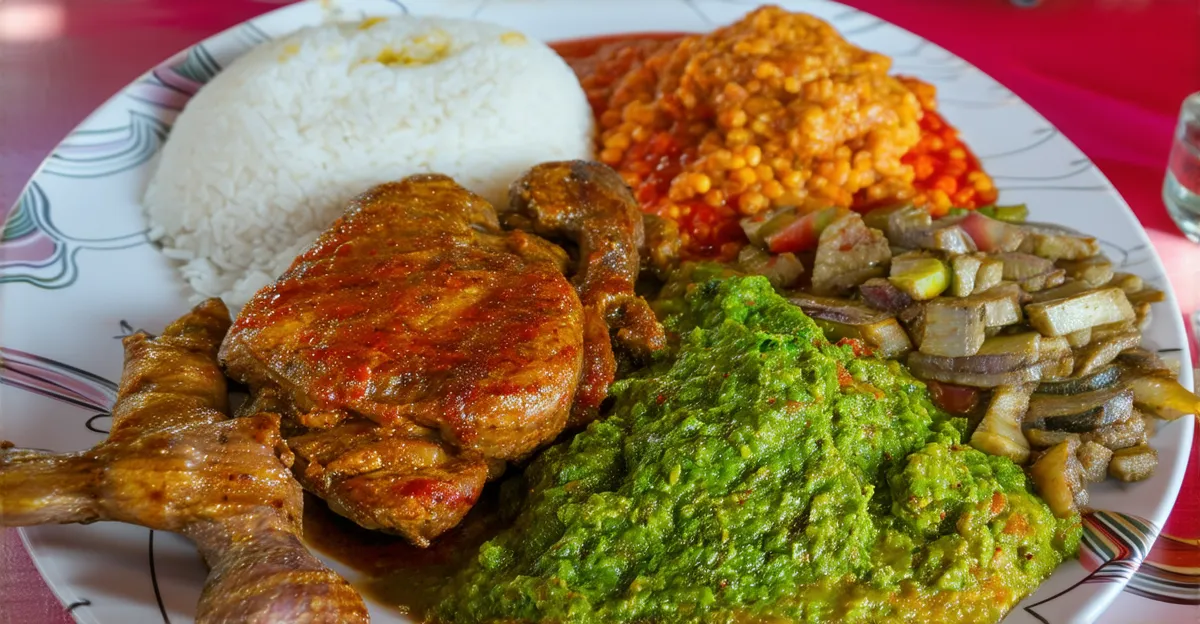
Gaborone local cuisines offer a unique blend of traditional and contemporary flavors, reflecting the vibrant culture of Botswana. From savory meats to fresh grains, the local culinary landscape is rich with dishes that tell a story of history and heritage. Visitors to Gaborone can indulge in a variety of authentic meals, discover beloved food spots, and experience the warmth of local hospitality. Whether you’re a seasoned traveler or a curious foodie, Gaborone’s culinary scene promises an unforgettable exploration of taste.
Key Takeaways
- Gaborone local cuisines embrace rich flavors and traditional cooking methods.
- Signature dishes like Seswaa and Morogo highlight the unique cultural heritage.
- From street vendors to local restaurants, diverse dining options abound.
- Participate in culinary tours and events to fully immerse in the local food scene.
1. Seswaa: The Heart of Gaborone Local Cuisines
Seswaa is a traditional dish deeply embedded in Gaborone local cuisines. This hearty meat dish is typically made from slow-cooked beef or goat, seasoned with simple spices. It is traditionally prepared for special occasions and celebrations, making it a symbol of hospitality and community in Botswana.
The cooking technique involves boiling the meat until tender, then shredding it and mixing it with some of the cooking liquid to create a rich flavor. Often, seswaa is served with pap or sorghum-based porridge, allowing diners to savor the savory flavors together. This combination makes for a satisfying meal that reflects the essence of Botswana’s culinary heritage.
Pro Tip: For an authentic experience, try sesame during a traditional feast or at a local restaurant that offers Botswana specialties.
Where to eat: For some of the best seswaa in Gaborone, you can visit Maruapula Restaurant or Boteti Karoo, both known for their authentic Botswana dishes.
2. Pap: A Staple Side Dish in Gaborone
Pap is a crucial component of Gaborone local cuisines, bringing a comforting aspect to meals. Made from maize meal, this staple side dish is beloved for its versatility and simplicity. It can be enjoyed with a variety of meats, stews, and vegetables, complementing the flavors of any dish.
The preparation of pap involves boiling maize meal with water until it reaches a thick, porridge-like consistency. This dish is not only affordable but also provides a hearty complement to many traditional meals. Furthermore, pap is commonly used to scoop up stews or sauces, adding a delightful texture to each bite.
Did you know? Pap can be enjoyed at breakfast as well, often served with milk and sugar.
Where to eat: To enjoy authentic pap served with various local dishes, check out Pula Kgetsi or Choppies Restaurant, both favorites among locals.
3. Morogo: Delicious Wild Spinach Dishes
💡 Pro Tip: Book your Gaborone adventures in advance through Viator for the best deals!
Morogo, a traditional wild spinach, holds a special place in Gaborone local cuisines. This nutritious green is often foraged during the rainy season and is a staple in many households. Morogo can be cooked in various ways, often sautéed with onions, tomatoes, and spices to create a delicious and vibrant dish.
This leafy vegetable not only adds a burst of flavor but also packs a nutritional punch, making it a beloved choice among health-conscious locals. Morogo is commonly served as a side dish alongside meat or pap, enhancing meals with both taste and color.
Pro Tip: Ask local chefs about their unique preparations of morogo to experience its versatility.
Where to eat: For delightful morogo dishes, visit The Greenhouse Restaurant, which offers a local twist, or Gaborone Farmers Market for fresh, regional ingredients.
4. Biltong: A Flavorful Dried Meat Snack
Biltong is a beloved snack in Gaborone and a vital part of Gaborone local cuisines. This dried meat delicacy is typically made from beef or game meat, marinated with vinegar, and seasoned with spices before being air-dried. The result is a flavorful, chewy snack that is perfect for on-the-go munching.
Traditionally, biltong was a method of preserving meat, but today it has become a popular treat enjoyed by locals and tourists alike. You can find biltong in various styles, from spicy to garlic-infused, catering to different taste preferences.
Pro Tip: Pair your biltong with a beer or a local beverage for the best snacking experience.
Where to eat: For authentic biltong, try Botswana Biltong Company or visit local markets where vendors specialize in this nutritious snack.
5. Traditional Botswana Stews: Rich and Hearty
💡 Pro Tip: Book your Gaborone adventures in advance through Viator for the best deals!
Stews hold a special place in Gaborone local cuisines, often serving as the centerpiece of traditional meals. Botswana stews are known for their rich flavors and hearty ingredients, commonly made with meat, vegetables, and spices simmered to perfection.
Popular choices include beef, chicken, or goat meat stews, combined with ingredients like potatoes, carrots, and tomatoes. These dishes are typically enjoyed with a side of pap or seswaa, enhancing the overall dining experience.
Did you know? Traditional stews are often prepared for family gatherings and celebrations, showcasing the communal aspect of Botswana cuisine.
Where to eat: You can savor delicious Botswana stews at Marangaranyo Restaurant and Village Steakhouse, both praised for their authentic flavors.
6. Gaborone street food: A Culinary Adventure
The street food scene in Gaborone offers a delightful way to experience Gaborone local cuisines. Vendors can be found cooking up delicious bites that reflect the rich flavors of Botswana. From kotla (roasted maize) to fat cakes (fried dough), there’s something for everyone.
Be sure to try boerewors, a traditional sausage often sold at street stalls, accompanied by fresh vegetables. Another must-try is morogo, a wild spinach dish full of flavor, commonly served with a side of maize meal.
Pro Tip: Always ask locals for their favorite street food spots to discover hidden culinary treasures!
Where to eat: For the best street food experience, explore the night markets at Gaborone’s Main Mall or indulge in tasty treats at New Lobatse Market.
7. Traditional Beer: Chibuku and Its Cultural Significance
Chibuku is much more than just a drink; it is a symbol of community and culture in Botswana, especially in Gaborone. This traditional beer is made primarily from maize and sorghum, fermented to create a thick, creamy beverage that is both refreshing and filling. Chibuku is usually enjoyed in large communal bowls and is often served at gatherings and celebrations.
Many locals have cherished memories associated with Chibuku, making it an integral part of Gaborone local cuisines. The beer holds deep cultural significance, providing a sense of connection among friends and family. Typically consumed warmly, it is also known for being affordable, allowing many to enjoy it during social occasions.
Pro Tip: When in Gaborone, don’t miss out on the opportunity to experience traditional beer culture firsthand. Join the locals for a Chibuku tasting at a social gathering or local bar.
Where to enjoy Chibuku: Head to local hangouts like Crown Gardens or Braai Village, where you can enjoy this beloved beverage with authentic local dishes.
8. Gaborone Markets: A Food Lover’s Paradise
Gaborone is home to vibrant markets that celebrate the diversity of Botswana’s culinary offerings. These markets are a true food lover’s paradise, filled with fresh produce, local delicacies, and artisanal products. The Gaborone Main Mall Market and Phakalane Market are two must-visit spots where visitors can immerse themselves in the rich flavors of Botswana.
At these markets, you can find an array of ingredients essential for preparing traditional dishes such as Seswaa and Morogo. Additionally, take the chance to sample street food, such as delicious biltong or freshly fried snacks. Both markets provide a glimpse into the daily lives of the locals, offering a shared experience that highlights the importance of food in Botswana.
Did you know? Visiting local markets is a great way to support local farmers and artisans while enjoying the freshest ingredients.
Tips: Arrive early to enjoy the best selection of produce and interact with friendly vendors. Make sure to try some freshly made local snacks while you browse!
9. Potjiekos: A Hearty South African Influence
💡 Pro Tip: Book your Gaborone adventures in advance through Viator for the best deals!
Potjiekos is a beloved dish that showcases the hearty influence of South African cuisine in Gaborone local cuisines. This traditional stew is cooked slowly in a cast-iron pot, allowing the ingredients’ flavors to meld beautifully. Typically made with meat, vegetables, and aromatic herbs, Potjiekos is a comforting meal perfect for gatherings and family feasts.
What makes Potjiekos unique is its cooking method, as it is often prepared outdoors over an open fire. This not only adds a smoky flavor but also creates a social atmosphere where family and friends gather around to wait for the delicious meal together. Different regions might spice it up with their unique herbs, so every Potjiekos can offer something slightly different.
Pro Tip: If possible, participate in a Potjiekos event, where you can taste various versions and enjoy the communal cooking experience.
Where to try Potjiekos: Seek out local eateries such as Gaborone Game Reserve Restaurant or Dine Africa, where you can immerse yourself in this hearty dish and the vibrant local dining culture.
10. Local Desserts: Indulging in Botswana Sweets
When it comes to Gaborone local cuisines, desserts hold a special place. Unique and delightful, the local sweets often reflect the flavors and traditions of Botswana. One of the most popular desserts is malva pudding, a warm sponge cake soaked in a delicious sauce, often served with ice cream or fresh cream. The combination of sweet and creamy creates a perfect end to any meal.
Another favorite is biltong fudge, which infuses the traditional taste of biltong into a sweet treat. This innovative dessert showcases the creativity of local chefs while honoring Botswana’s culinary heritage. Additionally, you may encounter kalahari melon seeds used in various desserts, adding a delightful crunch and nutty flavor to the mix.
Did you know? Traditional sweets like Seswaa chocolate cake incorporate local flavors, making them even more unique.
For a delightful dessert experience, visit Chez Ntemba, known for its innovative takes on traditional desserts. Alternatively, Gaborone Cheesecake Factory provides a wide range of delectable cheesecake flavors often inspired by local ingredients. Don’t miss the chance to indulge in these sweet offerings during your visit!
Gaborone local cuisines provide a window into the heart of Botswana’s culture through its delectable offerings. Whether you’re savoring traditional dishes or experiencing the street food vibe, each meal tells a story of community and heritage. So why not plan your gastronomic adventure in Gaborone today, and share your favorite culinary discoveries with fellow food lovers?
Frequently Asked Questions
A: Seswaa, Pap, Morogo, and Biltong are must-try dishes for anyone visiting Gaborone.
A: local markets and food stalls offer budget-friendly options showcasing authentic local cuisine.
A: Gaborone’s cuisine reflects a blend of traditional Botswana flavors with influences from neighboring countries.
A: Yes, many dishes feature vegetables, grains, and legumes suitable for vegetarians.
A: Join food tours, visit local markets, and dine at family-owned eateries to fully explore Gaborone’s cuisine.
A: Traditional beer Chibuku and local herbal teas complement many Botswana dishes.