
Gaborone Food Markets: A Culinary Exploration
Discover Gaborone’s vibrant food markets! From local delicacies to fresh produce, explore the best spots to enjoy authentic flavors in Botswana’s capital.
On this page
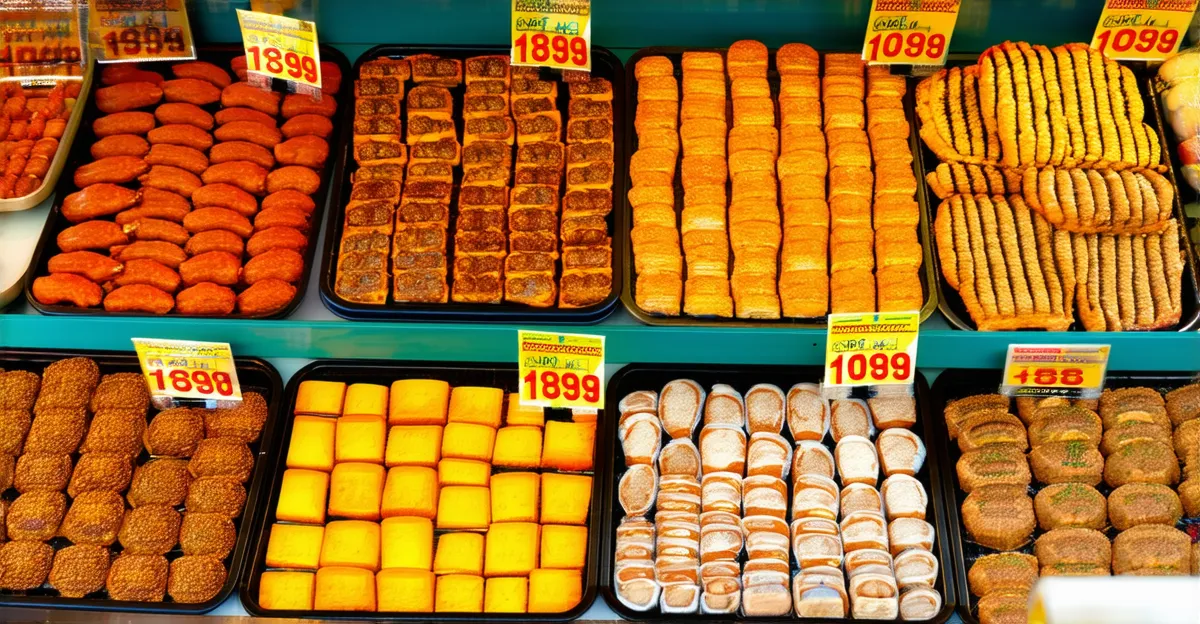
Gaborone, the bustling capital of Botswana, is a treasure trove for food enthusiasts seeking to explore the rich tapestry of local flavors. The city’s food markets offer a unique glimpse into the culinary heart of Botswana, showcasing a variety of unique dishes, fresh produce, and local delicacies. From traditional dishes like seswaa and pap to vibrant street food, Gaborone’s food markets are ideal for experiencing authentic tastes while mingling with locals. Let’s dive into the best food markets to explore and the culinary delights that await in this vibrant city.
Key Takeaways
- Gaborone food markets showcase a mix of traditional and modern culinary experiences.
- Try signature local dishes like seswaa and pap for authentic flavors.
- Markets cater to all budgets, from street food to fresh produce.
- Engage with local vendors for unique insights into Botswana’s food culture.
1. Gaborone Main Market: The Heart of Culinary Culture
The Gaborone Main Market stands as the bustling heart of culinary culture in Botswana’s capital. This vibrant marketplace offers an exciting atmosphere filled with the sights and sounds of local vendors. Moreover, it’s a prime spot to experience authentic Gaborone food markets. As you stroll through the stalls, you’ll encounter a variety of fresh fruits, vegetables, and spices, many of which are sourced locally.
Here, the essence of Botswana comes alive with its rich array of produce. You can find everything from traditional staples like maize to exotic fruits that are often hard to find elsewhere. Additionally, the market features food stalls serving local delicacies, providing a glimpse into Botswana’s rich culinary heritage.
Pro Tip: Visiting early in the morning not only provides a more vibrant market experience but also ensures the best selection of fresh produce.
Where to eat: Try the local street vendors in the market for a chance to sample traditional Batswana dishes while enjoying the lively environment.
2. Village Market: A Hub for Fresh Produce and Local Treats
The Village Market is another gem among Gaborone food markets, renowned for its fresh produce and local delicacies. This market is especially popular among locals who seek to buy the freshest ingredients for their meals. You will find a wide variety of vegetables, fruits, and herbs that are grown in nearby farms, ensuring they are as fresh as possible.
In addition to produce, the Village Market is home to numerous vendors selling traditional snacks and baked goods, allowing you to explore the flavors of Botswana in one go. Whether you’re looking for a sweet treat or a savory snack, this market has something for everyone.
Did you know? Many vendors at the Village Market offer samples of their products. Make sure to ask for a taste before you buy!
Where to eat: Don’t miss Shakawe Fish and Chips in the market for a delightfully crispy fish served with a local twist.
3. Global Village: An International Flare in Gaborone Food
💡 Pro Tip: Book your Gaborone adventures in advance through Viator for the best deals!
If you’re looking to experience a blend of cultures through food, the Global Village is a must-visit among the Gaborone food markets. This market brings together flavors from around the world, showcasing a diverse array of cuisines that cater to every palate. From Indian curries to Italian pizzas, the options are endless.
At Global Village, food stalls offer not only traditional Botswana dishes but also international favorites, reflecting Gaborone’s growing multicultural scene. The market also hosts cultural events, making it an excellent place to enjoy food while engaging with different traditions.
Pro Tip: Attend during the weekend for special events and food festivals that highlight various cuisines!
Where to eat: Visit Spice Route at Global Village for a mix of Indian and African flavors that will tantalize your taste buds.
4. The Farmer’s Market: Fresh and Organic Delights
The Farmer’s Market in Gaborone is a vibrant destination for those seeking fresh, organic produce and artisanal products. Held regularly, it showcases local farmers and their stunning array of fruits, vegetables, and herbs. Visitors can find everything from ripe tomatoes to fragrant basil, all grown without harmful chemicals.
In addition to fresh produce, the Farmer’s Market is a great place to discover handmade goods. Local artisans often sell their crafts, including soaps, preserves, and baked goods. This market not only supports sustainable farming practices but also fosters a sense of community among local producers.
Pro Tip: Visit early in the morning to get the best selection of produce and avoid crowds.
Where to eat: While the Farmer’s Market mainly focuses on raw products, local food vendors often set up nearby, offering delicious snacks and quick meals. Look for Pat’s Vegan Delights for healthy, plant-based meals or grab a fresh juice from one of the juice stands to complement your purchases.
5. Bokone Bophirima Food Market: Taste the Region
💡 Pro Tip: Book your Gaborone adventures in advance through Viator for the best deals!
The Bokone Bophirima Food Market is a culinary journey that highlights the rich flavors of Botswana’s northern regions. From traditional dishes to modern interpretations, this market is a feast for the senses. Expect to find a variety of local foods, such as pap (a maize porridge), biltong (dried cured meat), and seswaa (shredded, slow-cooked meat).
This market not only promotes local cuisine but also encourages visitors to engage with the culture. Local chefs often demonstrate how traditional dishes are prepared, providing insight into Botswana’s culinary heritage. Furthermore, you can taste dishes unique to specific towns and learn their history and significance.
Did you know? Bokone Bophirima translates to “North West” in Setswana, aptly named after the region’s rich agricultural bounty.
Where to eat: For a true local experience, check out Mokoro Restaurant, known for its authentic Botswana dishes or sample offerings from various food stalls to find hidden culinary treasures.
6. street food in Gaborone: Quick Bites and Local Flavors
Street food in Gaborone reflects the vibrant culture of Botswana, offering quick bites that are both delicious and affordable. One of the most beloved street foods is fat cakes, deep-fried doughy treats often served with savory dips. You might also want to try kebabs from local vendors; grilled over open flames, these skewers are packed with flavor.
Another favorite is boerewors, a traditional sausage that is commonly found at street stands. Often served in a bun, it’s the perfect grab-and-go meal. Furthermore, you’ll likely encounter various stalls selling fresh fruits, juices, and traditional Tswana snacks.
Pro Tip: Street food is best enjoyed during bustling hours, where you can experience the hustle and bustle of local life.
Where to eat: For an authentic street food experience, explore Broadway Street, a hotspot for local vendors. Additionally, try Kgale Hill Food Stalls where many locals gather for quick, tasty meals.
7. Traditional Dishes to Try at Gaborone Food Markets
Exploring Gaborone’s food markets reveals a plethora of traditional dishes that showcase the rich culinary heritage of Botswana. One must-try dish is Seswaa, a flavorful slow-cooked beef stew typically served with pap (maize porridge) and vegetables. This dish is a staple at many gatherings and offers a taste of Botswana’s communal style of eating.
Another dish worth sampling is Morogo, a cooked green dish made from wild spinach or other leafy vegetables, often paired with meat or served with pap. It is not only nutritious but also a testament to the local farming heritage.
Pro Tip: Ask vendors about their unique recipes for dishes like knobkierie or typical fried fish, which are often prepared with family secret spices.
Don’t miss out on Botlokwa, a rich stew made from chicken or beef seasoned with traditional spices. Enjoying these dishes while navigating Gaborone’s vibrant markets enhances your experience of local culture and community.
8. Tasty Beverages: Local Brews and Refreshments
The food markets in Gaborone are also the perfect place to discover local beverages that complement the delicious dishes. One popular drink is mageu, a fermented drink made from maize, which is refreshing and slightly tangy. It’s a common choice among locals and pairs effortlessly with traditional meals.
Another local favorite is Chibuku, a traditional sorghum beer with a unique taste that reflects Botswana’s brewing culture. Many visitors enjoy trying Chibuku straight from the markets, as it enhances the flavor of local dishes.
“Trying local beverages can make your culinary adventure in Gaborone even more authentic!”
For a non-alcoholic option, consider refreshing rooibos tea or fresh fruit juices made from local ingredients, which are both invigorating and tasty. Enjoying these beverages while exploring the vibrant Gaborone food markets is a delightful experience!
9. Craft Food Products: Unique Finds at Gaborone Markets
💡 Pro Tip: Book your Gaborone adventures in advance through Viator for the best deals!
Gaborone’s food markets are treasure troves of craft food products that showcase the region’s creativity and sustainability. Visitors can find artisanal breads baked fresh daily, offering a taste of local ingredients and traditional baking techniques. Furthermore, organic jams and preserves made from local fruits present a delightful sweet treat.
Among the unique offerings are homemade chili sauces and pickled vegetables, which reflect the bold flavors of Botswanan cuisine. These condiments often add a zesty kick to meals and can be purchased from enthusiastic local vendors.
Pro Tip: Many vendors encourage tasting before buying, so don’t hesitate to sample their craft products!
Additionally, look out for locally produced honey, known for its rich flavor and aroma, which makes for a perfect souvenir. Engaging with local producers and discovering these craft food products is a great way to support the community while expanding your culinary experience in Gaborone.
10. Cooking Classes and Tours: Dive Deeper into Gaborone Cuisine
Exploring Gaborone food markets is exciting, but participating in cooking classes and food tours can take your culinary experience to another level. Many local chefs and culinary schools offer classes that teach you the art of preparing traditional Botswana dishes. These classes often include a visit to a food market, where you can select fresh ingredients directly from local vendors.
During a typical class, you might learn how to cook staple dishes such as seswaa (slow-cooked shredded beef) or pap (maize porridge). Not only do you get to enjoy the process, but you also create beautiful memories and build a deeper appreciation for Gaborone’s diverse culinary scene.
Pro Tip: Many cooking classes also offer the chance to learn about the cultural significance of each dish, making your experience both educational and delicious.
Food tours in Gaborone can also provide insight into local cuisine. These tours often include stops at popular food markets, restaurants, and street vendors, showcasing the vibrant flavors and dishes unique to the region. Whether you’re a seasoned cook or a curious foodie, these experiences will enrich your understanding of Gaborone’s culinary traditions.
Where to join: Check out Gaborone Culinary Experiences or Explore Botswana Adventures for excellent cooking classes and immersive food tours.
Gaborone’s food markets are a window into the city’s culinary soul, blending tradition with a vibrant food culture. From fresh produce to delicious local dishes, each market offers a unique experience awaiting discovery. Make sure to visit these culinary hubs during your journey and share your favorite finds with fellow food lovers!
Frequently Asked Questions
A: Visitors should explore the Gaborone Main Market, Village Market, and The Farmer’s Market.
A: You can find seswaa, pap, bunny chow, and various grilled meats.
A: Yes, many markets offer vegetarian dishes and options.
A: Visiting in the mornings or lunchtime offers the best selection and vibrant atmosphere.
A: Yes, The Farmer’s Market features many organic and locally sourced products.
A: Yes, many local chefs offer cooking classes to teach about Botswana’s culinary traditions.