
Esfahan Traditional Dishes: A Culinary Journey
Esfahan traditional dishes are a feast for the senses! Discover the local flavors, must-try meals, and dining spots in this traveler’s culinary guide.
On this page
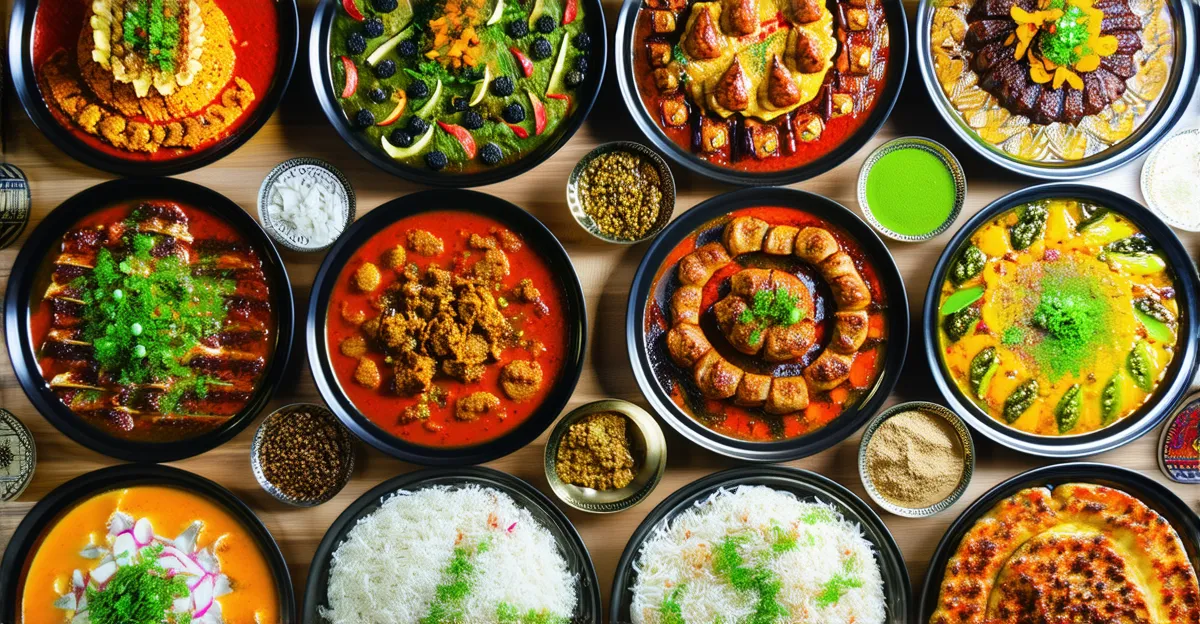
Esfahan, often referred to as the jewel of Persia, is not just famous for its stunning architecture and rich history but also for its mouthwatering traditional dishes. The local cuisine reflects a harmonious blend of flavors, colors, and textures that represent the region’s diverse cultural heritage. From fragrant saffron-infused stews to deliciously crispy flatbreads, Esfahan’s culinary delights are a must-experience for travelers seeking authentic Iranian flavors. In this guide, we’ll explore the most iconic dishes, unique food experiences, and the best dining spots to enjoy Esfahan’s gastronomic treasures.
Key Takeaways
- Esfahan traditional dishes offer a rich array of flavors and ingredients.
- Signature meals like Biryani and Gheymé reflect the region’s culinary heritage.
- From street snacks to exquisite dining, Esfahan has something for every budget.
- local markets and cooking classes provide immersive culinary experiences.
1. Biryani Esfahan: A Flavorful Rice Dish
Biryani Esfahan is a renowned dish that highlights the rich culinary heritage of Esfahan and is a must-try for anyone interested in Esfahan traditional dishes. This delicious rice dish features fragrant basmati rice cooked to perfection with tender pieces of meat, often chicken or lamb, and infused with aromatic spices. The dish is typically garnished with crispy potato slices, offering a delightful texture contrast.
One of the standout elements of Biryani Esfahan is its unique blend of spices which may include saffron, turmeric, and cardamom. These spices not only enhance the flavor but also fill the kitchen with enticing aromas. It is usually served alongside yogurt or a tangy salad, making it a fulfilling main course.
Pro Tip: Always try to savor Biryani Esfahan from a local restaurant to experience the authentic taste.
Where to eat: For the best Biryani Esfahan, head to Shahrzad Restaurant, famous for its delicious Persian dishes, or visit Aseman Restaurant for a cozy dining atmosphere.
2. Koobideh: Traditional Persian Kebabs
Koobideh is an iconic Persian kebab made from ground meat, typically lamb or beef, mixed with finely chopped onions and spices. Grilled over an open flame, these delicious skewers are a staple of Esfahan traditional dishes and are best enjoyed fresh off the grill. The smoky aroma and juicy texture make Koobideh irresistible for kebab lovers.
This kebab is often served on a bed of fluffy saffron rice and accompanied by grilled tomatoes, which add a burst of flavor. The dish is typically complemented by a side of fresh herbs, yogurt, and flatbread for a complete experience. Many locals also enjoy it during festive gatherings or family celebrations.
Did you know? The quality of Koobideh largely depends on the meat’s fat content, which adds juiciness and flavor!
Where to eat: To taste the best Koobideh in Esfahan, visit Toranj Restaurant, known for its tender kebabs, or try Persia Kebab, celebrated for its flavorful dishes.
3. Gheymé: The Iconic Persian Stew
⭐ Recommendation: Don't miss out on amazing Esfahan tours - book now!
Gheymé is a beloved Persian stew known for its rich flavors and hearty ingredients. Made with diced lamb or beef, yellow Split peas, and potatoes, the dish is seasoned with an aromatic blend of spices, including cinnamon and dried lime. This iconic dish represents the essence of Esfahan traditional dishes and is a staple in many households.
Notably, Gheymé is often served over a steaming bed of fluffy rice, garnished with fried potato sticks. The combination of flavors is both comforting and satisfying, making it a favorite among locals and visitors alike. This stew is also commonly served during religious and festive occasions, emphasizing its cultural significance.
Pro Tip: Pair Gheymé with a refreshing salad or yogurt to balance the flavors and enhance the overall dining experience.
Where to eat: For a taste of authentic Gheymé, try Parsian Hotel Restaurant, renowned for its traditional recipes, or Golshan Restaurant, which offers a cozy ambiance and delicious Persian cuisine.
4. Fesenjan: A Rich Pomegranate Stew
Fesenjan is one of the standout dishes in Esfahan traditional cuisine. This luxurious stew combines ground walnuts and pomegranate paste, yielding a rich and tangy flavor profile. Often made with chicken or duck, Fesenjan is celebrated for its unique balance of sweetness and acidity, creating a dish that is both comforting and indulgent.
Furthermore, the walnuts are cooked to a fine paste, which thickens the stew and enriches its texture. Traditionally served with steamed rice, Fesenjan is a must-try when exploring Esfahan traditional dishes. Whether enjoyed at home or in a restaurant, this stew encapsulates the essence of Persian culinary art.
Pro Tip: Pair Fesenjan with a glass of brewed Persian tea to enhance your dining experience.
Where to eat: For an authentic taste of Fesenjan, visit Chehel Sotoun Restaurant or Ali Qapu Restaurant, known for their exquisite traditional dishes.
5. Kookoo Sabzi: Savory Herb Frittata
⭐ Recommendation: Don't miss out on amazing Esfahan tours - book now!
Kookoo Sabzi is a delightful Persian frittata made with a generous mix of fresh herbs, including parsley, cilantro, and dill. This dish is not only vibrant in color but also packed with flavor. Eggs bind the herbs and spices together, creating a fluffy and savory meal that is popular at any time of day.
Traditionally served with bread, Kookoo Sabzi can be enjoyed warm or at room temperature, making it a versatile option for gatherings or picnics. The delightful combination of herbs provides a refreshing taste, perfect for those exploring Esfahan traditional dishes.
Did you know? Kookoo Sabzi is often garnished with walnuts or pomegranate seeds for an extra burst of flavor.
Where to eat: Try Kookoo Sabzi at Shahrzad Restaurant or Shekarvar Restaurant, both famous for their authentic Persian cuisine.
6. Ash Reshteh: Hearty Persian Noodle Soup
Ash Reshteh is a beloved Persian noodle soup that embodies comfort and nourishing qualities. It is made with a variety of fresh herbs, legumes, and noodles, which all harmoniously blend together to create a hearty meal. The dish is often topped with a drizzle of kashk (fermented whey) and garnished with fried onions, making it rich in flavor.
This traditional soup is a staple during Persian New Year (Nowruz), celebrating the arrival of spring. Moreover, Ash Reshteh is not only filling but also a great source of nutrients, emphasizing the importance of wholesome ingredients in Esfahan traditional dishes.
Pro Tip: Enjoy Ash Reshteh with a side of homemade bread to soak up every bit of the delicious broth.
Where to eat: Indulge in this comforting soup at Gavaznicheh Restaurant or Shirin Asal Café, where you can relish authentic Persian flavors.
7. Gheymeh Nasir: A Unique Esfahani Variation
Gheymeh Nasir is a delightful twist on the traditional Gheymeh stew, originating from the beautiful city of Esfahan. This dish consists of yellow Split peas, tender lamb, and is infused with a unique blend of spices. A key feature of Gheymeh Nasir is its rich and tangy flavor, which is achieved through the addition of tomato paste and dried limes. Additionally, it’s often garnished with crispy fried potatoes for added texture and crunch.
This dish is typically served over fluffy basmati rice, making it a satisfying and hearty meal. Gheymeh Nasir is not just popular among locals but also has gained admiration from tourists looking to experience authentic Esfahan traditional dishes. Each bite takes you on a culinary journey, highlighting the rich culinary heritage of Esfahan.
Pro Tip: Pair Gheymeh Nasir with a side of pickles for an extra burst of flavor!
Where to eat: Visit Chahar Bagh Restaurant in Esfahan, known for its exquisite Gheymeh Nasir that captures the essence of local flavors.
8. Sangak Bread: Traditional Persian Flatbread
Sangak bread is not just a staple in Persian cuisine; it is an essential part of every meal in Esfahan. This traditional flatbread is baked on hot stones, giving it a unique texture that is both soft and crispy. Sangak has a distinct nutty flavor, derived from the whole wheat flour used in its preparation. It is often served warm and is a perfect accompaniment to various Persian dishes.
What sets Sangak apart is its versatility; it can be enjoyed with stews like Gheymeh or even used as a wrap for grilled meats. Many locals and visitors alike enjoy tearing off pieces of Sangak to scoop up delicious dips and stews. This communal style of eating enhances the overall dining experience, making it even more memorable.
Did you know? Sangak is considered one of the healthiest types of bread in Persian cuisine!
Where to eat: For the best experience, head to Sangak Gharbi, where the aroma of freshly baked Sangak fills the air.
9. Saffron Ice Cream: Persian Frozen Delight
⭐ Recommendation: Don't miss out on amazing Esfahan tours - book now!
Saffron Ice Cream, known as Bastani Sonnati, is a beloved dessert that represents the sweet side of Esfahan traditional dishes. This unique ice cream combines the exotic flavor of saffron with rose water, creating a truly irresistible treat. Often, it is infused with hints of pistachios, almonds, and sometimes even chunks of frozen cream.
This creamy delight is not just a dessert; it is a delightful experience, especially on a warm day. It embodies a perfect balance of sweetness and a floral aroma, making it a popular choice among both locals and tourists. Saffron Ice Cream is often enjoyed with a side of warm flatbread, creating a juxtaposition of temperatures and flavors.
Pro Tip: Pair your Saffron Ice Cream with some fresh fruits for an added zing!
Where to eat: For the best Saffron Ice Cream in Esfahan, try Shahrzad Ice Cream, famous for its rich taste and authenticity.
10. Pashmak: Persian Candy Floss
Pashmak, often referred to as Persian candy floss, is a delightful and airy confection that captures the essence of Iranian sweets. This traditional treat has a unique texture, resembling fine strands of silk, which come together to create a melt-in-your-mouth experience. While you might be familiar with regular cotton candy, Pashmak takes it to a whole new level with its rich taste and ethereal feel.
This beloved dessert is typically made from sugar and starch. The process involves pulling and stretching the mixture multiple times, resulting in delicate strands that are both sweet and slightly chewy. Flavors can vary, but classic variations include rosewater, pistachio, and saffron, each offering a taste explosion that transports you to the heart of Esfahan’s vibrant markets.
Did you know? Pashmak is often enjoyed on its own or used to top other desserts, enhancing both flavor and presentation.
To experience authentic Esfahan traditional dishes like Pashmak, you should visit local sweet shops. One popular spot is Shah Abbas Pastry, where you can find freshly made Pashmak alongside other exquisite Iranian sweets. Another great choice is Esfahan Sweets House, known for its traditional approach to Persian confectionery. Enjoying Pashmak in the streets of Esfahan is a must for any foodie!
Esfahan’s traditional dishes beautifully encapsulate the essence of Persian cuisine, showcasing a delightful combination of flavors that are sure to captivate every food lover. Whether you’re savoring a plate of Biryani or indulging in sweet Pashmak, each dish tells a story of the region’s rich history and culture. Don’t miss the chance to explore Esfahan’s culinary wonders—Plan your food adventure today and share your favorite dishes with fellow travelers!
Frequently Asked Questions
A: Esfahan is renowned for its unique rice dishes, flavorful stews, and grilled meats that showcase Persian culinary techniques.
A: Biryani Esfahan, Koobideh, and Gheymé are some must-try dishes for anyone visiting.
A: Yes, local eateries and street vendors offer delicious and budget-friendly dining options.
A: Visiting local bazaars and joining culinary tours are excellent ways to immerse yourself in Esfahan’s food scene.
A: Yes, many traditional dishes can be adapted to vegetarian diets, and there are dedicated vegetarian options.
A: The best Biryani can be found at local specialty restaurants, particularly near the Grand Bazaar.