
Esfahan Cuisines: Discover Authentic Local Flavors
Immerse yourself in Esfahan cuisines! Explore traditional dishes and dining hotspots in this comprehensive guide for food lovers visiting Iran’s jewel.
On this page
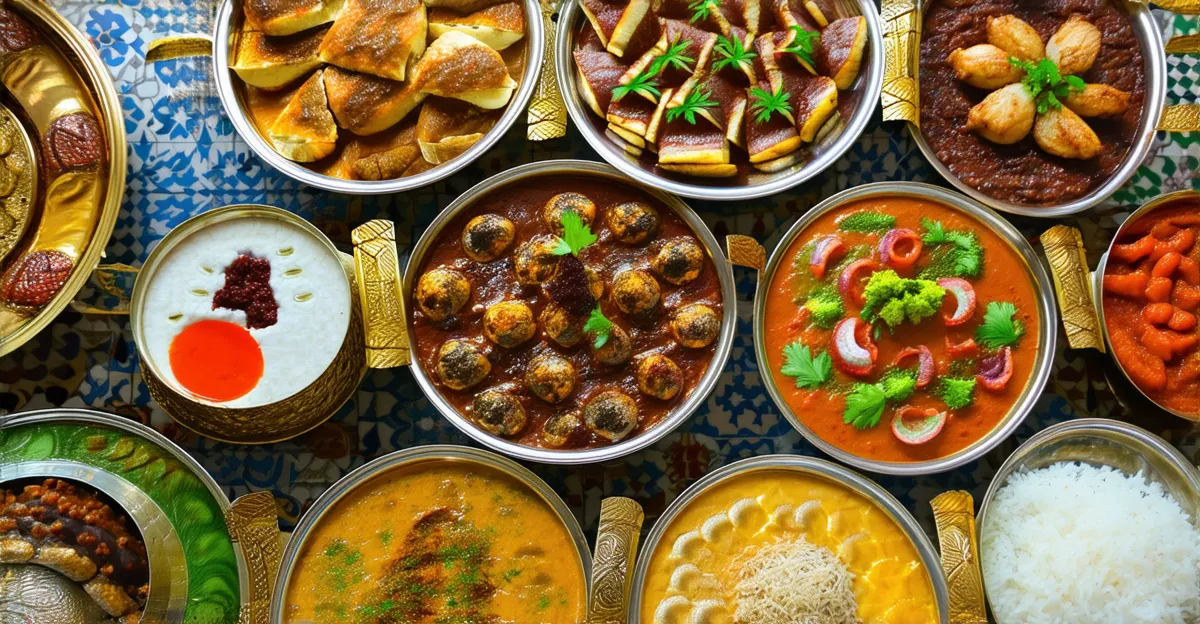
Esfahan cuisine is a colorful tapestry woven with history and tradition, hailed as one of the most delicious in Iran. This vibrant city offers a spectacular array of local dishes, each more tantalizing than the last. From fragrant stews to exquisite saffron-infused rice, Esfahan’s culinary offerings reflect its cultural heritage. Join us as we dive into the must-try delicacies and cherished dining experiences that make Esfahan cuisine a true feast for the senses.
Key Takeaways
- Esfahan cuisine is renowned for its rich, diverse flavors and ingredients.
- Signature dishes like Beryani, Kebab, and Fesenjan reflect the city’s culinary artistry.
- Dining options range from bustling street food stalls to elegant sit-down restaurants.
- Engaging in local cooking classes and food tours deepens your culinary experience.
1. Beryani: A Unique Esfahani Delight
Beryani is a special dish hailing from Esfahan, delivering a unique taste experience. This traditional meal consists of spiced rice and tender meat, often lamb, cooked to perfection. Unlike other rice dishes, Beryani is distinguished by its unique cooking method, which involves layering spices and slow-cooking to enhance flavors.
Typically, the dish is accompanied by a side of fresh herbs and tahini sauce, which complements the rich flavors beautifully. The texture of the dish, with crispy rice at the bottom and succulent meat on top, creates a delightful eating experience.
Pro Tip: Don’t forget to try it with a refreshing glass of doogh, a traditional yogurt drink that balances the spices!
Where to eat: For an authentic Beryani, visit Beryani Esfahan, well-known among locals and tourists alike for their mouthwatering version of this classic dish.
2. Fesenjan: The Rich Pomegranate Stew
Fesenjan stands out as one of the most beloved dishes in Esfahan cuisines. This rich stew combines ground walnuts with pomegranate paste, usually served with chicken or duck. The deep, complex flavor profile of Fesenjan is what makes it so special. The sweetness of the pomegranate and the earthiness of the walnuts combine perfectly to create a comforting dish.
Traditionally, Fesenjan is enjoyed with fluffy saffron rice, allowing the flavors to meld beautifully. It’s often prepared during special occasions and gatherings, showcasing its significance in Iranian culture.
Did you know? Fesenjan can vary in sweetness, and it’s always worth asking for the chef’s recommended level of sweetness to match your preference!
Where to eat: Check out Shahrzad Restaurant for a fantastic Fesenjan, paired with stunning views of the city.
3. Kebab in Esfahan: Grilled to Perfection
⭐ Recommendation: Don't miss out on amazing Esfahan tours - book now!
Kebab is a quintessential part of Esfahan cuisines, celebrated for its rich taste and variety. Local favorites include kebab koobideh, made from minced meat, and joojeh kebab, featuring marinated chicken. These kebabs are meticulously grilled over open flames, resulting in a smoky flavor that enhances their taste.
Often served with saffron rice and fresh vegetables, kebabs are a favorite among locals and visitors. Moreover, they’re perfect for enjoying at street vendors or upscale restaurants alike.
Pro Tip: Don’t skip the grilled tomatoes and peppers that often come alongside – these add an extra layer of flavor!
Where to eat: For an unforgettable kebab experience, visit Kebab Ghaffar, a local hotspot renowned for its tender and flavorful kebabs.
4. Saffron Rice: The Golden Staple of Esfahan Cuisines
Saffron rice is an essential component of Esfahan cuisines, admired for its rich flavor and stunning golden color. This aromatic dish is traditionally prepared using high-quality Iranian saffron, which adds depth and a unique aroma. It’s often served with various stews and grilled meats, enhancing the overall dining experience.
The cooking technique involves rinsing the rice thoroughly before soaking it, which helps achieve the perfect texture. After boiling, the rice is steamed, allowing the steam to infuse it with the delicate flavor of saffron. Additionally, the vibrant yellow Hue not only makes the dish visually appealing but also indicates the luxurious use of saffron.
Pro Tip: Always look for authentic Persian saffron when preparing saffron rice at home to ensure the best flavor!
Where to eat: For an authentic saffron rice experience, head to Shahrzad Restaurant in Esfahan where they serve it alongside a variety of delectable Persian dishes.
5. Gormeh Sabzi: The Herbaceous Persian Stew
⭐ Recommendation: Don't miss out on amazing Esfahan tours - book now!
Gormeh Sabzi is a beloved staple in Esfahan cuisines and is often hailed as the national dish of Iran. This fragrant stew is made with a mixture of green herbs, mainly parsley, cilantro, and spinach, combined with tender pieces of beef or lamb. The dish is simmered with kidney beans and dried limes, adding a complex flavor profile that is both savory and slightly tangy.
Traditionally, Gormeh Sabzi is served over a bed of fluffy saffron rice, creating a heavenly combination of textures and flavors. Many locals consider this dish a must-try when visiting Esfahan, as it embodies the essence of Persian cooking.
Did you know? Gormeh Sabzi is often enjoyed during family gatherings and celebrations, making it a classic comfort food!
Where to eat: For a genuine taste of Gormeh Sabzi, try Restaurant Alighapoo, which is known for its homemade version of this classic stew.
6. Kashk-e Bademjan: A Flavorful Eggplant Dip
Kashk-e Bademjan is one of the most delightful Esfahan cuisines, often enjoyed as an appetizer or side dish. This rich eggplant dip features roasted or fried eggplants blended with kashk, which is a fermented whey that gives a distinct creamy taste. The dish is flavored with garlic, onion, and a variety of spices, creating a unique and satisfying experience.
Served warm, Kashk-e Bademjan is typically accompanied by fresh bread, making it a great option for sharing. The blend of ingredients results in a luscious dip that pairs perfectly with the crispy bread, yielding a mouthwatering appetizer that locals and tourists adore.
Pro Tip: When trying Kashk-e Bademjan, don’t hesitate to scoop it up with warm, soft bread for the ultimate tasting experience!
Where to eat: For the best Kashk-e Bademjan, visit Bazaar Cafe, a local favorite known for its authentic Persian appetizers.
7. Esfahan street food: A Culinary Explorer’s Paradise
street food in Esfahan offers an exciting glimpse into the region’s vibrant culinary scene. It’s a paradise for food lovers seeking quick and flavorful bites. Vendors line the streets, serving up a variety of delicious dishes that reflect the city’s rich traditions. Some must-try street foods include Jujeh Kebab, which are marinated chicken skewers grilled to juicy perfection, and Shirin Polow, a fragrant rice dish mixed with nuts and fruits.
Moreover, you can find Samosas stuffed with spiced potatoes and peas, which make for a delightful snack. Notably, each dish is infused with local spices that highlight the area’s unique flavors. Furthermore, trying street food not only satisfies your cravings but also immerses you in the local culture.
Pro Tip: Don’t miss the Gondi—a special treat often found at street stalls that combines delicious flavors wrapped in a crisp shell!
Where to eat: For the best street food experience, head to Ali Qapu Street or Si-o-se-pol Bridge, where you’ll find numerous stalls offering Esfahan’s culinary gems.
8. Desserts of Esfahan: The Sweet Side of Persian Cuisine
Esfahan is not just about savory dishes; it also boasts a delightful array of desserts that are a sweet tooth’s dream come true. traditional Persian desserts blend flavors and textures, with many incorporating nuts, fruits, and aromatic spices. Among these, Baklava stands out for its layers of flaky pastry and syrup-soaked nuts, offering a perfect balance of sweetness.
Another must-try dessert is Ranginak, a date-filled treat coated in a mixture of flour, butter, and walnut. Additionally, Ghareh Ghooreh is a delightful option—a rice pudding flavored with cardamom and rosewater that melts in your mouth. To end your meal on a sweet note, don’t forget to try Saffron Ice Cream, rich and creamy with a hint of floral notes.
Did you know? Many desserts in Esfahan are still made using traditional recipes passed down through generations!
Where to eat: To indulge in these sweet delights, visit Qalamkar or Shirin Amoon, renowned for their authentic Persian desserts.
9. Traditional Tea Houses: Experience the Culture
⭐ Recommendation: Don't miss out on amazing Esfahan tours - book now!
No visit to Esfahan is complete without a stop at one of its charming traditional tea houses. These spots are more than just a place to sip tea; they serve as social hubs where locals gather, share stories, and soak in the culture. Traditional Iranian tea is usually served with a variety of sweets and dried fruits, creating an unforgettable experience.
When you visit, be sure to try Gulab, a sweet rosewater syrup poured over tea that enhances the flavor. Furthermore, many tea houses offer traditional cookies like Nan-e Berenji, a rice flour cookie that pairs beautifully with tea. You can also enjoy a variety of chai blends that reflect the region’s unique taste.
Pro Tip: Seek out tea houses with a beautiful garden setting to truly enjoy your experience in a relaxed atmosphere!
Where to eat: For an authentic tea house experience, check out Tehran Tea House or Masoudi Tea House, both of which are popular among locals and tourists alike.
10. Local Market Tours: Uncovering Ingredients and Recipes
Exploring the vibrant local markets in Esfahan is a must for anyone wanting to understand Esfahan cuisines. These bustling markets, such as the historic Grand Bazaar, are filled with fresh ingredients, spices, and traditional delicacies. Here, you can observe local vendors selling everything from fragrant herbs to colorful spices. Each stall offers a snippet of Persian culture and cuisine.
During a market tour, you can discover essential components of Esfahani dishes. For instance, you will find aromatic saffron, which is critical for creating the famous Saffron Rice. Furthermore, pomegranates, walnuts, and herbs play a vital role in many stews, including Fesenjan and Gormeh Sabzi. This immersive experience also allows you to engage with locals, who are often eager to share their culinary tips and recipes.
Pro Tip: Don’t hesitate to sample street food while at the market! You’ll find delicious snacks like kebab and ash.
Market tours typically conclude with a traditional cooking class, where you can learn to make beloved dishes firsthand. This hands-on experience not only enriches your understanding of Esfahan cuisines but also leaves you with cherished recipes to recreate at home.
Esfahan cuisine offers a delicious journey through the flavors of Persian heritage, waiting to be uncovered by food lovers. With its blend of traditional dishes, bustling markets, and warm hospitality, it’s time to savor the authentic tastes of Esfahan. Share your favorite Esfahan dishes with us or start planning your next culinary adventure!
Frequently Asked Questions
A: Esfahan is famous for its Beryani and a wide variety of flavorful stews and kebabs, showcasing Iran’s rich heritage.
A: Beryani, Fesenjan, saffron rice, kebab, and Kashk-e Bademjan are essential for anyone visiting.
A: Yes, local street food and casual eateries provide delicious and budget-friendly meals.
A: Visiting local bazaars, joining cooking classes, and trying food tours are excellent ways to explore.
A: Yes, many places serve vegetarian dishes like stews and rice, making it accessible for all diets.
A: You can find outstanding kebabs at local restaurants such as [specific restaurants or districts known for kebabs].