
Tehran Cuisines: 10 Local Delicacies to Savor
Tehran cuisines offer a vibrant mix of flavors! Discover the must-try local dishes, dining spots, and culinary experiences in Iran’s capital.
On this page
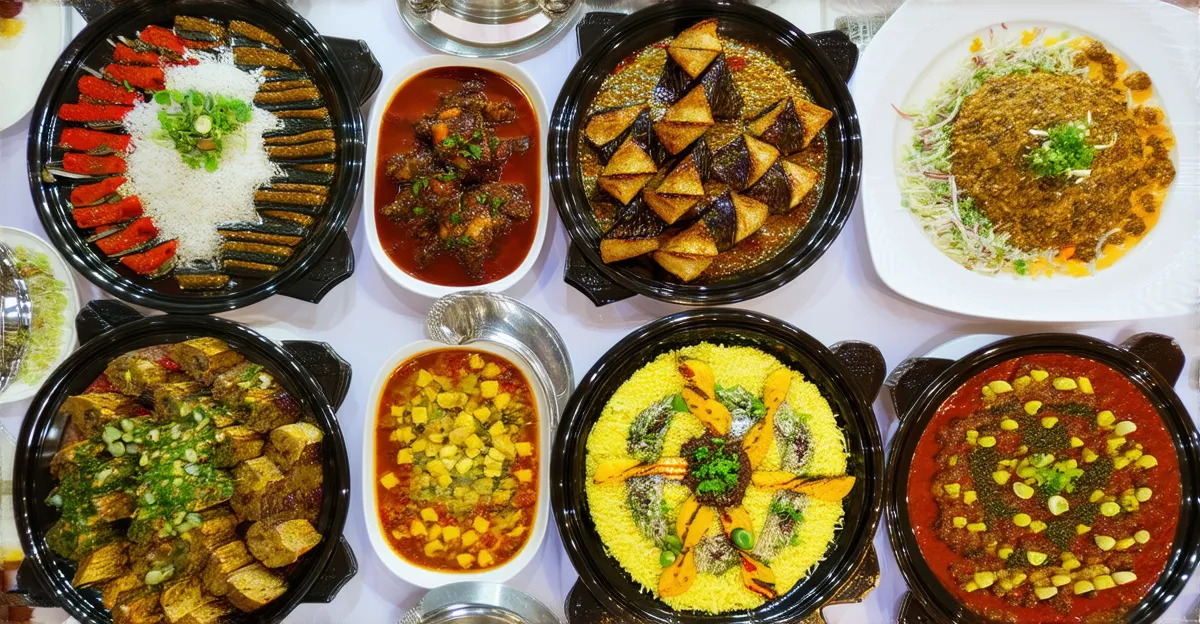
Tehran cuisines showcase a rich tapestry of flavors, blending historical influences with contemporary flair. This bustling capital is a haven for food enthusiasts, featuring an array of local dishes that represent the heart of Persian gastronomy. From aromatic stews to succulent kebabs, Tehran’s culinary offerings are diverse and tantalizing. This guide will take you on a journey through the must-try local delicacies, diverse dining experiences, and hidden gems that define Tehran’s food scene, making it an unmissable part of any food lover’s travel itinerary.
Key Takeaways
- Tehran cuisines offer a delightful array of authentic flavors for every palate.
- Signature dishes like kabab, fesenjan, and dizi highlight Tehran’s unique culinary heritage.
- From casual street eats to fine dining, Tehran cuisines cater to all budgets and preferences.
- Exploring local bazaars and cooking classes enriches your understanding of Persian food culture.
1. Kabab: The Iconic Dish of Tehran Cuisines
Kabab is undoubtedly the iconic dish of Tehran cuisines, celebrated for its rich flavors and succulent texture. This traditional Persian dish features marinated meat, typically lamb or chicken, grilled on skewers over an open flame. The marination usually includes a blend of spices, yogurt, and saffron, which enhances the tenderness and juiciness of the meat.
When served, kabab is often accompanied by grilled tomatoes, saffron rice, and a fresh side of herbs. Many locals enjoy it with a drizzle of sumac, which adds a tangy flavor. The grilling process imparts a delightful smokiness, making kabab not just a meal but a culinary experience.
Did you know? In Tehran, kabab is more than food; it’s a social affair. Locals often gather for kabab at restaurants or during family barbecues.
Where to eat: For the best kabab in Tehran, visit Café Kaveh or Shandiz Mashhad. These restaurants offer a warm ambiance and perfectly grilled kababs that are sure to please your palate.
2. Tahchin: A Flavorful Persian Rice Dish
Tahchin is a beloved dish in Tehran cuisines, known for its unique texture and aromatic flavors. This savory rice cake incorporates layers of marinated chicken or lamb, along with a delightful mix of spices, yogurt, and saffron, creating a delectable harmony of flavors. The rice is meticulously layered and baked, resulting in a crispy golden crust on the bottom.
As you slice into this dish, the fluffy saffron rice and tender meat spill out, creating a beautiful presentation. Tahchin is often served with a side of tangy yogurt or a salad, making it a well-rounded meal.
Pro Tip: Don’t forget to enjoy the crusty bottom, known as tahdig, which is often the highlight of the dish!
Where to eat: You can find excellent tahchin at Restaurant Shandiz or Jabir’s Kitchen, both offering authentic Persian flavors in a cozy setting.
3. Fesenjan: The Rich Stew of Pomegranate and Walnut
⭐ Recommendation: Don't miss out on amazing Tehran tours - book now!
Fesenjan is a signature dish within Tehran cuisines, celebrated for its unique combination of flavors. This rich stew is made with ground walnuts and pomegranate molasses, creating a sweet and savory profile that perfectly complements tender pieces of meat, often chicken or duck. The slow-cooking process allows the ingredients to meld together, resulting in a thick, luscious sauce.
The richness of fesenjan is often heightened with hints of cinnamon and turmeric, making every bite deeply satisfying. Traditionally served over saffron-infused rice, this dish showcases the balance of flavors that Persian cooking is renowned for.
Did you know? Fesenjan is often enjoyed during special occasions, symbolizing hospitality and celebration.
Where to eat: To savor an authentic fesenjan experience, head to Tehran’s Taj Mahal Restaurant or Divan Restaurant, which both offer a delightful ambiance and mouthwatering renditions of this classic dish.
4. Ghormeh Sabzi: The Herbaceous Stew
Ghormeh Sabzi is one of the most beloved staples in Tehran cuisines. This fragrant stew combines a variety of herbs, primarily parsley, cilantro, and fenugreek, for a complex flavor profile. The stew is enriched with tender chunks of beef or lamb, red kidney beans, and a touch of dried lime, which gives it a unique zest. Traditionally served with steamed rice, it’s both hearty and satisfying.
Many locals consider Ghormeh Sabzi to be the ultimate comfort food, perfect for family gatherings or festive occasions. It’s common for this dish to be paired with saffron-infused rice, enhancing its taste.
Pro Tip: To get the best flavor from Ghormeh Sabzi, allow it to simmer for several hours; this deepens the flavors and softens the ingredients.
Where to eat: For an authentic Ghormeh Sabzi experience, visit Restaurant Shandiz or Poll Obdi, where they serve generous portions that will leave you wanting more.
5. Saffron Ice Cream: A Sweet Delight in Tehran
⭐ Recommendation: Don't miss out on amazing Tehran tours - book now!
Saffron ice cream, or عایق زعفرانی in Persian, is a delightful dessert that is emblematic of Tehran cuisines. This creamy treat utilizes the world-renowned saffron spice, giving it a distinct flavor and beautiful golden Hue. Often mixed with rose water, pistachios, and a sprinkle of cardamom, it is a refreshing end to any meal.
Notably, in the heat of summer, locals flock to ice cream parlors to enjoy a scoop or two of saffron ice cream while taking a leisurely stroll through Tehran’s parks.
Did you know? Saffron is not only a key ingredient in Iranian cuisine but also a significant cultural symbol of Persia.
Where to indulge: For the best saffron ice cream in town, head to Roudaki Boulevard’s ice cream shop, or try Shirin Asal, famous for its creamy texture and authentic flavors.
6. Dizi: traditional Lamb Stew Served with Bread
Dizi, also known as Abgoosht, is a traditional lamb stew in Tehran cuisines that holds a special place in the hearts of many. This hearty dish is slow-cooked with tender lamb, chickpeas, potatoes, and plenty of spices. The cooking process results in a savory broth that many locals love to crumble bread into, absorbing all the rich flavors.
What’s more, Dizi is typically served in individual clay pots, enhancing the rustic presentation and experience. It’s recommended to enjoy it with fresh bread, yogurt, and a plate of pickled vegetables.
Pro Tip: Always savor the broth before mixing in the bread; the flavor is truly exceptional!
Where to eat: For the most authentic Dizi experience, visit Dizi Sara, where they specialize in this traditional dish and serve it just like the locals do.
7. Salad Shirazi: A Refreshing Side Dish
Salad Shirazi is a traditional Persian salad that perfectly complements many Tehran cuisines. This vibrant dish is made with a mix of chopped cucumbers, tomatoes, and onions, all diced finely. It is typically seasoned with a splash of fresh lemon juice and a pinch of salt, which elevates its flavor. The freshness of the ingredients makes it a delightful addition to heavier dishes like kababs and stews.
This salad not only provides a refreshing contrast but also adds a nutritional boost to your meals. It is often garnished with fresh herbs such as mint or parsley, enhancing its aroma and taste. Moreover, some variations may include ingredients like bell peppers or radishes to add more crunch and flavor.
Pro Tip: Enjoy Salad Shirazi with grilled meats to balance the richness of the dishes.
Where to eat: For an authentic Salad Shirazi, visit Shandiz Mashhad or Ghazal Restaurant, where it is often served as a side with their kebabs.
8. Baghali Polow: Rice with Fava Beans and Dill
Baghali Polow is a standout dish in Tehran cuisines, known for its unique combination of flavors. This aromatic rice dish features fluffy basmati rice mixed with tender fava beans and fresh dill, creating a fragrant and delicious meal. The cooking process often involves layering the rice with the fava bean mixture, allowing the flavors to meld beautifully.
Traditionally, Baghali Polow is served with lamb or chicken, making it a complete meal. This dish is especially popular during Persian festivities, and it’s loved for its balance of carbohydrates and vegetables. Additionally, the vibrant green color of the fava beans and dill makes it visually appealing.
Did you know? Baghali Polow is often served at weddings and special occasions throughout Iran.
Where to eat: For an exceptional Baghali Polow, head to Restaurant Alborz or Dizi Sara, both known for their authentic Persian rice dishes.
9. Khoresht-e Bademjan: Eggplant Stew with Meat
⭐ Recommendation: Don't miss out on amazing Tehran tours - book now!
Khoresht-e Bademjan is a beloved stew in Tehran cuisines that features tender eggplants and succulent pieces of meat, usually lamb or beef. The stew is rich in flavor, thanks to the slow cooking process that allows the ingredients to blend harmoniously. Flavorful spices like turmeric and cinnamon along with tangy tomato sauce contribute to the dish’s depth.
This dish is often served alongside steamed basmati rice, which perfectly complements its savory flavors. The eggplant in the stew absorbs the spices, creating a comforting and hearty meal. Vegetarians can also enjoy a version that replaces meat with additional vegetables.
Pro Tip: Pair Khoresht-e Bademjan with saffron rice for an elevated dining experience.
Where to eat: Enjoy authentic Khoresht-e Bademjan at Reyhan Restaurant or try Shahrzad Restaurant, which are both popular for their Persian stews.
10. Local Bakeries: Fresh Sangak and Barbari Bread
When exploring Tehran cuisines, you cannot overlook the importance of local bakeries, especially those specializing in Sangak and Barbari bread. These traditional Iranian breads are not only staples but also play an essential role in every meal. Sangak, known for its unique texture and flavor, is made using stones and baked in a stone oven. Its slightly chewy consistency and rustic appearance make it the perfect companion for kebabs and stews.
On the other hand, Barbari bread has a softer texture and is known for its elongated shape, typically topped with sesame seeds. This bread is often enjoyed fresh out of the oven, smeared with butter, or served alongside breakfast dishes.
Did you know? Sangak is often considered a celebratory bread, served on special occasions.
To experience the best of Tehran’s bread scene, head to Haj Ali, where you can find freshly baked Sangak. For Barbari, don’t miss Bakery Khoshgel, renowned for its delectable and warm loaves. Visiting these bakeries offers a delightful glimpse into Tehran’s culinary culture.
Tehran cuisines represent a delightful exploration of Persian culinary traditions, where every dish tells a story of culture and history. With an abundance of flavors and dining experiences waiting, food lovers are encouraged to indulge in Tehran’s rich gastronomy. Share your favorite dishes or plan your food journey to this vibrant city today!
Frequently Asked Questions
A: Tehran is famous for its kababs and rich stews, which reflect the city’s culinary traditions and local ingredients.
A: Don’t miss kabab, ghormeh sabzi, fesenjan, and saffron ice cream when visiting.
A: Yes, street food and local cafes offer affordable meals that showcase Tehran’s cuisines.
A: Join food tours, visit local bazaars, and participate in cooking classes to fully immerse yourself.
A: Yes, many restaurants in Tehran provide vegetarian options, including plant-based stews and salads.
A: You can enjoy some of the best kabab at restaurants such as Shahrzad, Karbon, and Alborz.