
Dushanbe Traditional Dishes: A Culinary Journey
Discover Dushanbe traditional dishes that showcase the rich flavors of Tajikistan’s capital, from plov to sweet pastries in this food guide.
On this page
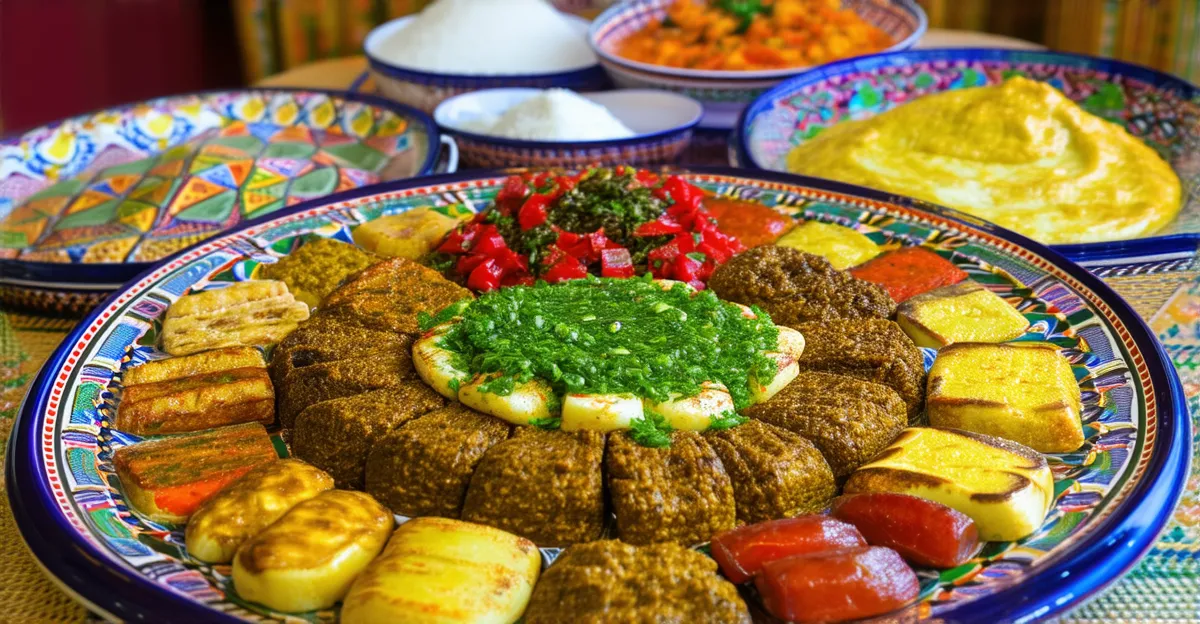
Dushanbe’s traditional dishes offer a delightful exploration of Tajikistan’s rich cultural heritage and culinary diversity. This vibrant city boasts flavors that reflect its nomadic roots, featuring hearty meals, aromatic spices, and colorful presentations. Food lovers will find themselves enchanted by the local specialties, from the iconic plov to tantalizing sumalak. Join us as we dive into the unique dining experiences and authentic flavors that make Dushanbe’s cuisine a must-try for every traveler.
Key Takeaways
- Dushanbe traditional dishes reflect the rich culinary heritage of Tajikistan.
- Signature dishes like plov and mantu highlight local flavors and ingredients.
- From street vendors to family-run restaurants, Dushanbe offers diverse dining options.
- Food tasting tours are perfect for immersing in the traditional flavors and culture.
1. Plov: The Heart and Soul of Dushanbe Traditional Dishes
Plov, also known as pilaf, is undoubtedly the heart and soul of Dushanbe traditional dishes. This beloved meal combines rice, meat (usually lamb or beef), carrots, and a blend of aromatic spices, creating a fragrant, hearty dish. Cooking plov is considered an art form where each ingredient plays a key role in achieving the perfect balance of flavors.
Traditionally, plov is cooked in a large, shallow pan called a kazan, allowing the rice to absorb all the flavors from the meat and vegetables. Families often gather around to enjoy this meal, making it a social experience as well. Additionally, some variations include dried fruits or chickpeas, adding a delightful twist to the classic recipe.
Did you know? Plov is often served at weddings and special occasions, showcasing its cultural importance in Dushanbe.
Where to eat: For an authentic taste of plov, head to Restaurant Plov or Chaihona No. 1, where you can savor some of the best plov in the city.
2. Mantu: Delicious Steamed Dumplings in Dushanbe
Mantu are delectable steamed dumplings that are a staple of Dushanbe traditional dishes. These little pockets of joy are filled with spiced ground meat, usually lamb or beef, mixed with onions and spices. Then, they are expertly wrapped in thin dough and steamed to perfection.
The result is a soft, tender dumpling that is often served with a flavorful tomato sauce or yogurt, making each bite a delightful experience. Many Tajik families have their own secret recipes, handed down through generations. This makes mantu not just a meal, but a cherished part of their culinary heritage.
Pro Tip: Be sure to add a dash of chili sauce for an extra kick!
Where to eat: You can find an amazing selection of mantu at Plov House or Rokhat Café, where the dumplings are made fresh daily.
3. Lagman: Noodles with a Unique Twist in Dushanbe
💡 Pro Tip: Book your Dushanbe adventures in advance through Viator for the best deals!
Lagman is a unique dish that showcases the rich flavors of Dushanbe traditional dishes. This hearty noodle dish consists of hand-pulled noodles, which are a specialty in Central Asia. The noodles are topped with a delicious stew comprising meat, usually beef or lamb, and a variety of vegetables and spices.
The preparation of lagman is an art; the noodles are kneaded and stretched by hand, contributing to their chewy texture. The stew can be spicy or mild, catering to different taste preferences. This dish can be served both as a soup or dry, making it versatile and satisfying.
Fun Fact: Lagman is influenced by Chinese cuisine, reflecting the rich cultural exchanges in Dushanbe.
Where to eat: For authentic lagman, visit the popular Dushanbe Lagman House or Bukhara Restaurant, known for their hearty portions and rich flavors.
4. Shashlik: Succulent Skewered Meat in Dushanbe
Shashlik is one of the most beloved Dushanbe traditional dishes, offering a delightful twist on barbecued meat. Typically made from marinated lamb, beef, or chicken, these skewers are grilled to perfection over an open flame. The marinade usually consists of onions, spices, and sometimes even yogurt, creating a mouthwatering flavor. They are often served with fresh bread, onions, and sometimes a tomato-based sauce.
What makes shashlik special is not just its taste but also the social aspect of the dish. In Dushanbe, sharing shashlik with friends and family is a favored way to bond. Additionally, it is a popular street food, readily available at various stalls and markets throughout the city.
Pro Tip: Don’t forget to pair shashlik with fresh herbs and a side of pickled vegetables to enhance your experience!
Where to eat: For some of the best shashlik in Dushanbe, head to Navruz Restaurant, known for its lively atmosphere and delicious grilled meats.
5. Samsa: Flaky Pastries Stuffed with Goodness
Samsa is another must-try among Dushanbe traditional dishes. These flaky pastries are typically filled with spiced meat, such as lamb or beef, along with onions and spices, creating a savory and satisfying treat. Sometimes, vegetarian options with pumpkin or potatoes are also available, catering to different tastes.
The exterior of the samsa is wonderfully crispy, often baked in a tandoor, which gives it a unique flavor profile. They are perfect as a snack or even as a quick meal on the go, commonly enjoyed with a side of salad.
Did You Know? Samsa is also a street food favorite, allowing you to grab a bite while exploring the vibrant streets of Dushanbe.
Where to eat: To taste delicious samsa, visit Samsa House, a local eatery famed for its freshly baked pastries.
6. Qurutob: Traditional Tajik Bread Dish
💡 Pro Tip: Book your Dushanbe adventures in advance through Viator for the best deals!
Qurutob is a traditional Tajik dish made primarily from stale bread, qurut (dried yogurt), and various toppings. It captures the essence of Dushanbe traditional dishes by emphasizing simple ingredients that yield rich flavors. To prepare qurutob, the bread is usually torn into pieces and soaked in water, then slathered with qurut, creating a thick and hearty mix.
This dish frequently includes toppings such as fresh vegetables, herbs, and sometimes even meat, making it a wholesome meal. Qurutob is especially popular during gatherings and celebrations, highlighting its cultural significance.
Pro Tip: To enjoy this dish fully, mix the bread and toppings well and savor the delightful combination of textures.
Where to eat: Experience authentic qurutob at Chaihona Sadoqat, a restaurant known for its traditional offerings and warm atmosphere.
7. Dushanza: A Unique Yogurt Drink to Try
Dushanza is a unique yogurt drink that is beloved in Dushanbe traditional dishes. Often enjoyed as a refreshing beverage, it is made from fermented milk which gives it a tangy flavor that pairs perfectly with spicy dishes. This drink is not only tasty but also packed with probiotics, which contribute to digestive health.
Typically served chilled, Dushanza is often enjoyed during meals or as a cooling complement to hot summer days. The texture is creamy and smooth, making it a pleasure to sip. It is also common to see variations of this drink, where herbs or spices are added for an extra kick.
Pro Tip: For an authentic experience, try pairing Dushanza with spicy lagman or kebabs to balance the heat with its coolness.
Where to drink: Visit Chaihona Miskin to savor a glass of Dushanza alongside delicious local dishes. This popular eatery is known for its relaxed atmosphere and traditional offerings.
8. Halva: Sweet Treats from Dushanbe’s Kitchens
Halva is a popular and delightful sweet treat found in Dushanbe traditional dishes. Made primarily from tahini or ground nuts, this confection is mixed with sugar and other flavorings to create a rich and satisfying dessert. The texture is typically grainy yet smooth, making it a unique experience for the palate.
Various flavors of halva can be found, such as pistachio, almond, and chocolate, each providing a different taste sensation. This dessert is often enjoyed during festive occasions and is a staple in many households.
Did you know? Halva is not just a dessert; it’s often gifted during celebrations, sharing sweetness and good wishes.
Where to buy: Gulistan Bazaar is the perfect place to find fresh and authentic halva, where local vendors showcase their best sweet treats. It’s a must-visit for anyone with a sweet tooth!
9. Sumalak: A Sweet Celebration of Spring
Sumalak is a traditional dish that embodies the spirit of Dushanbe traditional dishes, especially during the spring season. This sweet dish is made from sprouted wheat and is slow-cooked to perfection over several hours. The result is a thick, sweet paste that is not only delicious but also symbolizes renewal and springtime blessings.
Traditionally, Sumalak is prepared during festival times, especially for Novruz, the Persian New Year. Families often gather to make it together, sharing stories and laughter as they stir the pot. The cooking process itself can be quite an event, with the aroma filling the air and bringing people together.
Pro Tip: Don’t miss the opportunity to sample Sumalak if you visit during the spring festival. It’s a true taste of tradition!
Where to try: During Novruz celebrations, local markets like Olimov Market offer fresh Sumalak. It’s an experience not to be missed. Embrace this piece of Dushanbe’s culinary heritage!
10. Chai: The Essential Tea Ritual in Dushanbe
In Dushanbe, chai, or tea, holds a special place in the hearts of the people. It serves not just as a beverage but as a symbol of hospitality and warmth. Tajik chai is typically brewed strong and often infused with spices such as cardamom and cinnamon, offering a delightful aroma and flavor. This traditional drink is usually enjoyed throughout the day, bringing family and friends together for lively conversations and laughter.
Moreover, the ritual of serving chai is significant. When guests arrive, it is customary to greet them with a pot of hot tea. This simple act highlights the importance of community and connection in Tajik culture. Typically, green chai or black chai is served alongside sweet treats or savory snacks. Common accompaniments include qurmo (a type of bread) or sweets such as halva.
Did you know? In Dushanbe, chai is often poured from a height to enhance its flavor and create a frothy top.
Where to enjoy chai: Head to Chaihona Mukhtar, a popular spot known for its traditional setup and delicious tea. Alternatively, Chaihana Dushanbe offers a great ambience for sipping chai while savoring local snacks.
Dushanbe’s traditional dishes offer a remarkable taste of Tajik culture, blending rich flavors and time-honored recipes. Whether you’re indulging in the hearty plov or savoring delicate mantu, the culinary experiences in Dushanbe are bound to leave a lasting impression. Start planning your food journey in this vibrant capital and dive into the authentic tastes of Tajikistan!
Frequently Asked Questions
💡 Pro Tip: Book your Dushanbe adventures in advance through Viator for the best deals!
A: Dushanbe is known for its traditional dishes like plov, mantu, and shashlik, which showcase the flavors of Tajik culture.
A: Plov, mantu, lagman, and yurtak are among the must-try traditional dishes in the city.
A: Yes, local restaurants and street food vendors offer delicious and affordable options throughout the city.
A: Explore local bazaars, participate in cooking classes, and join food tours to fully experience Dushanbe’s culinary culture.
A: Yes, many restaurants serve vegetarian-friendly options, including salads and meat-free versions of local dishes.
A: You can enjoy the best plov at local restaurants like Plov Khona and other renowned eateries famous for traditional dishes.