
Dushanbe Cultural Cuisine: Explore Local Flavors
Dive into Dushanbe cultural cuisine! Discover authentic Uzbek dishes, vibrant street food, and unique dining experiences in Tajikistan’s capital.
On this page
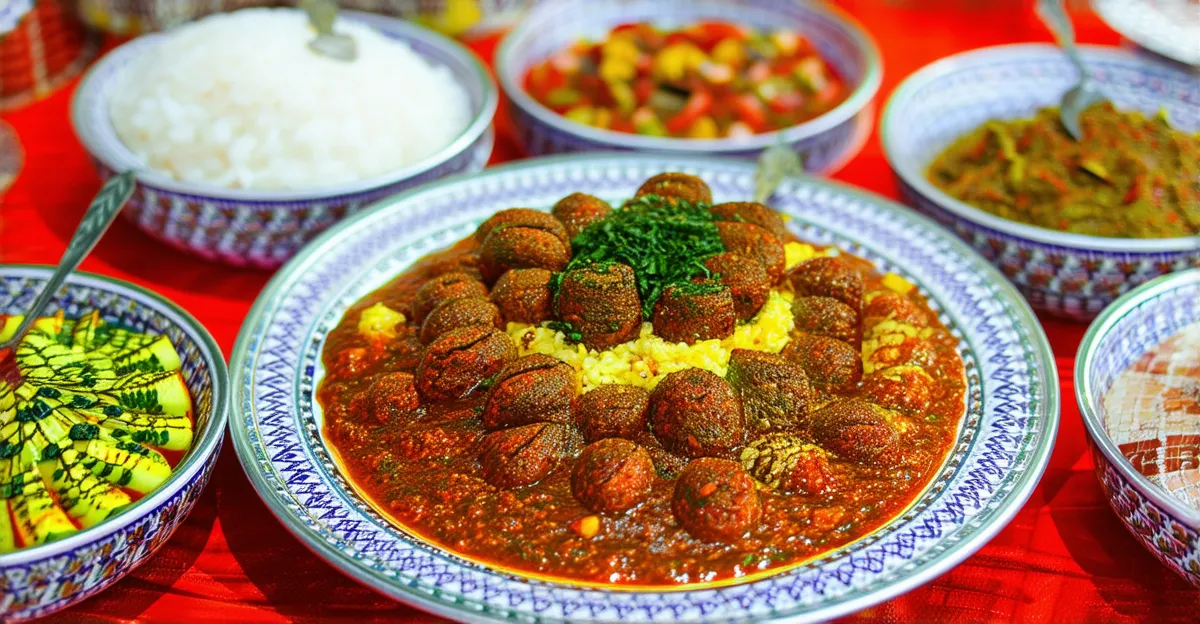
Dushanbe cultural cuisine is a vibrant tapestry woven from historical influences and local ingredients, offering a culinary journey that showcases the heart of Tajikistan. Explore aromatic pilafs, succulent kebabs, and delightful sweets that reflect the rich heritage of this city. With each dish telling a story, Dushanbe’s culinary landscape provides an array of flavors and dining experiences that are sure to entice food enthusiasts and curious travelers alike.
Key Takeaways
- Dushanbe cultural cuisine highlights a variety of flavors reflective of its rich history.
- Signature dishes like plov and kebabs showcase the essence of local tastes.
- street food in Dushanbe offers a unique experience for adventurous eaters.
- traditional meals often focus on communal dining, highlighting local hospitality.
1. Plov: The Essence of Dushanbe Cuisine
When it comes to Dushanbe cultural cuisine, plov truly stands out as its heart and soul. This traditional dish is made with long-grain rice, lamb, onions, carrots, and various spices, all cooked together in a deep pot, allowing the flavors to meld beautifully. Each family has its own recipe that has been passed down through generations, making every plate unique yet true to its roots.
Plov is typically served at special occasions and gatherings, symbolizing hospitality and warmth. It’s not just food; it’s an experience. Many locals believe that a well-prepared plov reflects the care and skill of the cook. As you enjoy it, you may notice the tender meat, the aromatic rice, and the vibrant colors of carrots which all contribute to its appeal.
Pro Tip: When in Dushanbe, try plov at Restaurant Plov, known for their deliciously authentic version.
For travelers, indulging in plov is an essential part of experiencing Dushanbe. It is a dish that connects you to Tajik culture, inviting you to savor every bite.
2. Kebabs: Grilled Perfection in Dushanbe
Kebabs are another beloved part of Dushanbe cultural cuisine, known for their juicy and flavor-packed essence. These skewered meats are marinated and then grilled to perfection, offering a smoky flavor that delights the senses. Common varieties include lamb, chicken, and beef, often served with fresh vegetables and flatbreads.
Street vendors and restaurants alike offer delicious kebabs that make for a perfect meal or snack. Often enjoyed with a side of tandir bread and salad, they are not only a favorite for locals but also a hit amongst tourists. The experience of savoring kebabs in Dushanbe is enhanced by the vibrant atmosphere of outdoor grills during summer evenings.
Don’t miss: Try the kebabs at Chaikhona Mukhtar for a truly authentic taste.
For those seeking a culinary adventure, exploring Dushanbe’s kebab scene is a delightful way to immerse yourself in the local culture and flavors.
3. Tajik Breads: The Heart of Every Meal
💡 Pro Tip: Book your Dushanbe adventures in advance through Viator for the best deals!
No meal in Dushanbe is complete without Tajik breads, which are the cornerstone of Dushanbe cultural cuisine. The most notable bread is tandir non, a round, crusty loaf baked in a traditional clay oven. This bread is celebrated for its soft interior and crispy exterior, making it a perfect accompaniment to any dish.
Beyond tandir non, you can find various other styles of breads throughout Tajikistan, often flavored with herbs or seeds. It serves not only as a side but is also used to scoop up stews and juicy kebabs. Bread is so essential to Tajik culture that offering it to guests is seen as a sign of hospitality.
Local Tip: Visit Shirin Dohan for the freshest bread straight from the oven.
Sampling these traditional breads while in Dushanbe allows you to truly appreciate the rich culinary heritage of the region.
4. Dushanbe street food: A Flavorful Adventure
Dushanbe’s street food scene is a vibrant reflection of Dushanbe cultural cuisine. Every street corner brings tantalizing aromas and the promise of delicious bites. One of the most popular street foods is chuchvara, which are small dumplings typically filled with minced meat and spices, served with a rich broth. Moreover, you can find шашлык (shashlik), skewered and grilled meat, which is both savory and satisfying.
As you explore the bustling streets, don’t miss out on enjoying пирожки (pirashki), which are baked or fried pastries filled with meat, potatoes, or vegetables. Vendors often sell these snacks fresh out of the oven, making them perfect for a quick pick-me-up. Additionally, puff pastries filled with sweet or savory fillings are another favorite among locals.
Pro Tip: For the best street food experience, visit during local festivals when vendors showcase a variety of traditional dishes!
Whether you are snacking on the move or enjoying a casual meal, Dushanbe’s street food is an adventure that offers a taste of local life. So, keep your eyes peeled and your appetite ready!
5. Quroq: A Traditional Dushanbe Delight
An essential part of Dushanbe cultural cuisine is quroq, a traditional dish with deep roots in Tajik culinary history. This dish consists of lamb or beef slow-cooked with vegetables, often served with a side of rice. The cooking method allows the meat to become tender, while the flavors meld into a hearty, fulfilling meal.
Quroq is more than just food; it’s a symbol of hospitality in Tajik culture. Typically, it is prepared for family gatherings or special occasions, making it a dish that brings people together. When served, it is often accompanied by fresh herbs and flatbreads, enhancing the overall dining experience.
Interesting Fact: The name “quroq” literally means “to simmer” in Tajik, reflecting how the dish is lovingly prepared.
For the best quroq in Dushanbe, try visiting local eateries where traditional recipes are honored and served with pride. This popular dish is a must-try for anyone wanting to experience authentic Tajik flavors.
6. Dushanbe’s Unique Dairy Products
💡 Pro Tip: Book your Dushanbe adventures in advance through Viator for the best deals!
Dairy products play a significant role in Dushanbe cultural cuisine. The region is known for its diverse range of dairy offerings, with some of the most popular being qurut and ayran. Qurut, a type of dried cheese, is often used in soups or consumed as a salty snack. This unique product showcases the traditional methods of preserving dairy that have been passed down through generations.
Ayran is another staple, a refreshing yogurt drink made with water and salt. It’s quite popular, especially during the hot summer months, and pairs wonderfully with spicy dishes. These dairy products not only add flavor but also provide nourishment and are often enjoyed during meals or as snacks.
Local Tip: Don’t miss the chance to sample homemade qurut from local markets; it’s a taste of authentic Tajik culture!
7. Sweet Treats: Halva and Baklava in Dushanbe
Dushanbe’s cultural cuisine is incomplete without indulging in its delightful sweet treats, particularly halva and baklava. These confections are a staple in many Tajik celebrations and are loved for their rich flavors and unique textures. Halva, made primarily from ground nuts, flour, and sugar, comes in various styles, each infused with different local ingredients, giving it a distinct taste.
On the other hand, baklava, a sweet pastry made of layers of filo dough filled with chopped nuts and sweetened with honey or syrup, is a favorite in Dushanbe. The buttery layers melt in your mouth, offering a perfect end to any meal.
Did you know? Both halva and baklava are not only delicious but also symbolize hospitality in Tajik culture.
Where to eat: For authentic halva, visit Chaihona Umari, known for its traditional desserts. To enjoy delightful baklava, stop by Ravshan’s Sweets, a local favorite for sweets and pastries.
8. Local Herbs and Spices: Enhancing Dushanbe Cuisine
In Dushanbe, local herbs and spices play a vital role in crafting flavor profiles that define Tajik cuisine. Commonly used are cumin, coriander, and black pepper, which together create a warm and inviting taste. Fresh herbs like mint and dill are often added to salads and main dishes, enhancing freshness.
Furthermore, sumac and turmeric are popular, adding a tangy kick and vibrant color to many culinary creations. Together, they not only enhance taste but also add health benefits to various dishes.
Pro Tip: When trying Dushanbe cuisine, don’t hesitate to ask about the spices used in dishes, as each cook has their own unique touch.
Embrace the flavors of Dushanbe by seeking out local markets, where you can find these fresh herbs and spices to elevate your home cooking!
9. Sipping on Dushanbe’s Tea Culture
Tea is an essential part of Dushanbe’s cultural cuisine, reflecting the hospitality and traditions of the region. In Tajik culture, tea is more than just a beverage; it is a symbol of friendship and warmth. Green tea is particularly favored and is often served on special occasions and during family gatherings.
During your visit, be sure to try chai served with sweets or dried fruits. Additionally, the tradition of pouring tea from a height into small cups is fascinating and demonstrates the reverence for this drink.
Did you know? The Tajik tea ceremony is an elaborate affair that emphasizes the importance of sharing a meal with loved ones.
Where to experience it: To immerse yourself in Dushanbe’s tea culture, visit Chaihanas, local tea houses where you can enjoy authentic Tajik tea accompanied by delicious snacks. Chaihona Poytakht is highly recommended for an authentic experience.
10. Dining Etiquette and Traditional Meals in Dushanbe
When indulging in Dushanbe cultural cuisine, understanding the dining etiquette is just as important as savoring the food itself. Meals in Tajikistan are often communal, emphasizing the joy of sharing among family and friends. At the start of a meal, it is customary to wash your hands, as many dishes are eaten by hand or with bread.
Traditionally, the host will serve guests in the order of importance, beginning with the eldest. This reflects the cultural respect for elders deeply rooted in Tajik society. Sharing food is a significant part of the experience; however, it’s polite to leave a small amount on your plate, signifying you have been well-fed and appreciated the meal.
Did you know? Tea is served after every meal, symbolizing hospitality and friendship.
Moreover, Tajik meals often include multiple courses, starting with appetizers like quroq before moving on to main dishes like plov. Sweet treats like halva or baklava are enjoyed at the end, rounding off the experience.
Where to eat: To experience authentic dining etiquette and traditional meals, visit Sharq or Plov Center, where you can immerse yourself in Dushanbe’s vibrant food culture.
Dushanbe cultural cuisine is a delightful exploration of flavors, traditions, and communal dining. Whether you’re savoring a tantalizing plate of plov, enjoying the ambiance of a bustling street food market, or experiencing the warmth of a traditional meal, Dushanbe promises a rich culinary adventure. Join us in celebrating the vibrant tastes of Tajikistan and share your culinary journey!
Frequently Asked Questions
💡 Pro Tip: Book your Dushanbe adventures in advance through Viator for the best deals!
A: Dushanbe is known for plov, kebabs, and unique dairy dishes that reflect its heritage.
A: Plov, kebabs, and traditional breads are must-try dishes when visiting.
A: Yes, street food stalls and local cafes offer budget-friendly dining options.
A: Join local food tours or partake in traditional meals at locals’ homes.
A: Yes, many restaurants offer vegetarian dishes, including salads and dairy-based options.
A: You can find the best plov at local restaurants like Plov House and Tajik Cuisine.