
Davao Food Festival: Explore Local Flavors
Experience the Davao Food Festival! Discover local dishes, culinary traditions, and must-visit spots in this vibrant culinary journey.
On this page
Davao food festival celebrates the rich culinary heritage of the region, offering food enthusiasts a taste of authentic flavors and unique dining experiences. Known for its exotic fruits like durian and mangosteen, Davao showcases a blend of indigenous and contemporary cuisines that reflect the local culture. From traditional meals to modern twists on classic dishes, this guide will take you through the vibrant food festival where you can delve into the culinary treasures of Davao.
Key Takeaways
- Davao food festival highlights the region’s diverse and rich culinary landscape.
- Signature local dishes like grilled meats and fresh seafood are essential to experience.
- Visitors can enjoy a variety of street foods and unique treats, such as durian.
- Culinary workshops during the festival provide a hands-on experience of Davao’s cooking traditions.
1. The Best of Davao’s Local Dishes
Davao is renowned for its rich culinary landscape, showcasing an array of local dishes that truly reflect the region’s flavors. One must-try dish is Adobo sa Dabaw, which combines tender meat marinated in vinegar, soy sauce, and spices, offering a unique twist on the classic Filipino adobo. Additionally, Sinigang na Baboy, a sour pork stew often made with fresh local vegetables, is a staple that warms the heart and delights the palate.
For something savory, don’t miss Pancit Dabaw, a noodle dish filled with fresh vegetables and meat, making it a favorite during festivals. The use of local ingredients enhances these dishes, showcasing Davao’s commitment to freshness and quality.
Don’t forget, trying these local dishes is a great way to appreciate Davao’s culinary heritage.
Where to eat: Experience Davao’s local flavors at Marination, a popular spot for traditional dishes, or Palae Seafood Restaurant, known for its authentic Dabaw cuisine.
2. Davao’s Famous Durian: A Love-It or Leave-It
No discussion of Davao cuisine is complete without mentioning the infamous durian. Known as the “King of Fruits,” durian is both celebrated and detested for its strong smell and unique taste. For many, biting into a ripe durian is a heavenly experience that reveals creamy, custard-like flesh with flavors ranging from sweet to savory. However, for others, the odor can be overwhelming.
Durian-centric dishes have emerged in Davao, including durian ice cream and pastries that delight adventurous eaters. A visit to Davao wouldn’t be complete without sampling this controversial fruit at local markets or during the Davao Food Festival.
Pro Tip: If you’re unsure about durian, start with durian candies or ice cream, as they offer a milder introduction.
Where to eat: Check out Durian Garden for the freshest durian, or visit Jack’s Ridge for a durian shake while enjoying stunning views of the city.
3. Exploring the Davao Food Festival’s street food
💡 Pro Tip: Book your Davao City adventures in advance through Viator for the best deals!
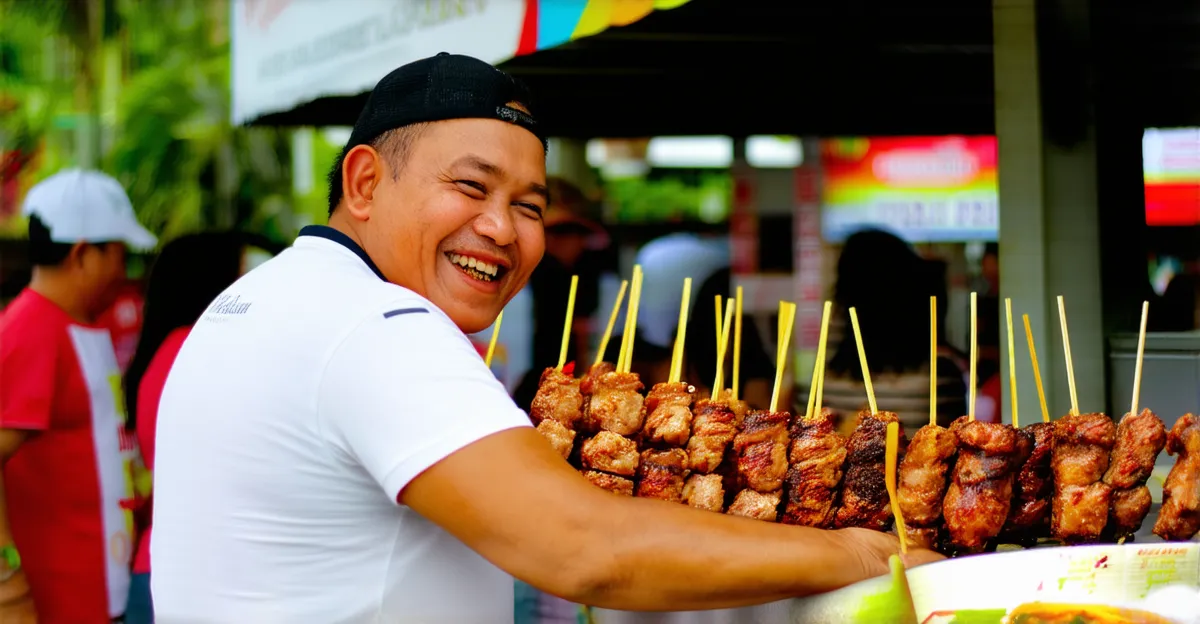
The Davao Food Festival is a vibrant celebration of the city’s culinary delights, particularly its tantalizing street food scene. This festival showcases a variety of local street food that reflects the rich culture of Davao. Popular street foods include Isaw, grilled chicken intestines marinated in special spices, and Balut, a fertilized duck egg that is a delicacy for the adventurous eater.
Another favorite is Kikiam, a deep-fried meat roll that is perfect for snacking. During the festival, vibrant food stalls line the streets, giving visitors a chance to try these dishes in a festive atmosphere.
Make sure to come hungry! The variety of flavors will tantalize your taste buds.
Where to eat: For an authentic street food experience, head over to Roxas Night Market, where you’ll find a plethora of food vendors offering delicious bites that capture the essence of Davao’s culinary spirit.
4. Must-Try Seafood Dishes from Davao
💡 Pro Tip: Book your Davao City adventures in advance through Viator for the best deals!
Davao, being a coastal city, offers an incredible variety of seafood dishes that are a highlight of the local cuisine. One of the must-try dishes is the famous Sinigang na Baboy sa Bayabas, a savory pork soup made with guava, which perfectly balances the natural sweetness of seafood flavors. Additionally, grilled prawns are a staple, often seasoned simply with salt and lemon or served with a spicy dipping sauce.
Another delightful dish is the Kinilaw, a fresh ceviche made from raw fish marinated in vinegar and lime, mixed with onions, ginger, and chili. This dish showcases the freshness of Davao’s catch, making it a favorite among locals and visitors alike. To truly relish the catch, enjoy it with a side of steaming rice.
Pro Tip: Look for the seafood stalls at the Davao Food Festival for the freshest preparations and authentic flavors.
Where to eat: For an exceptional seafood experience, visit Ranchero Grill known for its grilled dishes or Bahay Kubo, where you can savor local specialties.
5. indigenous Cuisines: The Flavors of Davao
The indigenous cuisines of Davao are remarkable and reflect the region’s rich cultural heritage. Davaoeños take pride in their traditional dishes, such as Pinakbet, a vegetable stew made using local greens and flavored with shrimp paste. Additionally, Durian Bibingka—a rice cake infused with the unique flavor of the locally loved durian—is a must-try dessert that offers a taste of Davao’s indigenous ingredients.
Another significant dish is Adobo sa Gata, which combines the savory flavor of adobo with creamy coconut milk. The balance of flavors showcases the culinary influences that have merged over time with indigenous styles. The Davao Food Festival embraces these indigenous flavors, allowing visitors to experience authentic ethnic dishes.
Did you know? Indigenous dishes often highlight the abundant produce available in Davao, promoting local farming and sustainability.
Where to eat: For authentic indigenous flavors, try Aling Dionesia’s for a cozy dining experience or Mayang’s Cuisine, which specializes in traditional dishes.
6. Davao Fusion: Modern Takes on Traditional Recipes
Davao’s culinary scene is dynamic, showcasing a delightful range of fusion dishes that blend traditional recipes with modern cooking techniques. One popular dish is the Fusion Sushi, where local ingredients like mango and tuna are used creatively to create a unique twist on sushi rolls. This highlights Davao’s pride in its fresh produce while appealing to global tastes.
Another exciting example is Grilled Tuna Poke Bowl, combining fresh Davao tuna with local vegetables and a flavorful soy sauce mix. This dish has become a favorite among health-conscious diners and showcases a harmonious blend of culture and innovation.
Pro Tip: Explore the Davao Food Festival for innovative dishes that reflect the city’s evolving culinary landscape.
Where to eat: Check out The White House Samal for its inventive menu or GastronOME, known for its fusion creations that expertly blend flavors.
7. Vegetable Abundance: Davao’s Fresh Produce
Davao is renowned for its fresh produce, making it a hotspot for vegetable lovers. The region’s fertile lands are ideal for growing a wide variety of crops, with farmers taking pride in their harvest. Visitors to Davao will find organic vegetables available at local markets, which often supply the base for many traditional dishes. This commitment to freshness is further emphasized during the annual Davao Food Festival, where local chefs showcase vibrant ingredients.
Among the most popular vegetables are kangkong (water spinach), mustasa (mustard greens), and sitaw (string beans), all of which are staples in local recipes. These vegetables not only add nutrition but also flavor to Davao’s famous dishes, such as Pinakbet and Sinigang.
Ready to experience it? Don’t miss the taste of vegetables at various food stalls during the festival!
Where to eat: Check out Magallanes Street Market or Roxas Night Market for vibrant selections and local dishes that highlight Davao’s freshest vegetables.
8. Sweet Treats: Davao’s Unique Desserts
💡 Pro Tip: Book your Davao City adventures in advance through Viator for the best deals!
Davao’s sweet treats are a delightful part of the Davao Food Festival experience. The city is especially known for its Durianlocal fruits like mangosteen and marang.
Another dessert that stands out is the popular ube halaya (purple yam jam). This creamy treat, made with local ube, is often served during special occasions and is gaining popularity outside of Davao. Moreover, the five-layered mango cake offers a refreshing taste, showcasing the region’s abundant mangoes.
Pro Tip: Make sure to try the senorita banana fritters for a crispy and sweet treat!
Where to eat: Look for Alfonso’s Restaurant and Café Tavera to indulge in authentic Davao desserts.
9. Culinary Workshops and Cooking Classes at the Festival
The Davao Food Festival is not only a place to savor delicious foods, but also an opportunity to learn. Numerous culinary workshops and cooking classes are offered, allowing visitors to immerse themselves in Davao’s rich culinary traditions. These interactive experiences are led by talented local chefs who share their insights into the unique ingredients and cooking techniques.
Throughout the festival, participants can learn how to prepare traditional Davao dishes. From mastering the art of making kinilaw (a local ceviche) to exploring the intricacies of sweet dessert preparation, there’s something for everyone. These classes promote local flavors and ingredients while encouraging sustainable cooking practices.
Don’t miss this chance! Engaging in a cooking class can transform your culinary skills and knowledge of Davao cuisine.
Where to eat afterward? Consider visiting the Philippine Culinary Heritage Center to further explore your newfound culinary interests.
10. Top Dining Spots to Experience Davao Cuisine
Davao City is a haven for food lovers, offering a variety of restaurants that showcase the best of the Davao food festival. Here, you will find diverse establishments ranging from casual eateries to fine dining. One must-visit spot is Vikings Luxury Buffet, where you can indulge in an array of local and international dishes. It’s an excellent choice for those who want to taste various flavors in one go.
For authentic Davao cuisine, head to Ranchero Grill, known for its traditional dishes, especially the succulent grilled meats. Kusina Dabaw is another gem, offering local favorites such as Sinigang na Baboy and Lechon Kawali. These eateries often feature seasonal ingredients, making their offerings both fresh and flavorful.
If you are looking for a unique dining experience, try Blue Post Boiling Crabs and Shrimps, where you can enjoy seafood feasts in a casual setting. Their spicy crab and shrimp are incredibly popular, especially during the Davao Food Festival.
Pro Tip: Don’t forget to ask for the local specialties when dining out—they are often the highlight of the menu!
To wrap up your culinary adventure, visit Jack’s Ridge, which not only serves delicious dishes but also offers a stunning view of Davao City. This restaurant beautifully combines great food with the breathtaking scenery, truly enhancing your dining experience.
The Davao Food Festival is a unique opportunity to experience the culinary richness of this vibrant city, offering a diverse range of flavors and dining experiences. Whether you’re sampling street food or joining cooking classes, the festival sets the stage for a memorable culinary adventure. Don’t miss your chance to discover and indulge in the delicious local dishes that Davao has to offer!
Frequently Asked Questions
A: Don’t miss dishes like grilled tuna, sinuglaw, and durian desserts.
A: Yes, there are many vegetarian-friendly options showcasing local produce.
A: The festival is typically held in August to coincide with the Kadayawan Festival.
A: The festival usually takes place in various venues throughout Davao City.
A: Yes, participants can sign up for workshops to learn about Davao’s culinary techniques.
A: Unique ingredients include fresh seafood, tropical fruits, and herbs native to the region.