
Davao Cuisines: A Culinary Journey Through the City
Davao cuisines are a feast for the senses! Discover local delicacies, unique dining spots, and flavorful experiences in this captivating destination.
On this page
Davao cuisines reflect the rich cultural heritage and bountiful natural resources of the region, making it a haven for food enthusiasts. The city is known for its diverse flavors, particularly its fresh seafood, tropical fruits, and traditional dishes that showcase the distinct culinary influences of various local communities. From the world-renowned Davao Durian to various indigenous offerings, Davao cuisine is a must-experience for any visitor looking to indulge their taste buds in this vibrant gateway of the Philippines.
Key Takeaways
- Davao cuisines offer a rich variety of flavors and dishes reflecting its diverse culture.
- Signature dishes like Davao Durian and Barbecued Tuna Belly are highlights of the local scene.
- Davao’s thriving seafood market showcases the best of fresh catch from the region.
- Food experiences like heritage eateries and food festivals immerse visitors in the culinary charm of the city.
1. Davao Durian: The King of Fruits
Among the many Davao cuisines, durian stands out as the crown jewel. Renowned worldwide, this fruit is often referred to as the “King of Fruits.” With its unique aroma and creamy texture, durian has a polarizing effect; people either love it or hate it. Interestingly, Davao is known for producing the best varieties of durian, including the popular ‘Monthong’ and ‘D101’ types.
During the durian season, which usually peaks between July to October, markets brim with fresh durians. For those willing to indulge, tasting fresh durian is an unforgettable experience. Not only is durian delicious, but it is also nutritious, packed with vitamins and minerals.
Pro Tip: When trying durian for the first time, choose a ripe fruit for the best flavor. Don’t be discouraged by its strong scent; embrace the experience!
Where to eat: To enjoy the freshest durian, visit the local markets such as Marco Polo Davao’s Davao Museum Market or find vendors at the Agdao Market.
2. Barbecued Tuna Belly: A Davao Signature Dish
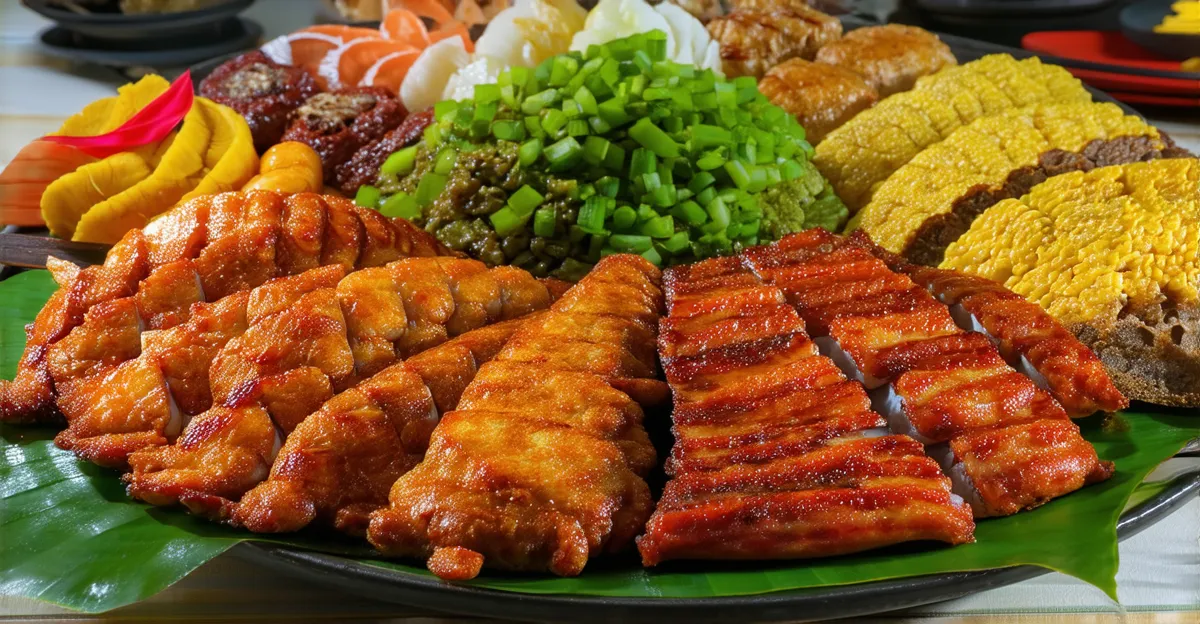
Another must-try Davao cuisine is the renowned barbecued tuna belly, often hailed as a culinary treasure of the region. The Davao Gulf is famous for its fresh tuna, and the belly, known for its rich flavor and tenderness, takes center stage in this dish. Typically marinated in a blend of local spices and grilled over hot coals, the tuna belly is a smoky delight that tantalizes the taste buds.
This dish is not only tasty but also showcases Davao’s abundant seafood culture. It is often served with a side of sawsawan, a dipping sauce made from vinegar and chili, adding an exciting kick to each bite.
Did you know? Barbecued tuna belly is a staple at local fiestas and gatherings, making it a true celebration of Davao’s culinary culture!
Where to eat: For the best barbecued tuna belly, head to Ranchero’s Grill or Pla-pla Seafood Restaurant, where you can enjoy it in its full glory.
3. Sinigang na Baboy: A Traditional Favorite
💡 Pro Tip: Book your Davao City adventures in advance through Viator for the best deals!
Sinigang na Baboy, or pork in sour broth, is a traditional comfort food that represents the heart of Davao cuisine. This dish is characterized by its tangy flavor, which is usually derived from tamarind or other sour fruits. It often includes tender pork, along with a medley of vegetables like eggplant, radish, and kangkong (water spinach).
Notably, sinigang is often enjoyed during family gatherings and special occasions, evoking a sense of nostalgia for many locals. The balance of sour and savory makes it a delightful dish that can warm anyone’s soul.
Pro Tip: Pair sinigang with steamed rice to enjoy a complete meal that is both filling and refreshing.
Where to eat: For the best sinigang na baboy, check out Pancit Malabon Restaurant or Balik Bukid Farm and Kitchen, where you can savor this local classic.
4. Bula: Davao’s Unique Dessert Delight
💡 Pro Tip: Book your Davao City adventures in advance through Viator for the best deals!
Bula is a delightful dessert that hails from Davao and is a must-try for anyone visiting the region. This unique treat is made from glutinous rice, which is steamed into a dough-like consistency. What makes Bula special is the combination of its sweet and nutty flavor, often enhanced with a sprinkle of grated coconut on top. It is typically served warm and highlights the use of local ingredients that are abundant in Davao.
The best part about Bula is that it captures the essence of Davao’s rich agricultural landscape. It is often enjoyed as a snack or dessert, making it perfect for an afternoon break. Whether you’re at a local market or a restaurant, you’ll find this delectable treat being served up with a smile.
Pro Tip: Don’t forget to pair your Bula with a cup of local coffee to truly appreciate the flavors!
Where to eat: You can find Bula at local markets or at Apo View Hotel, where they serve a fantastic version of this dessert. Try it and experience a sweet taste of Davao!
5. Pamana Eatery: A Taste of Davao’s Heritage
When exploring Davao cuisines, a visit to Pamana Eatery is essential. This eatery celebrates the rich heritage of Filipino food, combining traditional recipes with local ingredients. The atmosphere is warm and inviting, making it a great spot for families and friends to gather.
The menu at Pamana boasts a variety of dishes, including Sinigang na Baboy and Kare-Kare, showcasing the deep flavors of Filipino cuisine. What’s more, dishes here are prepared with passion, representing the true heart of Davao’s culinary tradition.
Did you know? Pamana Eatery often sources ingredients from nearby farms, ensuring that every dish is fresh and bursting with flavor.
If you’re looking to experience genuine Davao cuisine, Pamana Eatery offers a slice of the local culture with every meal. It is not just about dining; it’s about savoring the history and stories that come with each dish.
6. Bicol Express: Davao’s Spicy Affair
Bicol Express is a spicy dish that has gained immense popularity in Davao cuisines. This delectable meal features pork, cooked to perfection, and simmered in a rich sauce made from coconut milk and chili peppers. The combination results in a creamy, spicy delight that tantalizes the taste buds.
What sets Davao’s Bicol Express apart is the use of locally sourced ingredients. The richness of the coconut milk combined with the heat of the chilies makes this dish a favorite among spice enthusiasts. It’s a hearty meal that brings warmth and comfort, particularly in cooler weather.
Pro Tip: Pair your Bicol Express with steamed rice to balance the heat and enjoy a complete meal!
Where to eat: For an authentic experience, visit Pilala’s Eatery where their Bicol Express is highly recommended. Enjoy the burst of flavors that will surely make you fall in love with Davao’s culinary scene!
7. Kinilaw: Fresh Seafood Ceviche
Kinilaw is a popular dish in Davao that truly highlights the freshness of its local seafood. This Filipino-style ceviche consists of raw fish, typically tuna or mackerel, marinated in a mixture of vinegar, citrus juices, and spices. The acidity of the vinegar effectively “cooks” the fish, resulting in a dish that is both refreshing and packed with flavor.
Often, ingredients like ginger, onions, and chili peppers are added to enhance the taste. Because of its vibrant mix of flavors, Kinilaw is perfect as an appetizer or a side dish during a sumptuous Davao feast. Pairing this dish with a chilled drink makes for an excellent experience!
Pro Tip: Look for Kinilaw made with freshly caught fish from local markets to enjoy its authentic taste.
Where to eat: If you’re eager to try Kinilaw, head to Hapag Kubo or the bustling Magsaysay Park Seafood Market. Both places serve delicious and authentic versions of this traditional dish.
8. Lujon: These Tasty Rice Cakes
💡 Pro Tip: Book your Davao City adventures in advance through Viator for the best deals!
Lujon, often referred to as rice cakes, is a beloved snack in Davao. Made primarily from glutinous rice flour, it is traditionally steamed and wrapped in banana leaves, giving it a unique taste and aroma. Some versions also include fillings like sweetened coconut or other local delicacies, making it a delightful treat.
These rice cakes are often enjoyed as a snack or dessert and can be found in various markets and eateries across the city. Its chewy texture and subtly sweet flavor make Lujon a favorite among locals and tourists alike.
Did you know? Lujon is often served during special occasions and festivals in Davao, symbolizing good fortune.
Where to eat: For an authentic taste of Lujon, visit Marv’s Lujon, known for its homemade varieties. Alternatively, explore local markets, where you can often find vendors selling warm, freshly-made rice cakes.
9. Fresh Fruits: A Tropical Paradise
Davao is often called the land of fruits, and it’s easy to see why. The region enjoys a tropical climate, making it perfect for growing a wide variety of fresh fruits. Among the most famous are durian, mangosteen, and lanzones. These fruits are not only tasty but also known for their health benefits.
Durian, often referred to as the “king of fruits,” is a must-try for adventurous eaters. Its strong smell might be off-putting, but the custard-like flesh is rich and creamy. Mangoes are another favorite, especially during summer when they are at their sweetest.
Pro Tip: Don’t forget to visit the local fruit stands; they offer a fantastic selection at affordable prices!
Where to eat: You can find fresh fruits at the Davao Public Market or visit the FruiTropical Pavilion, where you can taste and buy different varieties straight from the source.
10. The Seafood Market: Davao’s Bounty on Display
The Seafood Market in Davao is a must-visit for seafood lovers. It showcases the region’s rich marine biodiversity, offering an assortment of fresh catches that are both delicious and diverse. Here, you can find everything from succulent prawns and crabs to various types of fish, all sourced from the nearby waters of Davao Gulf and beyond.
One of the highlights of visiting the seafood market is the vibrancy of the atmosphere. As you walk through the bustling stalls, the sight of colorful marine life will surely tantalize your taste buds. Additionally, many vendors offer the opportunity to buy your seafood and have it cooked on-site, allowing you to savor the freshest flavors right away.
Pro Tip: Don’t miss trying the grilled marine species, especially the grilled tuna, which is a Davao specialty!
Where to eat: The market itself has several small restaurants where you can enjoy your chosen seafood. Alternatively, you can visit Blue Post Boiling Crabs and Shrimps for a casual dining experience that showcases the best of Davao’s fresh seafood.
Overall, experiencing the Davao Seafood Market is not just about tasting wonderful dishes but also immersing yourself in the local culture and the joys of fresh produce.
Davao cuisines provide a flavorful tapestry that speaks to the city’s vibrant culture and history. Whether you’re tantalizing your taste buds with the king of fruits or indulging in delectable seafood dishes, Davao is a culinary destination that invites you to explore. Don’t forget to share your favorite dish or plan your next food trip to Davao to uncover even more gastronomic delights!
Frequently Asked Questions
A: Davao is famous for its Durian, Barbecued Tuna Belly, Sinigang na Baboy, Kinilaw, and Bula.
A: Yes, many restaurants in Davao offer vegetarian-friendly dishes.
A: Visit local markets, take culinary tours, and dine at traditional eateries.
A: Try the durian at local markets like Aldevinco or the Davao Fruit Market.
A: Bula, a rice cake, is a popular dessert that you shouldn’t miss.
A: Yes, Davao’s Kadayawan Festival features a culinary showcase of local dishes.