
Copenhagen Cuisine: Explore Local Dishes and Delights
Discover Copenhagen local dishes! Uncover the best traditional foods, dining spots, and culinary experiences in this captivating city.
On this page
Copenhagen cuisine is a delightful reflection of Denmark’s rich culinary heritage, characterized by fresh ingredients and innovative techniques. With a thriving food scene that ranges from rustic street stalls to Michelin-starred restaurants, the city offers an enticing array of local dishes that entice food lovers from around the globe. In this guide, we will explore Copenhagen’s must-try culinary experiences, highlighting regional specialties, beloved classics, and exciting dining spots that make the city a food lover’s paradise.
Key Takeaways
- Copenhagen local dishes showcase the best of Danish culinary traditions.
- Signature dishes like smørrebrød and rødgrød reflect Denmark’s heritage.
- From casual eateries to fine dining, copenhagen’s food scene caters to all tastes.
- Exploring local markets and food tours is a fantastic way to dive into the culinary culture.
1. Smørrebrød: The Iconic Danish Open Sandwich
One of the most famous Copenhagen local dishes is smørrebrød, the classic Danish open sandwich. This delightful dish consists of a slice of dark rye bread topped with various ingredients. Common toppings include pickled herring, roast beef, egg, and shrimp, all garnished with fresh herbs, onions, or sauces. The combinations are endless, making smørrebrød not only versatile but also visually appealing.
eating smørrebrød is a cultural experience. Traditionally, it’s consumed during lunch and often accompanied by snaps, a strong Danish liquor. Furthermore, enjoying these sandwiches at a local café allows you to savor the local flavors while soaking in Copenhagen’s vibrant atmosphere.
Pro Tip: For an authentic experience, try a smørrebrød with leverpostej (liver pate) topped with crispy bacon!
Where to eat: Head to Restaurant Schønnemann for a traditional smørrebrød experience or visit Vete-Katten, known for its delightful take on this classic dish.
2. Rødgrød: A Traditional Red Berry Pudding
Another beloved Copenhagen local dish is rødgrød, a traditional Danish dessert made primarily from red berries such as strawberries, raspberries, and currants. This sweet pudding is thickened with potato starch and is typically served cold, often with a splash of cream or milk. The bright red Hue and sweet flavor make it a visually appealing and satisfying treat.
Rødgrød is a popular choice during summer when fresh berries are in abundance. Its delightful taste brings a touch of nostalgia and is enjoyed by both locals and visitors alike.
Fun Fact: Rødgrød has a tongue-twisting reputation among non-Danish speakers, making it a favorite phrase to try.
Where to eat: For the best rødgrød, visit Perch’s Thehm, where they serve an exceptional version with homemade cream. Another great spot is Højbro Plads Bageri, known for their delicious desserts.
3. Danish Pastries: A Sweet Taste of Copenhagen
🌟 Local Expert Tip: Get the most out of your Copenhagen visit with guided tours!
No trip to Copenhagen is complete without trying Danish pastries. Known for their rich, buttery flavors and flaky textures, these pastries are a quintessential part of Danish cuisine. Popular varieties include kanelsnegle (cinnamon rolls), spandauer (custard-filled pastries), and wienerbrød, often topped with icing or jam.
These sweet treats are not just a breakfast item; they can be enjoyed anytime throughout the day. Visiting a local bakery, you’ll find a stunning display of pastries that tempt your taste buds. Additionally, the aroma of freshly baked goods wafts through Copenhagen’s streets, drawing in the hungry and curious.
Pro Tip: Pair your Danish pastry with a hot cup of coffee for a true bakery experience!
Where to eat: For an unforgettable pastry, head to Lagkagehuset, reputed for its delicious offerings, or Petite France, a charming bakery specializing in traditional Danish pastries.
4. Frikadeller: Delicious Danish Meatballs
🌟 Local Expert Tip: Get the most out of your Copenhagen visit with guided tours!
One of the highlights of Copenhagen local dishes is undoubtedly Frikadeller, which are tasty Danish meatballs. These meatballs are typically made from a mix of ground pork and beef, seasoned with herbs and spices. They can be served in various ways, but they are most often enjoyed with potatoes and a rich brown gravy.
Frikadeller are not just an everyday dish; they often make an appearance during celebrations and family gatherings. Moreover, they are perfect as leftovers, making them popular for lunchboxes. Many Danes enjoy their Frikadeller with a side of pickled vegetables, adding a delightful crunch and a tangy twist.
Did you know? The best Frikadeller are browned on the stovetop, giving them a unique flavor that you won’t find in oven-baked versions!
Where to eat: For authentic Frikadeller, visit Restaurant Schønnemann, famous for its traditional Danish fare. Additionally, Torvehallerne is an excellent food market where you can find various stalls serving these delicious meatballs.
5. Stegt Flæsk: Crispy Pork Belly Delight
Stegt Flæsk is often dubbed the national dish of Denmark, and for good reason. This dish consists of crispy fried pork belly served with boiled potatoes and a creamy parsley sauce. The combination of textures—from the crunchy skin to the tender meat—creates a delightful culinary experience that captures the essence of Copenhagen local dishes.
This dish is deeply rooted in Danish history and is a cherished comfort food for many. To truly savor Stegt Flæsk, it’s best to enjoy it alongside a refreshing Danish beer, which enhances its flavors beautifully.
Pro Tip: Don’t skip the parsley sauce; it’s the perfect accompaniment to cut through the richness of the pork belly!
Where to eat: For some of the best Stegt Flæsk, try Restaurant Nimb located in Tivoli Gardens, or Flesk in Vesterbro, an eatery dedicated to this crispy delight.
6. Herring: A Classic in Copenhagen Cuisine
Herring is a quintessential ingredient in Copenhagen local dishes and is celebrated in numerous forms. Pickled herring, served on rye bread with onions, capers, and sometimes even beets, is a traditional Danish delicacy. This fish is often featured on the famous Danish smørrebrød, showcasing its versatility.
Danes enjoy herring not just as an appetizer but also as part of festive occasions like Christmas and Midsummer. The wide variety of flavors available—such as curry, mustard, and wine-infused herring—offer a unique tasting adventure.
Did you know? The Danes typically consume herring with snaps, a strong spirit that pairs well with its rich taste!
Where to eat: To sample authentic herring, visit Restaurant Kronborg or Herman’s, where you will encounter herring options prepared in various traditional styles.
7. Danish Hot Dogs: street food Essential
Danish hot dogs are a beloved street food staple in Copenhagen. Often found at stalls and food trucks, these delicious treats are more than just simple sausages. The typical pølser is served in a soft bun and topped with a variety of condiments.
Visitors can choose from options like sweet mustard, crispy fried onions, and pickled cucumber. Moreover, many locals like to add a dollop of remoulade, a tangy mayo-based sauce that adds creaminess to the meal. This unique combination of flavors makes it a truly satisfying bite! To enjoy the full experience, pair your hot dog with a refreshing drink from nearby vendors.
Pro Tip: For the best hot dogs, look for stands near popular attractions like Nyhavn or Tivoli Gardens.
Where to eat: Stand at Hodad’s is famous among locals for its delicious offerings. Also, check out Den Økologiske Pølsemand, known for its organic ingredients and great flavors.
8. Gratinated Lobster: A Gourmet Experience
🌟 Local Expert Tip: Get the most out of your Copenhagen visit with guided tours!
Gratinated lobster is a luxurious dish that showcases the best of Copenhagen’s coastal cuisine. Typically cooked in a creamy sauce with cheese, it’s grilled until golden and bubbling. This dish blends the sweet, tender meat of the lobster with rich flavors, creating a truly decadent experience.
Many chefs add herbs and spices to enhance the taste, while some versions also incorporate nutritious ingredients like spinach or leeks. This melding of flavors results in a gourmet meal that reflects the elegance of Danish dining.
Did you know? Gratinated lobster is often served during special occasions and festive seasons, making it a perfect treat for food lovers.
Where to eat: For an exceptional taste of gratinated lobster, visit Restaurant Krebsegaarden or Henne Kirkeby Kro, both renowned for their seafood dishes and fine dining ambiance.
9. Craft Beer: Tasting Local Brews in Copenhagen
Copenhagen is home to a vibrant craft beer scene that attracts both locals and tourists alike. Numerous microbreweries and pubs celebrate the art of brewing by offering a wide variety of unique beers. From hoppy IPAs to rich stouts, there is a brew for every palate.
Many bars also provide tastings, allowing visitors to explore several flavors at once. Additionally, you’ll find many places partnering with local breweries, reflecting the community’s commitment to quality and innovation. The beer culture is complemented by some establishments serving delicious food pairings, enhancing the overall experience.
Pro Tip: Look for breweries that offer tours and tastings, as they can provide insights into the brewing process and the history of local beers.
Where to drink: For the best craft beer experience, visit Mikkeller Bar or To Øl Bar, both known for their extensive selection and cozy atmospheres.
10. Local Farmers’ Markets: Fresh Produce and Delicacies
Copenhagen’s vibrancy is reflected in its local farmers’ markets, where fresh produce and delicious local dishes come to life. These markets serve as a hub for locals and visitors alike, showcasing not only fruits and vegetables but also artisan products, meats, and dairy. Popular markets include Torvehallerne near Nørreport, which features over 60 stalls selling a variety of Scandinavian foods and delicacies.
At the farmers’ markets, you can find seasonal ingredients that bring authentic Danish flavors to your meals. From ripe berries in summer to root vegetables in winter, the offerings change throughout the year. Sampling local favorites such as homemade cheeses and rye bread is a must. Furthermore, you may come across vendors selling prepared dishes, allowing you to savor Danish cuisine right on the spot.
Pro Tip: Arrive early to the markets for the freshest picks and to experience the lively atmosphere!
Where to eat: For a market experience, Torvehallerne is a great choice, but you can also check out Kødbyen, the Meatpacking District, for trendy eateries that serve fresh local dishes inspired by the market’s produce.
11. Noma: The World-Renowned Restaurant Experience
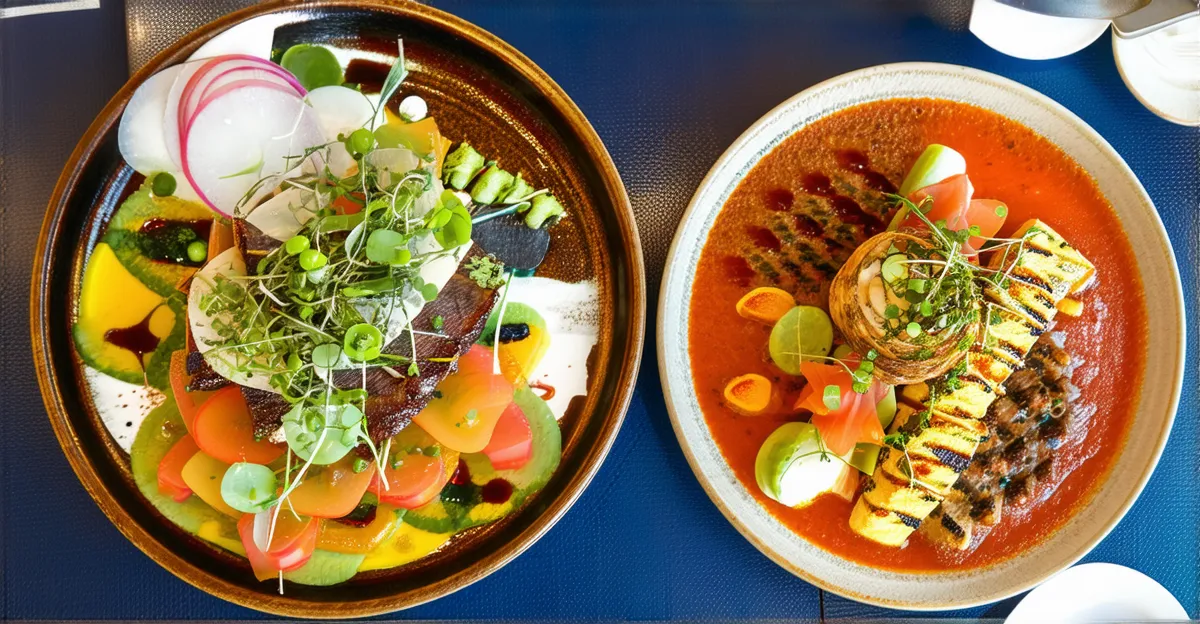
Noma is undoubtedly a crown jewel in Copenhagen’s culinary scene and is famous for its innovative take on local dishes. This two-Michelin-star restaurant has received numerous accolades, including being named the best restaurant in the world several times. Founded by chef René Redzepi, Noma embraces the New Nordic Cuisine philosophy, focusing on local, seasonal, and foraged ingredients.
A meal at Noma is not just about eating; it’s an experience that offers a journey through Denmark’s culinary heritage. The restaurant’s tasting menu is a celebration of unique flavors and textures, featuring dishes that highlight ingredients sourced from the surrounding countryside and coastline. Each course is carefully crafted, making use of traditional and modern techniques.
Did you know? Reservations at Noma are highly sought after, often booked months in advance.
Where to eat: While experiencing Noma is a bucket-list item for many, other fine dining spots like Geranium and Restaurant AOC also offer exquisite local dishes that showcase Copenhagen’s gastronomic talents.
The New Nordic Cuisine Movement in Copenhagen
The New Nordic Cuisine movement is a culinary revolution that has roots in Copenhagen. This movement emphasizes natural flavors, local ingredients, and seasonal cooking. Its mission is to reinvent traditional Scandinavian dishes by focusing on quality and sustainability. It has gained international acclaim and transformed how Danish food is perceived.
Copenhagen is a hotbed for this cuisine, with chefs committed to showcasing the best of what Denmark has to offer. For example, many restaurants source ingredients directly from local farms, caring for the environment while delivering stunning dishes. The movement has popularized lesser-known local dishes, making them accessible to a global audience.
Pro Tip: Explore menus at various restaurants to see how chefs interpret New Nordic Cuisine through their unique perspectives!
Where to eat: For an authentic experience, visit Amass, which prides itself on sustainable practices, or Restaurant Barr, which incorporates traditional Nordic recipes with a modern twist.
Copenhagen cuisine offers a unique blend of tradition, innovation, and flavor that invites every traveler to embrace its local dishes. With every bite, you experience the essence of Danish culture and culinary arts. Don’t miss the chance to explore these delightful offerings and share your favorite dishes on your next trip to Copenhagen!
Frequently Asked Questions
🌟 Local Expert Tip: Get the most out of your Copenhagen visit with guided tours!
A: You must try smørrebrød, frikadeller, and rødgrød while visiting.
A: Visit local bakeries like Lagkagehuset and Østerberg for delightful pastries.
A: Yes, many restaurants focus on plant-based dishes and cater to vegetarians.
A: Absolutely! The Copenhagen Street Food market is a fantastic place for diverse street food.
A: Craft beers and traditional schnapps are popular choices to pair with Danish cuisine.
A: Yes, many casual eateries and food halls offer meals at reasonable prices.
A: Noma is known for its innovative approach to Nordic cuisine, emphasizing local ingredients.