
Copenhagen Cuisines: Discover Local Flavors
Copenhagen cuisines offer a mix of innovative Nordic dishes and classic delights. Explore local flavors and dining gems in Denmark’s capital.
On this page
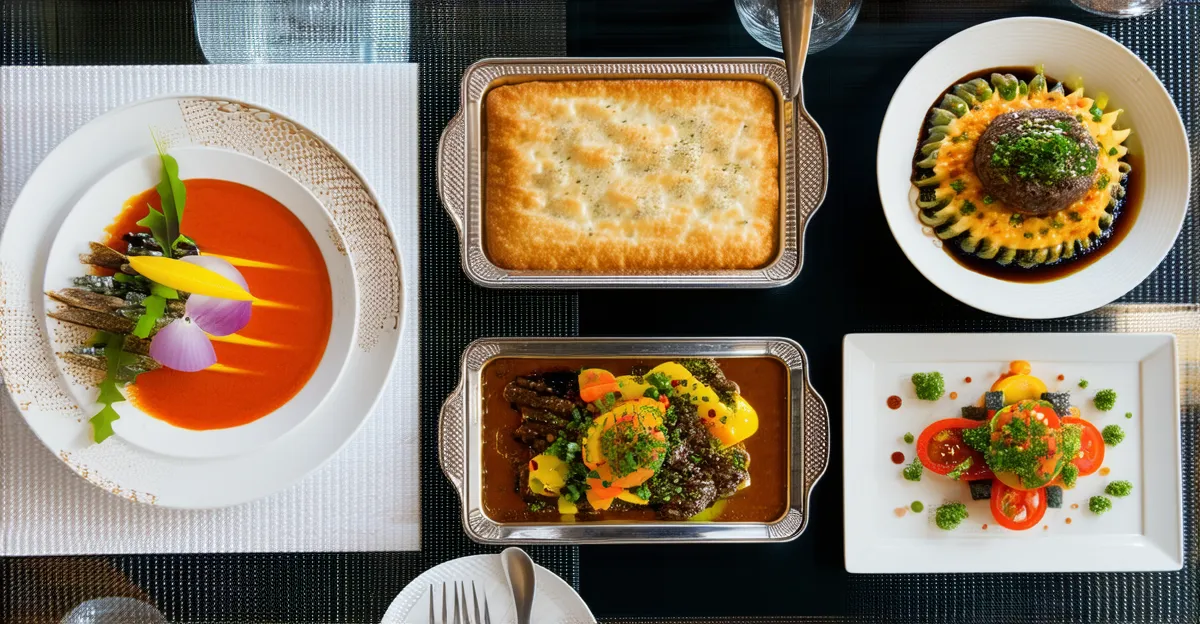
copenhagen cuisines showcase a vibrant tapestry of flavors that reflect both tradition and innovation. As the capital of Denmark, copenhagen blends its rich culinary heritage with modern techniques, creating a unique dining experience for food enthusiasts. From delectable smørrebrød to world-renowned fine dining at Noma, the city invites you to explore its diverse food scene. This guide dives into the must-try local dishes, beloved dining spots, and authentic food experiences that make Copenhagen a paradise for gastronomes.
Key Takeaways
- Copenhagen cuisines combine innovative Nordic dishes with classic ingredients.
- Signature offerings include smørrebrød, pastries, and craft beers.
- food markets and street vendors provide affordable, authentic experiences.
- Culinary tours and fine dining opportunities like Noma highlight the city’s culinary excellence.
1. Smørrebrød: The Iconic Danish Open-Faced Sandwich
Smørrebrød, a traditional Danish open-faced sandwich, is a cornerstone of Copenhagen cuisines. Typically served on dense, rye bread, these sandwiches are artfully topped with a variety of ingredients. Each smørrebrød is a canvas for flavors, featuring ingredients such as herring, shrimp, or roast beef, complemented by garnishes like pickles, herbs, and hard-boiled eggs. This dish showcases the importance of presentation in Danish culinary culture.
Moreover, the toppings are often arranged in colorful and attractive ways, making each bite as pleasing to the eye as to the palate. It’s common to enjoy smørrebrød with a side of aquavit, a traditional Danish spirit, enhancing your dining experience.
Pro Tip: Visit Restaurant Schønnemann to experience classic smørrebrød with a modern twist.
Where to eat: For an authentic taste, you can find this iconic dish at Hallernes Smørrebrødsbutik, renowned for its variety of toppings and quality ingredients.
2. Classic Danish Pastries: A Sweet Indulgence
Danish pastries, or “danishes,” are a beloved treat in Copenhagen cuisines. These flaky and buttery pastries come in various shapes and flavors, often filled with fruit, custard, or almond paste. They are perfect for breakfast, a snack, or dessert! Popular varieties include kanelsnegle (cinnamon rolls), spandauer (cheese-filled pastries), and kringle, a pretzel-shaped pastry topped with icing.
Typically, these pastries are enjoyed alongside a cup of strong Danish coffee. The combination of rich flavors and textures creates a delightful experience for the senses. Many local bakeries prepare these pastries fresh daily, ensuring you get the best quality.
Did you know? The secret to a perfect Danish pastry lies in its layers of butter and dough, which create that characteristic flakiness!
Where to eat: To try these delightful pastries, visit La Glace, one of Copenhagen’s oldest confectioneries, or Bageriet for artisanal creations.
3. New Nordic Cuisine: Innovation on a Plate
🌟 Local Expert Tip: Get the most out of your Copenhagen visit with guided tours!
New Nordic cuisine represents a movement that focuses on using fresh, local, and seasonal ingredients in creative ways. This innovative approach has transformed Copenhagen cuisines and put Denmark on the global culinary map. Chefs embrace traditional techniques while also embracing modern cooking methods.
Restaurants like Noma, which has repeatedly been voted one of the best restaurants in the world, showcase this philosophy by reinventing classic Danish dishes. Diners are treated to artistic presentations that tell a story about the region’s history and agriculture.
Additionally, many chefs prioritize sustainability and zero waste, emphasizing the importance of respecting ingredients and the environment.
Pro Tip: Many restaurants also offer tasting menus, providing a full experience of the flavors and creativity of New Nordic cuisine.
Where to eat: For an experiential journey, make a reservation at Geranium or Restaurant AOC to savor innovative dishes that highlight Denmark’s culinary heritage.
4. Copenhagen street food: Vesterbro’s Culinary Haven
🌟 Local Expert Tip: Get the most out of your Copenhagen visit with guided tours!
Copenhagen’s street food scene is vibrant and diverse, particularly in the Vesterbro district. This area is known for its unique food market, street food on Papirøen, where locals and visitors can immerse themselves in a culinary paradise. Here, you’ll find an array of global flavors, from gourmet tacos to Asian-inspired dishes. The atmosphere is lively, making it a perfect spot to mingle with fellow food enthusiasts.
At Vesterbro’s food market, you can also savor authentic Danish smørrebrød made by skilled vendors. Additionally, the choice of local craft beers complements the food perfectly, enhancing the overall experience.
Pro Tip: Visit during dinner hours for the best vibe and a chance to try the interactive food stalls where chefs often showcase their culinary skills.
Anyone looking for a fun and casual dining experience should not miss Reffen, an outdoor street food market that features a multitude of food trucks and stalls. It’s also a great place to enjoy a sunny day!
5. Frikadeller: Traditional Danish Meatballs
Frikadeller are an essential part of Copenhagen cuisines and can be found in households and restaurants across Denmark. These delightful meatballs are typically made from a mix of pork and veal, seasoned with spices, and fried to golden perfection. They are often served with a side of potatoes, brown sauce, and pickled cucumbers, reflecting traditional Danish comfort food.
While enjoying frikadeller, you’ll discover a variety of flavors and textures, which can vary from one restaurant to another. These meatballs are not only a weekday staple but are also served at celebrations and gatherings, showcasing their importance in Danish culture.
Did you know? Some enjoy their frikadeller with a dash of mustard or remoulade for added flavor!
Where to eat: For the best frikadeller in town, head to Restaurant Schønnemann, known for its authentic Danish cuisine, or try Fleisch, which offers a modern twist on classic dishes.
6. Rød Pølse: The Beloved Danish Hot Dog
No visit to Copenhagen would be complete without trying Rød Pølse, the iconic Danish hot dog that has become a cultural symbol. This steamed red sausage is often served in a soft bun and topped with a variety of condiments, including mustard, ketchup, and crispy fried onions. Many vendors also offer remoulade and pickled cucumbers, adding extra flavor and crunch to this popular street food.
You can find Rød Pølse at street stalls throughout the city, especially around tourist spots and parks. eating a hot dog while strolling through Nyhavn or the City Center is part of the quintessential Copenhagen experience.
Pro Tip: For a true local experience, seek out a hot dog cart after a night out; this is when they are most vibrant and lively!
Where to eat: Don’t miss John’s Hot Dogs for a classic take, or stop by Håndværkerne for a gourmet version that elevates this humble dish.
7. Herring Dishes: A Taste of Scandinavia
Herring is a staple in Copenhagen cuisines and has held a special place in Danish food culture for centuries. This versatile fish is often served in various preparations, ranging from pickled to fried, ensuring a unique taste experience. One popular dish is marinated herring, typically enjoyed on crisp rye bread with accompaniments like onions and capers. Another delightful option is stewed herring, served warm with a rich sauce that packs a flavor punch.
Moreover, herring can be enjoyed as part of the traditional Danish smørrebrød, or open-faced sandwiches, making it a must-try for anyone visiting Copenhagen. The various styles of herring present give a glimpse into the unique aspects of Scandinavian cuisine.
Pro Tip: For the best herring experience, try sampling different marinated varieties at local markets.
Where to eat: Visit Restaurant Schønnemann, known for its exquisite herring dishes served in a classic Danish setting. Another great option is Café Norden, where you can enjoy herring alongside other traditional Danish fare.
8. Flæskesteg: Savory Roast Pork with Crackling
🌟 Local Expert Tip: Get the most out of your Copenhagen visit with guided tours!
Flæskesteg, or roast pork, is a traditional Danish dish that reflects the heartiness of Copenhagen cuisines. This dish features juicy pork, typically seasoned with salt and served with crispy crackling. Flæskesteg is commonly accompanied by a flavorful red cabbage and caramelized potatoes, creating a truly comforting meal.
Notably, it is often served during festive occasions and special family gatherings, showcasing its significance in Danish culture. As you savor the tender meat and crunchy skin, you will understand why Flæskesteg holds a special spot on Danish dinner tables.
Did you know? In Denmark, Flæskesteg is traditionally enjoyed during Christmas gatherings.
Where to eat: For a delicious Flæskesteg, head to Restaurant Taverna dei Fiori, which serves an authentic version of this beloved dish. Alternatively, check out Torvehallerne, a food market that features vendors offering their take on traditional roast pork.
9. Pickled and Fermented Dishes: Trendy Flavors
Pickled and fermented dishes have become increasingly popular in Copenhagen cuisines, highlighting a modern approach to traditional methods of food preservation. These trendy flavors bring out the natural taste of local ingredients while adding a delightful tang to numerous meals. Danish pickles, particularly cucumber and beetroot, often accompany main dishes, while fermented vegetables add an exciting dimension to salads and side plates.
Furthermore, dishes like fermented cabbage and pickled beets showcase the growing fascination with health-conscious and sustainable dining practices. The incorporation of these flavors enhances the complexity of various meals.
Pro Tip: Don’t miss out on trying pickled vegetables at local restaurants; they often elevate traditional dishes.
Where to eat: For an exploration of pickled and fermented dishes, visit Restaurant Bæst, known for its innovative use of local ingredients. Another place to explore is Broens Gadekøkken, where you might find street food with a twist of pickled goodness.
10. Danish Craft Beer: A Toast to Local Brews
Copenhagen is not just about delicious food; it’s also a haven for craft beer lovers. The city boasts a vibrant beer culture with numerous local breweries and bars that offer an impressive range of craft beers. The Danish have a strong passion for brewing, and this is evident in their innovative flavors and unique brewing techniques.
One of the most famous breweries in Copenhagen is To Øl, known for its experimental brews and bold flavors. Another great spot is Amager Bryghus, which emphasizes traditional methods with a modern twist. You can enjoy various styles, from IPAs to stouts, all crafted with local ingredients.
Pro Tip: Join a local brewery tour to taste different beers and learn about the brewing process while enjoying the lively atmosphere of Copenhagen.
Whether you’re looking for a refreshing lager or a rich dark ale, Copenhagen’s craft beer scene has something for everyone. Don’t forget to pair your beer with a Danish dish for a complete experience!
11. A Taste of Copenhagen: food markets to Explore
To truly experience Copenhagen cuisines, visiting the city’s food markets is a must. Markets like Torvehallerne offer a diverse range of fresh produce, gourmet foods, and local specialties. Here, you can sample traditional Danish dishes, artisanal cheeses, and delicious pastries all under one roof.
Another beloved spot is Meatpacking District, known for its vibrant food scene and street food vendors. This area is especially lively during the weekends, where you can find a variety of cuisines from around the world.
Did you know? Exploring food markets gives you a chance to meet local vendors and learn about the cultural significance of various dishes!
For a unique experience, Freetown Christiania offers an alternative food market known for its bohemian vibe and organic options. Each market showcases the richness of Copenhagen’s culinary landscape, making it a perfect outing for food lovers.
12. Culinary Tours: Experience Copenhagen Cuisines
Copenhagen offers a variety of culinary tours that provide a deeper understanding of its vibrant food culture. Joining a culinary tour is an excellent way to explore Copenhagen cuisines while tasting authentic dishes and learning from local chefs and food experts.
On these tours, you can visit local markets, bakeries, and restaurants, sampling everything from smørrebrød to craft beers. Popular tours include the Copenhagen Food Walk and Taste the City Tours, both designed to highlight the best dishes the city has to offer.
Pro Tip: Many tours also focus on sustainable dining practices, showcasing farms and businesses committed to local sourcing and eco-friendly methods.
These culinary experiences not only tantalize your taste buds but also provide insights into Danish cooking traditions and modern innovations, making your visit to Copenhagen truly unforgettable.
13. Seasonal Foods: Embracing Local Ingredients
🌟 Local Expert Tip: Get the most out of your Copenhagen visit with guided tours!
Copenhagen cuisines beautifully embrace the concept of seasonal foods, focusing on fresh and local ingredients. The philosophy behind this movement is to connect diners to the land and sea from which their food originates. In Copenhagen, you’ll find that dishes change with the seasons, offering unique tastes throughout the year.
For example, in spring, you can enjoy fresh asparagus and rhubarb, while summer brings an abundance of tomatoes and berries. Fall highlights root vegetables and game meats, and winter features hearty stews and preserved foods. This cycle of changing ingredients creates a vibrant dining scene, where chefs craft their menus based on what is freshest and in season.
Pro Tip: Always ask locals about seasonal specialties when visiting restaurants—they can lead you to delightful surprises!
Where to eat: For the best seasonal dishes, consider Amass, renowned for its farm-to-table approach. Additionally, Torvehallerne food market features vendors offering seasonal ingredients and ready-to-eat meals inspired by local produce.
14. Dining at Noma: A Journey into fine dining
Dining at Noma, frequently hailed as one of the best restaurants in the world, is a quintessential experience for anyone interested in Copenhagen cuisines. Under the guidance of Chef René Redzepi, Noma emphasizes innovation and seasonal produce, delivering a tasting menu that reflects the essence of Nordic cuisine. The restaurant itself is a blend of minimalist design and rustic charm, enhancing the overall dining experience.
At Noma, guests embark on a culinary journey, tasting unique dishes that showcase foraged ingredients, seafood, and specially prepared meats. Additionally, the experience is complemented by exceptional wine pairings and beautiful plating, making each course a feast for the senses.
Did you know? Reservations at Noma can be challenging, so plan ahead to ensure you don’t miss this gastronomic adventure!
To enhance your visit to Copenhagen, consider booking a table well in advance, as Noma tends to fill up quickly. This fine dining experience is not just about the meal; it’s a celebration of culture and creativity on a plate.
15. Vegetarian Options: Plant-Based Delights in Copenhagen
In recent years, Copenhagen cuisines have increasingly embraced vegetarian options, reflecting a growing trend toward plant-based dining. Many restaurants now cater specifically to vegetarian and vegan diets, offering delicious and innovative dishes that highlight the freshness and flavor of seasonal ingredients.
For instance, popular vegetarian spots like Vegetarisk serve dishes rich in flavors, using local vegetables in their seasonal menus. Another must-visit is Havfrue, known for its creative plant-based dishes, including salads, soups, and hearty mains that appeal to all palates.
Pro Tip: Don’t hesitate to ask restaurants about their vegetarian options; many chefs are happy to accommodate special dietary requests.
Moreover, Copenhagen’s café culture offers a plethora of vegetarian pastries and snacks, perfect for a light meal or midday treat. With a commitment to sustainability and health, the city provides an abundance of plant-based delights, ensuring that everyone can savor its rich culinary offerings.
Copenhagen cuisines offer a delightful exploration of flavors that cater to all tastes and preferences. From traditional dishes to innovative culinary experiences, the city serves as a stage for gastronomic adventures. Don’t miss the opportunity to indulge in its vibrant food scene—plan your visit to Copenhagen and share your favorite culinary experiences with us!
Frequently Asked Questions
A: Copenhagen is known for its smørrebrød, pastries, and new Nordic cuisine that embraces seasonal and local ingredients.
A: Don’t miss out on smørrebrød, flæskesteg, frikadeller, and the various herring dishes.
A: Yes, street food markets and casual eateries offer great budget-friendly choices.
A: Join culinary tours, visit food markets, and savor local eateries for an immersive experience.
A: Yes, Copenhagen has numerous restaurants catering to vegetarian and vegan diets, offering creative plant-based dishes.
A: Pastry shops in the city center, like Lagkagehuset and Ole & Steen, are renowned for their delicious Danish pastries.
A: Torvehallerne and Reffen are popular food markets that feature diverse local and international cuisines.
A: New Nordic cuisine emphasizes local ingredients, seasonal produce, and sustainable practices, reflecting Scandinavian culinary traditions.