
Beirut Traditional Dishes: A Culinary Exploration
Discover Beirut traditional dishes and culinary experiences! Explore vibrant flavors and must-try local dining spots in this guide for food enthusiasts.
On this page
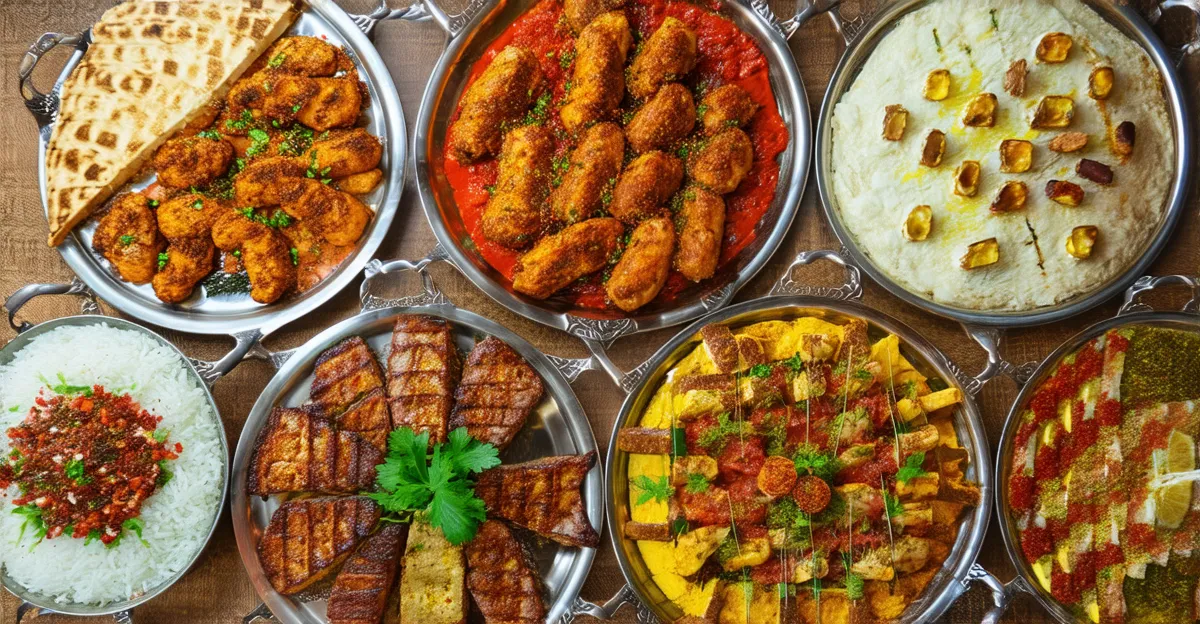
Beirut’s traditional dishes reflect a rich tapestry of culinary heritage and culture, blending flavors from the Mediterranean and beyond. The city’s food scene is an embodiment of its history, showcasing everything from aromatic spices to fresh local ingredients. This guide dives into the must-try traditional dishes and culinary experiences that define Beirut, inviting food lovers to indulge in its vibrant gastronomic offerings, from bustling street food stalls to elegant dining establishments.
Key Takeaways
- Beirut traditional dishes are a delightful fusion of Mediterranean flavors and Middle Eastern spices.
- Signature dishes like hummus, kebbeh, and tabbouleh highlight the city’s culinary diversity.
- street food and fine dining create a rich dining experience for every budget.
- Exploring local markets and food tours offers an immersive experience into Beirut’s food culture.
1. Hummus: A Middle Eastern Classic
Hummus is truly a Middle Eastern classic and one of the most beloved Beirut traditional dishes. This creamy dip is made primarily from cooked chickpeas, tahini, olive oil, lemon juice, and garlic. It is not only delicious but also packed with protein and nutrients, making it a favorite among both locals and visitors. Typically served with pita bread, hummus can also be enjoyed with fresh vegetables as a healthy snack.
To elevate your hummus experience, many restaurants add toppings such as whole chickpeas, olive oil drizzle, or paprika. Additionally, variations exist, including roasted red pepper or coriander-infused hummus, offering exciting flavors for every palate.
Pro Tip: Pair your hummus with warm, fluffy pita to truly enjoy the rich, creamy texture.
Where to eat: For the best hummus in Beirut, visit Al Babour or Abou Elie, both known for their authentic Middle Eastern flavors.
2. Tabbouleh: Refreshing Herb Salad
Tabbouleh is a vibrant and refreshing salad that has become synonymous with Lebanese cuisine. This herb salad primarily consists of finely chopped parsley, mint, tomatoes, onions, and soaked bulgur wheat, all seasoned with olive oil and lemon juice. Tabbouleh is not just a side dish; it often steals the show with its bright flavors and wholesome ingredients.
One of the best aspects of tabbouleh is its versatility. You can adjust the quantities of the ingredients to suit your taste while enjoying the health benefits of fresh vegetables and herbs. The dish is a perfect complement to heavier meals, providing a burst of freshness.
Did you know? Tabbouleh is traditionally served as part of a larger mezze spread, making it a perfect appetizer for sharing.
Where to eat: Check out Fakhreldine for an excellent version of tabbouleh, or head to Man’ousheh for a creative twist on this classic dish.
3. Kebbeh: The National Dish of Lebanon
🎯 Insider Tip: Discover the best Beirut experiences with Viator Tours!
Kebbeh is often hailed as the national dish of Lebanon and is a must-try among Beirut traditional dishes. This dish is made from a mixture of finely ground meat, usually lamb or beef, bulgur wheat, and spices, which is then shaped into balls or patties. Kebbeh can be served raw, baked, or fried, offering varied textures and flavors for every craving.
The most popular version is Kebbeh Nayeh, which features raw meat seasoned with spices. However, many shy away from raw meat dishes, opting instead for the baked version with a savory filling of meat, onions, and pine nuts. Each bite is a flavor explosion, showcasing the rich culinary heritage of Lebanon.
Pro Tip: Kebbeh is best enjoyed with a side of yogurt or tahini sauce to balance the rich flavors.
Where to eat: For an authentic kebbeh experience, visit Restaurant Al-Sultan Brahim or Al-Mirabelle, both renowned for their traditional preparations of this beloved dish.
4. Falafel: Crispy Chickpea Balls
🎯 Insider Tip: Discover the best Beirut experiences with Viator Tours!
Falafel is a beloved dish in Beirut and is an essential part of the city’s traditional cuisine. These crispy chickpea balls are made from ground chickpeas and a mix of herbs and spices. After frying, they develop a wonderfully golden-brown crust while remaining soft inside. Often, falafel is served in pita bread with fresh vegetables and tahini sauce, making it a satisfying meal or snack.
Furthermore, falafel is a popular choice for both vegetarians and meat lovers alike. Its high protein content means it is nutritious without sacrificing flavor. You’ll find it at many street vendors and restaurants throughout Beirut.
Pro Tip: Try adding pickles or spicy sauces for an extra kick!
Where to eat: For the best falafel, head to Abou Hassan or Falafel Sahyoun. Both places are known for their delicious and authentic falafel, greatly loved by locals and visitors alike.
5. Shawarma: A Flavorful street food
Shawarma is another must-try dish when exploring Beirut’s traditional dishes. This popular street food consists of marinated meat, typically chicken or beef, that is slowly roasted on a vertical spit. It’s then shaved off and served in pita bread with a variety of accompaniments like tomatoes, cucumbers, and garlic sauce.
Moreover, shawarma is famous for its rich flavors, thanks to a mix of spices that vary from vendor to vendor. Often, people return for the unique combinations and the experience of enjoying it right from the street stalls.
Did you know? Shawarma is often accompanied by French fries, adding a delightful crunch!
Where to eat: A trip to Shawarma Al a’Lebanon or Adonis is essential for authentic and mouth-watering shawarma that’s sure to impress.
6. Makanek: Spicy Lebanese Sausages
Makanek, or spicy Lebanese sausages, are a staple of Beirut’s culinary scene. Made from minced lamb or beef, these sausages are flavored with an array of spices, including allspice, cinnamon, and sometimes even pine nuts. They are usually grilled or fried until crispy, making them a delicious addition to any meal.
In Beirut, makatnek can be served as an appetizer or alongside rice and vegetables. It’s also common to find them in various mezze platters, perfect for sharing among friends. Due to their rich flavor, they are often a crowd favorite.
Pro Tip: Don’t forget to pair them with a dollop of yogurt for a refreshing balance!
Where to eat: You can enjoy authentic makanek at Al Falamanki or Barbar, both renowned for their flavorful take on this traditional dish.
7. Fattoush: A Zesty Mixed Salad
Fattoush is a vibrant Lebanese salad that captures the essence of Beirut’s culinary traditions. This dish is characterized by its mix of fresh vegetables, such as cucumbers, tomatoes, and radishes, with the addition of crispy fried pieces of pita bread, which give it a satisfying crunch. The salad is generously dressed with a tangy mixture of pomegranate molasses, lemon juice, and olive oil, making it both refreshing and flavorful.
This dish is often enjoyed as a side or appetizer, and its ingredients can change seasonally based on what vegetables are available. Moreover, the use of herbs like mint and parsley adds a fragrant touch. Fattoush is not just a salad; it’s a celebration of the colors and flavors of Lebanese cuisine.
Pro Tip: For a unique twist, add some grilled halloumi cheese to your Fattoush for an added depth of flavor.
Where to eat: For an authentic Fattoush experience, visit Restaurant Al Falamanki or Tabiah Restaurant. Both places offer this dish with a homemade touch and local ingredients.
8. Manakish: Lebanese Flatbread Delicacy
🎯 Insider Tip: Discover the best Beirut experiences with Viator Tours!
Manakish is a beloved Lebanese flatbread that serves as a staple in many households and cafes across Beirut. This dish is often consumed for breakfast or as a light snack. Traditionally, the dough is rolled out and topped with a variety of ingredients, most commonly za’atar, which is a blend of thyme, sumac, and sesame seeds, or cheese.
After baking, the manakish emerges warm and fragrant, making it an irresistible treat. Street vendors often sell manakish, and you can watch as they prepare it fresh in front of you. This delightful flatbread can be enjoyed plain or with accompaniments like olives, tomatoes, or yogurt.
Did you know? Manakish can also be customized with different toppings, including minced meat or spinach, to cater to various tastes.
Where to eat: Don’t miss Man’ousheh, famous for its wide variety of manakish, or Abu Naim for a truly authentic experience.
9. Baklava: Sweet Nut Pastry
Baklava is the star dessert of Lebanese cuisine, renowned for its rich flavors and delicate texture. This sweet pastry is made of layers of flaky phyllo dough, filled with a mixture of finely chopped nuts, such as walnuts or pistachios. It is generously soaked in a sweet syrup flavored with rose water or honey, giving it a moist and aromatic quality.
Often cut into diamond shapes, baklava is as pleasing to the eye as it is to the palate. This dessert symbolizes hospitality and is commonly served during festive occasions, celebrations, and gatherings.
Pro Tip: Pair baklava with a cup of Arabic coffee for a fabulous end to your meal!
Where to eat: For the best baklava in Beirut, head to Sweet Beirut or Bakery Al Antabli, both known for their delicious, freshly made pastries.
10. Arak: The Anise-Flavored Spirit
Arak is a traditional Lebanese spirit that holds a special place in the hearts of locals and is a key component of Lebanese culture and hospitality. This potent beverage is distilled from grapes and flavored with anise, giving it a unique and aromatic profile. Typically served in a small glass, arak is often enjoyed alongside meals, particularly during festive occasions or family gatherings.
The drink is known for its cloudy appearance when mixed with water, which is why it is sometimes referred to as “the milk of the lion.” Drinking Arak is an experience that goes beyond just savoring its flavors; it’s about sharing stories and moments with loved ones.
Did you know? Arak pairs exceptionally well with mezze platters, enhancing the flavors of various Lebanese dishes.
For those visiting Beirut, sampling Arak is a must. Head to traditional restaurants or local bars, such as Bar Oriental or Mohammed Al-Khal, where you can enjoy this delightful spirit along with your favorite Beirut traditional dishes. Just remember to drink responsibly and savor the experience!
Beirut’s traditional dishes are a feast for the senses, encapsulating the essence of Lebanese cuisine through vibrant flavors and time-honored recipes. Whether dining in a local eatery or enjoying street food, every meal is an opportunity to connect with the city’s rich culinary traditions. Plan your culinary adventure in Beirut, and share your favorite dishes to keep the exploration alive!
Frequently Asked Questions
A: Hummus, kebbeh, tabbouleh, falafel, and shawarma are must-try dishes.
A: food stalls, local eateries, and markets provide budget-friendly meals.
A: Beirut is known for its diverse traditional dishes that blend Mediterranean and Middle Eastern influences.
A: Joining food tours, cooking classes, and visiting local markets are great ways to immerse yourself in the food culture.
A: Yes, many traditional dishes are vegetarian-friendly, such as hummus and tabbouleh.
A: Tipping is appreciated but not mandatory; rounding up the bill is common.