
Ayacucho Traditional Dishes: A Culinary Adventure
Discover the rich flavors of Ayacucho traditional dishes. Explore local favorites, street food, and dining experiences in Peru’s culinary heart.
On this page
Ayacucho, a picturesque city nestled in the Peruvian Andes, is famed for its rich cultural heritage and unique culinary traditions. This region boasts a variety of authentic flavors that reflect its Andean roots, making Ayacucho traditional dishes a must-try for any food lover. From hearty stews to delicious pastries, the local cuisine offers a blend of ingredients and techniques that showcase Peru’s diverse gastronomy. In this article, we will delve into the signature dishes and dining spots you shouldn’t miss while exploring the culinary landscape of Ayacucho.
Key Takeaways
- Ayacucho traditional dishes offer a rich variety of authentic flavors.
- Signature dishes like Pachamanca and Sopa de Quinua highlight the region’s culinary heritage.
- Local favorites range from street food to home-cooked meals, catering to diverse palates.
- Exploring local markets and food stalls is the best way to experience the vibrant food culture.
1. Pachamanca: A Taste of Earth and Tradition
Pachamanca is one of the most celebrated Ayacucho traditional dishes, deeply rooted in the customs of the region. This dish involves cooking a variety of meats, potatoes, and vegetables in an underground oven, which gives it a unique earthy flavor. Traditionally, whole lamb, chicken, and even cuy (guinea pig) are used, seasoned with local herbs and spices. The preparation process is not just a meal; it’s a social event, often enjoyed during special occasions and family gatherings.
The name “Pachamanca” comes from the Quechua word “Pachamama,” meaning Mother Earth, emphasizing the connection to nature. Additionally, the dish is typically accompanied by a variety of sauces for dipping, enhancing its deliciousness. Each bite brings a taste of Ayacucho’s rich agricultural heritage, showcasing the importance of community in its preparation.
Pro Tip: To experience the authentic flavor of Pachamanca, seek out local festivals in Ayacucho where this dish is often prepared in traditional methods.
Where to eat: For an exceptional Pachamanca experience, visit Restaurante La Casita de Mamá, which specializes in this traditional dish.
2. Ayacuchano Huacatay Sauce: A Herbaceous Delight
Ayacuchano Huacatay Sauce is an essential condiment that elevates many Ayacucho traditional dishes. Made from the fragrant huacatay herb, typically combined with garlic, chili peppers, and cheese, this sauce offers a vibrant blend of flavors. It’s commonly served with roasted meats, but its versatility allows it to accompany a variety of dishes.
What makes huacatay so special is its aromatic profile, which includes notes of mint and basil. This sauce not only adds a kick to meals but also represents the biodiversity of the region. The combination of fresh ingredients creates a flavor that is both unique and refreshing. Moreover, you can experiment by adding it to salads or grilled vegetables for an added depth of flavor.
Did you know? Huacatay is also known as black mint and is a staple in Peruvian gastronomy.
Where to eat: Visit Café del Pueblo to try their famous grilled meats smothered in huacatay sauce.
3. Sopa de Quinua: The Nutritious Superfood Soup
🌟 Local Expert Tip: Get the most out of your Ayacucho visit with guided tours!
Sopa de Quinua is a staple soup in Ayacucho, renowned for its nutritious benefits. This hearty dish combines quinoa, a superfood, with vegetables, meat, and spices to create a wholesome and filling meal. The use of quinoa, which is native to the Andes, makes this soup rich in protein and essential nutrients.
The soup is typically garnished with fresh herbs and sometimes even a squeeze of lime, enhancing its flavor and freshness. It’s a popular dish among locals, especially during colder months, for its comforting properties. Additionally, Sopa de Quinua is often enjoyed during festive occasions, making it a beloved part of Ayacucho cuisine.
Moreover, this dish is not just good for the body but also a delightful culinary experience, offering a taste of traditions passed down through generations.
Pro Tip: For a unique twist on Sopa de Quinua, try adding some local vegetables like oca or yucca.
Where to eat: Don’t miss Restaurante Sabor Ayacuchano for an authentic bowl of Sopa de Quinua.
4. Mondongo: A Hearty Ayacucho Stew
Mondongo is a cherished Ayacucho traditional dish that showcases the region’s flavors and culinary traditions. This hearty stew is primarily made with tripe, which is slow-cooked until tender. It often includes an array of spices, potatoes, and a unique blend of local herbs. The rich, savory broth is packed with nutrients and flavors, making it a popular choice among locals and visitors alike.
This dish is typically served hot, offering warmth and satisfaction. It often features a touch of ají amarillo and is garnished with fresh cilantro, adding an extra layer of flavor. Traditionally enjoyed during family gatherings or communal meals, Mondongo reflects the essence of Ayacucho’s culinary culture.
Pro tip: Enjoy Mondongo with a side of rice or corn to balance its rich flavors.
Where to eat: For an authentic taste of Mondongo, visit Los Faroles or El Pucalpa, both known for their traditional preparations of this delicious stew.
5. Anticuchos: Grilled Secrets of Ayacucho
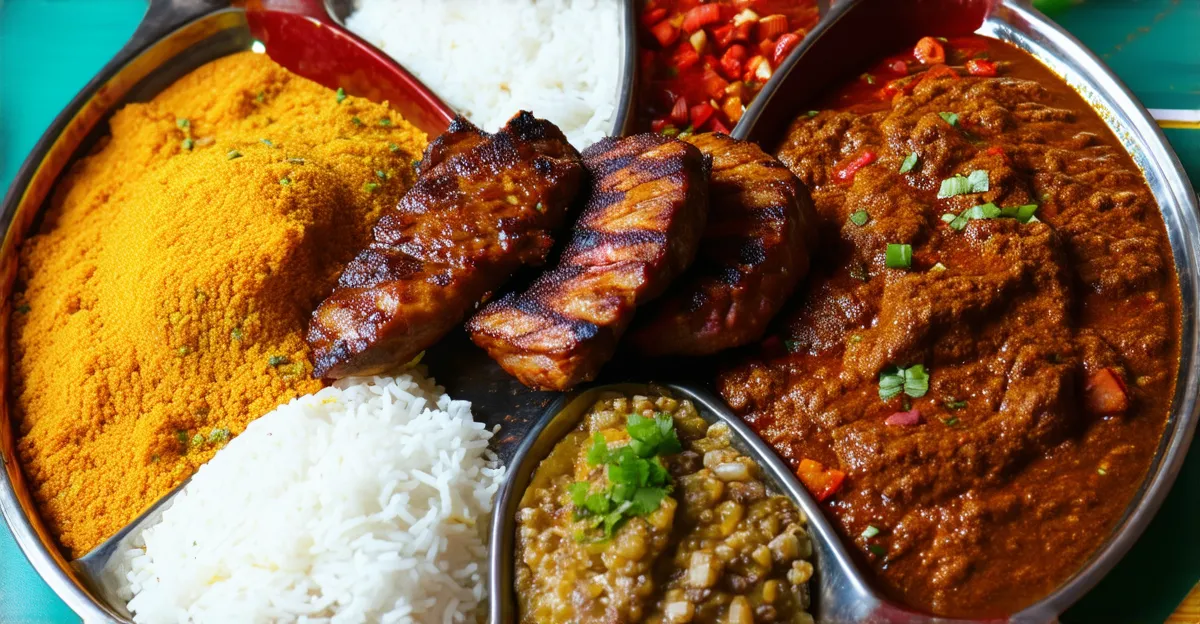
Anticuchos are a popular street food in Ayacucho, featuring skewers of marinated meat, typically beef heart. These flavorful skewers are seasoned with spices and aji panca, giving them a distinct taste. Grilled to perfection, they are often served with boiled potatoes or corn, making them a filling snack or meal.
Not only are Anticuchos delicious, but they also represent a vital part of Ayacucho’s food culture. Vendors often prepare this dish in open-air markets, allowing you to enjoy it straight from the grill. The smell of grilled meat wafting through the air is irresistible!
Did you know? Anticuchos are often enjoyed alongside choclo and a zesty huacatay sauce for an added kick.
Where to eat: Check out Anticuchos de la Plaza or El Anticuchero for some of the best Anticuchos in Ayacucho.
6. Ayacucho Cheese: Creamy Indulgence
Ayacucho cheese is renowned for its creamy texture and rich flavor, making it a highlight of the local cuisine. This cheese is often made from cow’s milk and features a slightly tangy taste that pairs perfectly with various dishes. It can be enjoyed on its own, melted in recipes, or served alongside fruits and pisco.
The crafting of Ayacucho cheese reflects the region’s agricultural heritage, with many local producers using ancient methods passed down through generations. This artisanal touch contributes to its unique taste and quality.
Pro tip: Try Ayacucho cheese in a queso helado, a delicious dessert that melds creamy cheese with spices.
Where to eat: For the best Ayacucho cheese, visit local markets like Mercado Central or enjoy it at Restaurant La Casona, which showcases it prominently in their dishes.
7. Picante de Cuy: A Unique Culinary Experience
🌟 Local Expert Tip: Get the most out of your Ayacucho visit with guided tours!
Picante de Cuy is one of the most iconic Ayacucho traditional dishes, showcasing the rich cultural heritage of the region. This unique meal features guinea pig, which is a traditional source of protein in Peru, especially in the Andean areas. The guinea pig is marinated with spices and then slow-cooked, resulting in tender, flavorful meat. It is often served with a spicy sauce made from a blend of local ingredients, including Ayacucho’s beloved huacatay, which adds a distinct herbal flavor.
Traditionally, this dish is enjoyed during special occasions and celebrations, symbolizing festivity and community. The bright colors of the accompanying sides, often including potatoes and rice, make Picante de Cuy a feast for both the eyes and the palate.
Pro Tip: Pair your Picante de Cuy with a glass of local chicha to enhance the flavors!
Where to eat: For an authentic experience, visit La Casa del Cuy, where they expertly prepare this traditional dish. Another great spot is Restaurante El Buen Sabor, known for its warm atmosphere and excellent Cuy dishes.
8. Tejas: Sweet Confections of Ayacucho
Tejas are delectable sweet confections that define the Ayacucho traditional dishes. These treats are made from a combination of caramel, nuts, and a chocolate outer layer, creating a mouthwatering experience with each bite. Originating from Ayacucho itself, their preparation requires skill and care, making them a cherished part of local celebrations and festivities.
Tejas come in different flavors, with fillings such as almonds, walnuts, and even fruits. They are not only delicious but also serve as an excellent souvenir to bring back home, showcasing the region’s culinary artistry.
Did you know? Tejas are often given as gifts during local festivities, symbolizing joy and sweetness in life.
Where to eat: For the best Tejas, head to Confitería la Ideal, famous for its elaborate sweet treats. Additionally, La Época offers a delightful selection of handmade Tejas that capture the authentic flavors of Ayacucho.
9. Arroz con Pato: A Savory Rice Dish
Arroz con Pato is a savory rice dish that prominently features duck, combining flavors that represent the essence of Ayacucho traditional dishes. In this dish, the duck is braised until tender and mixed with rice cooked in a rich broth infused with spices and herbs. This results in a comforting and hearty meal that is both elegant and indulgent.
This dish is often accompanied by a fresh salad or sautéed vegetables, enhancing the overall dining experience. Arroz con Pato is perfect for celebrating special occasions or simply enjoying a flavorful meal with friends and family.
Pro Tip: The secret to a great Arroz con Pato lies in using high-quality duck and fresh herbs.
Where to eat: For a fantastic Arroz con Pato, El Huacatay offers a memorable rendition that locals love. Another must-visit is Restaurante La Casona, known for its delicious takes on traditional Peruvian dishes.
10. Chicha: A Traditional Fermented Drink
🌟 Local Expert Tip: Get the most out of your Ayacucho visit with guided tours!
Chicha is a traditional fermented drink that holds a special place in Ayacucho’s culinary culture. This beverage is primarily made from corn, and its preparation is steeped in ancient customs, making it more than just a drink; it is a symbol of community and heritage. At its core, chicha is made by fermenting corn, which can take on sweet, sour, or slightly alcoholic flavors depending on the fermentation process.
While there are different varieties of chicha, the Chicha Morada is particularly popular, which is made from purple corn, spices, and fruits, resulting in a refreshing and caffeine-free beverage. Additionally, visitors to Ayacucho are likely to encounter different versions served at local celebrations, enriching the experience with traditional music and dance.
Fun Fact: In Ayacucho, chicha is often used in rituals and communal gatherings, emphasizing its deep cultural significance.
Where to drink: To savor authentic chicha, visit La Sazón del Ande, known for its rich flavors and traditional presentation. Alternatively, try Chichería La Pasión, where you can experience a festive atmosphere along with this beloved beverage.
Exploring Ayacucho’s traditional dishes allows you to experience the rich culinary tapestry of Peru. The unique blend of flavors, spices, and cooking methods makes each dish a celebration of the region’s heritage. Whether you’re dining at a local eatery or trying street food, Ayacucho’s gastronomy is sure to leave a lasting impression. Plan your culinary journey to Ayacucho today and indulge in its remarkable flavors!
Frequently Asked Questions
A: Ayacucho is renowned for its hearty traditional dishes, especially Pachamanca and Mondongo.
A: Pachamanca, Sopa de Quinua, and Anticuchos are essential culinary experiences.
A: Yes, many dishes can be made vegetarian-friendly, and ingredients like quinoa are commonly used.
A: Local markets and family-run restaurants are great for authentic Ayacucho cuisine.
A: Chicha, a traditional fermented drink, pairs wonderfully with many local dishes.
A: Ayacucho offers a range of dining options, from budget-friendly street food to upscale dining.