
Ayacucho Cuisines: Uncover Local Culinary Treasures
Dive into Ayacucho cuisines and discover the region’s rich flavors, traditional dishes, and must-visit dining spots in this food lover’s guide.
On this page
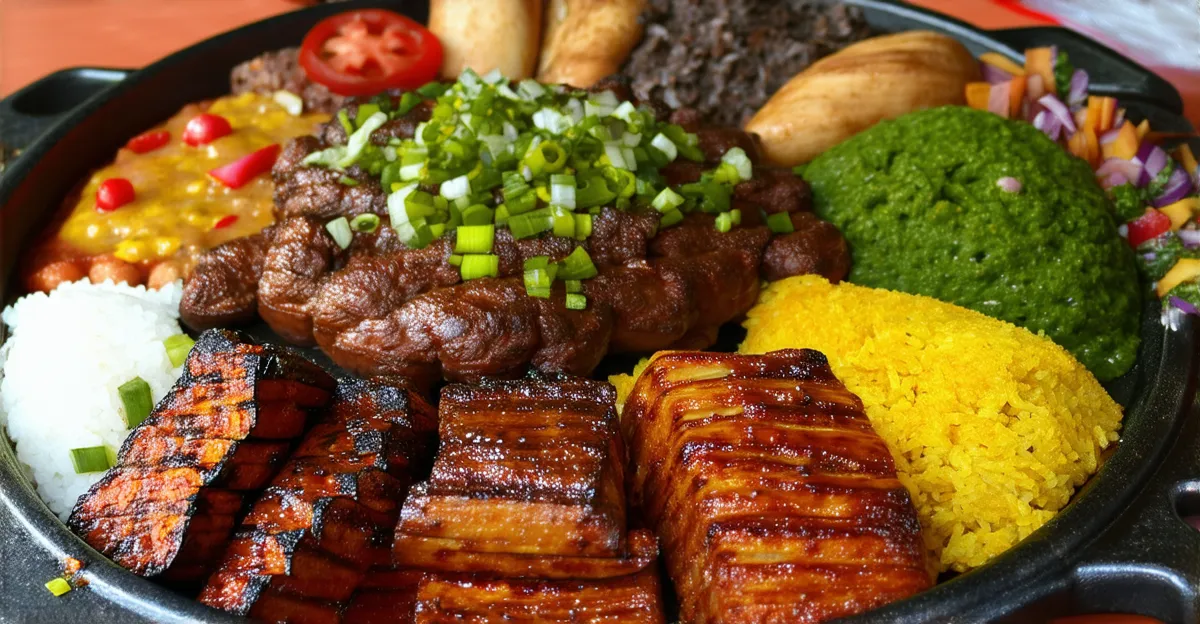
Ayacucho, located in the heart of Peru, is a region renowned for its rich cultural heritage and diverse cuisine. The local food scene reflects the region’s blend of indigenous ingredients and traditional cooking techniques, making it a haven for food lovers. From hearty meat dishes to unique local pastries, Ayacucho cuisines offer a taste of authentic Peruvian flavors that are a must-experience for any traveler. This guide will take you through the most iconic local dishes and dining spots to help you savor the culinary treasures of Ayacucho.
Key Takeaways
- Ayacucho cuisines feature a vibrant blend of traditional Andean flavors.
- Signature dishes like pachamanca and sopa de maní highlight the region’s culinary identity.
- The diverse food scene offers options for every taste and budget.
- Exploring local markets and traditional restaurants can enhance your Ayacucho food experience.
1. Pachamanca: The Traditional Ayacucho Feast
Pachamanca is a unique dish that represents the heart of Ayacucho cuisines. This traditional feast is cooked underground using hot stones, giving it a rich, smoky flavor. The preparation typically involves marinated meats such as lamb or pork, along with a variety of vegetables like potatoes and corn. Everyone gathers around to celebrate while the pachamanca cooks, often for several hours.
The communal aspect of this dish makes it more than just a meal; it’s an experience. As the stones trap the heat, it creates a tender, juicy meat dish that’s unlike any other. Often, it is served during festivals and special occasions, highlighting its cultural significance in Ayacucho.
Did you know? Pachamanca translates to “earth pot” in Quechua, emphasizing its cooking method!
Where to eat: For an authentic pachamanca experience, visit Huarique Restaurant in Ayacucho, known for its rustic ambiance and delicious traditional feasts.
2. Ayacucho Queso Helado: A Sweet Delight
One cannot mention Ayacucho cuisines without highlighting Queso Helado. This delightful dessert is not made from cheese, as the name might suggest, but rather from evaporated milk, sugar, and a blend of spices like cinnamon and vanilla. The mixture is frozen to create a treat reminiscent of ice cream but with a unique texture and flavor.
Queso Helado is often served in cups, garnished with fruits or nuts, making it a refreshing way to end a meal. It’s particularly popular during the warm seasons, providing a sweet escape from the heat. Locals enjoy this dish at fairs and festivals, where it is sold from colorful street carts.
Pro Tip: Don’t be surprised if you find different variations of this treat with unique flavors; each vendor has their special recipe!
Where to eat: Make sure to stop by Heladería La Gran Fría for a classic Queso Helado experience in Ayacucho.
3. Sopa de Maní: A Hearty Peanut Soup
🌟 Local Expert Tip: Get the most out of your Ayacucho visit with guided tours!
Sopa de Maní is another staple in Ayacucho cuisines that warms the soul. This hearty peanut soup is made from ground peanuts, vegetables, and often includes pieces of meat or chicken. The creamy texture and rich flavor come from simmering the ingredients together, allowing them to meld beautifully.
This dish is particularly popular in the cooler months, providing comfort and nourishment. It’s traditionally served with rice and can be garnished with hard-boiled eggs or avocado slices for added flavor and texture.
Fun Fact: Sopa de Maní is so loved that it’s often prepared for special family gatherings!
Where to eat: If you’re in Ayacucho, head to Restaurante La Plaza to enjoy a bowl of their renowned Sopa de Maní.
4. Contento: A Savory Andean Stew
Contento is a delicious traditional dish from the Ayacucho region, showcasing the culinary heritage of the Andes. This savory stew is typically prepared with tender pieces of beef or lamb, simmered for hours with a mix of local vegetables such as potatoes, carrots, and peas. The slow cooking process makes the meat incredibly juicy and flavorful. Importantly, spices like aji (Peruvian chili) and cumin give this stew its unique taste.
Notably, Contento is often enjoyed during festive occasions, as it’s perfect for sharing with family and friends. It represents comfort food at its best, warming both the body and spirit. Everyone gathers around the table to savor this hearty meal.
For an authentic experience, serving Contento with white rice is a must, allowing you to soak up all the delicious flavors of the broth.
Where to eat: Look for Restaurante La Casona Ayacucho in the heart of the city for a taste of this delightful stew.
5. Causa Rellena: A Cold Potato Specialty
Causa Rellena is a vibrant and refreshing dish that perfectly embodies the essence of Ayacucho cuisines. Made from mashed yellow potatoes, this dish is a delightful blend of flavors and textures. The potatoes are mixed with lime juice and aji amarillo (a yellow chili pepper), giving it a tangy taste and a golden Hue. It is then layered with various fillings like avocado, chicken, or tuna salad.
This cold dish is often garnished with olives and hard-boiled eggs, making it not just tasty but also visually appealing. Due to its refreshing nature, Causa Rellena is a popular choice for warm days and gatherings.
Tip: Causa can be served as a starter or a light main dish, making it a versatile option for any meal.
Where to eat: For the best Causa Rellena, head to La Plaza de Armas, where you can find local eateries serving this classic dish.
6. Carnero al Horno: Oven-Roasted Lamb
Carnero al Horno is one of the standout dishes in Ayacucho and is celebrated for its rich flavors. This dish features young lamb marinated in a blend of spices, including garlic, cumin, and aji, which is then roasted in the oven until tender. The lamb is often cooked for several hours, allowing the flavors to deeply penetrate the meat.
Traditionally served during special occasions and celebrations, this dish showcases the significance of lamb in Ayacucho cuisine. Its crispy exterior contrasts beautifully with the tender meat inside, making it a dish that is both hearty and satisfying.
Pro Tip: Pair Carnero al Horno with local sides like papa a la huancaina for a truly authentic culinary experience.
Where to eat: For an exceptional Carnero al Horno, visit Restaurante El Cholo, where you can enjoy an entire feast dedicated to this delicious lamb dish.
7. Humitas: Corn Cakes with Flavor
🌟 Local Expert Tip: Get the most out of your Ayacucho visit with guided tours!
Humitas are a traditional dish in Ayacucho cuisines that highlight the region’s love for corn. These savory corn cakes are typically made from fresh ground corn mixed with cheese, spices, and sometimes added herbs. After the mixture is prepared, it is wrapped in corn husks and steamed until fluffy and delicious. People often enjoy humitas as a snack or a side dish during meals.
Humitas are not only flavorful but also truly represent the agricultural richness of the Andes. The sweetness of the corn complemented by the creaminess of the cheese creates a delightful taste that is hard to resist. Furthermore, many families have their own secret recipes, adding a personal touch to this popular dish.
Pro Tip: For an authentic experience, try humitas at local markets in Ayacucho where they are sold fresh from home kitchens.
Where to eat: For some of the best humitas, visit La Casa del Queso or El Parque de los Humitas, where locals gather to enjoy this delicious treat.
8. Chicha de Jora: Traditional Fermented Beverage
Chicha de Jora is a staple drink in Ayacucho cuisines, representing the ancient traditions of the Andean people. This fermented beverage is made from jora, a type of corn. The preparation process involves soaking the corn, germinating it, and then mashing it to create a base for fermentation. The result is a lightly alcoholic drink with a distinct flavor that reflects the region’s agricultural roots.
This drink holds cultural significance in many festivals and gatherings, as it is often offered to guests as a sign of hospitality. Moreover, Chicha de Jora can vary in taste, depending on the duration of fermentation and the specific recipe used.
Enjoy Chicha de Jora chilled, especially on hot days; it’s perfect for refreshing yourself after exploring the vibrant streets of Ayacucho.
Where to experience it: Sample authentic Chicha de Jora at local taverns like El Plebeyo or at festival stalls during regional celebrations.
9. Picarones: Peruvian Sweet Potato Doughnuts
Picarones are a beloved treat found in Ayacucho cuisines and across Peru. These delightful sweet potato doughnuts are deep-fried until golden brown and served warm, drizzled with a sweet syrup made from chancaca (raw cane sugar). What makes picarones unique is the use of sweet potato and squash in their dough, giving them a soft texture and a hint of sweetness.
Often enjoyed as a dessert or a snack, picarones are not only a flavor sensation but also a historical dish rooted in indigenous Peruvian culture. People love them because they pair wonderfully with a cup of coffee or can be a delightful treat on their own.
Don’t miss the chance to try picarones at food stalls during local fairs for an unforgettable taste.
Where to eat: For the best picarones, head to Las Picarones de Tía Vicky which is famed for its traditional recipe and delicious syrup.
10. Ayacuchana Anticuchos: Grilled Heart Skewers
🌟 Local Expert Tip: Get the most out of your Ayacucho visit with guided tours!
Ayacucho is famous for its anticuchos, which are grilled skewers that bring a taste of Andean tradition to the table. Typically made from beef heart, these skewers are marinated in a rich blend of spices and then grilled to perfection. They are often served with potatoes and a spicy sauce called salsa de ají, which adds a zesty kick to every bite.
One of the reasons why anticuchos are so popular in Ayacucho is their deep cultural roots. They are traditionally enjoyed during festive occasions and gatherings, making them a beloved street food. Additionally, the heart is not only flavorful but also affordable, making this dish accessible to everyone.
Pro Tip: To elevate your anticuchos experience, add a squeeze of lime over the skewers before diving in!
For the best Ayacuchana anticuchos, be sure to visit La Casona, where you can savor authentic flavors in a welcoming ambiance. Another fantastic spot is Anticuchos La Chispa, famous for their juicy, grilled skewers and friendly service.
Ayacucho cuisines encapsulate the rich flavors and traditions of Peru’s cultural landscape. Each dish offers a unique taste of the region’s heritage, inviting travelers to indulge in its culinary delights. Whether you’re exploring local markets or savoring a meal at a traditional eatery, Ayacucho promises an unforgettable food journey. Share your experiences and favorite dishes as you embark on this flavorful adventure!
Frequently Asked Questions
A: Ayacucho cuisines are known for their use of indigenous ingredients and traditional cooking methods, offering a variety of authentic flavors.
A: Pachamanca, sopa de maní, queso helado, and carnero al horno are must-try specialties.
A: Yes, local markets and casual eateries provide budget-friendly dining choices.
A: Visiting local food markets, participating in cooking classes, and enjoying food tours can enhance your culinary experience.
A: Yes, many dishes in Ayacucho can be adapted for vegetarian and vegan diets, such as humitas and chicha de jora.
A: The best pachamanca can be found in traditional restaurants that focus on local dishes.