
Zadar Cuisine: Discover Local Flavors and Delicacies
Explore Zadar cuisine through local seafood, traditional dishes, and hidden dining gems in this insightful guide for food lovers visiting Croatia.
On this page
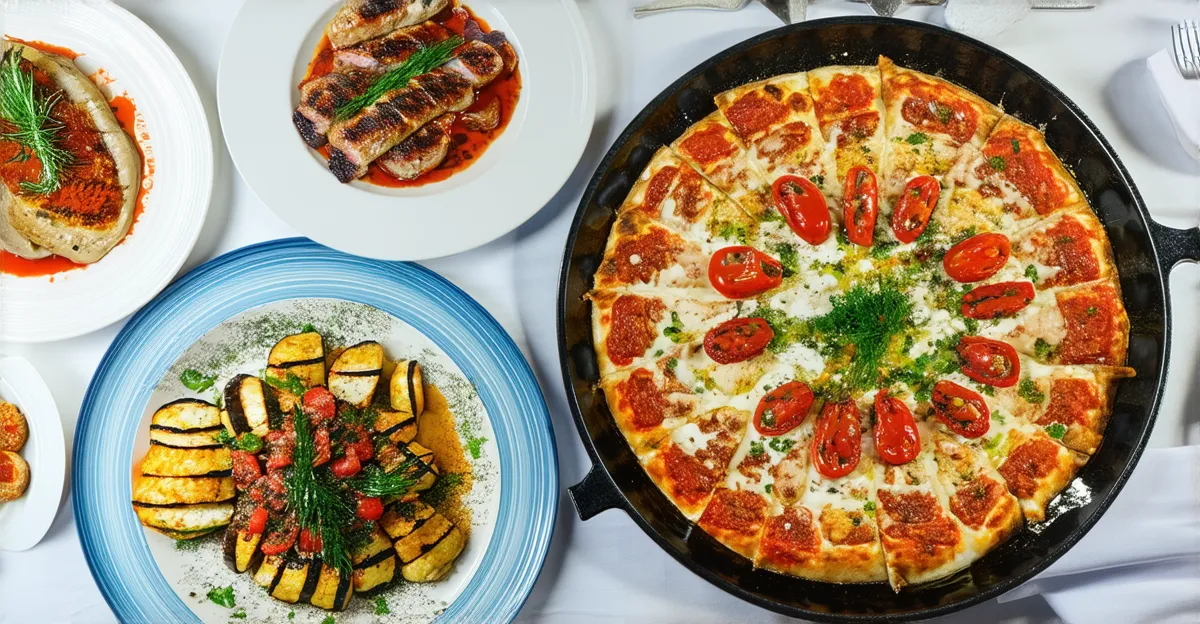
Zadar cuisine is a delightful reflection of the region’s rich history and abundant natural resources, making it a haven for food lovers. Nestled along the stunning Adriatic coast, Zadar boasts a culinary scene that emphasizes fresh seafood, unique local ingredients, and traditional cooking methods. The area’s Mediterranean influence is evident through its vibrant flavors and seasonal dishes, inviting visitors to experience a taste of authentic Croatian culture. This guide highlights the must-try local dishes, dining spots, and immersive food experiences that showcase the charm of Zadar cuisine.
Key Takeaways
- Zadar cuisine offers a unique blend of coastal and traditional flavors.
- Signature dishes like Peka and Pašticada represent local culinary heritage.
- seafood lovers will find a range of fresh catches in Zadar’s restaurants.
- Food markets and street vendors provide a taste of authentic local snacks.
1. Fresh seafood: The Heart of Zadar Cuisine
Fresh seafood is truly the heart of Zadar cuisine, reflecting the city’s location along the stunning Adriatic coast. The region is known for its abundant catch, making dishes like grilled fish, calamari, and seafood risotto a staple on local menus. Fish such as branzino, gulden, and octopus are commonly enjoyed, showcasing the freshness of the sea.
Moreover, the great variety of dishes often highlights grilling as a cooking method. This is significant because it not only preserves the natural flavors of the seafood but also creates a healthy and tasty meal. Enjoying seafood in Zadar is not just about food; it’s also about the experience of dining near the picturesque waterfront.
Tip: Look for restaurants that offer a catch-of-the-day menu to savor the freshest seafood available!
Where to eat: For top-notch seafood, head to Restaurant Foša or Pet Bunara, both of which are well-known for their delicious seafood dishes and stunning views.
2. Peka: Traditional Croatian Slow-Cooked Dish
Peka, a traditional Croatian dish, is a true culinary delight of Zadar cuisine. This method involves cooking meat and vegetables under a metal dome, covered with hot embers. The result? Tender and flavorful dishes that deeply satisfy. Typically, lamb or octopus is used, marinated with aromatic herbs like rosemary and garlic.
The slow cooking technique allows the ingredients to blend beautifully, creating a hearty meal perfect for family gatherings or festive occasions. While experiencing Peka, you can enjoy the social aspect of sharing meals, which is deeply rooted in Croatian culture.
Pro Tip: It’s best to order Peka in advance, as it requires time to prepare for the perfect results!
Where to eat: For a great Peka experience, try Konoba Dalmatina or Restoran Riva, where you can enjoy this dish in a welcoming atmosphere.
3. Dalmatian Prosciutto: A Local Gem
🎯 Insider Tip: Discover the best Zadar experiences with Viator Tours!
Dalmatian prosciutto is another local gem in Zadar cuisine that food lovers should not miss. This dry-cured ham is produced in the Dalmatia region, made using traditional methods that date back centuries. The unique climate, combined with the region’s ideal ingredients, contributes to its distinct flavor and texture.
Usually served thinly sliced, Dalmatian prosciutto pairs wonderfully with cheeses, olives, and fresh bread, making it a delightful appetizer or snack. In addition, it offers a taste of the local culture and tradition, showcasing the pride of Zadar’s culinary heritage.
Did you know? Authentic Dalmatian prosciutto is a Protected Designation of Origin product, ensuring it meets high quality standards!
Where to eat: To try authentic Dalmatian prosciutto, visit Vallis Aurea or Konoba Didov San, both of which serve this tasty delicacy along with an array of other local specialties.
4. Pašticada: Zadar’s Rich Meat Stew
Pašticada is a traditional dish that showcases the heart of Zadar cuisines. This rich meat stew, typically made with beef, is often prepared for special occasions and family gatherings. The beef is marinated in a blend of vinegar, wine, and various spices, creating a tender and flavorful base. The slow-cooking process allows the meat to absorb all the aromatic flavors from ingredients like onions, carrots, and prunes.
Moreover, Pašticada is usually served with homemade gnocchi, which complements the sauce beautifully. This dish is a true representation of Dalmatian heritage, capturing the essence of Croatian cooking traditions. It’s particularly popular around festive seasons, showcasing the communal spirit of Zadar’s culinary culture.
Pro Tip: Don’t forget to pair your Pašticada with local red wine for a complete dining experience.
Where to eat: To savor authentic Pašticada, visit Restaurant 4 Kantuna or Konoba Dalmacija, both celebrated for their traditional Croatian dishes.
5. Grilled Fish: Simplicity and Flavor
🎯 Insider Tip: Discover the best Zadar experiences with Viator Tours!
Grilled fish is a staple of Zadar cuisines and a must-try for seafood lovers. The coastal location of Zadar means that fresh fish is readily available, often caught the same day it’s served. The simplicity of grilled fish highlights the natural flavors, emphasizing freshness and quality.
Typically seasoned with just olive oil, lemon, and sea salt, the fish is grilled to perfection, giving it a smoky taste and flaky texture. Common choices include branzino, sardines, and mackerel. This dish is often accompanied by seasonal vegetables or a side of potatoes, making it a wholesome meal.
Did you know? Grilled fish tastes best when enjoyed by the seaside, with a sunset view over the Adriatic.
Where to eat: Head to Konoba Malo Misto for a delightful grilled fish experience, or try Restaurant Kaldana renowned for its fresh seafood dishes.
6. Olive Oil: Liquid Gold of Zadar
Olive oil holds a special place in Zadar cuisines, celebrated for its exceptional quality and flavor. The region’s Mediterranean climate is perfect for olive cultivation, resulting in high-quality oils that are rich in taste and health benefits. Zadar’s olive oils are often extra virgin, making them suitable for drizzling over salads, grilled meats, and fish.
Using olive oil in Dalmatian cooking not only enhances the dishes but also reflects the local tradition of valuing fresh, natural ingredients. It is common to find various olive oil tastings at local farms, where visitors can learn about the production process and sample different varieties.
Pro Tip: When in Zadar, try blending the local olive oil with balsamic vinegar for a delicious salad dressing.
Where to buy: For the best quality olive oils, visit Olive Oil Museum in the town of Skradin or local farmers’ markets around Zadar.
7. Fritule: Zadar’s Sweet Treat
Fritule are delightful Croatian pastries that hold a special place in Zadar’s cuisine. These deep-fried dough balls are typically flavored with rum or citrus zest, making them a deliciously sweet treat for both locals and visitors. While fritule are often enjoyed during festive occasions, they are equally popular year-round, especially during holidays.
What makes fritule so appealing is their light and airy texture, which perfectly contrasts the crispy exterior. They are commonly dusted with powdered sugar, adding an extra layer of sweetness. Furthermore, many people enjoy pairing them with a cup of coffee or a glass of local rakija, enhancing the overall experience.
Pro Tip: When in Zadar, seek out local bakeries to taste the freshest fritule, as they are best enjoyed warm.
Where to eat: Head to Konoba Stomorica or Dolac Market for an authentic taste of fritule and experience their delightful flavors.
8. Arancini: Candied Orange Peel Delicacies
Arancini, the sweet and chewy delicacies made from candied orange peel, are another popular treat in Zadar’s cuisine. These delightful bites are often infused with citrus flavors and sometimes enhanced with a hint of chocolate or nuts. The process of making arancini is meticulous, as the peels are boiled, candied, and then rolled in sugar.
In Zadar, arancini are commonly enjoyed as a festive treat, especially around Christmas and special occasions. They serve as a perfect representation of the region’s love for citrus fruits, which thrive in the sunny Mediterranean climate.
Don’t miss out on trying arancini while wandering the quaint streets of Zadar!
Where to eat: Look for Gastro Vina and Maraschino for some of the best arancini in town.
9. Pag Cheese: A Taste of the Island
🎯 Insider Tip: Discover the best Zadar experiences with Viator Tours!
Pag cheese, known as paški sir, is a renowned delicacy from the nearby island of Pag that has become a staple in Zadar’s cuisine. This hard sheep’s milk cheese is famous for its unique flavor, which is influenced by the island’s saltbush grass. The cheese has a distinctively sharp taste, often enriched with herbs and spices.
Pag cheese can be enjoyed on its own or paired with various dishes, providing depth and character. It is also an excellent accompaniment to a glass of local wine, making for a quintessential Zadar experience.
Pro Tip: Be sure to sample different varieties of Pag cheese to appreciate its diverse flavors and textures.
Where to eat: Visit Konoba Bonaca or Olive Tree for a chance to taste authentic Pag cheese in delightful culinary creations.
10. Wine Pairings: Discover Local vintages
When it comes to Zadar cuisines, wine plays an essential role, enhancing the dining experience with its depth and flavor. The region is home to several unique varieties that beautifully pair with local dishes. For instance, Plavac Mali is a popular red wine from Dalmatia. It is bold and rich, making it a perfect match for hearty meat dishes like Pašticada.
On the other hand, if you’re enjoying fresh seafood, consider a glass of Pošip, a white wine that offers crisp acidity and aromatic complexity. This wine complements the flavors of grilled fish wonderfully, providing a refreshing contrast.
Pro Tip: Always ask for local wines when dining out; they’ll give you a genuine taste of the region’s heritage.
wine enthusiasts should not miss the chance to try Malvazija, a white wine known for its fruity and floral notes. This delicacy pairs well with lighter dishes and is a staple at many Zadar restaurants and taverns.
Where to drink: For a superb wine experience, check out Wine Bar D’vino for a diverse selection of local vintages. Another great option is Konoba Batan, which offers regional wines paired with traditional Dalmatian fare.
Zadar cuisine is a celebration of fresh ingredients, traditional recipes, and regional specialties. With a diverse range of dishes to explore, this coastal city promises an unforgettable culinary adventure. Whether you’re indulging in grilled fish by the sea or enjoying street food delights, Zadar’s rich flavors will leave you craving more. Share your favorite dishes from Zadar or plan your next food journey to this Mediterranean culinary gem!
Frequently Asked Questions
A: Zadar is known for its fresh seafood, Peka, and local specialties like Dalmatian prosciutto.
A: You should try Peka, Pašticada, fresh seafood, fritule, and Pag cheese when in Zadar.
A: Yes, local bistros and street food vendors offer delicious yet budget-friendly meals.
A: Join food tours, visit local markets, or take a cooking class to immerse yourself in Zadar’s culinary scene.
A: Yes, many restaurants in Zadar offer vegetarian and vegan options, focusing on seasonal vegetables and local produce.
A: The old town offers numerous restaurants known for their fresh seafood dishes.