
Yogyakarta Cuisines: Discover Local Flavors
Yogyakarta cuisines offer a rich tapestry of flavors. Explore local dishes, hidden food gems, and must-try culinary experiences in this guide.
On this page
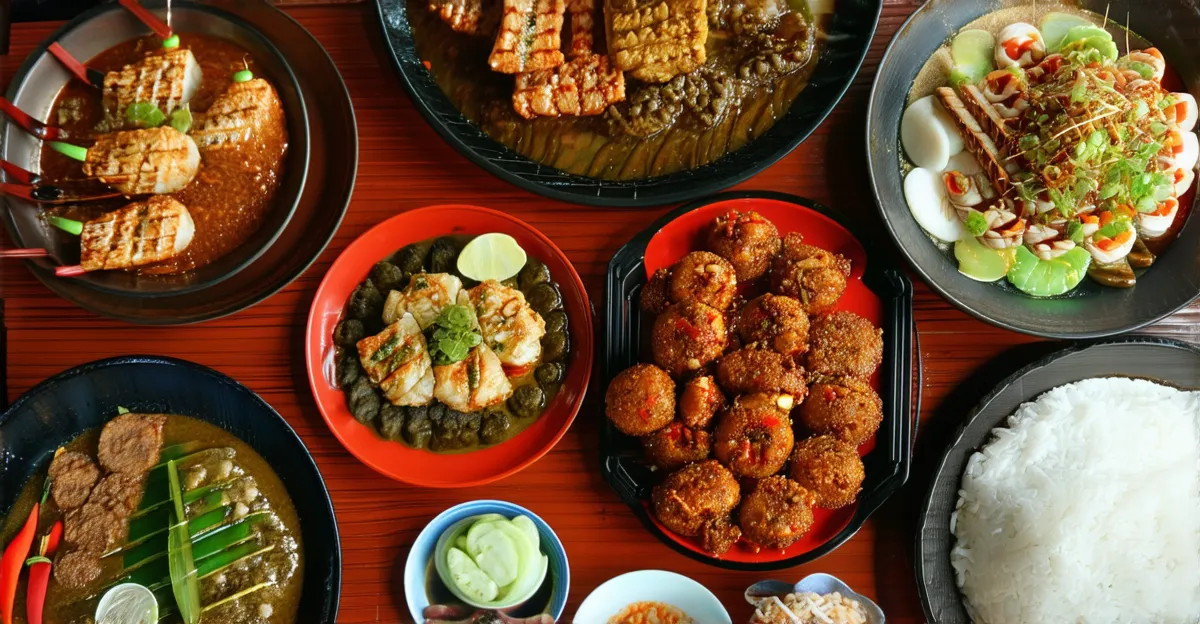
Yogyakarta cuisines reflect the rich cultural heritage of Indonesia crafted over centuries. Renowned for its unique blend of Javanese flavors, Yogyakarta stands out with its distinctive dishes and delightful culinary experiences. From rich, savory stews to flavorful street food, this city beckons food enthusiasts with its local specialties. Discover the authentic tastes and vibrant dining scenes in Yogyakarta that embody the essence of Indonesian culture.
Key Takeaways
- Yogyakarta cuisines showcase a blend of Javanese flavors with unique local dishes.
- Signature dishes like Gudeg and Ayam Penyet represent the city’s culinary identity.
- street food stalls and local eateries offer a range of delicious and affordable options.
- Exploring traditional markets provides an opportunity to taste various local delights.
1. Gudeg: The Heart of Yogyakarta Cuisines
Gudeg is often considered the heart of Yogyakarta cuisines, showcasing the city’s rich and flavorful culinary heritage. This unique dish is made from young jackfruit slow-cooked with coconut milk, spices, and often complemented by additional ingredients like boiled eggs, chicken, and tofu. The sweet and savory flavors create a delightful combination that is hard to resist.
In Yogyakarta, Gudeg is more than just food; it is a cultural icon. Many locals enjoy it as a complete meal, served with rice, sambal (spicy chili paste), and a side of fried chicken or tempeh. When visiting Yogyakarta, tasting Gudeg in its native environment is a must.
Pro Tip: Be sure to try Gudeg at Gudeg Yu Djum, a famous restaurant known for its authentic and delicious rendition of this traditional dish.
Experiencing Gudeg is like taking a journey through Yogyakarta’s history, as each bite reflects the region’s agricultural abundance and culinary traditions.
2. Ayam Penyet: Smashed Chicken Delight
Ayam Penyet, or smashed chicken, is another beloved dish in Yogyakarta cuisines. This dish features fried chicken that is lightly smashed and served with a side of spicy sambal, fresh vegetables, and a small portion of rice. The method of smashing the chicken helps to infuse it with the delicious flavors of the sambal.
The combination of crispy skin and juicy meat makes Ayam Penyet a favorite among both locals and visitors. Moreover, it is often served in casual eateries, making it a great option for those looking for a quick and satisfying meal.
Did you know? The best places to enjoy Ayam Penyet are often small, family-run restaurants, where the authenticity shines through.
To experience Ayam Penyet at its best, make sure to visit Ayam Penyet Ria, where the flavors will surely tantalize your taste buds.
3. Soto: traditional Yogyakarta Soup
💡 Pro Tip: Book your Yogyakarta adventures in advance through Viator for the best deals!
Soto is a traditional soup that is prevalent in Yogyakarta cuisines, commonly made with a flavorful broth, meat (usually chicken or beef), and a variety of spices. Each region in Indonesia has its unique take on Soto, but Yogyakarta’s version often includes lime, boiled eggs, and a sprinkle of fried shallots for added texture and flavor.
This dish is perfect for any meal of the day and provides a comforting and warm experience. Additionally, Soto is often accompanied by rice or fried tofu for a complete meal.
Pro Tip: For an authentic Soto experience, visit Soto Kadipiro, known for its delicious and aromatic soup.
Trying Soto in Yogyakarta allows you to appreciate the local spice combinations and the culinary creativity that defines this delicious soup.
4. Pecel: A Nutty Salad Experience
💡 Pro Tip: Book your Yogyakarta adventures in advance through Viator for the best deals!
Pecel is a popular dish that represents the vibrant flavors of Yogyakarta cuisines. This delightful salad consists of boiled vegetables, such as long beans, cabbage, and spinach, all tossed in a rich peanut sauce. The nutty, creamy dressing is the star of this dish, providing a savory balance that perfectly complements the fresh veggies. It’s not only nutritious but also incredibly flavorful, making it a favorite among locals and visitors alike.
Additionally, Pecel is often served with kerupuk (crispy crackers) that add a delicious crunch. Traditionally, this dish is enjoyed with a side of warm rice, which absorbs the flavorful sauce beautifully. Whether you’re grabbing a quick lunch or enjoying a full meal, Pecel is a must-try!
Pro Tip: When ordering Pecel, ask for extra sambal if you like it spicy!
Where to eat: For a great Pecel experience, head to Pecel Bu Wiryo, known for its authentic flavors, or Pecel Merdeka for a local favorite.
5. Bakpia: Yogyakarta’s Sweet Pastry
Bakpia is a beloved sweet treat that showcases the delightful side of Yogyakarta cuisines. These small, round pastries are typically filled with a sweet mixture of mung bean paste, although there are various flavors including chocolate and cheese. The dough is flaky and slightly crunchy on the outside, while the inside remains soft, making it an irresistible snack for anyone with a sweet tooth.
Originally from China, Bakpia has found a special place in Yogyakarta and is often enjoyed as a souvenir. They are perfect to pair with a cup of tea or coffee during an afternoon break. The best part is, they are easily found in numerous shops around the city.
Did you know? Bakpia is often considered a symbol of Yogyakarta and is a must-buy for tourists.
Where to eat: Don’t miss Bakpia Pathok 25, renowned for its traditional recipes, or try Bakpia Kurnia Sari for their unique flavors.
6. Nasi Kucing: A Snack for Travelers
Nasi Kucing, which translates to “cat rice,” is a unique dish that perfectly embodies Yogyakarta cuisines in a delicious, casual way. This small portion of rice is typically served with a variety of accompanying toppings such as fried tempeh, spicy sambal, and sometimes even a small piece of grilled chicken or fish. The dish is conveniently wrapped in a banana leaf or paper, making it easy to enjoy on the go.
Nasi Kucing is especially popular among travelers and students due to its affordability and tasty flavors. It’s an excellent choice for a quick snack while exploring the city or visiting local markets. The small portion sizes allow you to mix and match different toppings for a diverse tasting experience.
Pro Tip: Try pairing your Nasi Kucing with a refreshing iced tea to balance the flavors!
Where to eat: You can find Nasi Kucing at many street food stalls, but Angkringan Kopi Gendong is a great spot to dive into this local favorite.
7. Rujak: Fruity and Spicy Salad
Rujak is a vibrant salad that perfectly embodies the essence of Yogyakarta cuisines. This beloved dish combines a variety of fresh fruits, often including mango, pineapple, papaya, and cucumber, tossed with a zesty, spicy dressing made from shrimp paste, chili peppers, and palm sugar.
What makes Rujak unique is its delightful balance of flavors. It is sweet, spicy, and slightly tangy, offering a refreshing contrast, especially in the hot tropical climate. Typically enjoyed as a street food, you can find Rujak vendors at local markets and food stalls across Yogyakarta.
Pro Tip: Don’t forget to ask for additional chili if you prefer a spicier kick in your Rujak!
Where to eat: Head to Rujak Cukil Solo for a genuine experience or visit Rujak Nangka, known for its variant using young jackfruit. Both places serve delicious, authentic Rujak that you won’t want to miss.
8. Martabak: Sweet or Savory Pancakes
💡 Pro Tip: Book your Yogyakarta adventures in advance through Viator for the best deals!
Martabak is a delightful street food staple in Yogyakarta cuisines, available in two tempting varieties: sweet and savory. The savory martabak, often filled with spiced ground meat, eggs, and green onions, is a hearty snack that can be enjoyed anytime. Meanwhile, the sweet version is a fluffy pancake filled with chocolate, condensed milk, or nuts, perfect for satisfying your sweet tooth.
These pancakes are cooked on a griddle, creating a crispy outer layer while remaining soft and fluffy inside. With the street-side vendors bustling in various neighborhoods, trying martabak is a must-do. The first bite will have your taste buds dancing, thanks to its rich flavors and satisfying textures.
Did you know? The savory martabak is also called ‘Martabak Telur’ while the sweet version is commonly known as ‘Martabak Manis’.
Where to eat: For the best savory martabak, check out Martabak Jakarta. For a delightful sweet treat, try Martabak Manis 99, famous for its fluffy, flavorful pancakes.
9. Keripik Tempe: Crunchy, Savory Snack
Keripik Tempe is a popular snack that showcases the versatility of tempeh, a traditional Indonesian soy product. This crunchy snack is thinly sliced tempeh, fried until golden and crispy, and often seasoned with various spices to enhance its flavor. As a result, it is a delicious and addictive treat that complements the rich palate of Yogyakarta cuisines.
Keripik Tempe is not only a great snack on its own but also serves as a perfect side to various dishes. It gives a Nice crunch and nutty flavor, making any meal more enjoyable. Street vendors, markets, and local cafes often offer these golden chips, so they are easy to find during your visit.
Pro Tip: Pair Keripik Tempe with a spicy dipping sauce for an extra flavor explosion!
Where to eat: Check out Keripik Tempe 99 for an authentic experience, or Tempe Mendoan Bintaro, known for their crunchy and flavorful options.
10. Traditional Markets: A Culinary Treasure Hunt
Exploring Yogyakarta cuisines is not complete without a visit to its vibrant traditional markets. These markets are a true reflection of the city’s rich culinary heritage and a paradise for food lovers. Each market offers a unique array of local delicacies, fresh produce, and authentic ingredients. As you wander through stalls, the tantalizing aromas and colorful displays will invite you to taste and experience Yogyakarta’s diverse flavors.
One of the most famous markets is Pasar Beringharjo, located in the heart of the city. Here, you can find a variety of traditional snacks such as keripik tempe and rujak. The bustling atmosphere is perfect for sampling fresh fruits and homemade delicacies. Furthermore, being a tourist, you can engage with local vendors who often share their knowledge about the dishes and ingredients.
Pro Tip: Arrive early in the morning to enjoy the freshest ingredients and best offers!
Another market worth visiting is Pasar Ngasem, known for its spices and traditional crafts. Don’t forget to try the local street food while strolling through the market, as it’s one of the best ways to experience the true essence of Yogyakarta cuisines.
Yogyakarta cuisines embody the rich culinary traditions of Indonesia, offering a delightful journey through vibrant flavors and locally-inspired dishes. Whether you’re indulging in Gudeg or sampling street food, Yogyakarta is a feast for the senses. Plan your food adventure and savor the authentic tastes of this charming city!
Frequently Asked Questions
A: Yogyakarta is famous for Gudeg, Ayam Penyet, and other traditional dishes that showcase Javanese flavors.
A: Must-try dishes include Gudeg, Soto, Pecel, and Bakpia.
A: Yes, the city offers numerous street food stalls and local eateries that are budget-friendly.
A: Visit traditional markets, join food tours, and try cooking classes for an immersive experience.
A: Yes, many restaurants offer vegetarian-friendly dishes, and the local salad Pecel exclusively features vegetables.
A: The best Gudeg can be found at traditional restaurants like Gudeg Yu Djum and Gudeg Pawon.