
Vilnius Traditional Dishes: A Culinary Journey
Discover Vilnius traditional dishes! Explore local flavors, dining spots, and culinary experiences that define Lithuania’s rich food culture.
On this page
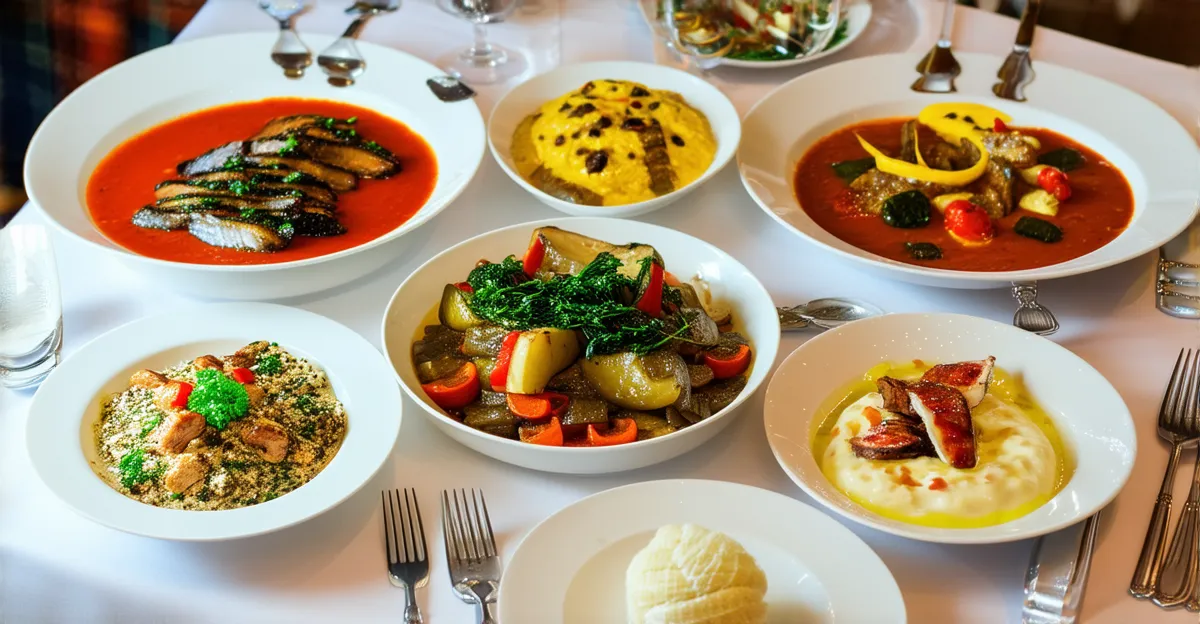
Vilnius, the capital of Lithuania, is a city steeped in history and rich with culinary traditions that reflect its diverse cultural influences. The local cuisine is a celebration of hearty flavors, using locally-sourced ingredients and recipes that have been passed down through generations. From comforting potato dishes to exquisite pastries, exploring Vilnius traditional dishes is a gastronomic adventure that every food lover should experience. This guide will introduce you to must-try local delicacies, dining spots, and unforgettable culinary experiences in Vilnius.
Key Takeaways
- Vilnius traditional dishes showcase Lithuania’s rich culinary heritage.
- Signature meals like cepelinai and šaltibarščiai are integral to the local culture.
- The city offers a range of dining experiences from cozy taverns to fine dining.
- Food festivals and local markets provide additional ways to enjoy traditional cuisine.
1. Cepelinai: The National Dish of Lithuania
Cepelinai, often referred to as the national dish of Lithuania, is a must-try for anyone exploring the country’s cuisine. This unique dish consists of large dumplings made primarily from grated potatoes, typically filled with either minced meat or curd. The name “Cepelinai” comes from the word “zeppelin,” as the shape resembles a zeppelin airship. It is traditionally served with a generous helping of sour cream and sometimes topped with crispy bacon bits.
Moreover, Cepelinai has deep cultural roots in Lithuanian tradition, making it a centerpiece during family gatherings and celebrations. It’s not just a meal; it’s an experience. Most importantly, every family has their recipe, imbuing it with personal touches and flavors.
Pro Tip: Don’t be surprised if you find variations of Cepelinai stuffed with mushrooms or vegetables, catering to different dietary needs.
Where to eat: For an authentic taste, head to Šturmų Švyturys or Forto Dvaras in Vilnius, where you can savor freshly prepared Cepelinai in a cozy setting.
2. Šaltibarščiai: The Refreshing Cold Beetroot Soup
Šaltibarščiai is a vibrant cold beetroot soup that is perfect for the warmer months in Lithuania. This colorful dish pairs beetroot with a variety of fresh ingredients, including cucumbers, radishes, and dill, all mixed into a tangy base of buttermilk or kefir. The resulting flavor is refreshing and slightly sweet, making it incredibly satisfying on a hot day.
This traditional dish is often accompanied by boiled potatoes and hard-boiled eggs, adding heartiness to your meal. Not only is it delicious, but it also showcases the importance of beetroots in Lithuanian cuisine.
Did you know? Šaltibarščiai is not just a summer dish; many enjoy it year-round for its unique taste and beautiful presentation!
Where to eat: For the best Šaltibarščiai in Vilnius, don’t miss out on visiting Užupio Kavinė or Delano, where they serve this soup with a delightful twist.
3. Kugelis: A Delightful Potato Dish
💡 Pro Tip: Book your Vilnius adventures in advance through Viator for the best deals!
Kugelis is another beloved dish in Lithuanian cuisine, made primarily from grated potatoes, eggs, and bacon. This savory potato pudding is baked until it achieves a golden, crispy top while remaining soft and fluffy inside. Often served with sour cream, Kugelis embodies comfort food at its finest.
This dish tells a story of simplicity and tradition, as it was traditionally prepared during harvest seasons or family feasts. Each family may prepare Kugelis slightly differently, often adding their favorite herbs or spices to elevate the flavor. So undoubtedly, tasting Kugelis offers a glimpse into the Lithuanian heritage.
Pro Tip: Don’t forget to pair Kugelis with pickles or sauerkraut for a deliciously balanced flavor!
Where to eat: For authentic Kugelis, try Vyninė or Bernelių Užeiga in Vilnius, where the atmosphere complements the hearty flavors of this traditional dish.
4. Didžkukuliai: Hearty Potato Dumplings Filled with Meat
💡 Pro Tip: Book your Vilnius adventures in advance through Viator for the best deals!
Didžkukuliai are a beloved traditional dish in Lithuania, often enjoyed for their comforting and hearty qualities. These dumplings are made primarily from grated potatoes and are typically filled with juicy minced meat, which can be pork, beef, or a mix of both. The process of making didžkukuliai involves skillfully preparing the potato dough, ensuring it holds together during cooking.
Once formed, the dumplings are boiled until they reach a tender consistency. Afterward, they are often pan-fried, enhancing their flavor with a golden, crispy exterior. Many locals enjoy them served with a dollop of sour cream or a sprinkle of sautéed onions for added taste. They represent the essence of Vilnius traditional dishes, combining simple ingredients into a delicious meal.
Pro Tip: For an authentic experience, try didžkukuliai at a local family-owned restaurant, where recipes have been passed down through generations.
Where to eat: To sample this dish, head to Šturmų Švyturys or Lokys, where you can taste incredible didžkukuliai among other Lithuanian favorites.
5. Kumpis: The Traditional Lithuanian Smoked Pork
Kumpis is a must-try for anyone wanting to delve into true Lithuanian flavors. This traditional smoked pork is usually seasoned with spices and then slowly smoked to perfection. The result is a savory, aromatic dish that is both tender and flavorful. Kumpis can be enjoyed sliced as part of a charcuterie board or served with bread and pickles, making it a versatile option for any meal.
In Lithuania, kumpis is often enjoyed during festive occasions or family gatherings, cementing its place as a cherished comfort food. Beyond its taste, the careful preparation and smoking process embody the Lithuanian respect for culinary heritage.
Did you know? Kumpis pairs excellently with traditional rye bread and homemade horseradish for a true Lithuanian experience!
Where to eat: For a taste of authentic kumpis, visit Užupio Kanklės or Gusto Blyninés, where authenticity meets flavor.
6. Žemaičių Blynai: Savory Potato Pancakes
Žemaičių blynai are a comforting and delicious Lithuanian dish consisting of savory potato pancakes. These pancakes are made from grated potatoes mixed with onions, spices, and sometimes filled with meat, making them both filling and satisfying. They are pan-fried until they develop a crispy exterior while maintaining a soft and warm interior.
This dish is especially popular in the Žemaitija region, hence its name, and represents the simplicity and heartiness of Vilnius traditional dishes. Often served with a side of sour cream and fresh herbs, they make an excellent meal any time of day!
Pro Tip: Pair your žemaičių blynai with a fresh cucumber salad to balance the flavors.
Where to eat: For the best experience, try žemaičių blynai at Gavelė or Restoranas Salionas, both recognized for their authentic Lithuanian offerings.
7. Grybukai: Delicious Mushroom Dishes in Vilnius
In Vilnius, grybukai, or mushroom dishes, play a significant role in the local cuisine. Lithuania’s rich forests are abundant with wild mushrooms, making them a favored ingredient in many traditional recipes. From hearty soups to savory mains, there is no shortage of options to explore.
One popular dish is mushroom soup, which is often prepared with fresh or dried forest mushrooms, potatoes, and cream. Another famous version involves sautéing mushrooms with onions, serving them as a side to various meals. Additionally, stuffed mushrooms are a delightful treat, often filled with cheese or herbs, and then baked to perfection.
Tip: When in Vilnius, look for restaurants that feature seasonal dishes; they often showcase the finest mushroom selections!
Where to eat: To taste the best grybukai dishes, head to Šturmų Švyturys for their outstanding mushroom soup, or visit Bernelių Užeiga, known for its variety of traditional mushroom dishes.
8. Varškės Aitvaras: Sweet Cottage Cheese Delicacies
💡 Pro Tip: Book your Vilnius adventures in advance through Viator for the best deals!
Varškės aitvaras is a delightful Lithuanian dessert made from cottage cheese, sugar, and sometimes fruits or nuts. This sweet dish has its roots in traditional Lithuanian cuisine, often enjoyed as a light snack or dessert. The texture is creamy, and the taste is simply wonderful, making it a beloved choice among locals.
Typically, this dish is shaped into small, airy pancakes or served as a rich custard. It is often accompanied by a drizzle of honey or a sprinkle of cinnamon for added flavor. You’ll find that varškės aitvaras is a healthy option, packed with protein and enjoyable for anyone with a sweet tooth.
Did you know? In Lithuania, it’s common to serve this dish during festive celebrations, showcasing the country’s love for cottage cheese!
Where to eat: Don’t miss trying varškės aitvaras at 15 Minučių café, where it’s made fresh daily, or at Etno Dvaras, which offers a unique twist on this classic treat.
9. Skilandis: Authentic Lithuanian Sausage
Skilandis is a cherished traditional Lithuanian sausage, made primarily from pork, marinated with garlic and spices, and then smoked. Often served as an appetizer, this hearty sausage embodies the rich flavors of Lithuanian culinary traditions. Typically, it is sliced thinly and showcased on a platter with bread, cheeses, and pickles.
This dish is not only popular in local cuisine but is also sought after during festivals and feasts, reflecting its cultural importance. The smoky flavor combined with the savory herbs creates a unique taste experience that keeps locals and visitors coming back for more.
Pro Tip: Pair skilandis with a good quality Lithuanian beer for an authentic experience!
Where to eat: If you’re eager to try skilandis, head over to Užgavėnių Kavinė, known for its traditional dishes, or Raguotis for their unique takes on Lithuanian smoked meats.
10. Traditional Lithuanian Rye Bread
One of the cornerstones of Vilnius traditional dishes is the iconic Lithuanian rye bread, known as rududu duona. This dark, dense bread is made mainly from rye flour, which gives it a unique flavor and texture. It is often considered a part of daily meals, symbolizing hospitality and warmth in Lithuanian culture.
The process of making this bread involves a slow fermentation method, which helps develop its rich taste. Additionally, the crust is usually thick and crunchy, contrasting nicely with the soft inside. Locals often enjoy it with butter, cheese, or even a slice of smoked fish.
Fun Fact: Lithuanian rye bread can last for weeks without spoiling, making it a staple in many households.
For those exploring Vilnius, trying traditional rye bread is a must. Many bakeries and markets offer this treat, but the best places are often family-run bakeries where recipes have been passed through generations.
Where to eat: Head to Senatorių Pirtis, a spot known for its homemade dishes, and don’t miss out on their rye bread. Another great option is Rūdninkų Rūsys, where you can experience authentic Lithuanian flavors alongside this beloved bread.
Exploring Vilnius traditional dishes reveals a rich tapestry of flavors that embody the spirit of Lithuanian culture. From hearty meals to sweet treats, there’s so much to savor in this vibrant city. Plan your trip and embark on a culinary journey through the heart of Lithuania – share your experiences and favorite dishes with fellow food lovers!
Frequently Asked Questions
A: Must-try dishes include cepelinai, šaltibarščiai, kugelis, and skilandis.
A: Visit local restaurants like Šnekutis and Ristorante Lokys for authentic dishes.
A: While many traditional dishes feature meat, there are vegetarian options available, such as potato pancakes and some pastries.
A: The Halė Market and the Vilnius Food Market are popular spots for fresh local produce and street food.
A: Each season offers unique local ingredients, but fall is particularly famous for hearty dishes and food festivals.
A: It’s advisable to make reservations, especially at popular dining spots during weekends or holidays.