
Uyuni Traditional Dishes: A Culinary Journey
Explore Uyuni traditional dishes from renowned llama meat to unique grains. Dive into this guide for an unforgettable culinary experience!
On this page
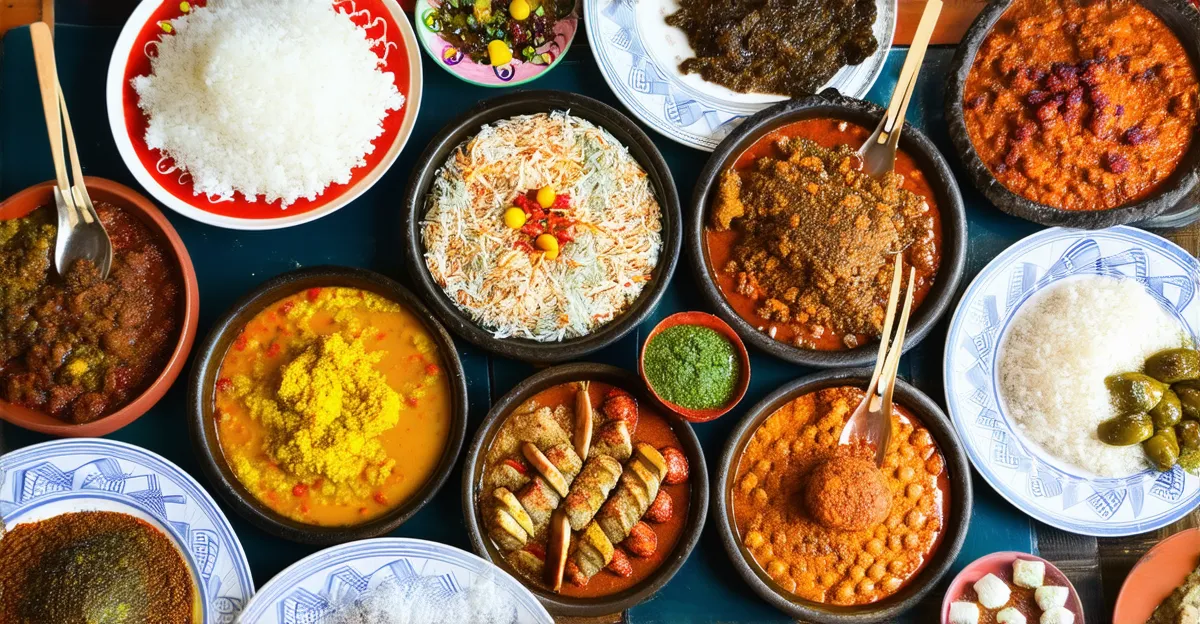
Uyuni is not only known for its breathtaking salt flats but also for its rich culinary heritage. This town in Bolivia boasts a diverse array of traditional dishes that reflect its cultural significance and unique environment. From hearty meals made with locally sourced ingredients to unique cooking techniques, Uyuni’s cuisine is an adventure for food lovers. In this article, we will delve into the most iconic dishes and food experiences, showcasing why Uyuni traditional dishes deserve a spot on every foodie’s itinerary.
Key Takeaways
- Uyuni traditional dishes highlight the region’s rich agricultural heritage.
- Signature dishes like salteñas and llama meat reflect unique Bolivian flavors.
- Uyuni’s cuisine caters to both adventurous and traditional palates.
- Local markets and street food stalls provide authentic culinary experiences.
1. Salteñas: The Bolivian Take on Empanadas
Salteñas are perhaps one of the most beloved uyuni traditional dishes, resembling empanadas but with a unique twist. These delicious pastries are typically filled with a mixture of meat, potatoes, olives, and hard-boiled eggs. What sets salteñas apart is their slightly sweet dough and savory, juicy filling. They are often served as a snack or light meal, making them a perfect on-the-go option for travelers.
When enjoying salteñas, it’s customary to eat them in the morning or late afternoon. You’ll notice how locals savor them with a hot cup of tea. Additionally, every bite of these pastries is filled with flavors, as they are infused with spices that reflect the rich culinary heritage of Bolivia.
Pro Tip: Look for street vendors in Uyuni during your visit; they typically offer the freshest and most authentic salteñas!
Where to eat: For a satisfying salteña experience, check out Salteñería La Casa de las Salteñas in Uyuni, known for its warm hospitality and delicious pastries.
2. Anticuchos: street food Stall Delicacies
Anticuchos are a popular street food in Bolivia, especially in Uyuni. These skewers of marinated meat, typically beef heart, are grilled to perfection and served with a spicy sauce. Anticuchos are not only a delicious snack; they also represent the local tradition of using every part of the animal. The preparation of anticuchos usually involves marinating the meat overnight in vinegar and spices, which enhances the flavor.
To enjoy anticuchos, simply grab a skewer and bite into the tender meat, often accompanied by boiled potatoes or corn on the side. This dish is highly regarded for its smoky taste and is typically sold from street carts, making it a convenient meal option for tourists exploring the city.
Did you know? Anticuchos are often paired with a refreshing drink to balance the rich flavors of the meat!
Where to eat: For the best anticuchos in Uyuni, head to Anticuchos La Linda, a popular spot known for their flavorful skewers.
3. Llama Meat: A Must-Try Traditional Dish
🌟 Local Expert Tip: Get the most out of your Uyuni visit with guided tours!
Llama meat is one of the most distinctive uyuni traditional dishes that visitors must try. This lean meat is high in protein and low in fat, making it a healthy option while also offering a unique flavor profile. Whether cooked as a steak, in stews, or as part of traditional dishes like kuwi, llama meat is celebrated across Bolivia for both its taste and nutritional value.
When dining on llama meat, you might notice that it can be prepared spicy, grilled, or even slow-cooked. Many locals recommend it seasoned with traditional spices to enhance its natural flavor. Additionally, llama is often served with sides such as quinoa or potatoes, creating a wholesome, traditional meal.
Pro Tip: For an authentic experience, try llama meat at a local market or eatery where it’s freshly prepared.
Where to eat: Visit Restaurante Llama Feliz, where you can sample a variety of llama dishes in a cozy and inviting atmosphere.
4. Quinoa: The Superfood Staple of Uyuni Cuisine
🌟 Local Expert Tip: Get the most out of your Uyuni visit with guided tours!
Quinoa is often hailed as the superfood of Uyuni cuisine. This tiny, nutrient-packed grain has been a dietary staple in the Andes for thousands of years. What makes quinoa special is its high protein content, making it an excellent choice for vegetarians and health-conscious eaters. In Uyuni, you can find quinoa served in various forms, such as salads, soups, or even as an accompaniment to hearty stews.
This versatile grain is not only tasty but also gluten-free, making it accessible for many dietary needs. Additionally, the subtle nutty flavor of quinoa pairs wonderfully with local vegetables like potatoes and carrots, which are also staple ingredients in Bolivian dishes.
Did you know? Quinoa was considered sacred by the Incas, who referred to it as the “mother of all grains.”
For the best quinoa dishes, visit local eateries where you can sample traditional recipes. Don’t miss trying quinua salad or quinua soup, which are both bursting with flavor and nutrition!
5. Pique Macho: A Hearty Bolivian Feast
Pique Macho is truly a hearty feast that represents the essence of Bolivian comfort food. This delectable dish is a mix of beef, sausage, and boiled eggs, served on a bed of French fries. Topped with spicy salsa and often accompanied by pickled vegetables, Pique Macho is a favorite for locals and travelers alike.
The flavors in Pique Macho are bold and satisfying, making it perfect for sharing with friends or family. The combination of textures—from crispy fries to tender meat—creates a delightful eating experience. It’s commonly found in Uyuni’s restaurants and food stalls.
Pro Tip: Pair your Pique Macho with a local Bolivian beer to elevate the flavors and enhance your meal.
For a fantastic Pique Macho, head to local favorites like La Casa del Pique Macho where this dish is expertly crafted with authentic ingredients.
6. Sopa de Maní: Traditional Peanut Soup
Sopa de Maní, or peanut soup, is a beloved traditional dish in Uyuni. This rich and creamy soup is made with crushed peanuts, potatoes, and vegetables. It’s hearty, warming, and packed with flavor, making it especially popular in the colder Andean climate.
The key to Sopa de Maní is the use of roasted peanuts, which give the soup its unique nutty taste. Often garnished with fresh herbs and pieces of meat, this dish offers a comforting experience with every bowl. It is a great representation of Bolivian culinary heritage, combining indigenous ingredients with local cooking techniques.
Pro Tip: Enjoy your Sopa de Maní with a side of traditional bread to soak up the delicious broth.
For an authentic experience, visit restaurants like El Fogón de Uyuni, where you can enjoy a warm bowl of this delightful soup.
7. Chicharrón: Crispy Pork Delight
When it comes to Uyuni traditional dishes, Chicharrón is undoubtedly a favorite among locals and visitors alike. This dish consists of fried pork belly or pork rinds, which are cooked until golden brown and crispy. It’s typically seasoned with a few spices, adding a delightful flavor that tantalizes the taste buds.
Chicharrón is often served with a side of llajwa, a spicy salsa made from tomatoes and locoto peppers. Additionally, it may be accompanied by a generous portion of boiled potatoes and a fresh salad. This hearty combination makes it a satisfying meal for anyone exploring the vibrant streets of Uyuni.
Pro Tip: To truly enjoy Chicharrón, try it with a squeeze of fresh lime, which enhances the flavors beautifully!
Where to eat: For the best Chicharrón in Uyuni, visit La Saltena or try Restaurante Minutero, where the crispy pork is served hot and fresh.
8. Api: A Sweet Beverage to Warm the Soul
🌟 Local Expert Tip: Get the most out of your Uyuni visit with guided tours!
Api is a traditional Bolivian drink that is especially popular during cold weather. This sweet beverage is made from corn, sugar, and spices such as cinnamon and cloves. The combination of flavors creates a warm and comforting drink, perfect for sipping while enjoying the chilly altitude of Uyuni.
Typically, Api is served with a side of pastelito, which are small pastries filled with cheese or meat. This pairing makes for a delightful snack any time of the day. Additionally, many locals enjoy Api at breakfast, providing them with a hearty start to their day.
Did you know? Api is not only delicious but also rich in nutrients, making it a wholesome choice for all ages!
Where to drink: Don’t miss out on tasting Api at local markets or cozy cafés like Café de la Plaza, where you can enjoy an authentic experience.
9. Huminta: Savory Corn Cake
Huminta is a remarkable dish in Uyuni traditional dishes repertoire. This savory corn cake is made from fresh corn, cheese, and spices. The mixture is wrapped in corn husks and then steamed to perfection, unlocking a deliciously moist and flavorful cake that is both filling and satisfying.
Huminta can be enjoyed as a snack or served as a side dish alongside traditional Bolivian meals. It’s especially popular during festivals and gatherings, celebrating the country’s rich agricultural heritage. Each bite offers a wonderful blend of sweetness and saltiness, showcasing the quality of local corn.
Pro Tip: Pair your Huminta with a dollop of salsa for an extra kick!
Where to eat: Head over to Las Delicias de Fatima for a taste of authentic Huminta, made fresh daily to delight your palate.
10. Bolivian Chocolate: Sweet Treats from the Andes
When exploring Uyuni traditional dishes, you can’t overlook the delightful world of Bolivian chocolate. Known for its rich flavors and high quality, Bolivian chocolate is made from the finest cocoa beans sourced from the Amazon rainforest. The unique climate and elevation contribute to the beans’ exceptional taste, making them a favorite among chocolate lovers from all around the globe.
There are various forms of chocolate products to savor, from dark chocolate bars to truffles filled with local fruits. Many artisans blend these chocolates with spices, nuts, and fruits to create innovative treats. You can enjoy chocolate in its most simple form or as part of elaborate desserts.
Did you know? Bolivian chocolate is often made using organic methods, which not only preserves the flavor but also supports sustainable farming practices.
Where to eat: For the best chocolate experience, visit Chocola in Uyuni, where you can try a variety of handmade chocolate products. Another great spot is El Mercado de Artesanías, where local vendors sell chocolate bars and treats at reasonable prices. Don’t miss trying hot chocolate made from locally sourced ingredients, perfect for warming up after a day exploring the stunning Altiplano.
The culinary landscape of Uyuni is rich and diverse, offering dishes steeped in tradition and bursting with flavors. From savory llama meat to sweet treats like api and locally made chocolate, there is something for everyone to enjoy. We invite you to embark on this delicious adventure and share your favorite Uyuni traditional dishes on your journey!
Frequently Asked Questions
A: The most famous dish in Uyuni is the salteña, a savory pastry filled with meat or vegetables.
A: Llama meat can be enjoyed at various local restaurants and street vendors throughout Uyuni.
A: Yes, traditional dishes like quinoa salad and huminta cater to vegetarian diets.
A: Api is a traditional sweet beverage made from corn, served warm and often enjoyed for breakfast.
A: Yes, Uyuni has a vibrant street food scene where you can try anticuchos and other local delicacies.
A: Uyuni’s quinoa is prized for its unique flavor and is often used in various traditional dishes.