
Townsville Indigenous Cuisine: Taste Local Heritage
Discover Townsville indigenous cuisine through authentic dishes and experiences. Explore local flavors and dining gems that honor Aboriginal heritage.
On this page
Townsville’s indigenous cuisine is a remarkable testament to the region’s rich Aboriginal heritage and biodiversity. Embracing both traditional cooking methods and native ingredients, the culinary landscape offers an authentic glimpse into the culture of the Indigenous peoples of Australia. From bush tucker to innovative dishes inspired by ancient practices, the indigenous cuisine of Townsville is a must-experience for food lovers and cultural adventurers alike. This guide explores the local dishes, unique food experiences, and dining spots that celebrate this distinctive culinary art form.
Key Takeaways
- Townsville indigenous cuisine highlights a rich variety of local flavors.
- Traditional dishes incorporate native ingredients such as bush tucker and seafood.
- Engaging in culinary tours offers deeper insights into Aboriginal cooking practices.
- Local dining spots celebrate indigenous heritage and serve authentic dishes.
1. Bush Tucker: The Core of Indigenous Cuisine
Bush tucker refers to the traditional food sources used by Indigenous Australians, crucial to their culture and lifestyle. These foods, sourced from the land, showcase a close connection between the people and nature. In Townsville, bush tucker includes a variety of plants, seeds, and animals that have sustained Indigenous communities for thousands of years. Common examples are kangaroo, goanna, and various edible plants.
Notably, bush tucker serves more than sustenance; it carries deep cultural significance. It represents stories, memories, and traditions of the Indigenous people. Sharing bush tucker in a communal setting becomes a way to connect, educate, and preserve the culture. Visitors should actively seek out local experiences to learn about these traditional food practices.
Fun Fact: Many Australians now embrace bush tucker, creating a bridge between traditional and modern cuisine.
In terms of flavor, bush tucker foods can be vibrant and unique, showcasing a spectrum of tastes. Experience the essence of Townsville’s Indigenous cuisine by engaging with local communities that offer bush tucker experiences through guided tours and workshops.
2. seafood in Townsville Indigenous Cuisine
seafood plays a vital role in Townsville’s Indigenous cuisine, with rich coastal waters providing a variety of flavors. Indigenous communities have historically sourced seafood, such as mullet, barramundi, and prawns, which are integral to their diets. These ingredients not only contribute to their nutritional needs but also highlight the connection to their environment.
Fishing methods, often passed down through generations, include traditional practices that respect marine ecosystems. Indigenous fishermen utilize nets and traps, ensuring sustainable use of resources. The seasonal availability of seafood makes it even more significant, as it aligns with their cultural practices and traditions.
Pro Tip: Look for local seafood dishes featuring Indigenous flavors when dining in Townsville.
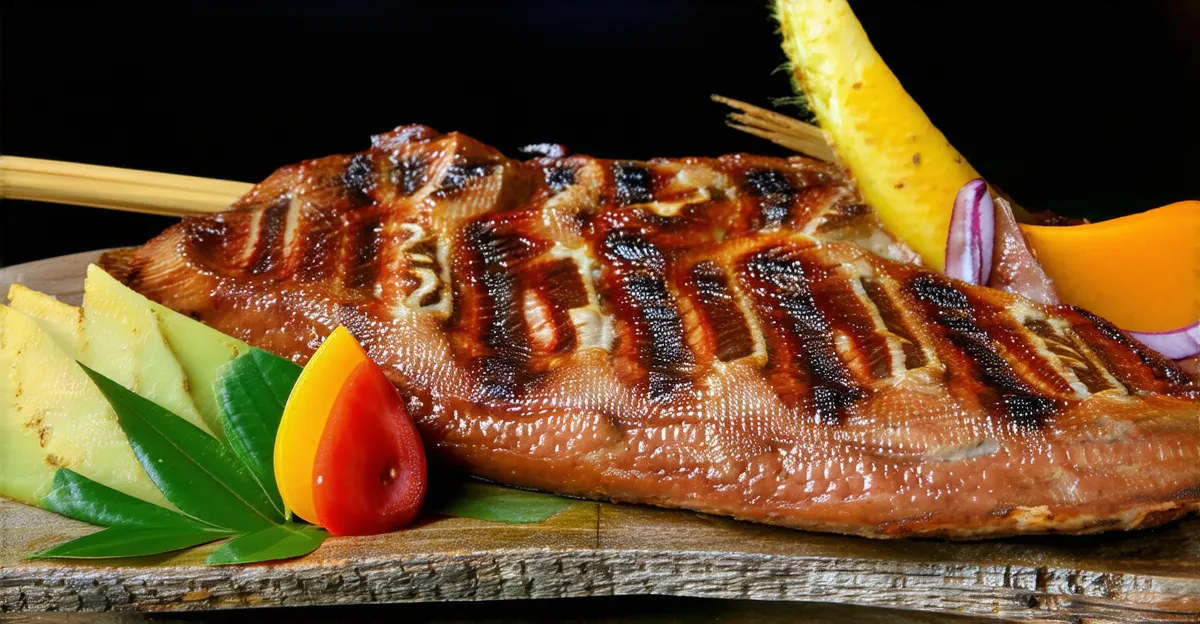
For a delightful experience, visitors should consider tasting seafood prepared with traditional Indigenous techniques. This can include smoky flavors from cooking over an open fire or unique seasonings derived from native plants. Thus, seafood stands as a testament to Townsville’s Indigenous connection to the land and sea.
3. Native Fruits and Vegetables: Nature’s Bounty
💡 Pro Tip: Book your Townsville adventures in advance through Viator for the best deals!
In Townsville, native fruits and vegetables offer a unique glimpse into Indigenous cuisine. The region showcases a variety of natural produce, including finger limes, bush tomatoes, and macadamia nuts. These ingredients not only enhance flavor but also carry historical importance in Indigenous culture.
Harvesting native fruits involves traditional practices that reflect a deep understanding of the land and its cycles. Indigenous people celebrate the seasonal harvests, knowing which fruits are ripe at specific times. This knowledge fosters a powerful connection to their environment and sustains their community.
Did You Know? Native vegetables like yam daisy are packed with nutrients, making them a great addition to local diets.
Visitors can experience the culinary richness of Townsville’s Indigenous cuisine by exploring dishes that incorporate these native ingredients. Specialty restaurants or local markets often highlight the use of native fruits and vegetables, providing insight into their diverse flavors.
4. Kangaroo and Emu: Traditional Protein Sources
Kangaroo and emu are two of the most important traditional protein sources in Townsville indigenous cuisine. They provide not only sustenance but also a strong cultural connection to the land. Kangaroo meat is lean, rich in flavor, and packed with nutrients, making it a popular choice for many who seek a healthy option. Similarly, emu meat is known for its unique flavor and low-fat content, often used in stews, pies, and sausages.
Both meats can be prepared in various ways. Traditionally, Indigenous Australians would use fire pits for cooking, allowing the meats to maintain their juiciness while enhancing their flavors. Moreover, many locals participate in hunting these animals, which strengthens their kinship with nature and traditional practices.
Did you know? Kangaroo meat is considered a sustainable option due to the animal’s large population and minimal environmental impact.
Where to eat: For authentic kangaroo dishes, check out Jungle Restaurant in Townsville, which offers a diverse menu highlighting native ingredients. Another notable spot is Indigenous Flavours Café, where you can sample emu dishes in a cozy setting.
5. Medicinal Plants and Their Culinary Uses
Many Townsville indigenous cuisine dishes incorporate medicinal plants, which not only boost health but also enhance flavors. Plants like bush tomatoes, warrigal greens, and finger limes are popular choices. Bush tomatoes, for instance, are known for their antibacterial properties and add a distinctive taste to dishes.
Warrigal greens, a leafy vegetable, are often used in salads or as a side dish due to their rich nutrient profile. They are believed to have various health benefits, including anti-inflammatory properties. Likewise, finger limes add zest and vitamin C to meals, making them a sought-after ingredient in contemporary Indigenous dishes.
Pro Tip: Before trying any new plant, ensure it’s safe for consumption, as some may require specific preparation methods.
Where to explore these flavors: Visit Wattleseed Café for a menu that creatively integrates medicinal plants into everyday dishes, offering a unique taste of indigenous heritage.
6. Traditional Cooking Techniques of Townsville
The culinary techniques used in Townsville indigenous cuisine have been passed down through generations and remain closely tied to the land and its resources. Among these techniques is the use of fire pits, where meats like kangaroo and emu are slow-cooked to enhance their flavors while retaining moisture.
Another method is the baking of yams and other tubers in underground ovens, often wrapped in leaves to maintain their essence. This technique gives a smoky taste to the food and is fundamental in Indigenous cooking traditions.
Did you know? Cooking over open fire not only adds flavor but also represents an important part of cultural rituals and gatherings.
Embracing these techniques, many local eateries have adapted traditional methods into modern cooking, allowing visitors to experience authentic flavors. To witness these techniques firsthand, consider attending a cooking class at Culture and Community Hub, which focuses on traditional practices.
7. Cultural Significance of Indigenous Dishes
💡 Pro Tip: Book your Townsville adventures in advance through Viator for the best deals!
The cultural significance of Indigenous dishes in Townsville cannot be overstated. These meals are deeply rooted in the traditions and history of the Indigenous peoples of the region. Each dish tells a story, reflecting the connection between the land and its people. Food serves not only as sustenance but also as a way to share cultural practices and knowledge passed down through generations.
For instance, many meals involve bush tucker, which includes native ingredients sourced from the land. This not only promotes sustainability but also reinforces the importance of respecting the environment. Thus, the act of foraging and using traditional ingredients can be seen as a cultural practice, emphasizing community and collective identity.
Did you know? Many Indigenous dishes are prepared and shared during community gatherings, signifying unity and collaboration within the culture.
The significance of these dishes extends beyond the plate; they are a celebration of identity. As Indigenous chefs continue to innovate while respecting traditional methods, they ensure that their heritage remains vibrant and relevant today.
8. Townsville’s Indigenous Culinary Tours
For those looking to immerse themselves in Townsville Indigenous cuisine, participating in a culinary tour is an excellent option. These tours allow visitors to learn about and taste traditional foods while discovering the rich cultural heritage of the Indigenous communities. Often guided by local Indigenous chefs or community members, these experiences provide insight into the stories behind the ingredients used.
During a typical tour, you might explore local markets, forage for native plants, and even learn how to prepare traditional dishes. This hands-on experience not only educates participants about Indigenous cooking but also fosters respect for native ingredients and practices.
Pro Tip: Look for tours that include cooking classes to deepen your understanding of Indigenous culinary techniques.
By engaging in these culinary tours, you support the community and help to preserve Indigenous culture. They are not just about food, but rather about sharing stories, traditions, and a connection to the land.
9. Local Restaurants Proudly Serving Indigenous Cuisine
If you’re eager to taste authentic Townsville Indigenous cuisine, several local restaurants stand out for their dedication to showcasing Indigenous flavors. Haveli Restaurant is known for its menu, which features traditional dishes made using native ingredients and sustainable practices.
Another popular spot is Indigenous Flavours, where diners can enjoy a unique blend of traditional and contemporary dishes. From bush tucker-inspired starters to exquisite desserts featuring native fruits, each dish is crafted with care and respect for the culture.
Additionally, Cafe Culture offers a fusion experience featuring Indigenous ingredients infused into modern Australian cuisine. This allows you to try familiar dishes that have been enriched with native flavors.
| Restaurant Name | Must-Try Dishes |
|---|---|
| Haveli Restaurant | Bush Tucker Tasting Plate |
| Indigenous Flavours | Kangaroo Fillet with Quandong Sauce |
| Cafe Culture | Native Berry Pavlova |
Visiting these restaurants not only offers a delicious meal but also supports the local Indigenous community and its culinary traditions.
10. festivals Celebrating Indigenous Food and Culture
💡 Pro Tip: Book your Townsville adventures in advance through Viator for the best deals!
festivals celebrating Townsville indigenous cuisine are vibrant events that showcase the rich culinary traditions of the region’s first peoples. These festivals not only highlight the unique flavors and ingredients but also educate attendees about the cultural importance and history behind indigenous dishes. For instance, the Dreamtime Festival, held annually, invites visitors to experience traditional foods, cooking demonstrations, and storytelling from Indigenous chefs and elders.
Another popular event is the North Queensland Indigenous Arts Festival, which features stalls offering a variety of indigenous foods. Here, attendees can sample dishes made from bush tucker ingredients, such as traditional bush spices and native fruits. Additionally, visitors have the opportunity to learn about sustainable harvesting practices that respect the land.
Pro Tip: Make sure to engage with local Indigenous chefs during these festivals to gain deeper insights into the preparation methods and cultural significance of each dish!
Overall, these festivals are a fantastic way to connect with the Townsville indigenous cuisine while enjoying live music, art, and dance, creating a complete cultural experience for everyone involved.
Townsville’s indigenous cuisine offers a vibrant and authentic culinary experience, deeply rooted in the region’s cultural identity and natural ingredients. Whether you’re sampling bush tucker at local markets or enjoying a meal at a restaurant celebrating Aboriginal cooking, there’s an array of flavors waiting for you to explore. Plan your journey through Townsville’s indigenous food scene and share your discoveries with fellow food enthusiasts!
Frequently Asked Questions
A: Townsville indigenous cuisine is known for using native ingredients like bush tucker and traditionally sourced proteins such as kangaroo and emu.
A: Must-try dishes include bush tucker platters, seafood caught locally, and dishes featuring native fruits like quandong.
A: Yes, there are culinary tours and workshops led by Indigenous chefs that offer hands-on experiences in traditional cooking.
A: Restaurants like [Restaurant Name] and [Restaurant Name] serve indigenous cuisine and incorporate native ingredients into their menus.
A: Events like the Townsville Cultural Festival often feature indigenous food stalls and cooking demonstrations.
A: Yes, many indigenous dishes utilize native fruits, vegetables, and grains suitable for vegetarian diets.