
Shiraz Food Markets: Discover Local Culinary Delights
Explore Shiraz food markets for a taste of local flavors, traditional dishes, and vibrant culinary experiences in Iran’s beautiful city.
On this page
Shiraz cuisine is a splendid representation of Persian culinary traditions, rich in flavors and history. The city’s vibrant markets are the heartbeat of its food culture, offering a window into the lives of locals and the delicious dishes they cherish. From saffron-infused stews to fresh herbs and fruits, Shiraz food markets serve up a unique array of local ingredients and traditional recipes. This guide highlights must-visit markets and signature dishes that every foodie should experience while in Shiraz.
Key Takeaways
- Shiraz cuisine is marked by its use of fresh herbs, spices, and unique local ingredients.
- Must-try dishes include khoresh, kebabs, and a variety of sweets.
- The vibrant food markets of Shiraz offer a rich culinary experience for visitors.
- Participating in cooking classes can provide an authentic taste of Shiraz food culture.
1. Vakil Bazaar: The Iconic Shiraz Market
Vakil Bazaar stands as a vibrant symbol of Shiraz, inviting visitors to explore its rich history and culture. This iconic market, constructed in the 18th century, is a delightful maze of narrow alleyways and colorful stalls. Not only does it showcase numerous goods, but it also serves as a hub for local food markets. Wandering through, you will encounter artisans and traders offering everything from traditional textiles to handcrafted souvenirs.
The atmosphere at Vakil Bazaar is buzzing with energy, as locals gather to shop and chat. You can expect a sensory overload with the scent of spices wafting through the air and the sound of laughter in the background. This lively marketplace provides an authentic glimpse into everyday life in Shiraz. Don’t miss the opportunity to taste the freshly prepared street food available at various stalls.
Pro Tip: Arriving early allows you to experience the market before the crowds and sample a variety of delicious foods.
Where to eat: At Vakil Bazaar, be sure to stop by Roudaki Restaurant for traditional Persian dishes served in a warm ambiance.
2. Local Delicacies: The Heart of Shiraz Cuisine
Shiraz cuisine is renowned for its rich flavors and use of fresh ingredients. The heart of this culinary scene is undoubtedly the local delicacies available in the Shiraz food markets. One must-try dish is Fesenjan, a slow-cooked stew made with chicken, walnuts, and pomegranate, which represents the sweet and sour flavor profile prevalent in Persian cooking.
Another local favorite is Chelo Kebab, where succulent skewers of marinated meat are served with fragrant saffron rice. If you are a fan of herbal flavors, then don’t miss Shirin Polow, a sweet rice dish studded with dried fruits and nuts. These dishes reflect the rich tapestry of culture and history that Shiraz embodies.
Did you know? Saffron is often used in Shiraz cuisine, elevating the taste and aroma of dishes to a whole new level.
Where to eat: For an authentic local experience, dine at Shahrzad Restaurant, where traditional Persian meals are served in a historic setting.
3. Fresh Herbs and Spices in Shiraz Markets
⭐ Recommendation: Don't miss out on amazing Shiraz tours - book now!
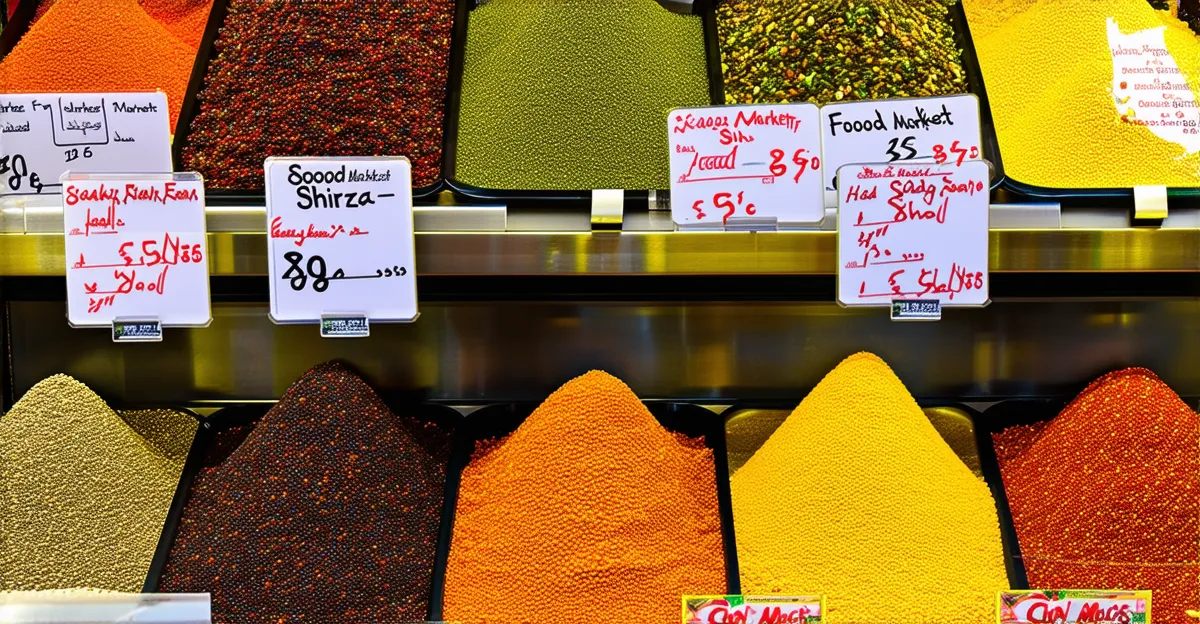
One notable feature of the Shiraz food markets is the vibrant array of fresh herbs and spices. Vendors proudly display bunches of fragrant herbs, such as mint, coriander, and basil, essential in Persian cooking. These herbs enhance dishes, providing depth and freshness that make Shiraz cuisine unique.
Additionally, spices such as turmeric, cinnamon, and cardamom add layers of flavor to local dishes. Visiting the spice stalls is an experience in itself, as the colors and aromas can be mesmerizing. Many locals swear by the health benefits of these ingredients, making them staples in everyday cooking.
Pro Tip: Don’t hesitate to ask vendors about the uses of various herbs and spices; they love to share their culinary wisdom!
Where to eat: After exploring the markets, consider trying a dish made with those fresh ingredients at Hafez Restaurant, known for its herb-rich dishes.
4. Traditional Dishes: A Culinary Must-Try
The culinary landscape of Shiraz is rich with traditional dishes that showcase the region’s flavors. One of the most famous dishes is Kebab, especially Joojeh Kebab made from marinated chicken, which is grilled to perfection. Another must-try is Fesenjan, a savory stew made with pomegranates and walnuts that beautifully balances sweet and sour flavors.
Rice dishes, particularly Polo, are also essential in Shiraz cuisine. The aromatic Sabzi Polo, which is herbed rice, is often served alongside fish or meat. Visitors should not miss Ghormeh Sabzi, a fragrant herb stew that is packed with flavor. Therefore, tasting these dishes is crucial to understanding Shiraz’s culinary heritage.
Don’t forget! Pair these traditional meals with fresh bread and pickles for the complete Shiraz experience.
Where to eat: For authentic kebabs, head to Shirazi Kebab. For a taste of Fesenjan, Ghormeh Sabzi House is a popular choice among locals.
5. Saffron: The Golden Spice of Shiraz
Saffron is often referred to as the golden spice of Shiraz, and it plays a significant role in Persian cooking. This precious spice is renowned for its vibrant color and unique flavor. In Shiraz, saffron is frequently used in rice dishes like Shirin Polo—sweet rice with carrots and orange peel—bringing a rich aroma that is hard to resist.
Moreover, saffron is added to numerous stews and desserts, enhancing both their taste and aroma. Its health benefits are also noteworthy, adding to its allure. Historically, Shiraz has been a primary region for cultivating saffron, making it a culinary cornerstone.
Pro Tip: When shopping in the markets, look for high-quality saffron strands to elevate your cooking at home.
Where to buy: You can find the best saffron at local spice shops in Vakil Bazaar, where vendors provide authentic Persian saffron.
6. Baklava and Sweets: Shiraz Dessert Culture
⭐ Recommendation: Don't miss out on amazing Shiraz tours - book now!
No visit to Shiraz would be complete without indulging in its delicious desserts. One standout treat is Baklava, a rich, sweet pastry made of layers of filo dough filled with nuts, sweetened with honey. Each bite is a delightful experience, making it a cherished favorite among locals and tourists alike.
Additionally, Shiraz has its own variety of sweets such as Ramsar Sweets and Persian Cotton Candy, which are popular at local markets. These traditional treats can often be found in charming shops throughout the city, offering a taste of Iranian culture.
Sweet Tip: Pair your baklava with Persian tea for a delightful afternoon experience in Shiraz.
Where to try: For the best Baklava, visit Baklava House, known for its flaky pastries. Don’t miss Sweets of Shiraz for assorted traditional sweets.
7. street food: A Quick Bite in Shiraz
Exploring the Shiraz food markets is incomplete without diving into the vibrant street food scene. The streets of Shiraz are adorned with small stalls serving a variety of quick bites, perfect for those looking to sample local flavors on the go. One popular choice is kebab, particularly called kebabs koobideh, featuring minced meat skewers grilled to perfection. Another beloved snack is falafel, deep-fried chickpea balls served in pita with tangy sauces and fresh vegetables.
Don’t miss trying ash reshteh, a hearty noodle soup packed with herbs and beans, which is especially comforting on cooler days. Samosas, savory pastries filled with spiced potatoes, are also a must-try street snack.
Pro Tip: For the best street food experience, visit the evening food stalls near the Vakil Bazaar, where delicious aromas entice you to try a little bit of everything.
Where to eat: Check out Shiraz Street Food Corner for locals’ favorite dishes, or head to the Ali Baba Kebab Shop, known for its delicious and affordable kebabs.
8. Culinary Experiences: Cooking Classes in Shiraz
To truly immerse yourself in Shiraz food markets, consider enhancing your culinary skills through local cooking classes. These hands-on experiences allow you to learn traditional Persian cooking techniques, using fresh ingredients sourced directly from the markets. Many classes begin with a delightful market tour, where you’ll choose ingredients such as herbs, vegetables, and spices to use in your dishes.
During the class, skilled chefs guide you in preparing classic dishes like fesenjan, a rich pomegranate and walnut stew, or dolmeh, grape leaves stuffed with rice and ground meat. This interactive experience not only equips you with recipes but also connects you with the vibrant culture of Shiraz.
Did you know? Many cooking classes also include tips on how to blend spices to achieve authentic Persian flavors.
Where to learn: Check out Pardis Cooking School or Shiraz Culinary Workshop for classes that cater to all skill levels, offering a fun and educational experience.
9. Tea Houses: The Essence of Persian Hospitality
No visit to Shiraz would be complete without experiencing its traditional tea houses. These charming spots reflect the essence of Persian hospitality and provide an authentic place to relax and enjoy a warm cup of tea. You can sip on various brews, from fragrant green tea to the rich and soothing chai.
In addition to tea, many tea houses serve traditional sweets like baklava and pashmak, a cotton candy-like dessert, allowing you to indulge your sweet tooth. Visiting these tea houses can also provide a glimpse into Shiraz’s culture, as they are often vibrant places filled with laughter and conversation.
Pro Tip: Look for tea houses that offer outdoor seating for a picturesque view of the surrounding city.
Where to relax: For a true local experience, head to Persian Tea House or Arg-e Karim Khan Tea House, both known for their exceptional service and cozy atmosphere.
10. Seasonal Fruits of Shiraz: Nature’s Bounty
Shiraz, a city renowned for its rich cultural heritage, also offers a vibrant selection of seasonal fruits that embody the essence of its lush landscapes. The climate in Shiraz contributes to the growth of a variety of delicious fruits that are frequently showcased in local food markets. Additionally, these fruits are often used in traditional dishes and desserts, providing a unique flavor profile that enhances Shiraz cuisine.
Among the standout fruits are pomegranates, famous for their sweet-tart flavor and vibrant color. They are often used in various dishes or enjoyed fresh. Another popular fruit is the fig, which is commonly found in local markets during the harvest season and is delightfully sweet and juicy. Also noteworthy are the grapes, especially in Shiraz, a city known for its exceptional wines. During summer, visitors will find juicy peaches and apricots, ideal for snacking or incorporating into desserts.
Pro Tip: When visiting the markets, don’t hesitate to ask the vendors for samples! This way, you can experience the fresh flavors firsthand.
Where to eat: For the freshest selection of seasonal fruits, head to the Vakil Bazaar or the Ghasrodasht Market. These bustling markets showcase a variety of fruits and allow you to taste the heart of Shiraz’s agricultural bounty.
Exploring Shiraz food markets opens up a world of flavors and culinary traditions that are a feast for the senses. From the aromatic spices to the intricate sweets, each visit offers a chance to connect with the culture and hospitality of Iran. Don’t miss the opportunity to indulge in local dishes and participate in cooking classes for a truly immersive experience. Share your favorite Shiraz dishes and culinary adventures with fellow food lovers!
Frequently Asked Questions
⭐ Recommendation: Don't miss out on amazing Shiraz tours - book now!
A: Shiraz is known for its aromatic dishes, particularly those that feature saffron, pomegranate, and fresh herbs.
A: Must-try dishes include Khoresh Fesenjan, kebabs, and a variety of Persian rice dishes.
A: Yes, the food markets are welcoming to tourists and offer a chance to taste authentic local cuisine.
A: Absolutely! Many dishes can be prepared vegetarian or vegan, such as salads and rice-based specialties.
A: Visiting in the morning provides a lively atmosphere, with fresh ingredients and bustling vendors.
A: Many local schools and chefs offer cooking classes that feature traditional Persian cuisine.