
Seoul Food Markets: Explore Delicious Local Treats
Discover Seoul food markets in this ultimate guide. Experience vibrant local flavors, delectable snacks, and must-visit food spots in the city.
On this page
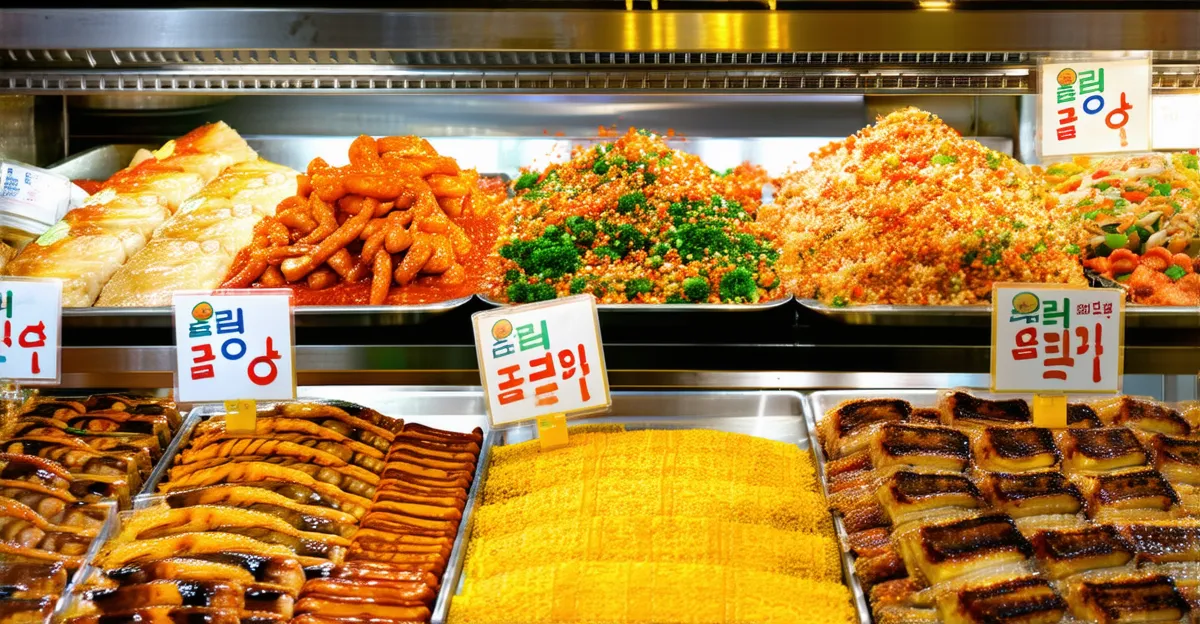
Seoul’s food markets are a feast for the senses, bursting with the vibrant colors and enticing aromas of fresh produce and traditional Korean delicacies. These bustling hubs embody the city’s rich culinary heritage, offering an array of experiences that cater to food lovers from all walks of life. From the sizzling sounds of street vendors grilling meat to the sweet notes of traditional snacks, Seoul’s food markets are a must-experience for those wishing to dive deep into Korean cuisine. In this guide, we will explore the best markets and highlight the unique offerings that make Seoul a foodie’s paradise.
Key Takeaways
- Seoul’s food markets offer an array of authentic Korean flavors and dishes.
- Signature dishes like tteokbokki and bindaetteok highlight the city’s vibrant street food culture.
- Markets offer options for every budget, from affordable snacks to gourmet treats.
- Exploring various food markets is an essential way to experience local culture and cuisine.
1. Gwangjang Market: The Heart of traditional Snacks
Gwangjang Market is one of Seoul’s most famous food markets, renowned for its delectable traditional snacks. Established in 1905, it has become a cultural landmark, attracting locals and tourists alike. The market offers a wide variety of food stalls where visitors can enjoy Bindaetteok (mung bean pancakes) and Jeon (savory pancakes). These dishes are not only delicious but also showcase the rich culinary heritage of Korea.
While exploring the market, make sure to also try Mayak Gimbap, which translates to “addictive seaweed rice rolls.” They are small, easy to eat, and packed with flavor. Additionally, the vibrant atmosphere of Gwangjang Market immerses you in authentic Korean culture.
Pro Tip: Don’t forget to grab a glass of makgeolli, a traditional Korean rice wine, to wash down your snacks!
Where to eat: Visit the bustling food stalls in Gwangjang Market, especially Sunheekwan for Bindaetteok or Gwangjang Jip for fresh Gimbap. The experience is truly unforgettable!
2. Namdaemun Market: A Shopper’s Culinary Haven
Namdaemun Market, one of Korea’s largest traditional markets, is a shopper’s paradise and a fantastic place to indulge in amazing street foods. This market is divided into sections, and the food stalls are often buzzing with activity. Here, you can savor local favorites like Kal-Guksu (handmade knife-cut noodles) and Sundae (Korean blood sausage).
In addition to savory dishes, you can also find delightful snacks such as Hotteok (sweet pancakes filled with syrup) and Fish Cakes being served piping hot. Many visitors enjoy the experience of wandering through the narrow aisles, stopping to sample bites along the way.
Did you know? Namdaemun Market also serves delicious patbingsu (shaved ice dessert) which is perfect for warm days!
Where to eat: While in Namdaemun Market, make sure to visit Jinjujip for Kal-Guksu or try Woori Ganjang Tangsuyuk for some authentic Korean cuisine.
3. Dongdaemun Night Market: Late-Night Delights
💡 Pro Tip: Book your Seoul adventures in advance through Viator for the best deals!
Dongdaemun Night Market is the ultimate destination for late-night foodies. Open until the early hours, it offers a unique blend of shopping and dining experiences. The market is especially famous for its street food stalls, where you can taste tteokbokki (spicy rice cakes) and odeng (fish cake skewers), both of which are perfect for nighttime snacking.
Additionally, the lively ambiance of Dongdaemun adds to the excitement of tasting these offerings. Visitors can also find fried chicken and soondae (Korean sausage) being prepared fresh to order.
Pro Tip: Come hungry as you’ll want to try several different dishes as you explore the market!
Where to eat: For the best dish of Tteokbokki, head over to Dongdaemun Tteokbokki or Yeoja Gung** for some mouthwatering fried chicken. This night market is always buzzing and never disappoints!
4. Tongin Market: Unique Dosirak Experience
Located in the heart of Seoul, Tongin Market is a delightful food market that offers a unique experience known as dosirak, or lunchbox meals. Visitors can purchase a set of traditional coins known as yeopjeon to exchange for various dishes from market stalls. What makes this experience special is the opportunity to create a custom meal with a selection of tasty food options.
At Tongin Market, you can enjoy traditional Korean dishes like kimchi jeon (kimchi pancakes), Bulgogi (marinated beef), and various side dishes—called banchan. As you stroll through the narrow alleys, the enticing aromas of grilled meats and simmering stews fill the air, boosting your appetite.
Pro Tip: Make sure to visit during lunch hours for the full dosirak experience and don’t forget to try the traditional Korean rice cakes at one of the stalls.
Where to eat: Besides the numerous stalls in Tongin Market, try Jinjujip for their delicious tteokbokki (spicy rice cakes) or Kim Cheon Dae for their flavorful Korean dumplings.
5. Mangwon Market: A Local’s Favorite
Less touristy and more authentic, Mangwon Market is a popular destination among locals for its variety of fresh produce, seafood, and street food stalls. Here, you can find everything from savory snacks to seasonal fruits. The market has a cozy atmosphere where you can truly experience Korean culture and community spirit.
Don’t miss trying local delicacies like fried fish cakes, odeng, or hotteok (sweet pancakes). Additionally, the market offers affordable prices, making it an excellent choice for those on a budget who still want to savor delicious Seoul food markets cuisine.
Did you know? Mangwon Market also features small shops where you can buy unique handmade items and crafts.
Where to eat: For a hearty meal, visit Yangming, known for their Mapo Tofu. For dessert, don’t miss Yujin Tteok for traditional rice cakes.
6. Myeongdong Street Food Alley: A Tourist Hotspot
💡 Pro Tip: Book your Seoul adventures in advance through Viator for the best deals!
Myeongdong Street Food Alley is a must-visit for any food lover traveling to Seoul. This vibrant area is renowned for its bustling atmosphere filled with food stalls and shops selling trendy merchandise. The street food here is not only delicious but also Instagram-worthy, drawing in countless tourists each day.
Sample iconic dishes like Korean fried chicken, spicy tteokbokki, and dessert bingsu (shaved ice). Myeongdong also offers unique items such as hot dog skewers and cheese taffy, giving visitors an exciting blend of flavors to enjoy.
Pro Tip: Arrive in the evening for the full street food experience as the stalls light up and create an energetic nightlife atmosphere.
Where to eat: For exceptional fried chicken, look no further than McChicken, while Myeongdong Kyoja serves up some of the best noodle dishes in the area.
7. Seoul’s Fish Markets: Fresh Seafood Galore
Seoul is renowned for its vibrant fish markets that offer a dazzling array of fresh seafood. Among these, Noryangjin Fish Market stands out as the premier destination, attracting both locals and tourists alike. The market operates 24 hours a day, showcasing everything from live octopus to crabs and various fish. Visitors can not only purchase fresh seafood but also enjoy it prepared on-site at one of the market’s many restaurants.
The experience of choosing your seafood and having it cooked right away is simply unmatched. Moreover, the atmosphere buzzes with energy, as fishmongers call out their best catches. In addition, the prices are often more affordable than in typical restaurants. Therefore, it’s a great place to dive into authentic Seoul food markets.
Pro Tip: Be prepared to haggle a bit; it’s part of the fun and can lead to some excellent deals!
Where to eat: Stop by Ganchon Fish Restaurant within the market, which is famous for its grilled fish, or try Yukhoe Banga for a unique raw beef and seafood experience.
8. Insadong Market: Culture and Culinary Fusion
Insadong Market is a delightful fusion of culture, art, and food, making it a perfect place to explore traditional Korean cuisine amidst beautiful surroundings. The market is well-known for its antique shops and art galleries, but it also offers an enticing variety of food stalls that serve popular Korean dishes.
As you stroll through Insadong, make sure to try Hotteok, a sweet pancake filled with syrup, or Injeolmi, a soft rice cake coated in powdered soybean flour. Additionally, visitors can sample Bulgogi from street vendors or sit down for a meal in one of the cozy restaurants. These experiences are what make Seoul food markets truly unforgettable.
Did you know? Insadong also features tea houses where you can sip traditional Korean tea paired with tasty snacks.
Where to eat: For a wonderful experience, visit Insadong Chatjip, famous for its traditional teas and desserts, or Jirisan for authentic Korean BBQ in the heart of the market.
9. Traditional Korean Desserts at Sinsa-dong
Sinsa-dong is a trendy neighborhood that offers a delightful array of traditional Korean desserts, balancing modern aesthetics with classic flavors. As you walk through its lively street markets, keep an eye out for stalls selling Bingsu, a cold dessert consisting of shaved ice topped with various sweet ingredients like fruit, condensed milk, and red bean.
Another must-try is Tteok, a rice cake that comes in multiple varieties, often served with fillings like sweet red bean paste or fruit. Additionally, Sinsa-dong is home to numerous cafes specializing in traditional Korean sweets, making it a perfect location to enjoy these treats after exploring the local shops.
Pro Tip: Pair your dessert with a cup of Omija Tea, known for its unique five-flavor profile!
Where to eat: Don’t miss Fredo for delicious Bingsu and Sundae Caffe to enjoy an extensive selection of traditional desserts.
10. The Best Culinary Tours in Seoul Food Markets
Exploring Seoul food markets becomes even more delightful when you join a culinary tour. These tours not only introduce you to the rich flavors of traditional snacks but also provide insights into the history and culture behind each market. You can expect to taste iconic dishes while learning about their origins and preparation methods.
Many tours include visits to famous markets such as Gwangjang Market and Namdaemun Market, where you can sample everything from savory jeon (Korean pancakes) to delicious bindaetteok (mung bean pancakes). Additionally, seasoned guides share hidden gems and local favorites that you might not discover on your own.
Pro Tip: Opt for small group tours for a more personalized experience, ensuring you can ask questions and interact closely with your guide.
One highly recommended tour is the Seoul Street Food Tour, which covers various markets and includes tastings of popular street foods. Another great choice is the Cooking Class at Gwangjang Market, where you can learn to prepare traditional dishes alongside tasting them. These immersive experiences truly elevate your understanding of Seoul’s vibrant culinary scene.
Seoul’s food markets offer a unique opportunity to dive into the city’s culinary soul. From traditional snacks to fresh seafood, these bustling spots bring locals and travelers together over a shared love for delicious food. Don’t miss the chance to explore the vibrant offerings at these markets during your visit, and feel free to share your favorite market experiences with us!
Frequently Asked Questions
💡 Pro Tip: Book your Seoul adventures in advance through Viator for the best deals!
A: Gwangjang Market and Namdaemun Market are among the most famous, known for their diverse offerings and vibrant atmosphere.
A: You must try tteokbokki, bindaetteok, gimbap, and hotteok at the markets.
A: Yes, most food markets in Seoul operate year-round, though some may have reduced hours on holidays.
A: Yes, street food in Seoul is generally safe to eat, but ensure you choose stalls with high turnover and good hygiene.
A: Visiting in the evening can be magical, especially at night markets that come alive with food stalls and local delicacies.
A: Yes, several stalls offer vegan-friendly options like vegetable pancakes and refreshing fruit juices.