
Santiago de Cuba Street Food: A Flavorful Journey
Santiago de Cuba street food delights! Discover local dishes, vibrant flavors, and must-try food spots in this guide for culinary adventurers.
On this page
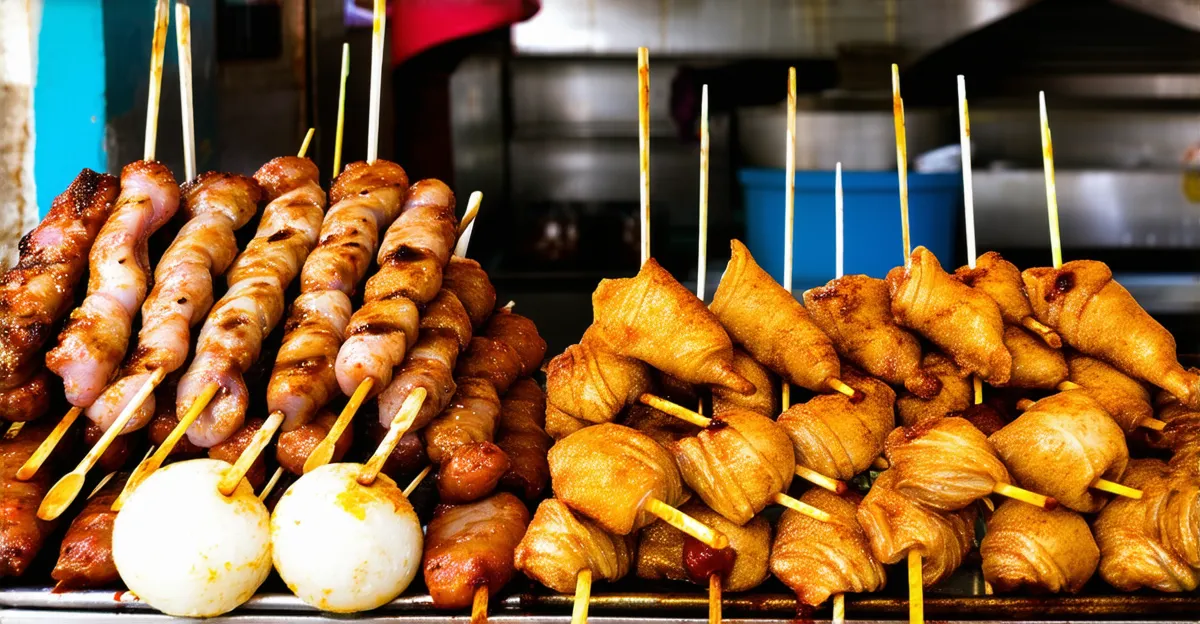
Santiago de Cuba street food is a vibrant tapestry of flavors and culinary influences, making it a gastronomic haven for both locals and visitors. The city, with its rich cultural heritage, reflects its history and traditions through its diverse food offerings. From savory fritters to sweet treats, the street food scene in Santiago de Cuba represents an exciting culinary adventure waiting to be explored. This guide will navigate you through the best local dishes and dining experiences that showcase the essence of Santiago de Cuba’s street food culture.
Key Takeaways
- Santiago de Cuba street food blends traditional flavors with vibrant culinary culture.
- Must-try dishes like Congrí, Tostones, and Ropa Vieja are essential for visitors.
- Street vendors offer budget-friendly prices without sacrificing taste.
- Explore local markets and food stalls for an authentic culinary experience.
1. Congrí: A Classic Cuban Rice and Beans Dish
Congrí is a beloved dish that perfectly represents the essence of Santiago de Cuba street food. This hearty blend of rice and black beans is often enhanced with spices such as garlic, cumin, and bay leaves. The combination yields a rich, savory flavor that is not only comforting but also satisfying. Many locals enjoy this dish as a staple, often served alongside grilled meats or fried plantains.
While making Congrí at home can be rewarding, tasting it from a street vendor brings an authentic experience like no other. The colors of the rice paired with the deep black beans create a visually appealing meal that also delights the palate.
Did you know? Congrí is often prepared using leftover black beans mixed with rice to create a delicious dish that captures the essence of home-cooked Cuban cuisine.
Where to eat: For an authentic taste of Congrí, check out Casa de la Música where the locals often gather for a meal. Alternatively, the street vendors near Parque de Céspedes serve this dish along with other Cuban favorites.
2. Tostones: Crunchy Fried Plantains
Tostones, or fried green plantains, are another must-try item from Santiago de Cuba street food. They are made by slicing green plantains and frying them twice until they are golden and crispy. This dish is subtly salted, giving it a delightful crunch that makes for an addictive snack or side. Often, tostones are served with a garlic dipping sauce or paired with a zesty dipping sauce, enhancing their flavor.
These crunchy treats are popular among locals and are found at almost every street corner. They serve as a perfect accompaniment to many dishes or can be savored simply on their own.
Pro Tip: Don’t hesitate to ask for extra dipping sauce; it elevates the taste of tostones significantly!
Where to eat: You can find fantastic tostones at El Palenque, known for its vibrant flavors, or visit the street food stalls near Plaza de Marte for a quick bite.
3. Ropa Vieja: Shredded Beef Stew in Santiago
🎯 Insider Tip: Discover the best Santiago de Compostela experiences with Viator Tours!
Ropa Vieja is another iconic dish that you must try while exploring Santiago de Cuba street food. This traditional dish features shredded beef cooked slowly in a mixture of tomatoes, bell peppers, and spices, resulting in a rich, flavorful stew. Ropa Vieja is typically served with rice and black beans or fried plantains, making it a complete meal in itself.
The name “Ropa Vieja” translates to “old clothes,” reflecting the dish’s appearance, as the beef resembles strands of fabric. This dish is not only filling but also represents the true essence of Cuban cuisine, bringing together a variety of flavors in one pot.
Remember: Ropa Vieja is often a family favorite during Sunday dinners in Cuba, and trying street versions may give you a glimpse of home-cooked comfort.
Where to eat: Check out Café de los Artistas for a delightful Ropa Vieja, or visit local markets where street vendors offer this delightful dish to hungry patrons.
4. Croquetas: Savory Cuban Snack Options
Croquetas are a beloved snack throughout Cuba, and Santiago de Cuba street food is no exception. These delicious, bite-sized treats are typically made from a mixture of meat, fish, or vegetables, blended with béchamel sauce and then coated in breadcrumbs. They are deep-fried to golden perfection, resulting in a crunchy exterior and a creamy interior.
The most popular varieties include ham and chicken croquetas, which are often sold at small eateries and food stalls around the city. In addition, the joy of eating croquetas lies not just in their taste, but also in their accessibility. You can enjoy them on-the-go, making them the ideal street food snack.
Did you know? Croquetas pair perfectly with a side of tangy dipping sauce, enhancing their flavor even more!
Where to eat: For the best croquetas in Santiago, visit El Paladar del Yarey or stop by the street vendors near Parque Céspedes for a quick and tasty treat.
5. Yuca con Mojo: Delicious Boiled Cassava
Yuca con Mojo is a staple dish in Cuban cuisine, particularly popular as street food in Santiago. Yuca, also known as cassava, is a starchy root vegetable that is boiled until tender and served with a zesty garlic sauce called mojo. This dish is flavorful and satisfying, making it a favorite among locals and visitors alike.
The preparation is quite simple, yet the taste is simply unforgettable. The mojo sauce adds a tangy kick to the yuca, thanks to its mix of garlic, citrus juice, and olive oil. Eating Yuca con Mojo is an experience that captures the essence of Cuban flavors.
Pro Tip: For an authentic experience, sprinkle some crispy onions on top of your dish before enjoying!
Where to eat: Check out La Casa de la Yuca for a delicious serving of this dish, or grab it from the street vendors near Calle Enramadas.
6. Lechón Asado: Mouthwatering Roast Pork
Lechón Asado, or roast pork, is a quintessential Cuban dish that reflects the country’s rich culinary traditions. In Santiago de Cuba, this dish is often cooked for special occasions, but it’s readily available as street food as well. The pork is marinated in a mixture of garlic, sour orange juice, and spices, resulting in incredibly flavorful meat.
Cooked over an open flame or in an oven, Lechón Asado is tender on the inside with a crispy, crackling skin. This dish embodies the spirit of Cuban street food—bold flavors and a communal dining experience. It is typically served with rice, beans, and yuca, creating a fulfilling meal.
Tip: Make sure to try it with a side of plantains for the full Cuban experience!
Where to eat: Head to Restaurante El Lagar for some of the best Lechón Asado in Santiago, or find street vendors who specialize in this dish for a delicious, authentic taste.
7. Empanadas: Flavorful Turnovers from Street Vendors
🎯 Insider Tip: Discover the best Santiago de Compostela experiences with Viator Tours!
Empanadas are one of the most beloved Santiago de Cuba street food delights. These delightful turnovers are filled with a variety of ingredients, from seasoned meats to vegetables and cheese. You can find them at many local street vendors, where they are often freshly made and served hot. The dough is typically flaky and golden, providing a beautiful contrast to the savory fillings within.
There are several popular options for fillings, including picadillo (a seasoned ground beef mix), chicken, or even a vegetarian option with spinach. They are usually deep-fried to create a crispy exterior that perfectly complements the delightful interior. Not only are empanadas delicious, but they are also portable, making them an ideal quick snack when exploring the vibrant streets of Santiago de Cuba.
Pro Tip: Dipping your empanada in a spicy salsa or a tangy hot sauce can enhance its flavor immensely!
Where to eat: For the best empanadas, check out El Chanchullero or Casa de la Musica, where you can enjoy this tasty treat while soaking in the local atmosphere.
8. Batido de Guayaba: Refreshing Guava Smoothies
No culinary exploration of Santiago de Cuba is complete without trying a batido de guayaba. This refreshing guava smoothie is a favorite among locals and offers a sweet and unique flavor that is hard to resist. Typically, the drink is made by blending ripe guavas with milk or water, sugar, and ice, resulting in a creamy and delicious treat perfect for the warm Cuban climate.
Many street vendors serve batido de guayaba in plastic cups, making it easy to enjoy while wandering around town. This delightful smoothie not only quenches your thirst but also gives you a taste of the local produce. Guavas are widely grown in Cuba, and their sweet taste truly shines in this beverage.
Did you know? Batidos can be customized! You can add other tropical fruits like mango or banana for even more flavor.
Where to eat: Try La Guarida for an authentic batido experience, where their guava smoothie has become a local favorite!
9. Moros y Cristianos: A Harmonious Rice Dish
Moros y Cristianos is a symbolic dish in Cuban cuisine, representing a blend of black beans and white rice. This traditional Santiago de Cuba street food dish signifies the cultural fusion of African and Spanish influences, making it a staple in local households. The term “moros” refers to the black beans, while “cristianos” refers to the white rice, perfectly combining to create a delicious and satisfying meal.
Typically, the rice is cooked with spices and sometimes flavored with sofrito, a blend of sautéed onions, garlic, and bell peppers, giving it a rich taste. The beans are cooked to perfection, resulting in a hearty and nutritious dish that pairs well with meats or can be enjoyed on its own.
Pro Tip: Make sure to sprinkle some fresh cilantro on top for an added burst of flavor!
Where to eat: For great Moros y Cristianos, head to Restaurant El Barracón, where you can enjoy this dish alongside other delicious Cuban offerings.
10. Dulce de leche: Sweet Caramel Treats
🎯 Insider Tip: Discover the best Santiago de Compostela experiences with Viator Tours!
Dulce de leche is a beloved sweet treat in Santiago de Cuba, as well as throughout Latin America. This smooth, creamy caramel is made by slowly heating sweetened milk until it thickens and turns a rich caramel color. The result is a delightfully sweet spread that can be enjoyed in many ways. Often, locals spread it on bread or drizzle it over desserts for an added touch of sweetness.
In Santiago, you can find dulce de leche at local bakeries and street vendors. It pairs beautifully with various sweets, such as pastries and cakes. Additionally, some ice cream shops incorporate it into their flavors, offering a refreshing twist on this traditional treat. You can even buy it in jars to take home as a souvenir of your culinary journey.
Pro Tip: Try substituting dulce de leche for syrup on pancakes or waffles for a unique and flavorful breakfast.
Where to eat: For the best dulce de leche, visit Helados Coppelia for some delicious ice cream with this caramel treat. You can also check out Pastería Melao for a range of pastries that include this sweet delight.
Santiago de Cuba street food offers a delicious peek into the city’s rich culinary landscape, marrying tradition with flavor. From the vibrant street stalls to local markets, there’s an array of tastes to discover. Encourage your culinary adventure by sharing your favorite Santiago dish or planning a trip to experience its delectable street food scene for yourself!
Frequently Asked Questions
A: Santiago de Cuba is known for its flavorful dishes such as Congrí, Ropa Vieja, and tropical fruit smoothies.
A: Be sure to try Tostones, Croquetas, and Lechón Asado when wandering the streets.
A: Yes, many street food vendors offer plant-based options like Yuca con Mojo.
A: Head to local markets or popular plazas for a variety of street food options.
A: Street food in Santiago de Cuba is very affordable, with most dishes costing between 1-5 USD.
A: Evenings are lively, and you’ll find a wide range of food stalls open for dinner.
A: Generally, street food is safe; however, choose vendors with good hygiene practices.