
Rome Traditional Dishes: A Culinary Journey
Explore Rome traditional dishes! Discover the must-try local flavors, hidden eateries, and unforgettable dining experiences in Italy’s capital.
On this page
Rome is renowned for its rich culinary traditions that blend simple ingredients with rich flavors, captivating food lovers from around the world. The city’s cuisine reflects its vibrant history and culture, with every dish telling a story. From the beloved pasta dishes to irresistible street food, local markets, and family-run trattorias, Rome offers a gastronomic adventure like no other. This article dives into the must-try traditional dishes and dining experiences that every traveler should seek while exploring the Eternal City.
Key Takeaways
- Rome’s traditional dishes offer a delightful range of flavors and textures.
- Signature dishes like Cacio e Pepe and Carbonara showcase the city’s pasta heritage.
- From street bites to family meals, Roman cuisine caters to every dining preference.
- food markets and local eateries are excellent places to sample authentic dishes.
1. Cacio e Pepe: A Roman Pasta Classic
Cacio e Pepe, which translates to “cheese and pepper,” is among the most iconic Rome traditional dishes. This simple yet delicious pasta dish is made with just three ingredients: spaghetti, Pecorino Romano cheese, and freshly cracked black pepper. The magic of Cacio e Pepe lies in how these elements come together to create a creamy, rich sauce that clings to the pasta. It’s a perfect example of Roman cuisine’s ability to transform humble ingredients into a memorable meal.
When you visit Rome, indulging in Cacio e Pepe is a must! Many local eateries serve it with slight variations, but the classic version is always a hit. Furthermore, it is often prepared right in front of you, where the cheese is grated directly onto the pasta. This hands-on approach adds an element of excitement to the dining experience.
Pro Tip: To enjoy true Cacio e Pepe, look for restaurants that focus on traditional Roman cuisine.
Where to eat: For an authentic experience, check out Da Felice a Testaccio or Osteria da Fortunata, both famous for their mouth-watering Cacio e Pepe.
2. Carbonara: The Creamy Delight of Rome
Carbonara is another beloved dish that showcases the essence of Rome traditional dishes. Made from eggs, Pecorino Romano cheese, guanciale (cured pork cheek), and black pepper, Carbonara is rich and creamy without adding any cream. The key to a good Carbonara is ensuring the pasta is hot enough to cook the eggs, creating a silky sauce that enhances the al dente noodles.
This dish is ideal for both lunch and dinner, offering a hearty yet comforting option for any meal. In addition, its flavors highlight the quality of the ingredients, meaning it’s essential to find a restaurant that uses fresh, high-quality produce.
Pro Tip: Pair your Carbonara with a glass of local wine for an even better experience!
Where to eat: For the best Carbonara, visit Roscioli or Trattoria Da Enzo al 29, two places renowned for their authentic take on this classic dish.
3. Amatriciana: A Saucy Tribute to Tradition
🌟 Local Expert Tip: Get the most out of your Rome visit with guided tours!
Amatriciana is one of the standout Rome traditional dishes, hailing from the town of Amatrice. It features a robust sauce made with tomatoes, guanciale, and Pecorino Romano cheese. The combination of these ingredients creates a tangy, savory taste that perfectly complements the pasta. Typically, it’s served with bucatini, a thick spaghetti-like noodle that has a hole in the center.
This sauce has a rich history and is often considered one of the cornerstones of Roman cuisine. It’s comforting and satisfying, showcasing the simplicity and flavor that define Italian food. Moreover, many variations exist, but the traditional recipe remains the most appreciated.
Pro Tip: Don’t hesitate to ask for extra cheese; it adds a delightful layer of flavor!
Where to eat: Try Piperno or Trattoria Da Lucia for an authentic taste of Amatriciana, both popular spots loved by locals and tourists alike.
4. Saltimbocca: A Roman Meat Masterpiece
Saltimbocca is a classic Roman dish that truly embodies the spirit of Rome traditional dishes. This dish features tender veal cutlets topped with prosciutto and fresh sage, which are then sautéed in a blend of butter and white wine, infusing incredible flavors. The combination of savory prosciutto and aromatic sage makes each bite a delightful experience.
Traditionally, saltimbocca is served with a side of sautéed vegetables or polenta, completing the meal perfectly. Many local trattorias prepare this dish with great care, ensuring that the meat is juicy and flavorful.
Pro Tip: For the best experience, watch the chefs prepare this dish in the restaurant’s open kitchen!
Where to eat: To taste authentic saltimbocca, head to Trattoria Da Enzo al 29 in Trastevere or Ristorante Il Margutta known for its classic rustic ambiance.
5. Supplì: Delicious Rice Balls for Snacking
🌟 Local Expert Tip: Get the most out of your Rome visit with guided tours!
Supplì are a favorite snack among Romans. These delightful rice balls are typically filled with a gooey core of mozzarella cheese and are rolled in breadcrumbs before being fried to golden perfection. Crispy on the outside and creamy on the inside, they make for an impeccable appetizer or street food nibble.
While the traditional supplì features tomato-based risotto, variations have emerged, including those with meat or mushrooms. They are often enjoyed as a quick snack during a leisurely walk around the city’s picturesque streets.
Did you know? The name ‘supplì’ is said to come from the Italian word ‘supplire,’ meaning to supply, as they provide a satisfying experience!
Where to eat: Visit Supplizio or Trapizzino for some of the best supplì in Rome, where these tasty snacks are made fresh daily.
6. Porchetta: Savory Roast Pork in Rome
Porchetta is a must-try dish when exploring Rome traditional dishes. This savory roast pork is usually seasoned with herbs and rolled into a succulent roast. The combination of moist meat and crunchy skin creates an irresistible texture and flavor, making it a staple at Roman feasts and gatherings.
Often served in thin slices, porchetta can be enjoyed on a sandwich or as part of a larger meal with sides like roasted vegetables or potatoes. It’s particularly popular at street markets, allowing visitors to indulge in this delicacy on the go.
Pro Tip: Pair porchetta with a glass of local wine to enhance the dining experience!
Where to eat: Check out Macelleria Salumeria Fratelli Bianchi for their famed porchetta and visit Al Giardino dei Pini where you can savor this classic dish in a rustic setting.
7. Carciofi alla Romana: Roman Artichokes Done Right
Carciofi alla Romana, or Roman-style artichokes, are a beloved dish that showcases the simplicity yet robust flavors of Roman cuisine. This dish features young artichokes, which are tender and flavorful, braised with olive oil, garlic, mint, and parsley. The use of fresh herbs is essential, as they enhance the taste, making each bite a delight.
To prepare this dish, the artichokes are trimmed to remove the tough outer leaves and then seasoned generously. They are cooked slowly in a pan, where the ingredients meld together beautifully. You will often find this dish served as a delightful starter or a side dish in many traditional Roman restaurants.
Pro Tip: For an authentic experience, enjoy Carciofi alla Romana in the spring, when artichokes are at their peak freshness.
Where to eat: To savor true Carciofi alla Romana, visit Da Enzo al 29 in Trastevere or Ristorante Roma Sparita, both known for their exquisite preparations of this local specialty.
8. Gnocchi alla Romana: Pillowy Semolina Dumplings
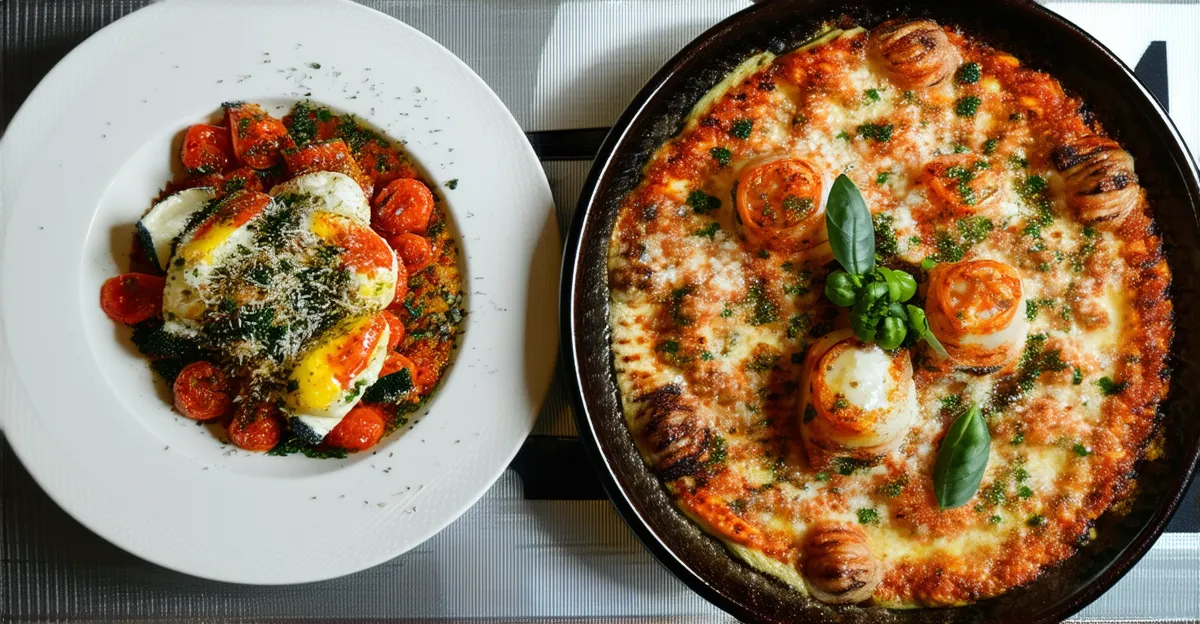
Gnocchi alla Romana are a traditional Roman dish that differs from the more commonly known potato gnocchi. Instead of potatoes, these dumplings are made from semolina flour, which gives them a unique texture and flavor. The semolina is cooked with milk and then formed into a creamy, thick dough, which is spread out and cut into discs.
These little pillows of goodness are often baked with butter and cheese, resulting in a crispy golden top and a soft, melt-in-your-mouth interior. They are usually served as a side dish, perfectly complementing meat dishes, or enjoyed as a stand-alone meal.
Did you know? Gnocchi alla Romana is typically enjoyed on Thursdays as per Roman tradition!
Where to eat: For the best Gnocchi alla Romana, head to Ristorante Sant’ Andrea, where this dish is a house favorite, or Flavio al Velavevodetto that offers a lovely take on this classic.
9. Pizza Bianca: A Unique Roman Snack
🌟 Local Expert Tip: Get the most out of your Rome visit with guided tours!
Pizza Bianca, or “white pizza,” is a quintessential Roman street snack that deserves a spot on your culinary itinerary. Unlike traditional pizza, this delightful treat is made without tomato sauce, featuring a thin crust topped with olive oil, salt, and sometimes rosemary. Its simple ingredients highlight the quality of the dough and olive oil.
This pizza is often enjoyed fresh from bakeries and served as a snack or appetizer. Locals love to pair it with various fillings, such as prosciutto or mozzarella, making it a versatile option. The crispy crust combined with the fragrant olive oil creates a satisfying crunch that is hard to resist.
Pro Tip: Look for slices of Pizza Bianca at local bakeries for an authentic taste of Roman street food!
Where to eat: For a delicious slice, visit Forno Campo de’ Fiori, renowned for their incredible Pizza Bianca. Another great spot is Antico Forno Roscioli, where you can savor the classic flavors of this Roman specialty.
10. Maritozzo: Sweet Cream-Filled Buns of Rome
Among the delightful Rome traditional dishes, Maritozzo holds a special place, renowned for its sweet and rich flavors. These soft, sweet buns are typically filled with whipped cream, making them a perfect treat for breakfast or dessert. Originating in the rich culinary heritage of Rome, Maritozzo combines simplicity with decadence, captivating both locals and tourists alike.
Traditionally, Maritozzi are made with a sweet dough that includes milk, flour, sugar, and butter. The dough is then shaped into a bun, baked to a golden Hue, and finally, filled with a generous amount of whipped cream. Although it’s common to find variations that include chocolate chips or other fillings, the classic version remains a favorite.
Pro Tip: Don’t forget to savor Maritozzo with a cappuccino for the authentic Roman breakfast experience!
Where to eat: For an unforgettable Maritozzo, visit Antico Caffè Rosati in Piazza San Lorenzo in Lucina, known for its historic charm and quality pastries. Alternatively, Pasticceria Regoli is a must-try for their fluffy buns, making it a popular spot among locals.
Exploring Rome’s traditional dishes is an immersive experience that reveals the city’s culinary soul. With each bite, you will discover the simplicity and richness of flavors that define Roman cuisine. So, gather your appetite and embark on a food journey that pays homage to the Eternal City’s timeless culinary traditions. Share your favorite Roman dishes or plan your next food adventure in Rome today!
Frequently Asked Questions
A: Cacio e Pepe, Carbonara, Amatriciana, and Saltimbocca are among the must-try dishes.
A: For iconic Roman-style pizza, try Pizzeria La Montecarlo or Pizzarium.
A: Yes, dishes like Carciofi alla Romana and Pasta al Pomodoro are vegetarian-friendly.
A: A classic Roman breakfast might include a cornetto (croissant) and cappuccino.
A: Absolutely! Supplì and pizza al taglio are popular snack options throughout the city.
A: Trattoria Da Enzo al 29 and Trattoria Da Teo are great spots for authentic Roman dishes.