
Port-au-Prince Food Tours: Discover Local Flavors
Experience the vibrant food scene with Port-au-Prince food tours! Dive into local dishes, markets, and hidden gems waiting to be explored.
On this page
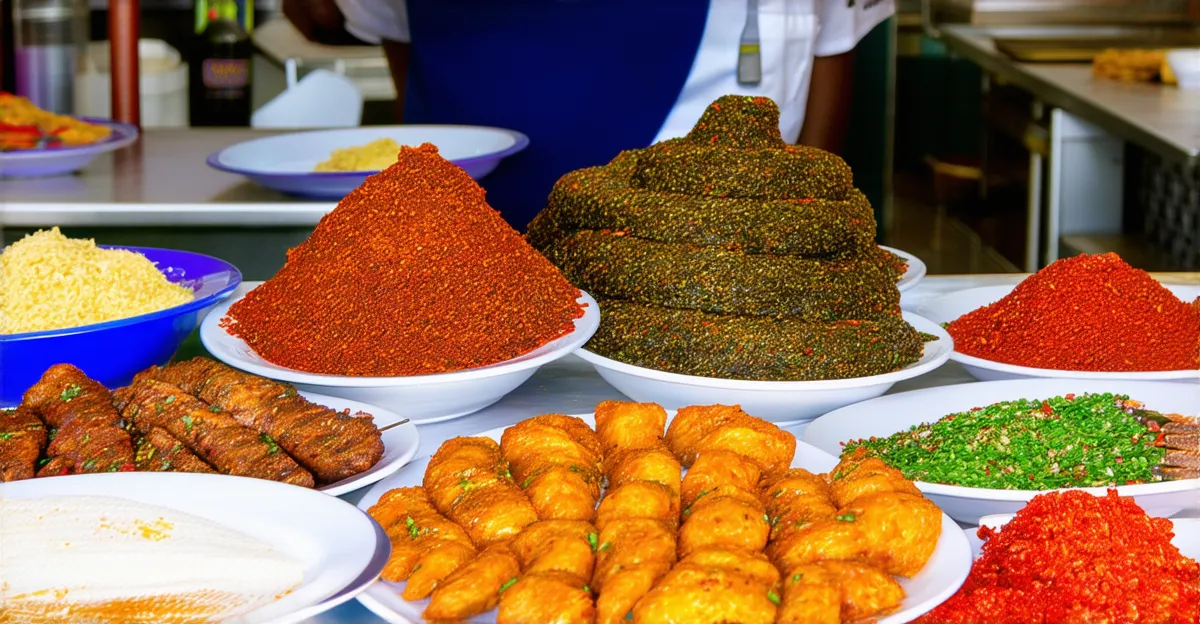
Port-au-Prince cuisine is a flavorful tapestry woven from African, French, and indigenous influences, offering an extraordinary culinary adventure for food lovers. The city is a melting pot of vibrant flavors, unique dishes, and rich food traditions that reflect its cultural heritage. Whether you’re indulging in spicy griot, enjoying delectable joumou soup, or exploring local street food, Port-au-Prince provides an unforgettable food exploration experience. Join us as we uncover the best food tours and dining spots that highlight the essence of Port-au-Prince cuisine.
Key Takeaways
- Port-au-Prince food tours offer diverse and authentic culinary experiences.
- Signature dishes like griot and joumou soup showcase Haiti’s rich flavors.
- street food and local markets are must-visit spots for food lovers.
- Cooking classes provide a hands-on approach to learning about Haitian cuisine.
1. Griot: The Iconic Symbol of Haitian Cuisine
Griot is not just a dish; it is truly an icon of Haitian culture and cuisine. This flavorful meal consists of marinated and fried pork, often served with rice and plantains. The marination process typically includes citrus juices, garlic, and a variety of spices, creating a rich taste that tantalizes the palate. Griot is often enjoyed during celebrations, family gatherings, and especially on New Year’s Day, making it a symbol of unity and joy.
When you embark on port-au-prince food tours, be sure to look for this popular delicacy. Its crispy texture on the outside, combined with the tender, juicy meat inside, makes for an unforgettable experience. As a staple in many restaurants and street vendors, Griot provides a true taste of Haiti.
Pro Tip: Don’t forget to pair your Griot with some spicy pikliz, a Haitian pickled vegetable condiment, for that extra kick!
2. Joumou Soup: A Taste of Tradition
Joumou Soup holds a special place in the hearts of Haitians. Traditionally prepared for New Year’s Day, this hearty squash soup symbolizes freedom. Made with vegetables, meat, and spices, each bowl tells a story of resilience and strength. The recipe often includes ingredients like beef, carrots, and of course, the star ingredient: the joumou squash.
This soup is a celebration of Haitian history and culture, and you’ll discover it is much more than just food when you enjoy it during port-au-prince food tours. The warmth and nutrition it provides reflect the Haitian spirit and the significance of togetherness.
Fun Fact: Joumou Soup’s origin can be traced back to the Haitian Revolution when it was forbidden for enslaved people to consume this dish.
3. Local Markets: Where Flavor Comes Alive
Exploring local markets is one of the best ways to experience the vibrant flavors of Haitian cuisine. Markets like Marché de Fer and Marché Papaye are teeming with fresh produce, spices, and local delicacies. As you wander through the bustling stalls, the aroma of fresh herbs and cooked dishes fills the air, inviting you to taste everything.
Moreover, these markets are perfect for food enthusiasts looking to explore authentic Haitian ingredients. You can find everything from fresh vegetables for Joumou soup to spices necessary for creating a delicious Griot. Besides, interacting with local vendors will immerse you in the culture and traditions of Haiti.
Pro Tip: Don’t shy away from asking vendors for samples. It’s a great way to discover new flavors!
4. street food Adventures: Walking Through Flavors
Exploring Port-au-Prince food tours is incomplete without experiencing the vibrant street food scene. Haitian street food is a feast for the senses, bursting with flavors and aromas that reflect the country’s rich culture. Vendors line the streets selling a variety of mouthwatering options, making it a delightful culinary adventure. One popular option is akra, which are crispy fritters made from cassava. Another must-try is fritay, a mix of fried plantains, chicken, and spicy sauce.
As you stroll through the bustling streets, don’t forget to sample the pattes kreye, a savory pastry filled with meat or vegetables. Additionally, you’ll come across tassot, a delicious fried goat or beef dish marinated with spices. Each bite tells a story, giving you a true taste of Haiti’s culinary heritage.
Pro Tip: Always choose stalls that have a crowd. It often means the food is fresh and highly recommended!
Where to eat: While on your food tour, head to Chérie’s Fritay for the best fritay or visit La Belle Marine for some tasty akra. These spots offer an authentic taste of Haiti’s street food delights.
5. The Art of Tchaka: A Heartwarming Dish
Tchaka is a traditional Haitian dish that beautifully showcases the flavors of the island. Made with a base of corn and beans, it is typically enjoyed on special occasions or during family gatherings. The dish is not only hearty but also comforting, often served with fried plantains on the side. Besides, Tchaka has deep cultural significance, symbolizing unity and community among families.
This beloved dish is often seasoned with a mix of spices and herbs, giving it a depth of flavor that is truly unique. As you savor each bite, you experience the indigenous influences mixed with African and French culinary traditions.
Did you know? Tchaka can vary significantly from one family recipe to another, so every taste can be a new adventure!
Where to eat: To experience authentic Tchaka, visit Chez Max, known for its warm atmosphere and home-cooked flavors, or Café Audace, where the dish is celebrated as part of their menu.
6. Dine Like a Local: Haiti’s Best Restaurants
If you’re seeking an authentic taste of Haiti, exploring local restaurants is essential. Places like Le Choucoune offer a wonderful ambiance along with dishes that represent the best of Port-au-Prince food tours. You can savor delectable local dishes such as griot and joumou soup while enjoying live music in a vibrant setting.
Another favorite is Restaurant Le Montmartre, which features a menu filled with classic Haitian dishes. The friendly service and warm atmosphere make it a wonderful spot to dine like a local. For those craving international flavors, La Nasse serves tasty seafood dishes with a Haitian twist.
Pro Tip: Try to ask locals for their favorite spots, as this often leads to hidden gems that tourists miss!
Whether you prefer traditional cuisine or contemporary twists, these restaurants showcase the diverse and delicious offerings of Haitian food.
7. The Sweet Side: Haitian Desserts to Savor
The enchanting world of Haitian desserts is as rich and colorful as the culture itself. One cannot visit without indulging in pâté sucrée, a delightful tart filled with a sweet coconut mixture. Another popular treat is dougma, which is made with sweet potato and filled with delicious spices, creating a warm, inviting flavor.
For a refreshing end to your meal, try banane pesée, which features fried ripe plantains, often coated in sugar. Additionally, be sure to sample kremas, a traditional Haitian coconut cream liqueur that perfectly embodies the flavors of the islands.
Pro Tip: Many of these desserts can be found in local markets, which is also an excellent way to experience Port-au-Prince food tours.
Where to eat: Don’t miss La Souvenance, known for its authentic Haitian desserts. Les Délices de la Mer also offers a sweet selection that showcases the flavors of the Caribbean, making it a perfect stop for dessert lovers.
8. Rum Tours: A Sip of Haiti’s Liquid Gold
Haiti’s rum is often referred to as “liquid gold,” and for good reason. With a rich tradition of distillation, Haitian rum is crafted from sugarcane, giving it a unique, flavorful profile. When exploring Port-au-Prince, engaging in rum tours offers a chance to not only taste but also learn about the production process.
Many local distilleries provide tours where visitors can witness the fermentation and distillation processes. You can sample different varieties, from light rums perfect for cocktails to rich, dark rums that shine when sipped neat.
Did you know? Haiti is home to some of the oldest rum distilleries in the Caribbean, producing high-quality spirits that showcase local craftsmanship.
Where to drink: Try Rhum Barbancourt, one of the most famous rums from Haiti, at their distillery in Port-au-Prince. Compa Rhum also offers intriguing tastings and pairings with traditional Haitian snacks.
9. Fritay: The Vibrant Street Food Culture
Fritay is the heart and soul of the street food scene in Haiti. This popular dish typically consists of a variety of fried foods, including plantains, diri ak pwa (rice and beans), and marinade (fried chicken fritters). Enjoying fritay is not just about the food; it’s about the vibrant atmosphere of the local streets.
Many vendors set up colorful stalls, where you can soak in the lively ambiance while savoring these delicious bites. Eating fritay is often a communal experience, shared with friends and loved ones. Each vendor may have their own secret spice blend, making each experience unique.
Pro Tip: For an authentic fritay experience, explore various street vendors. Each offers its own twist on this beloved dish!
Where to eat: Try the fritay from Fritay Gason, known for its flavorful marinades and generous portions. Chez Pierre is another popular spot that draws both locals and tourists for its delectable fritay options.
10. Cooking Classes: Learn to Make Haitian Dishes
For food enthusiasts eager to dive deeper into Port-au-Prince food tours, cooking classes offer a fantastic opportunity to learn about Haitian cuisine hands-on. These classes are not only educational but also immersive, allowing you to discover the secrets behind traditional dishes like griot and joumou soup. Typically led by local chefs, these sessions provide insight into the ingredients and techniques that define Haitian cooking.
During a cooking class, participants often visit local markets to gather fresh produce and spices, which enhances the experience. This market-to-table approach is a great way to understand the importance of freshness in Haitian meals. Cooking together creates a lively atmosphere where you can enjoy the process of preparing a meal as much as the final dish.
Pro Tip: Don’t forget to ask about the stories behind each dish. Every recipe has a rich history that reflects Haitian culture.
Where to learn: Consider taking a class at La Cuisine de Marie, where you’ll find a variety of offerings focused on local ingredients and traditional practices. Alternatively, Haitian Cooking Classes offers personalized experiences that cater to all skill levels, from beginners to advanced cooks.
The enchanting flavors of Port-au-Prince await. Each dish tells a story, reflecting the city’s vibrant culture and heritage. Whether you’re on a food tour or savoring a casual meal at a local restaurant, every bite is a celebration of Haiti’s culinary artistry. Don’t miss the opportunity to dive into its rich flavors and share your culinary adventures with fellow food lovers!
Frequently Asked Questions
A: Try griot, joumou soup, and fritay for an authentic taste of Haitian cuisine.
A: Yes, many food tours can accommodate vegetarians, vegans, and other dietary needs.
A: Check local travel blogs, social media, and reviews to discover top-rated food tours.
A: Local markets offer fresh ingredients, street food, and an insight into everyday Haitian life.
A: Yes, renowned spots include Tap-Tap, Villa Personal, and the historic Le Relais.
A: Joining food tours, attending local festivals, and dining at family-run establishments offer immersive experiences.