
Polonnaruwa Traditional Cuisine: A Culinary Journey
Explore Polonnaruwa traditional cuisine and savor authentic flavors through local dishes and dining spots in this guide for culinary enthusiasts.
On this page
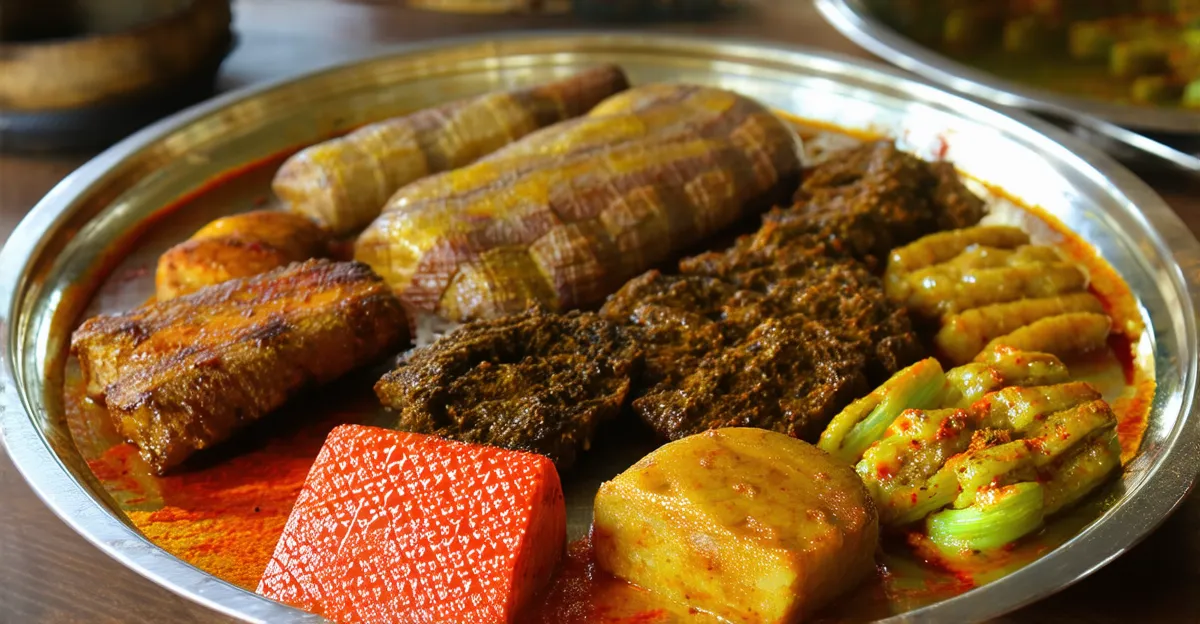
Polonnaruwa, the ancient city of Sri Lanka, not only boasts historical wonders but also a rich tapestry of traditional cuisine that reflects its cultural heritage. The traditional cuisine of Polonnaruwa is characterized by the use of locally-sourced ingredients, unique cooking methods, and flavors that have been preserved through generations. From rice and curry to delectable sweets, the local dishes represent the true essence of Sri Lankan gastronomy. This guide takes you on a delicious journey through Polonnaruwa’s culinary landscape, showcasing must-try dishes and delightful dining experiences for every food lover.
Key Takeaways
- Polonnaruwa traditional cuisine offers an array of authentic flavors and unique dishes.
- Rice and curry, along with local ingredients like jackfruit and fish, highlight the city’s culinary diversity.
- street food, sweet treats, and traditional meals cater to every food lover’s palate.
- local cooking classes provide an engaging way to immerse yourself in Polonnaruwa’s food culture.
1. Rice and Curry: The Heart of Polonnaruwa Cuisine
Rice and curry is truly the foundation of Polonnaruwa traditional cuisine. This dish typically features a generous serving of fluffy, steamed rice accompanied by various flavorful curries. The curries can include an array of vegetables, lentils, and meats, infused with aromatic spices. Each household has its unique recipe, often passed down through generations, making rice and curry a deeply personal meal across families.
Moreover, the preparation of rice and curry emphasizes fresh, local ingredients. For instance, many locals prefer using seasonal vegetables sourced from nearby markets. This not only ensures freshness but also supports local farmers. It’s common for visitors to enjoy this dish as part of a larger feast, showcasing the community’s rich culinary heritage.
Pro Tip: Always ask for a taste of the homemade sambols to complement your rice and curry for an explosion of flavors!
Where to eat: To experience authentic rice and curry, consider dining at Manjula’s Kitchen or The Heritage Restaurant, both known for their traditional preparation and vibrant flavors.
2. Jackfruit: Versatile and Delicious in Traditional Dishes
Jackfruit is a star ingredient in Polonnaruwa traditional cuisine, known for its versatility. Often referred to as the “king of fruits,” its texture resembles meat when cooked, making it a fantastic substitute in various dishes. In Polonnaruwa, jackfruit can be found in savory preparations, such as jak curry, as well as sweet treats.
Moreover, people also enjoy unripe jackfruit, which is typically used in curries or stir-fries. Its unique flavor enhances the overall dish, providing both nutrition and taste. The ripe variety is often eaten raw or made into snacks and desserts, showcasing its sweet, aromatic qualities. Consequently, jackfruit not only showcases local agricultural practices but also plays a significant role in sustainable eating.
Insider Tip: Look for jackfruit curry if you’re seeking a delicious vegetarian option during your travels!
Where to eat: For an authentic experience, visit Jackfruit Cafe, where the menu expands on this ingredient creatively.
3. Pol Sambol: A Spicy Coconut Relish
💡 Pro Tip: Book your Colombo adventures in advance through Viator for the best deals!
Pol Sambol is a staple in Polonnaruwa traditional cuisine, celebrated for its bold flavors and vibrant color. This spicy coconut relish is made from freshly grated coconut, red chili powder, onion, and a touch of lime juice. It pairs excellently with rice, adding a kick that enhances the overall meal experience.
What makes Pol Sambol particularly special is its simplicity. It is quick to prepare but packed with flavor, often served alongside rice and curry during meals. Furthermore, every family tends to have a slightly different recipe, with some adding tuna or extra spices for a personalized touch.
Quick Tip: Don’t be shy to ask for more Pol Sambol; it’s a fantastic condiment that elevates any dish!
Where to eat: To savor the best Pol Sambol, head to Ranveli Hotel, which is well-regarded for its traditional Sri Lankan dishes.
4. Hoppers: A Breakfast Favorite in Polonnaruwa
Hoppers, known as appa locally, are a beloved breakfast dish in Polonnaruwa, showcasing the essence of traditional Sri Lankan cuisine. These bowl-shaped pancakes are made from fermented rice flour and coconut milk, giving them a unique taste and texture. Typically enjoyed with various accompaniments, hoppers can be sweet or savory, making them an incredibly versatile meal.
One popular variety is the egg hopper, where a cracked egg is cooked in the center, adding a rich flavor that many adore. It’s a common practice to serve hoppers with sambol (a spicy condiment) or curry for those preferring a savory start to the day. Additionally, many locals love to pair them with jaggery or sugar for a sweet breakfast treat.
Pro Tip: For an authentic experience, look for street vendors or local eateries serving freshly made hoppers.
Where to eat: Visit Akuressa Hoppers for delectable egg hoppers, or check out Polonnaruwa Village Food for a variety of hoppers and traditional sides.
5. Kottu Roti: A Popular street food Delight
💡 Pro Tip: Book your Colombo adventures in advance through Viator for the best deals!
Kottu Roti is a street food staple in Polonnaruwa that perfectly captures the vibrancy of local culinary culture. This dish is made by chopping up roti (a type of flatbread) and stir-frying it with vegetables, spices, and often an addition of meat or egg. The preparation involves rhythmic chopping on a hot griddle, creating a symphony of sounds that adds to the lively atmosphere of street food stalls.
The versatility of Kottu Roti is truly remarkable. Variations can be found with different types of meats, such as chicken or mutton, ensuring there’s something for everyone. Additionally, vegetarian options are widely available, making it suitable for all dietary preferences.
Did you know? Kottu Roti is often enjoyed late at night as a popular meal among locals and tourists alike.
Where to eat: For a fantastic Kottu experience, try Kottu Roti Hut or Polonnaruwa Kottu House, both known for generous portions and delicious flavors.
6. Traditional Polonnaruwa Sweets: A Taste of Heritage
When it comes to dessert, Polonnaruwa traditional cuisine offers a variety of delightful sweets that reflect the region’s rich history and culture. One popular treat is Kevum, a sweet made from rice flour and jaggery, often flavored with banana or coconut and deep-fried to achieve a crisp exterior and a tender inside. It’s a festive snack that is particularly loved during celebrations.
Another beloved dessert is Watalappan, a custard-like dish made from coconut milk, jaggery, and spices like cardamom and nutmeg, resulting in a rich, fragrant flavor. For those with a sweet tooth, agadha—a sweet made with coconut and treacle—is also a must-try.
Pro Tip: Don’t miss the opportunity to sample these treats at local markets where freshly made sweets are sold by friendly vendors.
Where to eat: Indulge in traditional sweets at Polonnaruwa Sweets Corner, where you can find a wide variety of desserts that speak to the heritage of the region.
7. Kiribath: The Celebration Dish of Sri Lanka
Kiribath, or milk rice, is a traditional Sri Lankan dish that holds a special place in the hearts and kitchens of Polonnaruwa households. It is prepared using rice cooked in coconut milk, resulting in a rich and creamy texture. Kiribath is more than just a meal; it is often served on auspicious occasions, such as new year celebrations and wedding festivities, marking significant life events.
This dish is typically enjoyed with a side of lunu miris, a spicy onion and chili relish, which perfectly complements the creamy rice. Whether you’re attending a local festivity or enjoying a hearty breakfast, Kiribath is a must-try as part of the Polonnaruwa traditional cuisine.
Pro Tip: To experience Kiribath authentically, try it during a local festival, where it is often served fresh and warm.
Where to eat: For an authentic Kiribath experience, visit Hotel Sudu Araliya or Priyankara Restaurant in Polonnaruwa, both known for their delicious traditional dishes.
8. Freshwater Fish: A Local Specialty in Polonnaruwa
Polonnaruwa is surrounded by numerous tanks and waterways, making freshwater fish a vital part of the local diet. Varieties such as tilapia and catfish are often caught fresh, bringing a taste of the region right to your plate. These fish are typically prepared in various ways, including frying, grilling, or cooking in a spicy curry.
The essence of Polonnaruwa traditional cuisine is beautifully showcased in dishes like fish ambul thiyal, a sour fish curry that highlights the use of local spices and herbs. This dish is loved both by locals and visitors, providing an authentic taste of the area’s culinary heritage.
Did you know? Freshwater fish is not only tasty but also highly nutritious, supporting local fishing communities.
Where to eat: Head to Gami Gedara or Hotel Lake View to savor a delicious freshwater fish dish, expertly prepared with local spices.
9. Herbal Drinks: Refreshing indigenous Beverages
💡 Pro Tip: Book your Colombo adventures in advance through Viator for the best deals!
In Polonnaruwa, refreshing herbal drinks are popular choices for quenching thirst, especially in the tropical heat. These drinks are made from a variety of indigenous herbs and ingredients, often offering not only fantastic flavors but also health benefits. Popular options include kola kanda, a traditional green porridge made with leaves like gotu kola, and woodapple juice, known for its tangy and sweet flavor.
Herbal drinks play an essential role in Polonnaruwa traditional cuisine, as they are frequently consumed during meals or as a cooling refreshment after a long day of exploration. They bring local remedy traditions into the culinary experience.
Pro Tip: Try a glass of natural herbal drink from a traditional vendor for an authentic taste of Polonnaruwa.
Where to drink: For the best herbal beverages, visit Ayubowan Restaurant or the local market stalls, where you can enjoy freshly made drinks straight from the source.
10. Cooking Classes: Dive Deep into Polonnaruwa Cuisine
For those seeking an immersive culinary experience, cooking classes in Polonnaruwa offer a fantastic opportunity to learn about Polonnaruwa traditional cuisine. Participants can engage hands-on with local chefs who share their culinary secrets, from selecting fresh ingredients to mastering traditional cooking techniques.
These classes often begin with a visit to a local market. Here, you can discover a variety of spices, vegetables, and staple ingredients vital to Polonnaruwa dishes. After collecting the ingredients, you will return to a cozy kitchen setting where the real fun begins. Typically, you will create beloved dishes like rice and curry and Pol Sambol while learning the history and significance of each dish.
Pro Tip: Don’t hesitate to ask your instructor about the cultural significance of the dishes; these stories enrich the cooking experience.
Many classes also include a meal where you share what you’ve prepared with classmates, a wonderful way to bond and enjoy your creations. To find these classes, consider reputable providers like Heritage Culinary School or local guesthouses that offer cooking experiences.
Polonnaruwa traditional cuisine is a delightful journey through the flavors of Sri Lanka, reflecting its rich heritage and local produce. With a variety of dishes from savory curries to sweet treats, every meal tells a story of culture and tradition. Don’t miss out on experiencing this culinary treasure during your visit—join a cooking class or explore local dining spots to truly savor Polonnaruwa’s unique offerings!
Frequently Asked Questions
A: Polonnaruwa is known for its diverse traditional dishes such as rice and curry, jackfruit preparations, and a variety of seafood.
A: Must-try dishes include rice and curry, kottu roti, and traditional sweets like wattalapam.
A: Yes, local eateries, street food vendors, and markets offer budget-friendly meals.
A: Joining a local cooking class or a guided food tour can enhance your culinary experience.
A: Yes, many traditional dishes are vegetarian, and you can easily find vegan options.
A: Visit local cafes and restaurants known for authentic Sri Lankan cuisine, like ‘Priyamali Gedara.’