
Paramaribo Cultural Cuisine: A Culinary Journey
Explore Paramaribo cultural cuisine! Discover local dishes, vibrant flavors, and unique dining experiences in the heart of Suriname.
On this page
Paramaribo cultural cuisine is a vibrant tapestry woven from the influences of indigenous peoples, African heritage, and Dutch colonial history. This culinary scene is a delightful mix of flavors, aromas, and cultures, presenting an exciting array of local dishes such as pom, nasi goreng, and roti. Food lovers will find Paramaribo’s dining options to be as diverse as its population, making it an essential destination for anyone eager to experience the rich culinary traditions of Suriname. Join us as we explore the must-try dishes and top dining spots in this fascinating city.
Key Takeaways
- Paramaribo cultural cuisine is a unique blend of diverse influences.
- Must-try dishes like pom, roti, and nasi goreng showcase local flavors.
- street food and home-cooked options provide authentic culinary experiences.
- Food tours highlight the city’s vibrant food markets and hidden gems.
1. Pom: The National Dish of Suriname
Pom is often considered the national dish of Suriname and is a must-try for anyone exploring Paramaribo’s cultural cuisine. This flavorful dish is made primarily from pomtayer, a root vegetable similar to yam. The pomtayer is grated and mixed with marinated chicken, onions, and a blend of spices, then baked to perfection. The result is a savory and slightly sweet casserole that can be enjoyed by all.
The dish’s texture is creamy, and its flavors are complex, making it stand out in Surinamese cuisine. Typically served during special occasions or family gatherings, Pom reflects the blend of influences from various cultures within Suriname.
Did you know? Pom is often accompanied by a side of rice and salad, enhancing the overall dining experience.
Where to eat: You can savor authentic Pom at De Tuin or Hermanus’ Restaurant, both popular spots among locals and visitors alike.
2. Roti: Flatbread Delight in Paramaribo
Roti is another essential element of Paramaribo’s cultural cuisine. This unleavened flatbread, with its origins in Indian culinary traditions, is soft and versatile. Primarily served with spicy curries, roti makes for a fulfilling meal perfect for any time of day. The bread is often enjoyed alongside hearty dishes like chicken or vegetable curry.
One popular version is Roti Boti, where the roti is stuffed with chicken, potatoes, and various spices, making it a flavorful twist. Not only is roti delicious, but it is also an excellent way to soak up the rich sauces found in Surinamese dishes.
Pro Tip: Pair your roti with a cool glass of Surinamese drink to balance the spices and enhance your meal.
Where to eat: To try the best roti, head to Roti Shop Tori Oso or Roti en Curry, known for their exceptional flavor and generous portions.
3. Nasi Goreng: A Taste of Surinamese Fried Rice
🌟 Local Expert Tip: Get the most out of your Paramaribo visit with guided tours!
Nasi Goreng is a beloved dish in Paramaribo, showcasing the blend of cultural cuisines in Suriname. This fried rice dish is not only a staple in Indonesian cuisine but has also become a favorite among Surinamese locals. Nasi Goreng is typically prepared with day-old rice, mixed with vegetables, proteins, and a savory mix of soy sauce and spices.
Often garnished with fried eggs and served with sambal or other spicy condiments, Nasi Goreng offers a delightful balance of flavors and aromas. It’s a versatile dish that can be tailored to suit individual tastes, making it a go-to meal for many.
Fun Fact: Nasi Goreng is often enjoyed for breakfast, lunch, or dinner, proving its popularity across the day!
Where to eat: For the best Nasi Goreng experience, visit Restaurant Tori Oso or Gado Gado for a tasty and satisfying dish.
4. Keri Keri: Savory Pumpkin Stew
Keri Keri is a delightful Surinamese dish that showcases the country’s rich culinary heritage. This hearty pumpkin stew is not only delicious but also nutritious, making it a popular choice among locals and visitors alike. Typically made with tender pumpkin, various spices, and a blend of vegetables, Keri Keri warms your soul with each spoonful.
One of the unique aspects of Keri Keri is its versatility. It can be served as a main dish or a side, often accompanied by rice or bread. In addition, the dish reflects the cultural diversity of Paramaribo cultural cuisine, incorporating flavors from indigenous, African, and Asian influences.
Pro Tip: Try it with a sprinkle of fresh chilies to add a kick to the already savory flavors of the stew.
Where to eat: For an authentic taste of Keri Keri, visit Jolanda’s Restaurant, which is known for serving traditional Surinamese dishes in a cozy atmosphere.
5. Saoto Soup: Hearty Surinamese Comfort Food
Saoto Soup stands out as a quintessential Surinamese comfort food. This hearty soup originates from the Javanese community in Suriname, and it has become a beloved dish throughout Paramaribo. It is primarily made with chicken, aromatic spices, and various vegetables, served in a flavorful broth.
What makes Saoto so special is the variety of toppings that enhance its taste. Typically, you’ll find shredded chicken, bean sprouts, hard-boiled eggs, and crispy fried onions added just before serving. With its rich, warming flavors, Saoto Soup is perfect after a day out exploring the city.
Did you know? Many locals enjoy Saoto with a side of sweet soy sauce, which adds a delightful sweetness to this savory dish.
Where to eat: To savor a bowl of authentic Saoto Soup, head to Saoto Soup & More, a favorite spot among both locals and tourists for its delicious and fulfilling offerings.
6. Bami: A Noodle Favorite in Paramaribo
🌟 Local Expert Tip: Get the most out of your Paramaribo visit with guided tours!
Bami, a popular noodle dish in Paramaribo cultural cuisine, reflects the influence of Indonesian flavors in Suriname. Made from wheat noodles stir-fried with a mix of vegetables and meat, Bami is both satisfying and flavorful. The dish is typically seasoned with soy sauce, garlic, and ginger, bringing a delightful umami taste to every bite.
This dish is incredibly flexible, as it can be customized with different proteins such as chicken, pork, or shrimp. Additionally, Bami often comes with a side of spicy sambal, which adds an extra layer of heat that many enjoy.
Pro Tip: For a truly authentic experience, enjoy your Bami with a refreshing glass of es teler, a traditional Indonesian drink to balance the flavors.
Where to eat: For a great plate of Bami, visit Warung Mini, known for its flavorful dishes that pay homage to Suriname’s diverse culinary landscape.
7. Pudding: traditional Sweet Treats
Pudding in Suriname is more than just a dessert; it is a delightful experience that reflects the country’s cultural cuisine. Here, you can find an array of traditional puddings made from ingredients like coconut, rice, and fruits. One popular variant is tapioca pudding, often flavored with sweeteners and sometimes enhanced with spices.
Another famous type is rice pudding, which is creamy and subtly sweet. It’s common to see these puddings served at family gatherings and special occasions. The texture combined with natural flavors makes these desserts a hit among locals and visitors alike.
Pro Tip: Pair your pudding with a cup of Surinamese coffee for an authentic taste that perfectly complements the sweetness.
Where to eat: For a taste of traditional puddings, visit Restaurante de Goudvis or Rozet’s Pudding Shop, where you can sample a variety of these sweet treats.
8. Home-Cooked Semper: A True Local Experience
When it comes to truly experiencing Paramaribo’s cultural cuisine, nothing beats a meal of Semper, a traditional home-cooked dish. Semper refers to a variety of meals that may include chicken, beef, or fish, often served with rice and a medley of local vegetables. It’s beloved for its comforting, hearty flavor.
In Paramaribo, many families take pride in their unique Semper recipes, which showcase their individual cooking styles and regional influences. Each dish typically features a combination of local spices, creating a distinctive taste that is both fulfilling and satisfying.
Did you know? Enjoying a home-cooked Semper is a fantastic way to connect with locals and learn about Suriname’s rich culinary history.
Where to eat: For an authentic Semper experience, seek out Waktu’s Kitchen or ask locals for recommendations on family-run eateries which often serve these comforting meals.
9. Javanese Cuisine: Unique Flavors in Paramaribo
Javanese cuisine has left an indelible mark on Suriname’s cultural cuisine, particularly in Paramaribo. This culinary influence, brought by Indonesian immigrants, has integrated beautifully into the local food scene. Dishes like nasi goreng (fried rice) and sate (skewered meat) reflect this vibrant culinary heritage.
What sets Javanese food apart is its use of bold spices and a variety of textures. You’ll often find sambals—a spicy condiment—and pickled vegetables accompanying traditional meals. The balance of sweet, sour, and spicy is essential, offering a true explosion of flavors with every bite.
Pro Tip: Don’t miss trying gado-gado, a salad of fresh vegetables served with a peanut sauce; it’s a delightful vegetarian option!
Where to eat: For Javanese specialties, visit Javaans Restaurant or Warung Sari, both renowned places for their authentic and delicious offerings.
10. street food: A Culinary Adventure on Every Corner
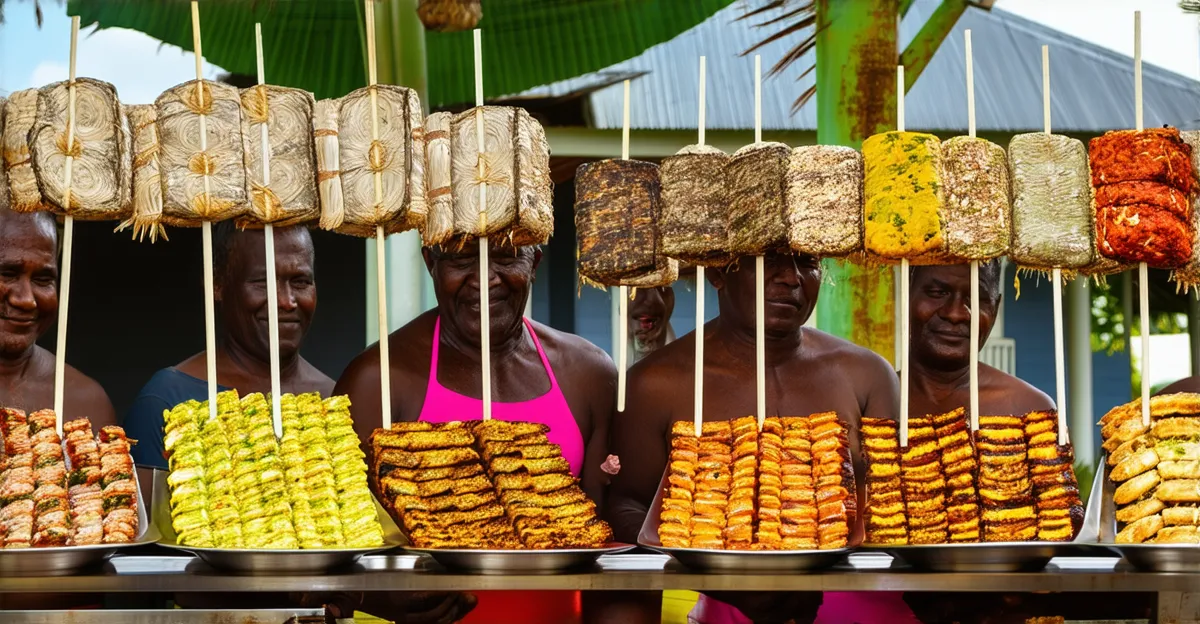
Paramaribo’s vibrant street food scene is an essential part of its cultural cuisine. Strolling through the city, you’ll encounter countless food vendors showcasing diverse flavors. Street food offers an affordable and authentic way to experience local dishes.
One of the most popular street foods is kapsalon, a delicious dish layered with fries, meat, and topped with cheese and salad. Additionally, you must try freshly made roti with savory fillings such as goat curry or chicken. These dishes are not only tasty but also give you a true sense of Surinamese hospitality.
Pro Tip: Look for busy stalls, where locals gather, as they often serve the best food!
Other street snacks include pinda-sambal (spicy peanut sauce), which pairs perfectly with grilled meats. As you explore, the lively atmosphere will make your street food adventure unforgettable, showcasing the heart of Paramaribo’s culinary culture.
11. Market Tours: Discovering Culinary Gems
🌟 Local Expert Tip: Get the most out of your Paramaribo visit with guided tours!
Exploring local markets in Paramaribo is a fantastic way to immerse yourself in the city’s cultural cuisine. Markets like the Central Market and Albina Market are bustling with vendors selling fresh produce, spices, and traditional delicacies. These places are also perfect for tasting local street food.
A guided market tour can enhance your experience by providing insights into the ingredients that make up Surinamese cuisine. You’ll find unique items like palm oil and herbs used in traditional dishes. Furthermore, many vendors prepare snacks and meals right on the spot, allowing you to taste freshly made local dishes.
Did You Know? Suriname is home to diverse cultures, which influence the ingredients and flavors you’ll discover in the markets.
Whether you’re shopping for ingredients or enjoying a meal cooked right before your eyes, market tours promise to reveal the culinary gems of Paramaribo.
12. Local Drinks: Sip on Surinamese Beverages
No exploration of Paramaribo’s cultural cuisine is complete without sampling its local drinks. Surinamese beverages range from refreshing to comforting and often feature unique tropical flavors. Start with refreshing juices made from local fruits like soursop, mango, and cherry. These fruit juices are not only delicious but also a perfect way to cool down.
Another favorite is ‘Sangria’, a delightful mix of red wine, fruit, and spices that captures the essence of local flavors. For something traditional, try tempeh beer, a unique local brew made from fermented soybeans. This drink provides a taste of Suriname’s rich agricultural heritage.
Pro Tip: When at local eateries, ask for their special drinks to discover unique combinations!
These refreshing beverages complement any meal and highlight the rich diversity of Surinamese culture and flavors in Paramaribo.
13. Dining Options: From food stalls to Fine Dining
When exploring Paramaribo cultural cuisine, you’ll find a diverse range of dining options. From vibrant food stalls to upscale restaurants, there’s something for everyone. Street food is a staple here, offering delicious and affordable bites like roti and bami. For instance, the bustling streets around the Waterkant are dotted with food vendors, where you can try local specialties.
On the other hand, if you’re looking for a more formal dining experience, Paramaribo also boasts several fine dining establishments. Restaurants such as Chez Albert and Restaurant De Gadri provide an opportunity to indulge in traditional Surinamese dishes with a modern twist. Many of these places prioritize fresh, locally sourced ingredients, which enhance the authenticity of the Surinamese flavors.
Tip: Don’t shy away from trying various dining locations. Each spot offers unique dishes that reflect the rich cultural tapestry of Paramaribo.
Whether you’re in the mood for a quick bite or a lavish meal, Paramaribo’s dining scene promises an unforgettable culinary journey.
14. Cultural Food Festivals: Celebrating Paramaribo’s Casuistry
Paramaribo is vibrant with cultural food festivals that celebrate its diverse culinary heritage. These festivals usually highlight different aspects of Surinamese cuisine and showcase traditional dishes from various ethnic groups, including Creole, Indian, Javanese, and Chinese.
One of the most notable events is the Suriname Culinary Festival, held annually, where local chefs compete in presenting their best dishes, and attendees can sample a wide range of flavors. Additionally, the Indigenous Food Festival showcases the unique ingredients and cooking techniques of the indigenous peoples of Suriname.
Did you know? Festivals often include live music, dancing, and cultural performances, making them a full sensory experience!
These festivals are an excellent way to immerse yourself in the local culture while indulging in delicious foods. Don’t miss the opportunity to experience the festive atmosphere and the delicious offerings at these events!
15. Vegan and Vegetarian Delights: Plant-Based Surinamese Options
🌟 Local Expert Tip: Get the most out of your Paramaribo visit with guided tours!
Paramaribo’s cultural cuisine also caters to vegan and vegetarian diets, with numerous delectable options available. Surinamese cuisine emphasizes fresh local produce, making it easy to find plant-based dishes that are both hearty and flavorful.
Some traditional options include keri keri, a delicious pumpkin stew, and snacks made from cassava and other root vegetables. Additionally, many local restaurants now feature vegan variations of traditional dishes, such as roti served with a variety of vegetable curries.
Pro Tip: When inquiring about dishes, ask about vegan or vegetarian options to discover hidden gems of the Surinamese menu!
Whether you’re looking for a traditional meal or a modern interpretation, the vegan and vegetarian offerings in Paramaribo will leave you satisfied and eager for more.
Paramaribo cultural cuisine is a feast for the senses, reflecting the city’s rich history and diverse population. From savory traditional dishes to tantalizing street food, there’s a dish here for every palate. Don’t miss the chance to immerse yourself in this vibrant culinary scene. Share your favorite dishes or plan your next culinary adventure to Paramaribo!
Frequently Asked Questions
A: Pom is considered the national dish of Suriname, made with cassava and chicken.
A: Popular street foods include various types of roti, fried rice, and local snacks like keri keri.
A: Yes, many restaurants offer vegetarian options, including plant-based adaptations of traditional dishes.
A: Explore local markets and ask residents for hidden gems to find authentic dining experiences.
A: Try local drinks like bissap (sorrel juice) and tap water from local restaurants for an authentic taste.
A: Look for the Paramaribo Carnival and Festival of Lights for great food experiences and cultural cuisine.