
Oslo Traditional Dishes: A Culinary Tour
Discover Oslo traditional dishes and experience authentic flavors of Norway’s capital. From reindeer to seafood, explore must-try food spots!
On this page
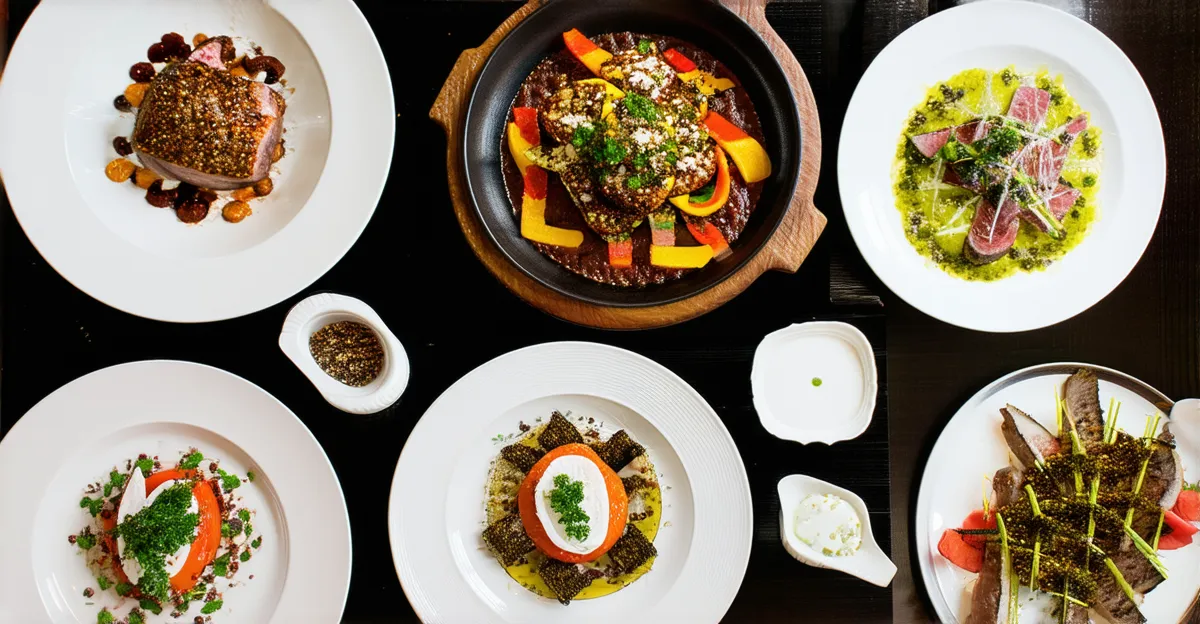
Oslo traditional dishes reflect the rich culinary heritage of Norway, showcasing ingredients sourced from the sea and land. The vibrant food scene in Oslo offers a unique blend of old and new, where traditional recipes are celebrated alongside modern culinary innovations. With fresh seafood, hearty meats, and locally-sourced vegetables, the city’s cuisine caters to diverse palates. Join us as we explore the must-try traditional dishes and dining experiences that make Oslo a food lover’s paradise.
Key Takeaways
- Oslo traditional dishes highlight the country’s rich culinary history and flavors.
- Signature dishes like lutefisk and reindeer stew showcase unique Norwegian ingredients.
- Fresh fish and seafood are staples in Oslo’s traditional cuisine.
- Dining experiences range from cozy taverns to fine dining with traditional menus.
1. Fresh seafood: The Heart of Oslo Cuisine
Oslo, nestled along the stunning fjord, is renowned for its fresh seafood. This city takes advantage of its coastal location, allowing locals and visitors alike to savor an array of flavors directly from the ocean. The seafood is not only abundant but also diverse, ranging from salmon and cod to shellfish like crab and mussels.
Grilled, smoked, or prepared in a savory stew, each seafood dish showcases Norway’s rich maritime heritage. Fish markets in Oslo, such as the acclaimed Fjord Seafood and Mathallen Oslo, often feature the catch of the day, ensuring only the freshest ingredients are used. Moreover, many restaurants proudly serve traditional seafood dishes, such as fish cakes and oysters, often accompanied by locally brewed aquavit.
Pro Tip: Always ask for the daily catch when dining in Oslo to enjoy the freshest seafood dishes!
Where to eat: Don’t miss Restaurant Lofoten for an authentic seafood experience, where you can enjoy dishes crafted with locally sourced ingredients in a cozy setting.
2. Raspeballer: Traditional Potato Dumplings
Raspeballer, also known as potato dumplings, are a comforting staple in Oslo’s traditional cuisine. Made primarily from grated potatoes, these dumplings are often served with meats like lamb or beef, providing a hearty meal that’s perfect for chilly days. Typically, they are boiled to perfection, resulting in a soft and chewy texture that’s irresistible.
Although simple, the dumplings can be accompanied by rich sauces or gravies, which enhance their flavor. These fillings typically include ingredients like meat, which add an authentic twist to the dish, bringing a taste of countable Norwegian heritage to your plate.
Did you know? Raspeballer are often served at family gatherings and festive occasions, reflecting their importance in Norwegian culture.
Where to eat: For the best Raspeballer experience, head to Frogner Hovedgård, where you can pair these dumplings with traditional meats and rustic sides.
3. Lutefisk: A Taste of Nordic Heritage
💡 Pro Tip: Book your Oslo adventures in advance through Viator for the best deals!
Lutefisk is a traditional dish that symbolizes Oslo’s deep connection to its Nordic heritage. This unique delicacy is made from dried fish, typically cod, which is soaked in a lye solution. The result is a gelatinous texture that might seem unusual to some. However, it offers a distinctive flavor that is beloved in Norway, particularly during the festive season.
Often served with mashed potatoes, peas, and a rich white sauce, Lutefisk is a dish that carries a sense of nostalgia for many Norwegians. It’s not just a meal but a cultural experience that brings families and friends together to celebrate their traditions.
Pro Tip: If you’re new to Lutefisk, consider starting with a small portion to acclimate to its unique texture and flavor.
Where to eat: For an authentic Lutefisk experience, visit Statholdergaarden, a Michelin-starred restaurant known for its dedication to traditional Norwegian cuisine.
4. Reindeer Stew: A Unique Norwegian Delicacy
Reindeer stew, or Reinsdyrstek, is a traditional dish that highlights the unique flavors of Norway. This hearty stew is typically made with tender chunks of reindeer meat, which is known for being lean and rich in flavor. Often, it’s cooked slowly with root vegetables, herbs, and sometimes a splash of red wine, making it a comforting meal during the colder months.
Moreover, the preparation of reindeer stew reflects Norway’s cultural heritage. Reindeer are native to Norway, and their meat has been used for centuries by the Sami people. This dish is not only delicious, but it also tells a story of the connection between the land and its people.
Pro Tip: Enjoy your reindeer stew with a side of mashed potatoes or fresh bread to soak up the flavorful sauce.
Where to eat: For a taste of authentic reindeer stew, visit Statholdergaarden, a Michelin-starred restaurant in Oslo known for its traditional Norwegian fare.
5. Kjøttkaker: Hearty Norwegian Meatballs
💡 Pro Tip: Book your Oslo adventures in advance through Viator for the best deals!
Kjøttkaker, or meatballs, are a beloved staple of Oslo traditional dishes. Unlike their Italian or Swedish counterparts, Norwegian meatballs are larger and are typically made from a mix of ground beef and pork. The meat is seasoned with spices like nutmeg and pepper before being formed into patties and gently fried until golden brown.
What makes kjøttkaker special is the delicious brown gravy that often accompanies them. This gravy is rich and flavorful, made from the drippings during the cooking process. Potatoes and lingonberry sauce are commonly served on the side, giving the dish a wonderful balance of flavors.
Did you know? Kjøttkaker can also be made with ground lamb or veal for a different taste experience.
Where to eat: You can try delicious kjøttkaker at Fjord Restaurant, which offers a modern twist on traditional dishes.
6. Fish Soup: A Creamy Coastal Comfort
Fish soup, known as Fiskesuppe in Norway, is another delight that showcases Oslo’s seafood-rich culture. This creamy soup is made with a variety of fresh fish, often including cod, salmon, and halibut, simmered in a broth enriched with vegetables like leeks, potatoes, and carrots.
One of the standout qualities of fiskesuppe is its delightful flavor profile. The soup is not only comforting but also provides a taste of the sea, often enhanced with cream and a touch of dill or parsley. Each spoonful offers a warm embrace, perfect for chilly days in Oslo.
Pro Tip: Pair your fish soup with a slice of crusty bread for an authentic Norwegian experience!
Where to eat: For an exceptional serving of fish soup, visit Hos Thea, known for its commitment to fresh, local seafood.
7. Gravlaks: Cured Salmon with a Twist
Gravlaks, a traditional Scandinavian dish, features salmon cured with a mixture of salt, sugar, and dill. This dish showcases Oslo’s affinity for fresh seafood and highlights the region’s culinary heritage. Typically served as an appetizer, gravlaks is sliced thinly and often garnished with mustard sauce, capers, and red onions, making it a delightful start to any meal.
Moreover, what sets gravlaks apart is its preparation, which takes time and patience. To enjoy gravlaks at its best, look for establishments that prepare the dish in-house. The combination of flavors—sweet, salty, and herbal—creates a refreshing dish that perfectly represents Oslo’s cuisine.
Pro Tip: Pair gravlaks with thinly sliced rye bread and a glass of schnapps for an authentic Norwegian taste.
Where to eat: For some of the best gravlaks, visit Fjodor Restaurant or Smak av Oslo, where you can experience this delightful dish in an inviting atmosphere.
8. Smalahove: Traditional Sheep Head Delight
Smalahove is a uniquely Norwegian dish that may challenge the adventurous eater. This traditional delicacy involves the head of a sheep, typically smoked or dried, and is often served with potatoes and rutabaga. While it might sound unusual, smalahove has a rich cultural significance and is traditionally consumed during the winter months.
What’s fascinating about this dish is that it showcases the resourcefulness of Norwegian cuisine, using every part of the animal. When prepared correctly, the flavors can be surprisingly delicious, with a tender and flavorful meat. Smalahove is traditionally eaten as part of a festive meal, especially around Christmas.
Did you know? Smalahove has become an experience for food enthusiasts visiting Oslo, as it offers a true taste of Norwegian heritage.
Where to eat: If you’re feeling brave, seek out Mathallen Oslo or Storo Storsenter, where local chefs serve this hearty dish prepared to perfection.
9. Norwegian Brown Cheese: A Sweet Surprise
💡 Pro Tip: Book your Oslo adventures in advance through Viator for the best deals!
Norwegian brown cheese, or brunost, is a beloved staple in Oslo cuisine. This sweet cheese, made from whey, has a caramel-like flavor and is typically enjoyed on bread or waffles. Its unique taste comes from the slow cooking process, which allows the sugars to caramelize. This makes it a delightful addition to breakfast or as a tasty snack.
While some may find the brown color unappealing, the flavor says otherwise. It’s a versatile cheese that pairs well with both savory and sweet dishes. Furthermore, brunost is rich in energy and loved by both children and adults in Norway.
Pro Tip: Try it on crispbread with a slice of tomato for a refreshing twist!
Where to eat: To sample this delightful cheese, visit OSTEDELER in Oslo, where you can discover different varieties of brunost, along with other local cheeses.
10. Klippfisk: Dried Cod Transformations
Klippfisk, or dried cod, holds a significant place in Oslo’s traditional dishes. This age-old method of food preservation enables cod to be stored for long periods, making it an essential ingredient in Norwegian cuisine. Initially brought to Norway by fishermen, the practice of drying cod on wooden racks dates back centuries, providing not only sustenance but also a cultural identity to the coastal communities.
To prepare klippfisk, the fish is first salted and dried, a process that enhances its flavor. Once rehydrated, it can be used in various traditional recipes, from hearty stews to flavorful casseroles. Many locals cherish it for its versatility and strong umami taste, especially when cooked with potatoes and vegetables.
Did you know? Klippfisk is often used in popular dishes like bacalao, a delicious stew featuring tomatoes, olives, and spices that reflects the culinary heritage of Norway.
Where to eat: For an authentic taste of klippfisk, consider visiting Fjord Seafood, known for its exquisite seafood offerings, or Mathallen Oslo, where you can discover local specialties including this beloved dried cod dish. Make sure to ask for their signature bacalao to fully experience the flavor of this traditional delicacy.
Oslo’s traditional dishes provide a delicious insight into Norway’s cultural heritage. Whether you’re savoring reindeer stew or enjoying fresh seafood, the city offers diverse culinary experiences for every food enthusiast. Share your favorite traditional dishes in the comments and plan your culinary journey to Oslo today!
Frequently Asked Questions
A: Oslo is known for dishes like lutefisk, reindeer stew, and fresh seafood preparations.
A: The Fish Market and local seafood restaurants in Aker Brygge are popular spots.
A: Yes, several restaurants offer vegetarian adaptations of traditional dishes.
A: Look for local food tours, traditional restaurants, and taste local markets.
A: Visiting during the winter season is ideal, especially for hearty dishes like stews.
A: Tipping is appreciated but not obligatory as service charges are usually included.