
Ollantaytambo Cuisines: Discover Local Flavors
Explore Ollantaytambo cuisines! Dive into local dishes, culinary traditions, and dining gems in this unforgettable food guide for travelers.
On this page
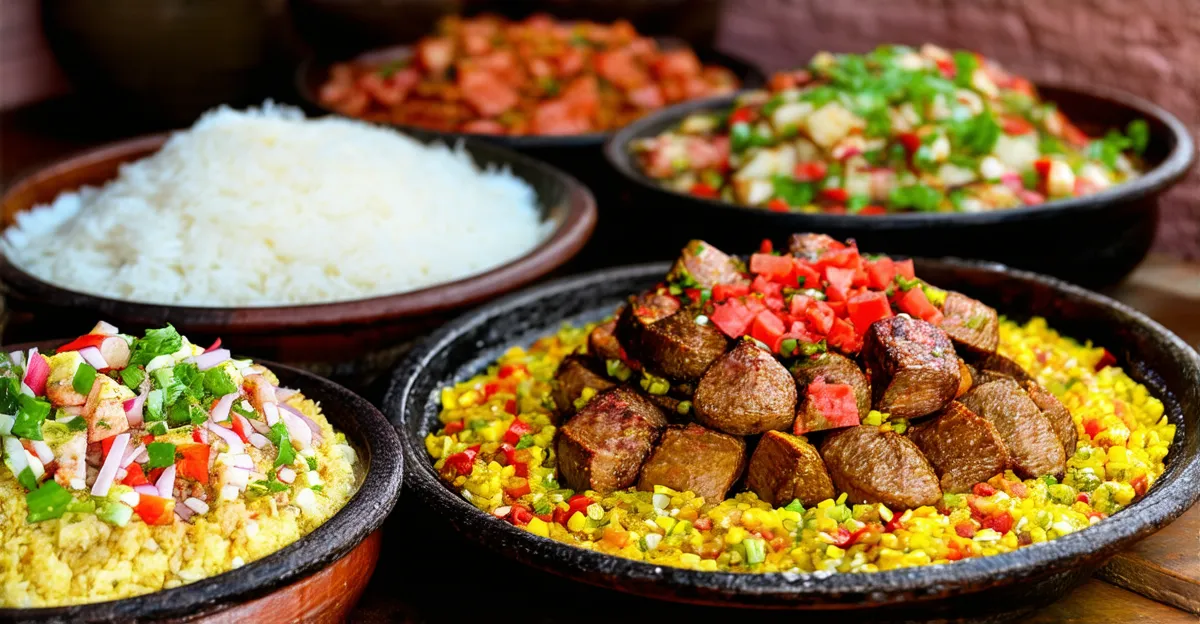
Ollantaytambo cuisine is a vibrant tapestry of flavors deeply rooted in Peruvian traditions and ingredients. Nestled in the heart of the Sacred Valley, this ancient town boasts a rich culinary heritage that reflects the diverse landscapes and cultures of the region. From hearty Andean staples to exquisite local dishes, Ollantaytambo is a feast for the senses. This guide invites food lovers to explore the unique flavors and dining experiences that make Ollantaytambo a must-visit destination for culinary adventurers.
Key Takeaways
- Ollantaytambo cuisine offers a fantastic variety of traditional flavors and dishes.
- local specialties like pachamanca and ceviche represent the region’s rich culinary culture.
- street food stalls provide budget-friendly and authentic dining options.
- Visitors can enjoy unique ingredients like quinoa and local herbs in numerous dishes.
1. Alianza: The Essence of Ollantaytambo Cuisine
The cuisine of Ollantaytambo reflects the rich agricultural heritage and vibrant culture of the Sacred Valley. One of the core principles of Ollantaytambo cuisines is the concept of alianza, which translates to “alliance.” This philosophy emphasizes the importance of community and cooperation, particularly in the preparation and sharing of food. Locals often gather to cook and celebrate traditional dishes, highlighting the social aspect of dining.
Key ingredients in Ollantaytambo cuisine include fresh vegetables, herbs, and grains obtained from the fertile land. These ingredients are often prepared using time-honored techniques passed down through generations. Furthermore, Ollantaytambo is well-known for its unique fusion of indigenous and Spanish influences that create a varied culinary landscape.
Did you know? The essence of Ollantaytambo cuisines encourages collaboration among cooks, making meals an event to cherish.
Where to eat: To experience authentic alianza dishes, make sure to visit local community restaurants like Chayna Restaurant or El Albergue Restaurant, both known for showcasing traditional flavors.
2. Ceviche: A Coastal Delight in the Andes
Even though Ollantaytambo is located in the Andes, ceviche remains a popular dish among locals. Traditionally a coastal specialty, ceviche has found its way into the hearts of those in the highlands. This refreshing dish is typically made with fresh fish, marinated in lime juice, and mixed with ingredients like onions and cilantro.
In Ollantaytambo, chefs often put their twist on ceviche by incorporating local ingredients. For instance, they may add Andean corn or sweet potatoes, enhancing both flavor and texture. Moreover, the altitude and cooler climate influence the way locals enjoy ceviche, often pairing it with a warm side dish.
Pro Tip: When trying ceviche in Ollantaytambo, ask for the local version to experience unique flavors that highlight the region’s produce.
Where to eat: For some of the best ceviche, head to El Encuentro, where you can indulge in traditional flavors reimagined by skilled local chefs.
3. Pachamanca: A Traditional Andean Feast
💡 Pro Tip: Book your Lima adventures in advance through Viator for the best deals!
Pachamanca is a signature dish of Ollantaytambo that offers an authentic taste of Andean culture. The name itself means “earth oven” in Quechua. This holistic culinary experience involves marinating various meats, such as chicken, pork, and lamb, along with vegetables. These ingredients are then cooked underground, using heated stones for a unique flavor.
Preparing pachamanca is often a festive group activity, bringing families and friends together. Traditionally, it is served during celebrations or gatherings. The flavors are robust and the textures tender, providing a profound connection to the land and its people. The smokiness of the dish, combined with the earthy aromas, creates a true taste of the Andes.
Did you know? Pachamanca is considered a communal meal, symbolizing unity and gratitude towards the Earth.
Where to eat: To enjoy an authentic pachamanca, look for local eateries like La Casa de la Pachamanca, which offers a genuine setting to savor this traditional feast.
4. Quinoa Dishes: The Supergrain of Ollantaytambo
Quinoa is often referred to as the supergrain of Ollantaytambo and for good reason. This ancient grain is not only a staple in Andean diets but also a versatile ingredient in many local dishes. Quinoa offers a unique flavor and is packed with protein, making it a healthy choice for locals and visitors alike.
In Ollantaytambo, you’ll find quinoa served in various forms. One popular dish is Quinoa Soup, which is typically prepared with a mix of vibrant vegetables and spices, creating a warm and satisfying meal. Another favorite is Quinoa Salad, often tossed with fresh greens, avocado, and local cheese, delivering a refreshing taste of the region.
Did you know? Quinoa has been cultivated in the Andean region for over 5,000 years and is considered sacred by the indigenous people.
Where to eat: For a great quinoa experience, try Restaurante La Casa de Wow, known for its delicious Quinoa Risotto. Also, Heart’s Cafe serves an amazing Quinoa Salad you shouldn’t miss.
5. Adobo: A Savory Ollantaytambo Specialty
Adobo is a classic dish that showcases the rich culinary traditions of Ollantaytambo. This savory stew is made from marinated pork, slow-cooked to perfection with herbs and spices, providing a deep and flavorful experience. The marinade usually consists of ingredients like aji amarillo, garlic, and vinegar, giving it a distinctive taste.
Typically served with rice and a side of potatoes, Adobo is a comfort food that’s both hearty and flavorful. It reflects the region’s agricultural bounty, utilizing locally sourced ingredients. Whether enjoyed at a family gathering or a holiday feast, Adobo is loved by many.
Pro Tip: Make sure to pair your Adobo with a refreshing drink to balance the rich flavors of the dish.
Where to eat: For an authentic Adobo experience, head to Restaurante Qosqo Maki, which serves this delectable dish in a warm, family-friendly atmosphere.
6. street food Finds: Tasting Ollantaytambo on Foot
Exploring Ollantaytambo’s street food scene is an adventure in itself. The vibrant streets are lined with stalls offering a variety of local delights, perfect for those looking to taste the essence of Ollantaytambo cuisines on foot. From savory snacks to sweet treats, street food serves as an affordable and delicious option for every traveler.
One must-try is Anticuchos, skewered and grilled beef heart served with a spicy sauce. Another popular choice is Papas rellenas, which are stuffed potatoes filled with meat or cheese. Not only are they flavorful, but they’re also easy to eat while exploring.
Tip: Don’t forget to check out the local markets for fresh fruits and homemade sweets that you won’t find elsewhere.
Where to eat: Visit the bustling Plaza de Armas, where various vendors sell Anticuchos and other delicious street snacks. Also, look out for small stands near Qenqo, which often serve mouthwatering Papas rellenas.
7. Aji de Gallina: A Comforting Local Dish
💡 Pro Tip: Book your Lima adventures in advance through Viator for the best deals!
Aji de Gallina is a beloved traditional dish that embodies the flavors of Ollantaytambo cuisines. This comforting recipe features shredded chicken simmered in a rich and creamy sauce made from aji amarillo peppers, walnuts, and cheese. The sauce is infused with aromatic spices, which gives it a distinctive and delightful flavor that warms the soul.
Often served with rice and boiled potatoes, Aji de Gallina is not just a meal, but an experience. The dish is both hearty and satisfying, making it a favorite among locals. While enjoying this dish, you’ll also appreciate the vibrant colors and textures that reflect the cultural heritage of the region.
Pro Tip: Don’t forget to try the accompanying olives and hard-boiled eggs, which add a Nice crunch and extra flavor!
Where to eat: For an authentic Aji de Gallina, visit La Casa de la Abuela, known for its homemade touch. Alternatively, check out Hearts Café for a cozy dining atmosphere and a delightful version of this classic dish.
8. Pollos a la Brasa: Ollantaytambo’s Roasted Chicken Experience
Pollos a la Brasa, or Peruvian-style roasted chicken, is a must-try when exploring Ollantaytambo cuisines. This dish features marinated chicken cooked over a charcoal grill, resulting in crispy skin and juicy, flavorful meat. The combination of spices used in the marinade gives the chicken its signature smoky flavor, making it irresistible.
Traditionally served with fries and a variety of dipping sauces, Pollos a la Brasa is perfect for sharing with family or friends. The dish reflects the community spirit of Ollantaytambo, as locals often gather to enjoy it together.
Did you know? Pollos a la Brasa is a popular choice for both locals and tourists alike, making it a staple in the region’s culinary scene.
Where to eat: For an outstanding Pollos a la Brasa, visit La Granja de Ruca, acclaimed for its perfectly roasted chicken. Alternatively, try Los Choclos, where you can enjoy this classic dish in a charming setting.
9. Local Bakeries: Sweet Treats of the Sacred Valley
Ollantaytambo is home to charming local bakeries offering delectable sweet treats that highlight the region’s rich culinary heritage. These bakeries, known as panaderías, provide freshly baked goods that are not only delicious but also showcase traditional baking methods.
Some must-try sweets include Alfajores, which are crumbly cookies filled with caramel and dusted with powdered sugar, and Bizcochos, a traditional bread-like pastry. Each bite transports you to a world of flavors inspired by local ingredients.
Pro Tip: Pair these treats with a cup of mate de coca (coca tea) for a perfectly sweet experience!
Where to eat: Make sure to stop by La Panadería de Tía Rosa for their famous alfajores. Don Manuel’s Bakery is also a great spot to enjoy the freshly made bizcochos while soaking in the local atmosphere.
10. Craft Beers and Pisco Sours: Sipping Local Spirits
💡 Pro Tip: Book your Lima adventures in advance through Viator for the best deals!
Ollantaytambo boasts a burgeoning craft beer scene that reflects the region’s rich agricultural heritage. Local breweries often use unique Andean ingredients, such as quinoa and maize, to create distinctive flavors. These craft beers offer a refreshing contrast to the highland climate, making them perfect after a day of exploring the Sacred Valley.
One must-try beverage is the Pisco Sour, Peru’s national drink. This delightful cocktail combines Pisco, a grape brandy, with lime juice, simple syrup, egg white, and a dash of bitters. The drink is famed for its frothy top and balance of sweet and sour flavors. It’s particularly popular among visitors, making it a staple in many local bars and restaurants.
Pro Tip: Enjoy your Pisco Sour at sunset while soaking in the majestic views of Ollantaytambo’s Inca ruins.
Where to sip: For an unforgettable Pisco Sour, head to El Albergue, known for its handcrafted cocktails made from locally sourced ingredients. If you’re looking to explore craft beer, check out La Casa del Barco, where you can sample a variety of local brews. Make sure to also ask about seasonal flavors that highlight the region’s unique offerings.
Ollantaytambo’s cuisine is a delightful exploration of Peru’s culinary diversity. From traditional dishes crafted with local ingredients to innovative culinary experiences, there is something to satisfy every palate. Encourage readers to indulge in these flavors and make the most of their culinary journey in Ollantaytambo by sharing their favorite dishes or planning a food trip to this enchanting destination.
Frequently Asked Questions
A: Ollantaytambo is known for its traditional Andean dishes, particularly ceviche, pachamanca, and quinoa-based meals.
A: Must-try dishes include ceviche, aji de gallina, and the famous pachamanca.
A: Yes, local markets and street food vendors offer budget-friendly options.
A: Consider joining food tours, visiting local markets, and trying cooking classes.
A: Yes, many restaurants offer vegetarian and even vegan options.
A: The best ceviche can be found at restaurants like El Albergue and local eateries along the plaza.