
Nuwara Eliya Tea Culture: Sip the Best of Ceylon
Nuwara Eliya tea culture is a must-experience! Discover the top tea varieties, plantations, and tasting tours in this scenic Sri Lankan gem.
On this page
Nuwara Eliya tea culture is celebrated for its rich history and exquisite flavors. As one of Sri Lanka’s premier tea-producing regions, this charming town is surrounded by lush plantations and boasts a climate ideal for growing high-quality tea. Visitors are invited to explore the unique tea varieties and traditional brewing methods that define this region’s heritage. From vibrant tea estates to cozy tasting rooms, immerse yourself in the aromatic world of Nuwara Eliya, where every sip tells a story of its bountiful landscapes and passionate craftsmanship.
Key Takeaways
- Nuwara Eliya tea culture is deeply rooted in history and tradition.
- Ceylon black tea is the signature product of this region, known for its vibrant flavors.
- Visitors can enjoy immersive tea tasting experiences amidst stunning landscapes.
- Exploring local tea estates offers a glimpse into sustainable practices and craftsmanship.
1. The History of Tea in Nuwara Eliya
Nuwara Eliya, often referred to as the “Little England” of Sri Lanka, has a rich and storied tea culture that dates back to the 19th century. The first tea plants were introduced by British colonists, who recognized the region’s ideal climate for cultivating tea. Over the years, Nuwara Eliya has emerged as one of the premier tea-growing regions globally, especially renowned for its high-quality Ceylon tea.
Interestingly, tea cultivation in Nuwara Eliya grew from humble beginnings. Initially, coffee was the dominant crop; however, after a series of blights, the focus shifted towards tea. This transformation has not only changed the agricultural landscape but has also shaped the local economy and culture significantly.
Pro Tip: Discovering the history of tea in Nuwara Eliya can enhance your appreciation of the varieties and flavors you will encounter during your visit.
Today, Nuwara Eliya stands as a testament to the enduring legacy of tea. Tours around the scenic hills reveal lush plantations and offer insights into a culture deeply intertwined with this beloved beverage. Understanding the history behind Nuwara Eliya’s tea culture can make your tea-drinking experience all the more enriching.
2. Discovering the Iconic Ceylon Black Tea
Ceylon black tea is perhaps the most celebrated product of Nuwara Eliya’s tea culture. This tea is known for its unique flavor profile, characterized by a bright color and aromatic taste. The region’s cool, misty climate and rich soil contribute richly to the quality of the tea leaves harvested here.
Furthermore, Ceylon black tea is typically hand-picked, ensuring only the finest leaves make it to production. As a result, this tea is often enjoyed both domestically and globally, with Nuwara Eliya serving as one of the best producers. The tea’s briskness and well-rounded flavor make it perfect for both hot and iced preparations.
Did you know? Nuwara Eliya Ceylon tea often features floral notes, making it a delightful choice for tea connoisseurs!
When you visit, be sure to engage in local tastings. Many tea estates offer tours where you can experience the entire process, from leaf to cup, while sampling various infusions along the way.
3. Green Tea Delights: Nuwara Eliya’s Unique Offerings
🌟 Local Expert Tip: Get the most out of your Nuwara Eliya visit with guided tours!
While Nuwara Eliya is best known for its Ceylon black tea, it also produces a range of premium green teas. These green tea varieties offer a refreshing alternative, often described as crisp and fragrant. The unique conditions in Nuwara Eliya allow for the cultivation of some of the finest green teas in Sri Lanka.
In addition to flavor, green tea in Nuwara Eliya is celebrated for its health benefits. Rich in antioxidants, it provides a feeling of rejuvenation and wellness. Many visitors enjoy tasting various green teas, often paired with light meals or served in traditional ceremonies.
Pro Tip: Try Ceylon green tea served with lemon or mint for a refreshing twist!
To truly appreciate the distinct characteristics of Nuwara Eliya’s green tea, consider visiting local tea gardens. Here, you can learn about the harvesting process and taste fresh brews that encapsulate the essence of this scenic region’s tea culture.
4. The Art of Tea Tasting: A Local Experience
🌟 Local Expert Tip: Get the most out of your Nuwara Eliya visit with guided tours!
Experiencing the nuwara eliya tea culture goes beyond just drinking tea; it’s an art form that captivates all your senses. Participating in a tea tasting session allows you to immerse yourself in the flavors and aromas that define the local offerings. During these sessions, knowledgeable guides explain the nuances of Ceylon tea, from its cultivation to the brewing process.
Firstly, you’ll learn to appreciate the different types of tea, such as black, green, and white. Following this, you can engage your senses as you observe the tea’s color, inhale its aroma, and taste the complex flavors. Many tea estates offer these experiences, enhancing your understanding of why Nuwara Eliya is renowned for its quality tea.
Pro Tip: Don’t hesitate to ask questions during your tea tasting experience; understanding the background of each tea can greatly enhance your appreciation!
Where to try: Consider visiting Pedro Tea Estate or Labookellie Tea Estate for an authentic tasting experience that highlights the local tea culture.
5. Exploring the Scenic Tea Plantations
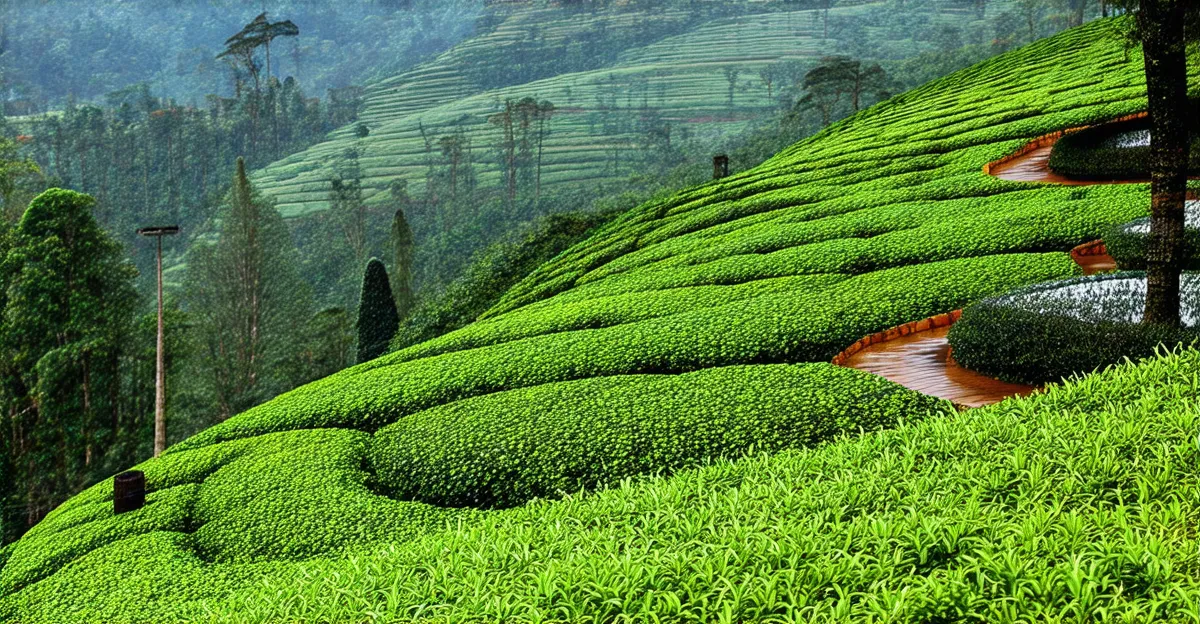
Nuwara Eliya’s landscape is a beautiful tapestry woven with lush tea plantations that stretch across rolling hills. As you explore these scenic tea estates, you’ll be greeted with breathtaking views and the serene atmosphere of this charming town. The bright green leaves contrast beautifully with the clear blue skies, making it a picturesque destination for both nature lovers and tea enthusiasts alike.
While walking through the plantations, you can witness tea pickers at work, carefully hand-selecting the tender leaves. This labor-intensive process is essential in maintaining the quality of Ceylon tea. Many visitors enjoy guided tours that offer insights into the cultivation and processing of tea, as well as the history of tea in the region.
Did you know? Nuwara Eliya’s cool climate is ideal for growing tea, which is why it produces some of the world’s finest varieties.
Don’t forget to bring your camera, as the valleys and tea bushes create stunning photo opportunities. Just take a moment to soak in the tranquility of this UNESCO World Heritage Site.
6. Must-Visit Tea Estates in Nuwara Eliya
Nuwara Eliya is home to several renowned tea estates that you simply cannot miss. Each estate has its unique offerings and charm. One of the top destinations is the Pete Tea Estate, famous for its traditional methods of production and breathtaking views. Here, visitors can experience a guided tour and sample some exquisite brews.
Another notable estate is the Glenloch Tea Factory, where you can explore the entire tea-making process, from plucking to packaging. Additionally, the Hill Country Tea Factory provides insight into the rich history of Nuwara Eliya tea, complemented by tastings that highlight their finest selections.
| Tea Estate | Highlights |
|---|---|
| Pete Tea Estate | Traditional production methods, beautiful views |
| Glenloch Tea Factory | Complete tea-making process tour |
| Hill Country Tea Factory | Rich historical insights, exquisite tastings |
Visiting these estates provides an invaluable glimpse into the nuwara eliya tea culture, making your trip unforgettable.
7. Experiencing Traditional Sri Lankan Afternoon Tea
While visiting Nuwara Eliya, experiencing traditional Sri Lankan afternoon tea is a delightful way to immerse yourself in the local tea culture. This cherished local tradition often includes a fine selection of Ceylon teas served alongside a variety of sweet and savory treats. You can expect to enjoy flavorful pastries, sandwiches, and scones, all designed to complement the rich nuances of the tea.
Typically served in the afternoon, this ritual invites you to relax and appreciate the beauty of the mountain scenery while savoring expertly brewed tea. Notably, the presentation is as elegant as the flavors, often including beautiful china teacups and various accompaniments.
Pro Tip: Always try the local specialties such as patties or short eats which are popular additions to this delightful experience!
Where to experience this: The Grand Hotel Nuwara Eliya offers an exquisite afternoon tea set up and impeccable service, while the Hill Club provides a cozy atmosphere with stunning views.
8. Flavor Pairings: Tea and Local Cuisine
🌟 Local Expert Tip: Get the most out of your Nuwara Eliya visit with guided tours!
In Nuwara Eliya, pairing tea with local dishes enhances your culinary exploration. Ceylon Black Tea, known for its bold flavor, pairs excellently with spiced curries, offering a perfect balance to the heat of Sri Lankan cuisine. Additionally, green tea complements lighter fare like hoppers or mallung, a spicy vegetable dish.
Moreover, sweet treats like bibikkan (coconut cake) or kithul jaggery are deliciously paired with a strong cup of black tea. These combinations not only capture the essence of Nuwara Eliya’s tea culture but also provide a delightful culinary experience. You’ll find that each pairing tells a story of balance and regional flavors.
Did you know? Pairing different teas with meals can elevate both the food and the tea itself, creating a more enjoyable experience!
Where to try these pairings: Look for local eateries such as De Silva’s and Grand Indian Restaurant, where special dishes are often offered with perfect tea pairings.
9. Sustainable Tea Practices in Nuwara Eliya
Sustainability is becoming increasingly important in the world of tea production, and Nuwara Eliya is no exception. Many tea estates are adopting eco-friendly practices to preserve the beautiful landscapes while producing quality teas. For instance, practices like organic farming, recycling, and water conservation initiatives have become common in the region.
Furthermore, local plantations focus on maintaining biodiversity and reducing their carbon footprint, ensuring that the natural environment remains intact. By choosing sustainable methods, these estates are able to produce high-quality teas without compromising the ecosystem.
Pro Tip: Look for the Fair Trade label when purchasing tea to support sustainable practices!
When visiting, you can witness these practices firsthand at estates like Pedro Tea Estate or Damro Tea Factory, where tours often include discussions on sustainable methods and their importance in the Nuwara Eliya tea culture.
10. Tea-Scented Souvenirs: What to Take Home
When you visit Nuwara Eliya, it’s a fantastic idea to bring back a piece of its rich tea culture. Tea-scented souvenirs not only serve as a reminder of your journey but also make for unique gifts for friends and family. One of the best items to consider is high-quality Ceylon tea. You can find various types, including the famed black and green tea, which capture the essence of the region’s flavor profile.
In addition to tea leaves, tea-infused cosmetics like soaps and lotions are also popular souvenirs. These products embody the aromatic experience of Nuwara Eliya’s tea plantations and are perfect for those who appreciate natural skincare. Furthermore, look out for tea pots and tea cups that bear traditional Sri Lankan designs. They not only serve functionality but also enrich your home decor.
Pro Tip: Always buy tea from licensed shops to ensure authenticity and quality.
For unique tea-scented souvenirs, check out local artisan shops in Nuwara Eliya, including Hanthana Tea Factory Shop or the Pure Ceylon Tea Store. These places often offer a variety of gifting options, each carrying the heart of Nuwara Eliya’s exquisite tea culture.
Nuwara Eliya tea culture offers a unique blend of heritage and sophistication, inviting visitors to savor the exquisite flavors of Ceylon tea. Whether you’re exploring the picturesque estates or participating in a traditional tea tasting, each experience weaves a narrative of the land and its people. Don’t miss out on planning your tea-themed trip to Nuwara Eliya—who knows what delightful flavors await you!
Frequently Asked Questions
A: Nuwara Eliya is known for its Ceylon black tea, green tea, and floral-infused varieties.
A: Many tea estates and local cafes offer guided tea tasting sessions for visitors.
A: Some of the top tea estates include the Hakgala Tea Estate, Glenloch Tea Factory, and Pedro Tea Estate.
A: Yes, Sri Lankan afternoon tea typically includes milk tea served with sweets and snacks.
A: Yes, most tea estates offer the option to purchase their freshly produced tea on-site.
A: Ceylon tea is known for its antioxidants and may aid in digestion and weight management.
A: Look for tea blends, tea pots, and handcrafted tea accessories as great souvenirs from your visit.