
Nadi Cuisine: Exploring Local Delicacies
Nadi local delicacies await! Discover authentic Fijian flavors, must-try dishes, and top dining spots in this guide for food enthusiasts visiting Fiji.
On this page
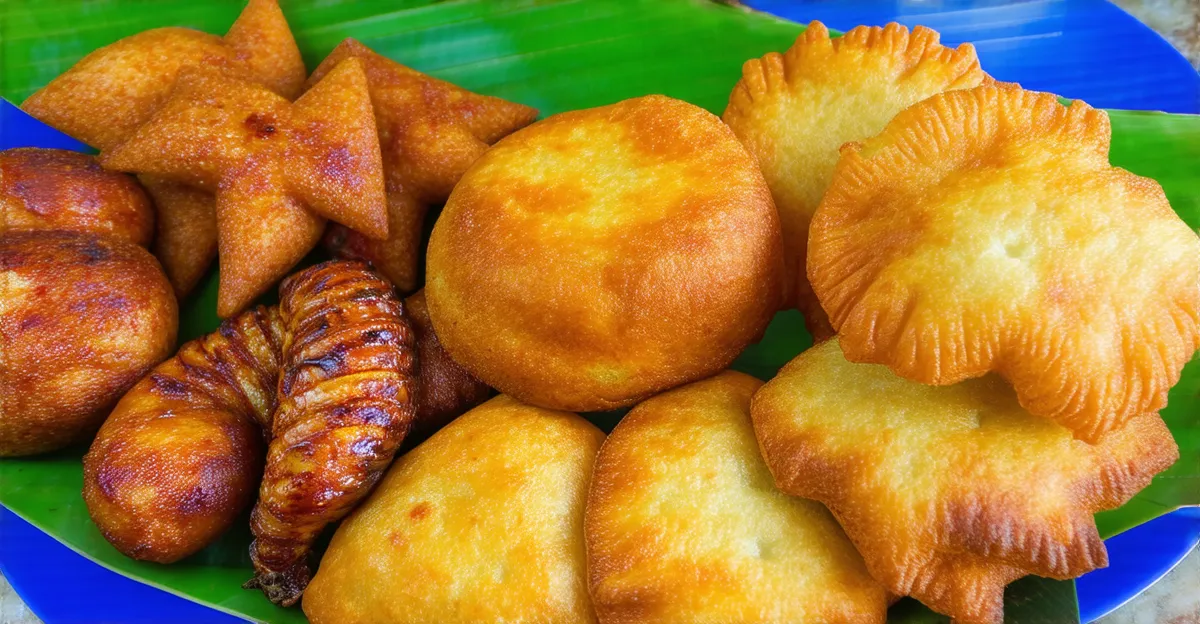
Nadi cuisine is a vibrant mélange of flavors and traditions that reflect the diverse cultural landscape of Fiji. From fresh seafood caught daily to lush tropical ingredients, Nadi offers a culinary journey that captivates food lovers. Traditional dishes like kokoda and palusami showcase the island’s rich heritage, while local markets and dining spots reveal culinary treasures waiting to be explored. This guide dives deep into Nadi’s exceptional local delicacies, providing you with an unforgettable taste of Fijian culture.
Key Takeaways
- Nadi cuisine features a vibrant mix of local delicacies influenced by Fijian, Indian, and Chinese cuisines.
- Signature dishes like kokoda and lovo are essential to experiencing the local food culture.
- Street vendors and local markets provide affordable yet delicious options to explore Nadi’s culinary scene.
- Food tours and cooking classes immerse visitors in traditional Fijian cooking methods and flavors.
1. Kokoda: Fijian Ceviche Delight
Kokoda is one of the most celebrated Nadi local delicacies, showcasing the fresh and vibrant flavors of Fiji. This dish consists of fresh fish, traditionally marinated in zesty lemon or lime juice, which “cooks” the fish. It is then mixed with coconut milk, diced onions, tomatoes, and sometimes cucumber. This combination results in a refreshing and light appetizer that is perfect for the tropical weather.
At many restaurants, Kokoda is served chilled, making it an ideal choice for those hot days on the beach. Additionally, it is often accompanied by taro chips or crusty bread, enhancing the overall dining experience.
Pro Tip: Try Kokoda at a local spot to truly appreciate its authentic taste and freshness.
Where to eat: For the best Kokoda in Nadi, head to Cloud 9 or Mama’s Tropical Deli. Each restaurant offers its unique twist on this Fijian classic.
2. Lovo: A Unique Fijian Feast
Lovo is truly one of the highlights among Nadi local delicacies. This traditional method of cooking involves food being wrapped in banana leaves and placed in an underground oven, known as a lovo pit. The process involves heating stones over a fire, covering the food with vegetation, and then sealing it for hours. The result is a smoky, tender, and flavorful feast that captures the essence of Fijian culture.
A typical lovo includes meats such as chicken, pork, or fish, alongside island staples like taro, cassava, and sweet potatoes. This communal meal is often enjoyed during special occasions and family gatherings, making it a social event as well.
Did you know? Participating in a lovo feast also gives you insight into Fijian traditions and hospitality.
Where to eat: Look for lovo at local family-run establishments or during cultural experiences in Nadi, including Fiji Cultural Village.
3. Palusami: Creamy Coconut-Taro Dish
💡 Pro Tip: Book your Nadi adventures in advance through Viator for the best deals!
Palusami is a delightful dish and a staple among Nadi local delicacies, crafted with love and rich flavors. Essentially, it consists of young taro leaves filled with a creamy mixture of coconut milk and sometimes onions and spices. The leaves are then wrapped up and steamed until tender. This dish perfectly embodies the tropical taste of Fiji.
Whether served as a side dish or a main vegetarian option, Palusami is a great introduction to the rich ingredients of Fijian cooking. Moreover, its creamy texture pairs wonderfully with grilled fish or meat, making it an essential part of any meal.
Pro Tip: Don’t miss the chance to enjoy Palusami with some freshly caught fish for an authentic Fijian experience.
Where to eat: For a taste of authentic Palusami, visit Bulaccino Café or The Greenhouse, both of which showcase excellent local cuisine.
4. Fish and Chips: Nadi’s Coastal Favorite
💡 Pro Tip: Book your Nadi adventures in advance through Viator for the best deals!
In Nadi, one of the beloved local delicacies is the classic fish and chips. This dish beautifully showcases the fresh seafood abundant in the region. Typically made with local fish, such as snapper or swordfish, it is lightly battered and deep-fried to perfection. Served alongside golden, crispy chips (fries), this dish is not only tasty but also a favorite among both locals and tourists.
Moreover, many restaurants offer variations, with some adding tropical sides like papaya salsa or coconut curry sauce to enhance the experience. Interestingly, local fishermen often provide the freshest catch, ensuring that every bite is as fresh as it gets.
Pro Tip: For the best experience, enjoy your fish and chips with a side of chilly tamarind sauce for an extra zing!
Where to eat: For an authentic taste of Nadi’s fish and chips, visit Tu’s Place, known for its fresh ingredients, or The Wicked Walu, where you can enjoy it with a view of the stunning ocean.
5. Fijian Vegetable Curry: A Tropical Twist
The Fijian vegetable curry is a delightful representation of Nadi local delicacies with its vibrant colors and rich flavors. This dish is often prepared with a variety of fresh, locally grown vegetables such as carrots, eggplant, and pumpkin. Furthermore, it is cooked in a creamy coconut milk base, making it a perfect vegetarian option full of tropical taste.
Typically, this curry is seasoned with spices like cumin, coriander, and turmeric, which provide warmth and a delightful aroma. It pairs beautifully with rice or freshly baked roti.
Did you know? Fijian curry is often milder compared to Indian curries, making it approachable for all palates!
Where to eat: For a satisfying bowl of vegetable curry, head to Grace Road Kitchen, celebrated for its commitment to local ingredients, or Swagat Indian Restaurant for an authentic experience.
6. Roti: Popular Flatbread in Nadi Cuisine
Roti is a staple in many Fijian households and is widely enjoyed across Nadi. This unleavened flatbread is typically made from whole wheat flour, giving it a wholesome and nutty flavor. The preparation method is quite simple; the dough is rolled out and cooked on a hot griddle until it becomes golden and crisp.
Roti is incredibly versatile and can be served alongside various dishes, from curries to pickles. Some enjoy it with banana or coconut jam for a sweet twist. Additionally, many food stalls offer various fillings, such as chicken or vegetable curry, wrapped in roti for a delightful meal on the go.
Pro Tip: Try dipping your roti in a curry sauce for a delicious blend of flavors!
Where to eat: You can find some of the best roti at Roti Shop Nadi, famous for its fresh, fluffy roti, or Daikoku Nadi, where they serve it with savory fillings.
7. Duruka: A Flavorful Local Delicacy
Duruka, commonly known as Fijian asparagus, is a unique local delicacy that deserves attention in Nadi cuisine. This vibrant green vegetable grows on the sugarcane stalks and is harvested when tender. Its taste is mildly sweet with a crispy texture, making it a versatile ingredient.
In Nadi, duruka is often cooked in various ways. You can find it sautéed with garlic and onions, adding flavor to many dishes. Additionally, it is commonly featured in curries, providing a delightful crunch and adding nutrition.
Pro Tip: When visiting local markets, be sure to look for fresh duruka to take home!
To experience duruka in its true glory, head to popular local eateries like Heidi’s Restaurant or Tu’s Place, where chefs expertly incorporate this local delicacy into their menus.
8. Fijian Sweets: A Taste of Paradise
💡 Pro Tip: Book your Nadi adventures in advance through Viator for the best deals!
Fijian sweets are a delightful treat that showcases the islands’ tropical flavors. These desserts often use fresh fruits and coconut, creating an explosion of taste that will make your taste buds dance. One popular sweet is cassava cake, made from grated cassava mixed with coconut milk and sugar, baked until golden and moist.
Another favorite includes coconut tarts, which have a crispy pastry shell filled with a sweet coconut mixture. You will also find banana fritters, crispy on the outside and soft inside, served as a delicious snack.
Did you know? Many Fijian sweets are gluten-free, making them an excellent choice for everyone!
To indulge in Fijian sweets, visit local bakeries and stalls at markets such as the Nadi Market, where you can sample various treats that represent the island’s culinary heritage.
9. Kava: Traditional Fijian Drink Experience
No visit to Nadi is complete without trying kava, the traditional drink of Fiji. Made from the root of the kava plant, this beverage is known for its calming and relaxing effects. The preparation involves grinding the kava root, mixing it with cold water, and then straining it to create a muddy, earthy-tasting drink.
Drinking kava is an integral part of Fijian culture, often enjoyed during ceremonies and social gatherings. It is served in a communal bowl, where participants take turns drinking from a coconut shell. This unique experience brings together friends and family, fostering connections.
Pro Tip: Always show respect by clapping once before and after drinking kava—it’s a traditional gesture!
For an authentic kava experience, visit a local kava bar such as Yaki Nadi or join a kava ceremony in a village setting to immerse yourself in Fijian culture.
10. Local Markets: A Culinary Wonderland in Nadi
Nadi is not only known for its stunning beaches but also for its vibrant local markets brimming with fresh ingredients and traditional nadi local delicacies. These markets are a feast for the senses, offering a unique glimpse into Fijian culture and cuisine. The main market, Nadi Market, is particularly popular among locals and tourists alike. Here, you can find a diverse selection of tropical fruits, vegetables, and spices that are essential for preparing genuine Fijian dishes.
Visitors to the market will discover numerous stalls selling local produce, flowers, and handcrafted goods. The atmosphere is lively, and vendors are often happy to share stories about their products. Moreover, you’ll find quick eats and street food options, making it an excellent place for snacking while shopping. Make sure to try some fresh fruits like papaya and pineapple, which are sweet and juicy.
Pro Tip: To fully experience the local flavor, don’t hesitate to sample dishes from food stalls within the market. It’s a great way to taste authentic nadi local delicacies!
On your visit, you may also come across handmade crafts that make for perfect souvenirs. Therefore, the market not only supports local farmers and artists but also enriches your culinary journey through Nadi.
Nadi cuisine offers a tantalizing glimpse into Fiji’s rich culinary tapestry, blending fresh ingredients with cultural traditions. From savoring local delicacies at vibrant markets to enjoying meals at picturesque seaside restaurants, the flavors of Nadi will surely enchant any visitor. We invite you to explore these culinary delights and share your favorite dishes or plan your next food adventure in beautiful Nadi!
Frequently Asked Questions
A: You cannot miss kokoda, lovo, and palusami for an authentic Fijian experience.
A: Yes, many traditional dishes include vegetables and can be modified to suit vegetarian diets.
A: Try local markets, beachfront restaurants, and food stalls for authentic flavors.
A: Kokoda is a Fijian ceviche made with fresh fish marinated in lime juice, served with coconut milk and veggies.
A: Lovo is a traditional earth oven cooking method often used during celebrations and gatherings.
A: Yes, several culinary schools and workshops in Nadi offer hands-on cooking classes.