
Modica Cuisines: Discover Local Flavors and Dishes
Dive into Modica cuisines! Explore unique local dishes, delightful dining spots, and the rich culinary experiences of this Sicilian gem.
On this page
Nestled in the heart of Sicily, Modica boasts a cuisine that reflects its rich history and vibrant culture. Famous for its chocolate, Modica cuisines offer an eclectic blend of flavors, with influences from Baroque traditions and local ingredients. Whether you’re indulging in savory dishes like ‘cavatieddi’ pasta or sampling sweet treats, Modica is a must-visit for any food lover seeking genuine Sicilian experiences. Join us as we explore the best local flavors and dining hotspots in this enchanting town.
Key Takeaways
- Modica cuisines are rich in unique, authentic flavors influenced by local traditions.
- Signature dishes like Modica chocolate and cavatieddi reflect the town’s culinary heritage.
- From street food to elegant dining experiences, Modica has something for every budget.
- Exploring food markets and participating in local cooking classes offer deeper insight into Modica’s culinary scene.
1. Modica Chocolate: The Iconic Treat of Sicily
When it comes to Modica cuisines, the town’s chocolate is undeniably its most iconic treat. Known as cioccolato di Modica, this chocolate-making tradition dates back to the Spanish rule in the 16th century. It is made using a unique cold-processing technique that retains the original grainy texture and rich flavor of the cocoa beans. Unlike other chocolates, Modican chocolate is not conched, which means it has a rustic, crunchy bite that is quite delightful.
Every bite offers a unique flavor, often infused with local ingredients such as cinnamon, vanilla, and even chili peppers. Interestingly, many chocolate artisans in Modica continue to craft this treat using traditional methods passed down through generations.
Pro Tip: Visit Antica Dolceria Bonajuto, one of the oldest chocolate shops, to taste their famous chocolate with orange.
This chocolate is perfect as a sweet souvenir and a delicious experience while exploring the culinary delights of Modica.
2. Cavatieddi: traditional Modica Pasta
Cavatieddi is a staple of Modica cuisines and a must-try for any food lover visiting this Sicilian town. This traditional pasta, shaped like small curls, has a unique texture that holds sauces beautifully. Made from durum wheat flour, cavatieddi is typically served with rich, flavorful sauces, bringing together the simplicity and richness of Sicilian ingredients.
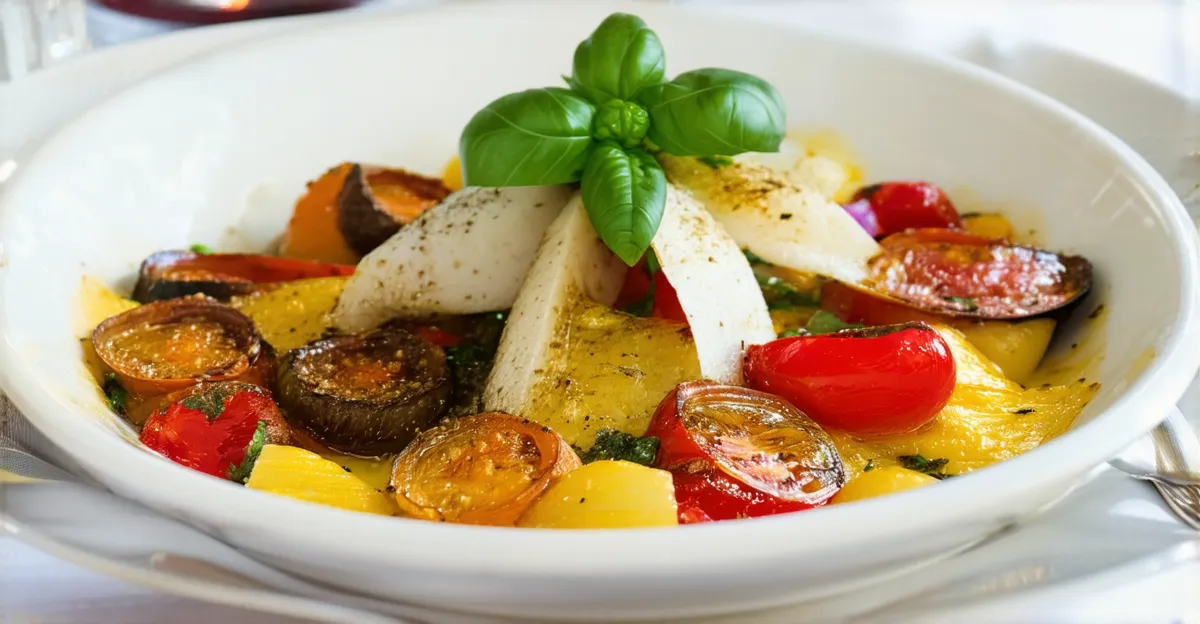
In Modica, you will find it often paired with ragù, a slow-cooked meat sauce that infuses deep flavors into the dish. Another popular variation includes a light tomato sauce with fresh basil and grated cheese, allowing the pasta’s texture to shine.
Did you know? Cavatieddi is often homemade in Sicilian households, making each family’s version unique to their taste!
To experience authentic cavatieddi, try dining at Trattoria da Nino or Ristorante Il Duomo, where you can savor this traditional dish made with love and expertise.
3. Savoring the Flavors of ‘Arancini’ in Modica
🌟 Local Expert Tip: Get the most out of your Rome visit with guided tours!
Another highlight in the world of Modica cuisines is the beloved arancini. These are deliciously fried rice balls, traditionally filled with a variety of ingredients such as ragù, mozzarella, and peas. They are a popular street food choice and a comfort food for locals, making them a must-try when visiting Modica.
What makes Modica’s arancini special is the local twist in the filling, offering variations that reflect the region’s culinary creativity. Some are enriched with saffron, while others might surprise you with sweet fillings.
Pro Tip: For the best arancini, head to Bar Paticceria Donia to experience this Sicilian delight!
Whether enjoyed as a snack or part of a meal, arancini encapsulates the essence of Sicilian flavor and tradition, delighting every visitor who takes a bite.
4. street food Wonders: ‘Scacce’ and Other Delicacies
In Modica, street food is a vibrant part of the culinary scene, with scacce taking center stage. This traditional stuffed flatbread can be filled with a variety of ingredients, including tomato, cheese, or vegetables. The versatility of scacce means there’s always something new to try, making it a popular choice among locals and tourists alike.
Another street food favorite is panelle, which are chickpea fritters that are crisp on the outside and tender on the inside. They’re often served in a soft bread roll and are a perfect snack to enjoy while wandering through the streets of Modica. Moreover, don’t miss the opportunity to taste sfincione, which is Sicilian pizza topped with onions, tomatoes, and sometimes anchovies.
Pro Tip: Pair your street food with a local beverage for the perfect casual dining experience!
Where to eat: You can find delicious scacce at Scacciapensieri, a popular spot known for its fresh ingredients. For panelle, head to Vicolo degli Aromi, famous for this savory treat.
5. Seafood in Modica Cuisine: Fresh from the Mediterranean
🌟 Local Expert Tip: Get the most out of your Rome visit with guided tours!
Seafood forms an essential part of Modica’s cuisine, benefiting from its proximity to the Mediterranean Sea. Locally caught fish and shellfish are celebrated for their freshness and quality. Dishes like branzino (European sea bass) and spaghetti ai ricci di mare (sea urchin spaghetti) are particularly popular.
Restaurants often feature a variety of seafood, highlighting the catch of the day. Additionally, seafood is commonly prepared in simple ways, allowing the natural flavors to shine through. A must-try is the frittura di pesce, a deep-fried mix of fresh fish and calamari that is crispy and delicious.
Did you know? Seafood dishes are usually best enjoyed with a glass of local white wine, which enhances their flavors.
Where to eat: For an exquisite seafood dining experience, consider Ristorante La Gazza Ladra or Da Andrea, known for their fresh offerings and coastal flavors.
6. ‘Cuddura’ Bread: Local Baking Traditions
Cuddura bread is a staple in Modica’s culinary repertoire, reflecting the area’s rich baking traditions. This round bread is often shaped like a crown and is commonly enjoyed during local festivities. Its texture is pleasantly soft, making it perfect for sandwiches or to accompany meals.
While cuddura bread is traditionally associated with special occasions, it’s also available year-round, allowing visitors to taste this local delight at any time. Bakers often enhance it with sesame seeds or other toppings, providing a unique twist on this classic bread.
Pro Tip: Enjoy cuddura bread with local cheeses or meats for a satisfying snack!
Where to eat: You can find authentic cuddura bread at Panificio Modicano, a renowned bakery that takes pride in traditional recipes. It’s a perfect spot to experience the heart of Modica’s baking culture.
7. Modica’s Sweet Treats: ‘Cubbaita’ and Beyond
Modica is famed for its delectable sweets, with ‘Cubbaita’ standing out as a local favorite. This traditional Sicilian treat is a nougat-like confection made with honey, nuts, and sesame seeds. The unique combination of flavors and textures makes it an irresistible snack. In addition to ‘Cubbaita’, you will find other delights such as ‘Frutta Martorana’, marzipan fruits that are intricately crafted to resemble real fruit.
Another must-try sweet is the ‘Biscotti di Modica’, which are crunchy cookies often flavored with local almonds or citrus zest. These treats are perfect for accompanying your coffee or dessert wine. Additionally, the city is known for its chocolates, which call for a tasting experience— elaborate molds and flavored with spices elevate these chocolates to an art form.
Did you know? The rich flavors of Modica’s sweets come from using traditional techniques passed down through generations.
Where to eat: To taste authentic ‘Cubbaita’, visit Antica Dolceria Bonajuto, known for its artisanal approach. For ‘Frutta Martorana’, Chocolatier Sabadì is a must-stop that showcases the best of Modica’s sweets.
8. Sample Local Wines: Perfect Pairings with Modica Dishes
Exploring the world of local wines is essential when enjoying Modica cuisine. Sicily has a rich viticultural heritage, and its wines beautifully complement the region’s diverse flavors. The most notable wine to try is Nero d’Avola, a bold red wine that pairs wonderfully with the richness of Modica’s meat dishes and hearty pastas.
For a lighter option, consider Frappato, which is fruity and fragrant, ideal for pairing with seafood or spicy dishes. Moreover, Grillo, a white wine, enhances the flavors of dishes like seafood risotto and fried delicacies.
Pro Tip: Ask for local recommendations to find the best wine pairings at restaurants in Modica.
Many places, like Enoteca Sicilia, offer tastings where you can experience how the wines complement the traditional dishes. Don’t miss the chance to explore the vineyard landscapes surrounding Modica either!
9. Culinary Experiences: Cooking Classes in Modica
🌟 Local Expert Tip: Get the most out of your Rome visit with guided tours!
If you’re eager to dive deeper into Modica cuisines, participate in one of the city’s cooking classes. These hands-on experiences provide an authentic glimpse into Sicilian culinary traditions. You will learn to prepare local dishes like Cavatieddi and Arancini from scratch, guided by passionate local chefs.
Classes typically start with a visit to the market to select fresh ingredients, bringing a crucial element of authenticity to the experience. This not only enhances your understanding of Sicilian flavors but allows for a personal connection with the local culture.
Pro Tip: Make sure to bring a notebook to jot down recipes and tips shared during the class.
Some popular cooking schools include La Bottega Siciliana and Cooking with Pina, known for their immersive and enjoyable classes. It’s a fantastic way to take a piece of Modica home with you!
10. Hidden Gems: Best Dining Spots in Modica
Modica is not only famous for its historic architecture but also for its vibrant culinary scene. When exploring Modica cuisines, there are several hidden gems that you should not miss. These dining spots offer authentic flavors, inviting atmospheres, and the kind of local charm that truly represents Sicilian hospitality.
One of the top recommendations is Osteria dei Sapori Perduti. This quaint eatery specializes in traditional Modica dishes using fresh, local ingredients. Their Cavatieddi, a type of pasta, is renowned among both locals and visitors.
Another must-visit is Il Consiglio di Sicilia. This restaurant focuses on utilizing seasonal ingredients to create modern interpretations of Sicilian classics. The seafood dishes here are particularly sumptuous!
Don’t forget to check out Trattoria Montalbano, where the pasta is freshly made daily. Moreover, their charming terracotta atmosphere enhances the dining experience.
Pro Tip: Always ask the chef for daily specials, as they often feature fresh catches from the Mediterranean and seasonal dishes.
These dining spots encapsulate the essence of local Modica cuisines, offering delicious meals in cozy, authentic settings.
Modica cuisines offer a rich tapestry of flavors that embody the spirit of Sicily. From the famous chocolate to traditional pasta dishes, every bite tells a story. We encourage you to explore Modica’s culinary delights and share your favorite dishes with fellow food enthusiasts. Plan your trip and savor the unique flavors that Modica has to offer!
Frequently Asked Questions
A: Modica is renowned for its artisanal chocolate and traditional Sicilian dishes, showcasing a blend of flavors and techniques.
A: Don’t miss out on Modica chocolate, cavatieddi, arancini, and the local bread called ‘cuddura’.
A: Yes, street food stalls and local trattorias offer great food without breaking the bank.
A: Participate in food tours, visit local markets, and join cooking classes to fully experience the cuisine.
A: Absolutely, many local dishes highlight fresh vegetables and can easily cater to vegetarian diets.
A: Visit historic chocolate shops like Antica Dolceria Bonajuto to sample the finest Modica chocolate.