
Manila Cuisine: Discover Local Dishes and Dining Gems
Dive into Manila local dishes! This guide showcases must-try Filipino flavors, unique food spots, and unforgettable culinary experiences in the capital.
On this page
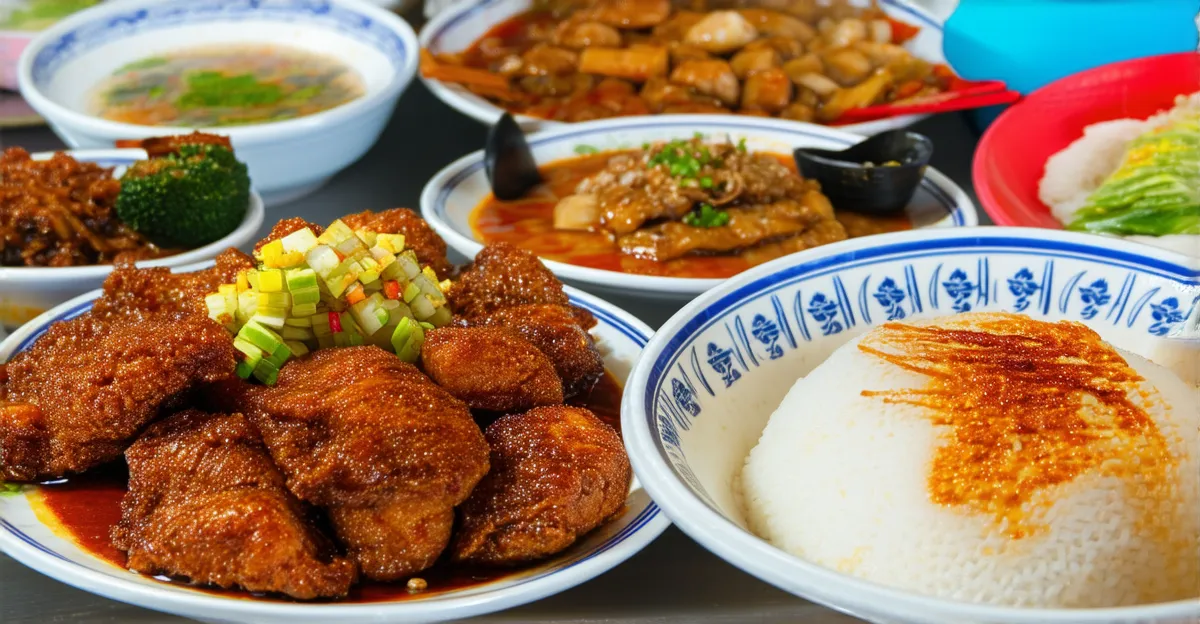
Manila cuisine is a vibrant tapestry of flavors that reflects the city’s rich history and diverse culture. With influences from Spanish, Chinese, and American culinary traditions, the local dishes tell a unique story that every food lover should experience. From hearty adobo to sweet halo-halo, explore the must-try delicacies and the best dining spots that make Manila’s food scene a dynamic culinary adventure that can cater to any palate.
Key Takeaways
- Manila cuisine showcases a rich variety of local dishes influenced by multiple cultures.
- Signature meals like adobo and sinigang highlight the city’s unique culinary heritage.
- From street stalls to fine dining, Manila’s food scene fits every budget and preference.
- Participating in local food tours and cooking classes offers immersive experiences.
1. Adobo: The Quintessential Manila Local Dish
Adobo is often hailed as the quintessential Manila local dish, beloved by both locals and visitors alike. This savory dish is made by marinating meat, typically chicken or pork, in a mixture of soy sauce, vinegar, garlic, and spices, then slow-cooked until tender. The rich flavors of Adobo are a delightful blend of salty, sour, and slightly sweet notes.
Moreover, there are numerous regional variations of Adobo, each offering a unique twist on this classic. For instance, some use coconut milk, while others might include potatoes or hard-boiled eggs. Adobo is generally served with steamed rice, making it a perfect comfort food.
Pro Tip: Don’t forget to try the sauce! It’s often the best part of the dish, full of robust flavors.
Where to eat: To savor authentic Adobo, visit Cafe Adriatico in Malate or the famous Ristorante Delle Mitre. Both places offer hearty servings of this local favorite.
2. Sinigang: A Tangy, Comforting Filipino Soup
Sinigang is a popular Filipino soup that stands out for its tangy flavor, derived from tamarind or other souring agents like calamansi or green mango. It’s a comforting dish, often made with pork, shrimp, or fish, along with various vegetables like radish, water spinach, and eggplant. When served hot, Sinigang is perfect for rainy days or when you just want something warm and soothing.
This dish also varies from home to home, with some chefs adding more unique ingredients of their choice, enhancing its complexity. The flavorful broth, combined with fresh ingredients, makes Sinigang a treasured dish in every Filipino household.
Did you know? Pair your Sinigang with rice for a fulfilling meal!
Where to eat: Experience delicious Sinigang at Pancake House or Elbert’s Steak Room, both known for their delectable takes on this comforting soup.
3. Lechon: Manila’s Iconic Roast Pork
💡 Pro Tip: Book your Manila adventures in advance through Viator for the best deals!
Lechon is often referred to as the iconic roast pork of Manila, and for good reason. The dish features a whole pig marinated, stuffed, and slow-roasted over charcoal, resulting in crispy skin and tender, juicy meat. Lechon is a star at celebrations like birthdays and weddings, signifying abundance and hospitality.
What makes Lechon even more exciting is the accompanying dipping sauce, typically made from vinegar and garlic, which perfectly complements the rich flavors. Different regions have their variations, but Manila’s version is particularly revered for its exceptional taste.
Pro Tip: Don’t miss the crispy skin! It’s an essential part of the Lechon experience.
Where to eat: For the best Lechon in Manila, try Villa Moriones or the famous House of Lechon, both known for serving the juiciest roast pork in town.
4. Kare-Kare: A Rich and Flavorful Stew
💡 Pro Tip: Book your Manila adventures in advance through Viator for the best deals!
Kare-Kare is a traditional Filipino stew that showcases the rich culinary culture of Manila. This dish primarily features oxtail or tripe, which is simmered until it becomes tender. What makes Kare-Kare special is its savory peanut sauce, made from ground nuts and flavored with a variety of spices. Often, it’s accompanied by vegetables like eggplant, banana heart, and string beans, giving it a colorful and nutritious appeal.
Moreover, it is typically served with bagoong, a fermented shrimp paste, which adds a salty contrast to the dish’s sweet and nutty flavor. In fact, many locals believe that this combination is what truly elevates Kare-Kare’s taste. When visiting Manila, trying Kare-Kare is essential for a full experience of local dishes.
Where to eat: For an authentic taste of Kare-Kare, head over to Restaurant 9501 or Casa Reyes Bistro Filipino. These establishments are known for their rich flavors and generous portions.
5. Lumpia: Filipino Spring Rolls with a Twist
Lumpia are the beloved Filipino spring rolls that come in many forms. Originating from the Chinese spring rolls, Lumpia are a popular snack or appetizer in Manila, and they can be either fresh or fried. The filling usually consists of ground meats, shrimp, and vegetables, all wrapped in a thin pastry skin. This delightful dish is often served with a sweet and sour dipping sauce, further enhancing its flavor.
One must-try variation is the Lumpiang Shanghai, which is a fried version filled with seasoned ground pork or chicken. This crispy treat is a favorite at parties and gatherings. Moreover, fresh Lumpia is filled with fresh vegetables and served with a rich garlic-peanut sauce, providing a lighter alternative. Indeed, these variations make Lumpia a charming highlight among Manila local dishes.
Where to eat: For the best Lumpia, visit Golden Pancake House, or try Jollibee for a quick taste of Lumpiang Shanghai.
6. Halo-Halo: A Refreshing Dessert Experience
Halo-Halo is more than just a dessert; it is an iconic Filipino treat that offers a refreshing escape from the tropical heat of Manila. This colorful dessert features a mix of crushed ice, sweet beans, jellies, fruits, and often topped with ice cream and leche flan. Its name literally means “mix-mix,” which perfectly describes the playful process of combining all the ingredients.
Each component adds a unique flavor and texture, making every scoop an exciting experience. Furthermore, different regions in the Philippines have their own twists, but the Manila version is renowned for its rich assortment of toppings. This vibrant dessert is a must-try for anyone looking to taste the sweet side of Manila local dishes.
Where to eat: Head to Razon’s of Guagua or Iceberg for some of the best Halo-Halo in the city. Both places are popularly known for their generous servings and exceptional quality.
7. Tapsilog: Classic Filipino Breakfast
Tapsilog is a beloved classic in the Manila local dishes scene, known for its hearty and satisfying qualities. This dish showcases three key elements: tapa (cured beef), sinangag (garlic fried rice), and itlog (fried egg). The tapa is typically marinated with a blend of soy sauce, vinegar, and spices, resulting in a flavor-packed protein that pairs perfectly with the fragrant rice.
Notably, tapsilog transcends mere breakfast; it can be enjoyed at any time of the day. Moreover, the combination of salty and savory flavors creates a delightful dining experience. Most locals love to top it off with a spicy vinegar sauce, which adds an extra zing.
Pro Tip: For an authentic experience, enjoy your tapsilog with a side of fresh tomatoes or pickled vegetables!
Where to eat: For the best tapsilog, visit Tapsilog ni Jose or Ramon’s Tapas and Tapsilogan. Both are well-known for their mouth-watering versions of this classic dish.
8. Puto and Dinuguan: A Sweet and Savory Pair
💡 Pro Tip: Book your Manila adventures in advance through Viator for the best deals!
Puto and dinuguan create a unique and delicious combination found in many Manila local dishes. Puto is a steamed rice cake that is soft and slightly sweet, often colored white or bright hues. On the other hand, dinuguan is a savory stew made from pork simmered in a rich sauce of fermented pig’s blood, vinegar, and spices.
This pairing is highly popular among locals, as the sweetness of puto contrasts beautifully with the rich and savory flavor of dinuguan. Many Filipinos savor it during meals, especially during special occasions and gatherings. Often served together, this combo embodies the balance between sweet and savory—a hallmark of Filipino cuisine.
Where to eat: Head to Carlo’s Kitchen for delicious homemade puto or try Andok’s for their flavorful dinuguan. Both spots are favorites among the locals.
9. Bicol Express: Spicy Coconut Delight
Bicol Express is a must-try dish in Manila local dishes, renowned for its bold and spicy flavors. This dish originated from the Bicol region and is made from pork, coconut milk, chili peppers, and shrimp paste. The combination of creamy coconut milk and spicy chili creates a distinctive taste that excites the palate.
Typically, Bicol Express is cooked until the meat is tender and infused with the flavors of spice. The heat from the chili is balanced out by the creaminess of the coconut milk, making it an indulgent dish for those who enjoy spicy foods. It’s often served on a bed of rice, as the rice helps tame the heat.
Did you know? Bicol Express can vary in spiciness based on the cook’s preference, so don’t hesitate to ask for it “extra spicy” if you dare!
Where to eat: For authentic Bicol Express, visit Gerry’s Grill or Chowking. Both restaurants offer delicious versions that capture the essence of this fiery dish.
10. street food Wonders: Manila’s Vibrant Food Scene
Manila is home to a vibrant street food scene that captivates locals and tourists alike. The streets of Manila come alive with food stalls offering a variety of Manila local dishes. A popular snack is kwek-kwek, which consists of quail eggs coated in orange batter and deep-fried to perfection. Another favorite is fish balls, typically served with a range of savory sauces, allowing you to customize the flavor.
After a long day of exploring, stopping for isaw, grilled chicken intestines, can be a highlight of your culinary adventure. Additionally, you can find balut, a fertilized duck egg popular among adventurous eaters. It’s not just food; it’s an experience! Many of these delicacies are enjoyed with friends, making street food a key social activity in the city.
Pro Tip: Don’t be afraid to try different stalls; the best street food often comes from places bustling with locals.
Where to eat: To really immerse yourself in Manila’s street food, visit places like Bangkal Market or the Night Market at Manila Bay for a delightful variety of choices.
11. Filipino Breakfasts: Must-Try Morning Meals
Filipino breakfasts are hearty and diverse, offering various dishes that cater to every taste. One of the most loved is tapsilog, a combination of garlic fried rice, a succulent beef tapa, and a fried egg. This dish perfectly embodies the comforting essence of Manila local dishes. Additionally, there’s silog which pairs rice with various proteins like longganisa (sausage) or tocino (cured pork), creating a fulfilling start to your day.
Another breakfast favorite is bangsilog, which includes rice paired with fried bangus (milkfish) and egg. This showcases the city’s love for flavorful food, ensuring you feel energized for the day ahead.
Did you know? Many local eateries offer these breakfast dishes all day long!
Where to eat: Head to Rodic’s Tapsilogan for an authentic tapsilog experience, or try Goodah for a variety of silogs that will leave you satisfied.
12. Local Seafood: Fresh Delicacies from Manila Bay
Manila Bay is a treasure trove of fresh seafood, making it a haven for seafood lovers. You can find a variety of Manila local dishes that showcase the region’s rich marine bounty. One highlight is grilled tanigue (Spanish mackerel), known for its firm, flavorful flesh, often served with a side of vinegar dipping sauce. Furthermore, indulge in kilawin, a dish made from fresh raw fish marinated in vinegar, which provides a refreshing zing.
Another must-try is alimasag (blue crabs), typically served with soy sauce or garlic butter. These dishes symbolize not just local flavors but the cultural significance of seafood in Filipino cuisine. Enjoying these dishes by the bay adds to the experience, as you can soak in stunning views of the water.
Pro Tip: Pair your seafood delicacies with a cold local beer or a refreshing fresh coconut to elevate your meal further!
Where to eat: Visit Isdaan Floating Restaurant or Angelo’s Seafood to immerse yourself in the vibrant local seafood offerings that Manila has to offer.
13. Sizzling Sisig: A Flavor Explosion
💡 Pro Tip: Book your Manila adventures in advance through Viator for the best deals!
Sizzling Sisig is a beloved dish that embodies the vibrant culinary spirit of Manila local dishes. Originating from the Pampanga region, it has become a staple in Filipino cuisine. This dish features a tantalizing mix of chopped pork, typically made from parts like the head and liver, seasoned with vinegar, calamansi juice, and spices. The signature crunch comes from cooking the meat on a hot plate, giving it a distinctive sizzle that enhances its flavor.
Traditionally served with an egg cracked on top, you will appreciate the contrast between the crunchy and tender textures. To elevate the experience, many enjoy it with a side of rice and a cold beer. Whether you’re dining at a restaurant or trying a street vendor, Sizzling Sisig promises to delight your taste buds.
Pro Tip: Try garnishing your Sisig with chopped onions and chilies for an added flavor kick!
Where to eat: For an authentic experience, visit Aling Lucing’s Sisig in Angeles City, renowned for its savory version. Another fantastic option is J.P. Sizzling House in Metro Manila, famous for its sizzling platter presentation.
14. Filipino Desserts: Satisfy Your Sweet Tooth
The world of Filipino desserts is both delightful and diverse. Manila local dishes include a range of sweet treats that capture the essence of Filipino hospitality and culture. One must-try is Leche Flan, a rich caramel custard that is a popular choice for celebrations. Another favorite is Ube Halaya, a sweet purple yam jam that is loved for its vibrant color and unique flavor.
You can’t forget about Puto, steamed rice cakes that are soft and fluffy, often served with savory dishes. Other popular options include binignit, a sweet warm dessert made from root vegetables and coconut milk. Each of these desserts tells a story of tradition and creativity.
Where to eat: For the best Leche Flan, visit Ristorante Delle Mitre. If you crave Ube Halaya, try Bakery Boulangerie for a delectable selection.
15. The Best food markets to Explore in Manila
Exploring food markets is a delightful way to experience Manila local dishes. These vibrant markets are filled with fresh produce, local snacks, and street food that will tantalize your taste buds. One of the top markets to visit is Salcedo Saturday Market, where you can find a variety of artisanal foods, local delicacies, and seasonal fruits. It’s a great place to taste different dishes and buy local ingredients.
Another notable market is Mercato Centrale, known for its community vibe and diverse food selection. Here, you can sample everything from gourmet meals to street food favorites, such as fish balls and taho.
Did you know? Visiting these markets not only lets you taste local dishes but also supports local farmers and artisans!
Make sure to allocate enough time to explore and savor the flavors at these bustling markets, as they are truly a feast for the senses.
16. Dining with a View: Scenic Restaurant Experiences
When it comes to enjoying Manila local dishes, few experiences can rival dining with a view. Manila boasts several scenic venues where diners can indulge in traditional cuisine while soaking in beautiful vistas. From rooftop restaurants to waterfront locations, these establishments enhance your meal with a gorgeous backdrop.
One standout option is Sky Deck View Bar, located atop The Bayleaf Hotel, which offers stunning views of Intramuros and the Manila skyline. Here, you can savor dishes like Adobo and Sinigang while enjoying the sunset. Alternatively, Vikings Luxury Buffet provides a unique dining experience with a vast spread of local dishes and a contemporary setting.
Pro Tip: Make reservations for dinner to secure a window seat—especially during weekends when these spots are most popular.
If you’re looking for a more casual experience, La Casa Bistro, located by the waterfront, offers not only delicious Filipino fare but also a picturesque view of Manila Bay, making it an ideal spot for a relaxed evening.
17. Cooking Classes: Learn to Make Manila Local Dishes
💡 Pro Tip: Book your Manila adventures in advance through Viator for the best deals!
If you’re eager to dive deeper into Manila local dishes, consider taking a cooking class. These classes provide a hands-on experience where you can learn to prepare traditional Filipino meals. Not only will you gain valuable culinary skills, but you’ll also understand the cultural significance behind each dish.
One popular option is The Aristocrat Restaurant Cooking Class, where you can learn to make iconic dishes like Lechon and Kare-Kare. Another highly rated class is offered by Kain na! Cooking Classes, which guides you through the preparation of various Filipino dishes, including delicious Lumpia and Halo-Halo.
Did you know? Cooking classes often include a market visit, providing insight into selecting fresh ingredients, essential for authentic flavors.
Exploring Manila’s local dishes offers a delicious journey through the heart of Filipino culture. Each meal is filled with tradition, creativity, and unforgettable flavors. Don’t miss your chance to indulge in the city’s culinary delights. Share your favorite Manila dishes or plan your food adventure today!
Frequently Asked Questions
A: Manila is renowned for dishes like adobo, sinigang, and lechon, which capture the essence of Filipino flavors.
A: Adobo, sinigang, lechon, kare-kare, and halo-halo are essential local dishes to sample.
A: Yes, street food stalls and casual eateries provide budget-friendly ways to experience Manila local dishes.
A: Explore local markets, join food tours, or partake in cooking classes to dive deeper into the culinary scene.
A: Many restaurants in Manila offer plant-based dishes; just ask for local vegetarian options.
A: You can enjoy delicious halo-halo at iconic spots like Razon’s, known for its traditional take on this sweet dessert.
A: Popular street foods include isaw (grilled chicken intestines), fish balls, and kikiam, providing a taste of local flavors.