
Madaba Traditional Dishes: A Culinary Journey
Discover authentic Madaba traditional dishes! Experience local flavors and dining spots that celebrate Jordanian cuisine in this food lover’s guide.
On this page
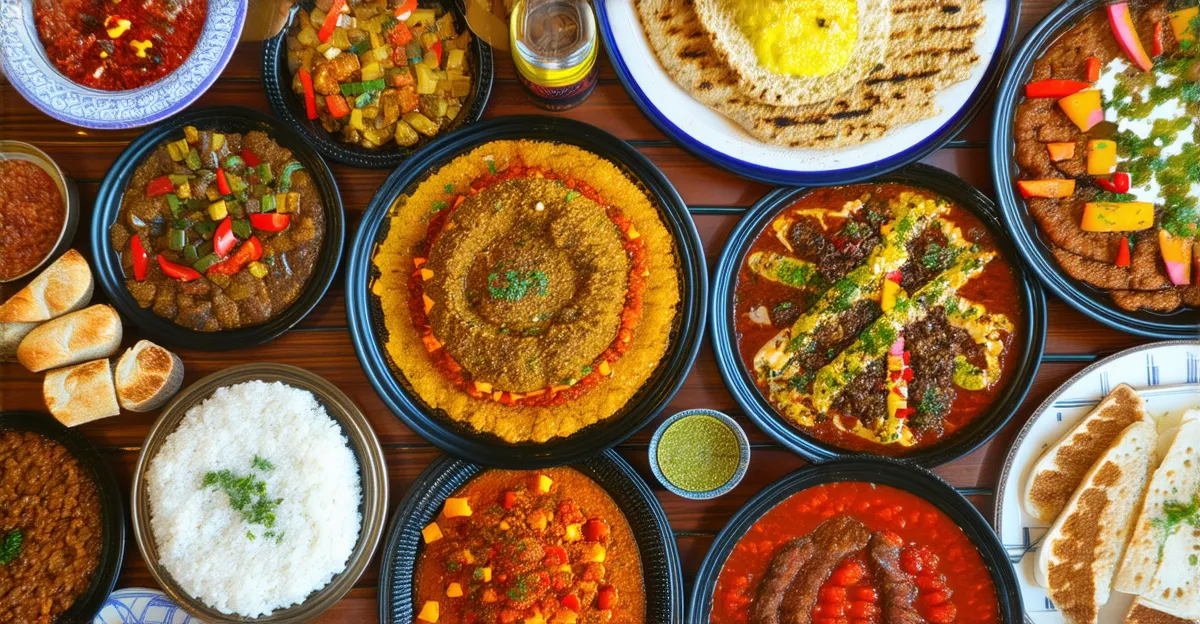
Madaba, known as the ‘City of Mosaics,’ boasts a vibrant culinary scene that reflects the rich history and culture of Jordan. The local cuisine integrates diverse flavors from the region, making it a must-explore for food enthusiasts. Traditional dishes like Mansaf, Kousa Mahshi, and Maqluba showcase the unique ingredients and cooking techniques that define Madaba’s food culture. Join us as we embark on a delicious journey through Madaba, uncovering local delicacies and charming dining spots that offer authentic experiences.
Key Takeaways
- Madaba traditional dishes celebrate Jordan’s rich culinary heritage.
- Mansaf and Kousa Mahshi are iconic dishes highlighting local flavors.
- street food like shawarma and falafel is a must-try for budget-conscious travelers.
- The culinary experience can be enriched with visits to local markets and food stalls.
1. Mansaf: The Traditional Dish of Jordan
Mansaf is not only a dish but also a symbol of Jordanian hospitality. This traditional dish features tender lamb cooked in a rich sauce made from fermented dried yogurt called jameed. It is typically served over a bed of fluffy rice and garnished with toasted pine nuts and almonds. The presentation is often grand; it is laid out on a large platter, where families gather to enjoy this culinary masterpiece.
This dish is most commonly served during celebrations or as a main course at family gatherings. Moreover, it is often accompanied by flatbread, which you can use to scoop up the meat and rice. Overall, Mansaf represents the Jordanian culture of sharing and coming together around food.
Pro Tip: When offered Mansaf, remember that it’s customary to eat with your hands, using bread to help!
Where to eat: If you’re in Madaba, visit Al-Waha Restaurant, known for its authentic Mansaf, or try Haret Jdoudna for a cozy dining experience featuring this beloved dish.
2. Kousa Mahshi: Stuffed Zucchini Delight
Kousa Mahshi is a flavorful dish that showcases the art of stuffing vegetables. This delight consists of zucchini hollowed out and filled with a mixture of spiced rice and minced meat. After stuffing the zucchini, they are cooked in a savory tomato sauce, which adds depth and richness to the dish. Each bite offers a perfect blend of flavors, making it a popular choice among locals and visitors.
This dish often evokes feelings of home and comfort, as many families have their own special recipes passed down through generations. In addition to zucchini, some variations may include other vegetables like eggplant or peppers.
Did you know? Kousa Mahshi is often enjoyed with a side of yogurt, which complements the flavors beautifully.
Where to eat: In Madaba, check out Old City Restaurant for great Kousa Mahshi, or visit Al-Sufara to experience a satisfying version of this traditional delight.
3. Maqluba: Upside-Down Rice and Meat
⭐ Recommendation: Don't miss out on amazing Madaba tours - book now!
Maqluba, meaning “upside down” in Arabic, is a dish that makes a visual impact as much as a flavorful one. This traditional Jordanian dish consists of layers of rice, vegetables, and meat, typically chicken or lamb. After cooking, the pot is flipped upside down, creating a stunning presentation of the ingredients neatly stacked on top of one another.
The combination of spices used in Maqluba varies regionally, but the dish is universally loved for its aroma and taste. The reason why it’s so special is that every bite contains a medley of flavors, showcasing the harmony between the spices, meat, and rice.
Pro Tip: Serve Maqluba with a dollop of yogurt or a side salad for a refreshing contrast.
Where to eat: For a delightful Maqluba experience in Madaba, visit Bawadi Restaurant, which serves a fantastic version of this dish, or head to Al-Masri Restaurant to savor their homemade take on Maqluba.
4. Falafel: Crispy Chickpea Fritters
Falafel, a beloved staple in Jordan and particularly in Madaba, offers a delightful blend of flavors and textures. These small, deep-fried balls made from ground chickpeas are seasoned with herbs and spices, producing a crispy outer layer and a tender inside. Traditionally, falafel is served in a pita bread, accompanied by fresh vegetables and drizzled with tahini sauce. Moreover, it embodies a convenient and satisfying option for both locals and travelers.
Visitors can find falafel sold at street vendors as well as in restaurants. Notably, the dish is a favorite among vegetarians and those seeking a quick meal. The versatility of falafel makes it suitable for various diets and preferences.
Pro Tip: For an authentic experience, try pairing your falafel with a side of tabbouleh—a refreshing parsley salad that complements the flavors beautifully.
Where to eat: Check out Falafel Al-Quds in Madaba, renowned for their crunchy falafel, or visit Hummus Abu Ali, which offers a wonderful take on this classic dish.
5. Shawarma: A street food Favorite
⭐ Recommendation: Don't miss out on amazing Madaba tours - book now!
Shawarma is one of the most popular street foods in Madaba. This delicious dish consists of succulent slices of marinated meat, typically lamb, chicken, or beef, that are slowly roasted on a vertical spit. As the meat cooks, thin slices are shaved off and served in a wrap or pita with toppings such as tomatoes, cucumbers, and a drizzle of garlic sauce or tahini.
The appeal of shawarma lies not just in its taste but also in the experience of enjoying it on the go, making it a favorite among both locals and tourists. Its spicy, savory flavors are sure to satisfy any craving.
Did you know? Shawarma is usually served at any time of the day, making it a convenient meal option—for breakfast, lunch, or dinner!
Where to eat: For the best shawarma, visit Shawarma Reem, which is famous for its generous portions, or Ali Baba, known for its flavorful meat and fresh side dishes.
6. Sweets and Desserts: Baklava and Knafeh
Jordanian sweets, particularly in Madaba, are a delightful experience that visitors shouldn’t miss. Two of the most famous desserts are baklava and knafeh. Baklava is made from layers of flaky pastry, filled with nuts and sweetened with honey or syrup. Every bite offers a rich and sticky sweetness that makes it irresistible.
Knafeh, on the other hand, is a unique pastry made with thin noodles soaked in syrup and layered with a creamy cheese filling. This dessert is often served warm and sprinkled with pistachios, giving it a delightful crunch and flavor contrast.
Pro Tip: Enjoy your sweets with a cup of Arabic coffee for a perfectly balanced treat!
Where to eat: Visit Al Quds Sweets for their extraordinary baklava and knafeh, or try Jaffar Sweets, which is renowned for its authentic recipes and vibrant flavors.
7. Mujadara: Lentils and Rice Bliss
Mujadara is a beloved dish among Jordanian people, showcasing the simplicity and flavor of madaba traditional dishes. This hearty meal consists of lentils and rice, cooked together and topped with crispy onions. The recipe highlights the importance of legumes in Middle Eastern cuisine, providing both nutrition and flavor.
Transitioning through textures, Mujadara offers a wonderful blend of hearty lentils, fluffy rice, and the savory crunch of fried onions. Typically, it’s served with a side of yogurt or a fresh salad, balancing the earthy flavors of the lentils. This dish is not only nourishing but also affordable, making it a favorite among locals.
Pro Tip: For an extra kick, add a sprinkle of cumin or sumac on top!
Where to eat: You can enjoy a delicious plate of Mujadara at Al Quds Restaurant or Sufra Restaurant, where traditional Jordanian flavors shine through in every bite.
8. Sumac Chicken: A Flavorful Twist
Sumac Chicken is another quintessential dish that reflects the essence of madaba traditional dishes. This dish features succulent pieces of chicken marinated with sumac, a tangy spice that brings zest to every bite. The chicken is typically grilled or roasted, infusing it with intense flavors and aromas.
Moreover, the dish is often paired with saffron rice or a fresh salad, enhancing both flavor and presentation. The use of sumac adds a unique twist, elevating the traditional chicken preparation to something remarkably flavorful.
Did you know? Sumac is rich in antioxidants and has been used for centuries in Middle Eastern cooking.
Where to eat: For the best Sumac Chicken in town, visit Azzam Restaurant or Hashem Restaurant, both known for their incredible take on this aromatic dish.
9. Hummus: The Beloved Dip of the Region
⭐ Recommendation: Don't miss out on amazing Madaba tours - book now!
No exploration of madaba traditional dishes is complete without mentioning hummus, a creamy and delicious dip made from chickpeas, tahini, olive oil, lemon juice, and garlic. This popular dish is not only a staple in Jordanian cuisine but also enjoyed all over the Middle East.
Often served as an appetizer, hummus pairs wonderfully with fresh pita bread, making it the perfect starter for any meal. Additionally, you can find various variations, including hummus topped with pine nuts, parsley, or even spiced meat.
Pro Tip: Drizzling some high-quality olive oil over your hummus can enhance the flavor even further!
Where to eat: For authentic hummus, don’t miss Abu Jbara or Aldar Restaurants, both celebrated for their smooth and rich hummus, which will leave you wanting more!
10. Local Markets: A Food Lover’s Paradise
Exploring the vibrant local markets in Madaba is a feast for the senses and a chance to experience authentic Madaba traditional dishes. These markets are bustling with energy and full of fresh produce, spices, and local delicacies. Visitors can stroll through stalls filled with colorful fruits, vegetables, and traditional ingredients that are essential for creating beloved Jordanian dishes.
One standout market is the Madaba Souk, where you can find an array of items, from handcrafted goods to local foods. Here, you can sample fresh hummus, a staple in Jordanian cuisine, often made from scratch by local vendors. Additionally, keep an eye out for delightful sweets like baklava and knafeh, which are perfect for satisfying your sweet tooth.
Pro Tip: Visit early in the morning for the freshest products and to experience the lively atmosphere as vendors set up shop.
Not only do these markets provide a chance to try authentic dishes, but they also offer valuable insight into Jordanian culture and culinary traditions. Whether you’re looking to shop for ingredients to recreate your favorite Madaba traditional dishes at home or simply enjoy the local flavors, the markets are a must-visit destination.
Madaba traditional dishes offer a delightful glimpse into Jordan’s culinary landscape, filled with rich flavors and historical significance. Whether you’re enjoying Mansaf at a family-run restaurant or sampling street food delicacies, each experience will leave you with lasting memories. Don’t miss out on the opportunity to discover these authentic flavors and share your favorite dishes from Madaba on your culinary adventure!
Frequently Asked Questions
A: Madaba dishes often incorporate regional spices and historically influenced ingredients, showcasing Jordan’s diverse culinary heritage.
A: You must try Mansaf, Kousa Mahshi, and Maqluba for an authentic taste of Madaba.
A: Yes, many traditional dishes like Mujadara and various salads cater to vegetarians.
A: The local markets and street vendors provide some of the best and most authentic street food options.
A: Mint tea, Arabic coffee, and fresh pomegranate juice are great beverage choices to accompany your meal.
A: Yes, Madaba’s cuisine reflects influences from ancient cultures and regional traditions, adding depth to its flavors.