
Lhasa Food Tours: Explore Authentic Tibetan Cuisine
Join Lhasa food tours to discover authentic Tibetan dishes, unique flavors, and must-visit dining spots in the heart of Tibet’s capital.
On this page
Lhasa food tours offer a deep dive into the rich and diverse culinary traditions of Tibet, showcasing the unique flavors and dishes that define this high-altitude region. As you stroll through the bustling markets and eat at charming local eateries, you’ll taste the essence of Tibetan culture through its cuisine. From steaming bowls of momos to hearty tsampa, Lhasa’s food scene is a must-experience for every food lover visiting this enchanting city. This guide will navigate you through the best local dishes, food experiences, and dining spots not to be missed on your journey in Lhasa.
Key Takeaways
- Lhasa food tours reveal a rich variety of authentic Tibetan flavors.
- Signature dishes like momos and tsampa highlight the city’s unique culinary culture.
- street food and local dining spots offer budget-friendly options to experience Lhasa’s cuisine.
- Participating in food tours and cooking classes provides immersive culinary experiences.
1. Lhasa Momos: The Tibetan Dumpling Delight
Lhasa Momos are perhaps one of the most beloved dishes you can find in Tibet. These delicious dumplings come in a variety of fillings, such as meat, vegetables, and even cheese. The dough is prepared using simple ingredients, making it soft and chewy, which beautifully complements the robust flavors inside. When dipped in a spicy sauce, the taste is simply unforgettable.
Typically, momos are served steamed, but you can also find fried versions that add a satisfying crunch. Whether you are strolling through the markets or dining in a cozy restaurant, savoring momos is a must. They represent the essence of Lhasa food tours, showcasing the vibrant food culture of the region.
Pro Tip: For an authentic experience, try momos at a local eatery rather than a tourist spot.
Where to eat: Visit Namaste Kathmandu for scrumptious momos or try the popular Gyurme Dumpling House for a variety of fillings.
2. Exploring traditional Tsampa: The Staple Food
Tsampa, a traditional Tibetan staple, is a versatile food made from roasted barley flour. It is not only nutritious but also serves as a comfort food for many Tibetans. Tsampa can be enjoyed in various ways: mixed with water, milk, butter, or even as a base for stews. This adaptability makes it a constant presence on Tibetan dining tables.
Often sprinkled with yaks’ butter and a bit of sugar, or combined with wild herbs, it becomes a hearty dish that warms the soul. During Lhasa food tours, you will often come across this nutritious meal, embodying the simplicity and richness of Tibetan cuisine.
Did You Know? Tsampa is not just a meal; it symbolizes resilience and the rich traditions of Tibetan culture.
Where to eat: For the best Tsampa dish, stop by The Tibet Café. The ambiance and flavors make for a delightful meal.
3. Lhasa street food: A Flavorful Adventure
🎯 Insider Tip: Discover the best Lhasa experiences with Viator Tours!
Exploring Lhasa’s street food scene is akin to embarking on a culinary adventure. Here, vendors proudly sell various dishes that reflect the unique flavors of Tibet. From Spicy Potatoes to Fried Noodles, there is no shortage of tantalizing options to satisfy your cravings.
You might also come across Tibetan pancakes or grilled skewers, which are perfect for a quick bite. As you stroll through the vibrant streets, trying these dishes provides an authentic taste of local life. Indeed, indulging in street food is one of the highlights of Lhasa food tours.
Pro Tip: Don’t hesitate to interact with the vendors; they often have stories to share about their foods.
Where to eat: Head over to the Barkhor Street where various stalls offer delightful street food options to enjoy as you explore.
4. Thukpa: Hearty Tibetan Noodle Soup
Thukpa is a beloved dish among locals and visitors alike, showcasing the comforting essence of Lhasa food tours. This hearty Tibetan noodle soup can be enjoyed at any time of year, but it is particularly delightful in the cooler months. Made with fresh hand-pulled noodles, Thukpa typically features broth infused with aromatic spices and may include various ingredients like vegetables, meat, or egg.
Each region in Tibet has its unique take on Thukpa, showcasing local flavors and specialties. For a traditional experience, try meat-based Thukpa that includes yak or chicken, while vegetarian variants are equally comforting. This dish not only warms the body but also reflects the rich culinary heritage of Tibet.
Pro Tip: Don’t hesitate to ask for extra spices or chilies to enhance the flavor!
Where to eat: For an authentic experience, visit House of Karma or Lhasa Kitchen, where you can enjoy a bowl of steaming Thukpa while soaking in the vibrant atmosphere of Lhasa.
5. Barley Wine: A Unique Tibetan Beverage
Barley wine, or chang, is a traditional Tibetan beverage that adds a distinctive touch to any Lhasa food tour. Made from fermented barley, this lightly alcoholic drink is often enjoyed during celebrations, gatherings, and meals. The brewing process involves soaking barley, allowing it to germinate, and then fermenting it, resulting in a slightly tangy flavor.
Chang is traditionally served in small bowls, making it a social drink that encourages sharing and camaraderie. Its unique taste pairs well with Tibetan dishes, enhancing the overall dining experience. Whether consumed warm or cold, barley wine is both refreshing and invigorating.
Did you know? Chang is considered a symbol of hospitality in Tibetan culture, often offered to guests as a sign of respect.
Where to drink: For a true taste of this local favorite, head to the Tibetan Cultural Restaurant or Snowland Restaurant, where you can sip on barley wine while enjoying a range of traditional Tibetan foods.
6. Savoring Yak Butter Tea: A Cultural Must-Try
🎯 Insider Tip: Discover the best Lhasa experiences with Viator Tours!
Yak butter tea, known as po cha, is an essential beverage in Tibetan culture and a highlight of any Lhasa food tour. This rich and creamy tea is made by blending brewed tea with yak butter and salt, creating a unique flavor profile that is both warming and nourishing. It is particularly consumed in high-altitude regions, providing much-needed hydration and energy.
The preparation process is quite traditional, usually requiring a churning technique that blends all ingredients well. While its taste might be unusual for some, it’s an integral part of Tibetan hospitality, often served to guests as a sign of welcome.
Pro Tip: Enjoy yak butter tea alongside momos or bread for the perfect pairing!
Where to savor this delicacy: Check out Yangpachen Restaurant or Tibetan Family Kitchen in Lhasa, where you can indulge in yak butter tea while soaking in the local culture.
7. Lhasa’s Best Restaurants for Traditional Cuisine
When exploring Lhasa food tours, one cannot overlook the rich offerings of traditional Tibetan cuisine found in its bustling restaurants. There are several eateries that specialize in serving authentic dishes, each bringing a unique flavor to the table. Bodhi Restaurant is highly recommended for its cozy atmosphere and a wide variety of momos, dumplings that should not be missed. Another popular spot is Tashi I Restaurant, known for its incredible thukpa, a hearty Tibetan noodle soup that warms the soul.
For those seeking a vegetarian vibe, Snowland Restaurant provides delightful vegetarian options along with many traditional dishes. If you are in the mood for something quick and fragrant, try Shambhala Restaurant, which offers tasty street food style dishes that are perfect for a casual dining experience.
Pro Tip: Always ask for the daily special, as many restaurants prepare unique dishes that are less known but worth trying!
With numerous dining options, Lhasa truly showcases the best of Tibetan flavors. Enjoying these meals is an essential part of any vibrant Lhasa food tour.
8. Vegetarian Delights in Lhasa Cuisine
Lhasa offers a variety of vegetarian delights that cater to both locals and visitors. Traditional Tibetan food is based on simple ingredients, and this translates wonderfully into vegetarian options. One of the staple dishes is tsampa, a flour made from roasted barley, often served with butter tea. It’s nourishing and can be enjoyed at any time of the day.
Also prevalent are various vegetable momos. These steamed dumplings are stuffed with delicious combinations of cabbage, carrots, and spices, making them an excellent choice for veggie lovers. Additionally, chilli potatoes and vegetable stir-fries are often available in many local restaurants, providing a flavorful experience.
When on a Lhasa food tour, don’t miss out on visiting The Peaceful Restaurant, which specializes in vegetarian dishes that reflect the heart of Tibetan culture. By exploring the vegetarian options, you can enjoy a wholesome experience of Lhasa cuisine.
9. Tibetan Snacks: From Khapse to Sweets
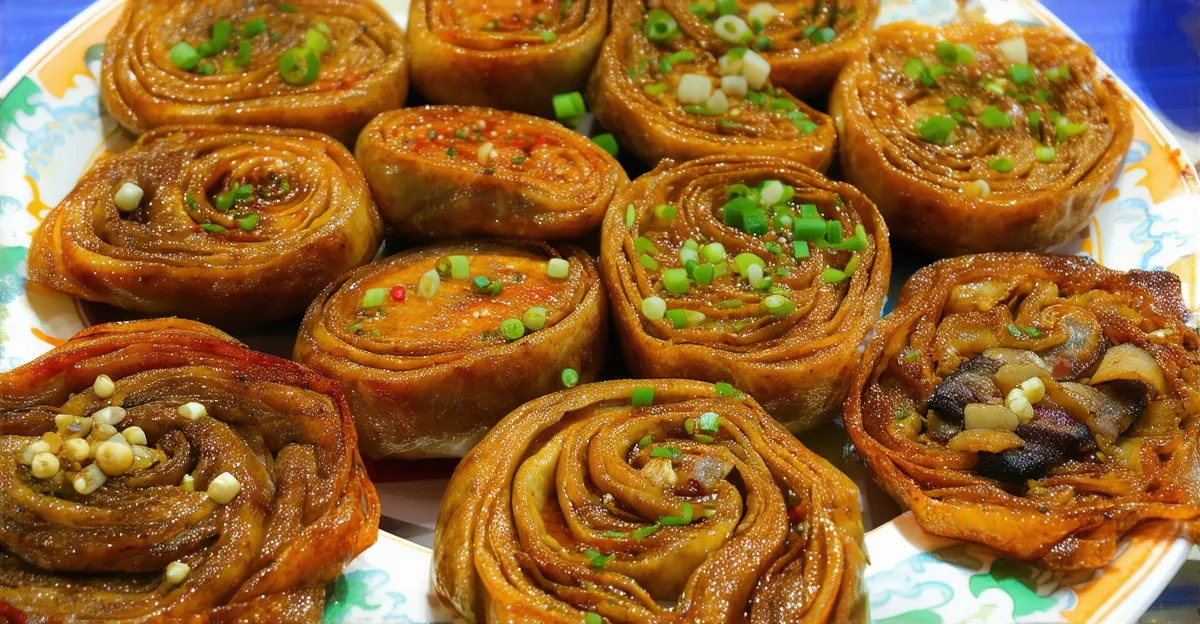
Tibetan snacks are an essential part of Lhasa cuisine, adding richness to the food culture. One of the most popular snacks is khapse, deep-fried pastries often enjoyed during festivals and celebrations. Their crispy texture and slightly sweet flavor make them a favorite among locals. These traditional snacks can usually be found at various street vendors.
Additionally, you can explore thukpa chips, which are crunchy snacks made from leftover noodle dough. These are perfect for those exploring Lhasa food tours, offering a delightful crunch and flavor.
Don’t forget to try traditional Tibetan sweets like balep (a type of bread) made sweeter with fillings. Many eateries, such as Norbulingka Restaurant, prepare these specialty snacks to enjoy after meals or as on-the-go treats. Exploring these snacks will enrich your culinary journey in Lhasa!
10. The Role of Rituals in Tibetan Food Culture
Tibetan food culture is deeply intertwined with rituals and traditions that reflect the spiritual life of its people. Food in Tibet is not merely sustenance but a significant part of religious and cultural practices. For instance, during festivals and ceremonies, certain dishes are prepared to honor deities and ancestors. Offering food is a common practice, where families present dishes at altars, seeking blessings for health, wealth, and prosperity.
Moreover, meals often include a moment of gratitude. Before eating, Tibetans may take a moment to appreciate the food and its source. This ritual fosters a strong connection with the land and culture. Transitioning from these practices to modern food consumption, Lhasa food tours often highlight how these traditional elements remain in contemporary dining experiences.
Did you know? The preparation of certain traditional dishes can take hours and is often done collectively, emphasizing community and kinship.
Overall, rituals enrich Tibetan meals and make every dining experience a reflection of their profound cultural heritage.
11. Local Markets: A Culinary Journey Through Lhasa
🎯 Insider Tip: Discover the best Lhasa experiences with Viator Tours!
Exploring local markets is one of the best ways to experience Lhasa food tours and discover authentic Tibetan cuisine. The bustling markets, such as the Barkhor Market, offer a vibrant atmosphere where local vendors sell fresh produce, spices, and traditional snacks. You can find unique ingredients like highland barley, famous for its health benefits, and an array of yak-related products, from meat to dairy.
Besides, the markets not only showcase local foods but also provide a glimpse into Tibetan culture. As you navigate through the stalls, engage with vendors who are often eager to share stories and insights about their offerings. Transitioning from one stall to another, you can sample delicious treats like momos or freshly made thukpa.
Pro Tip: Bring cash, as many vendors may not accept cards, and be prepared to haggle for the best prices!
Visiting these markets does not just satisfy your culinary curiosity but also immerses you in the heart of Lhasa’s vibrant culture.
12. Participating in a Cooking Class in Lhasa
For those interested in diving deeper into Tibetan culture, taking a cooking class is an excellent opportunity. Many local chefs offer hands-on cooking classes where you can learn to make traditional Tibetan dishes. During these classes, you will not only get to prepare iconic dishes like momos and thukpa, but you’ll also gain insight into the ingredients used and the cultural significance behind each dish.
Transitioning from the preparation to the tasting, these classes often conclude with a communal meal, allowing participants to enjoy the fruits of their labor. This interactive experience fosters a connection with local customs and is a highlight of any Lhasa food tour.
Fun Fact: Cooking classes typically take place in local homes or small restaurants, providing an intimate setting for learning.
By participating, you develop not only cooking skills but also lasting memories and friendships with fellow participants and instructors alike.
Lhasa food tours encapsulate the rich culinary heritage of Tibet and offer a delightful journey through its flavors. Whether you’re indulging in a hot bowl of thukpa or savoring delicate momos, the culinary experiences in Lhasa promise to be unforgettable. Make sure to share your favorite dishes and plan your food adventure in this captivating city!
Frequently Asked Questions
A: Lhasa is known for traditional Tibetan dishes such as momos, tsampa, and yak butter tea, showcasing the unique flavors of the region.
A: Momos, thukpa, and yak butter tea are must-try delicacies for anyone visiting Lhasa.
A: Yes, local street food stalls and casual eateries offer budget-friendly ways to enjoy Lhasa food.
A: Join food tours, visit local markets, and take cooking classes to immerse yourself in the culinary scene.
A: Yes, many restaurants and food tours in Lhasa offer vegetarian-friendly dishes.
A: The best momos can be found at local eateries such as Xining Dumplings and various street vendors.