
La Paz Cuisine: Discover Traditional Dishes
Explore La Paz traditional dishes that showcase Bolivia’s rich culinary heritage. Uncover local flavors, must-try meals, and dining spots.
On this page
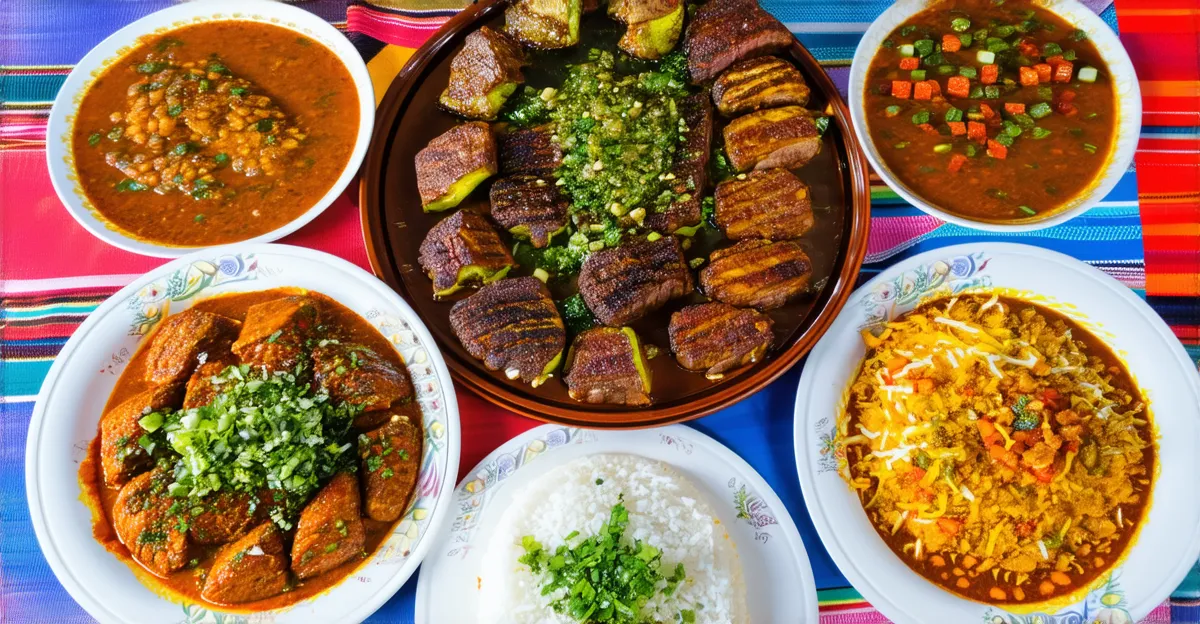
La Paz, the vibrant capital of Bolivia, offers a culinary journey that weaves together indigenous traditions and contemporary influences. The food scene in La Paz is a reflection of the country’s diverse cultures, ingredients, and history, making it a paradise for food enthusiasts. From hearty stews to delightful snacks, exploring traditional dishes in La Paz is essential for any traveler. In this guide, we will delve into the city’s unique culinary offerings, including regional specialties and must-try dining spots that highlight La Paz’s rich gastronomy.
Key Takeaways
- La Paz traditional dishes reflect a rich blend of indigenous ingredients and cooking methods.
- Signature meals like salteñas, sopa de maní, and pique macho are a must-try.
- Street vendors and local markets offer authentic culinary experiences that cater to all budgets.
- Exploring La Paz’s food culture provides insights into Bolivia’s traditions and regional diversity.
1. Salteñas: Bolivia’s Flavorful Pastries
Salteñas are one of the most beloved La Paz traditional dishes, often enjoyed as a snack or light meal. These savory pastries are similar to empanadas but are distinguished by their juicy filling. Typically, they are filled with a mix of meat, potatoes, olives, and spices, creating a delightful explosion of flavors with each bite. What makes them unique is their slightly sweet dough, which is perfectly baked to a golden-brown color.
These pastries are usually enjoyed hot, as the filling can be quite juicy, providing a satisfying experience. Furthermore, they are commonly served with a side of llajwa, a spicy Bolivian sauce, that adds an extra kick. You can find salteñas at street vendors or local bakeries throughout La Paz.
Pro Tip: To truly enjoy salteñas, eat them early in the morning, as they are traditionally a breakfast food!
Where to eat: For some of the best salteñas, head to Salteñería La Casona or El Patio, both of which are famous for their delicious, freshly baked pastries.
2. Sopa de Maní: Creamy Peanut Soup of La Paz
Sopa de Maní is a comforting and rich La Paz traditional dish that features creamy peanut flavor combined with hearty ingredients. This soup is typically made with peanuts, vegetables, and tender pieces of meat, often chicken or beef. The peanuts are ground into a paste, creating a luscious texture that is both filling and nourishing.
Usually served hot, this dish is garnished with chopped hard-boiled eggs and fresh herbs, enhancing its flavor profile. The soup is perfect for the chilly evenings in La Paz and provides a taste of Bolivian comfort food. Additionally, the unique combination of flavors makes it a must-try.
Did you know? Sopa de Maní is not only delicious but also a great source of protein, making it a wholesome meal.
Where to eat: For a taste of authentic Sopa de Maní, visit La Comadre or Restaurant Manka, where locals rave about the hearty portions and rich flavors.
3. Pique Macho: A Hearty Bolivian Feast
🌟 Local Expert Tip: Get the most out of your La Paz visit with guided tours!
Pique Macho is a classic La Paz traditional dish guaranteed to satisfy your hunger. This hearty plate typically includes strips of beef, sausage, and potatoes, which are sautéed together with onions, peppers, and a special blend of spices. The dish is usually served on a large platter, making it perfect for sharing among friends or family.
What sets Pique Macho apart is the addition of a spicy sauce drizzled on top, adding a kick to the already flavorful dish. It’s commonly accompanied by a side of fried eggs, making it a complete meal. This dish is especially popular during celebrations and gatherings.
Pro Tip: Pair Pique Macho with a local Bolivian beer for a true culinary experience!
Where to eat: For the best Pique Macho experience, try Restaurante El Huaito or El Montonero, renowned for their delicious take on this traditional dish.
4. Chairo: Traditional Andean Soup
🌟 Local Expert Tip: Get the most out of your La Paz visit with guided tours!
Chairo is a traditional Andean soup that beautifully exemplifies the heartiness of La Paz traditional dishes. Its base typically includes a rich broth made from beef or lamb, which is simmered for hours to extract deep flavors. What makes Chairo unique is its inclusion of chuño, a freeze-dried potato that adds a distinctive twist.
Moreover, Chairo is often enriched with a variety of vegetables such as carrots, green beans, and occasionally, corn. Local spices give the soup a vibrant taste, while a sprinkle of fresh herbs on top enhances its aroma. This dish is especially popular during colder months, as it warms both the body and soul.
Pro Tip: For an authentic experience, enjoy Chairo with a side of traditional bread for dipping!
Where to eat: One of the best places to try Chairo in La Paz is La Casa de los Abue, known for its cozy atmosphere and traditional recipes. Another popular spot is Restaurante El Montículo, where the soup is made fresh daily.
5. Humintas: Sweet and Savory Corn Cakes
Humintas are delightful Bolivian corn cakes that reflect the culinary diversity of the region. Made primarily from fresh corn, humintas can be sweet or savory, appealing to various palates. The sweet version is usually enhanced with sugar and cheese, while the savory type may include herbs and spices for a flavorful punch.
Traditionally, the corn is ground and mixed with other ingredients before being wrapped in corn husks and steamed. This cooking method not only retains moisture but also infuses the cakes with a subtle corn flavor. Alternatively, Humintas are often served with a dollop of llajwa, a spicy Bolivian sauce that complements their taste.
Did you know? Humintas may vary in texture and flavor across different regions of Bolivia!
Where to eat: For a delicious Huminta, try Café del Mundo or La Pasión del Cielo for their creative takes on this traditional dish.
6. Api: The Popular Andean Beverage
Api is a beloved Andean beverage that warms the heart and soul. This thick drink is made from ground corn, flavored with spices such as cinnamon and cloves, and often sweetened with sugar. Api is typically served hot, making it a perfect companion for breakfast or a chilly evening.
Variations of Api can be found throughout Bolivia, with some regions adding fruits or other local ingredients to create unique flavors. The texture of Api is thick and creamy, resembling a hot porridge rather than a standard beverage. This rich consistency makes it stand out among popular drinks.
Pro Tip: Api pairs wonderfully with fresh pastries, making for a delightful breakfast or snack!
Where to drink: To enjoy the best Api in La Paz, visit El Café del Mundo which specializes in various local drinks, or La Casona, where you can savor Api in a cozy setting.
7. Quinua: A Nutritious Grain Staple
Quinua, or quinoa, is a vital part of La Paz’s culinary identity and is celebrated for its numerous health benefits. This ancient grain is rich in protein, fiber, and essential amino acids, making it an outstanding food choice for those seeking a nutritious meal. Notably, quinua is gluten-free and full of vitamins and minerals, appealing to various dietary needs.
In La Paz, quinua is often used in salads, stews, and traditional dishes, providing a unique texture and flavor. Locals frequently enjoy it as a side to their meals, showcasing its versatility. It’s particularly delightful when tossed with fresh vegetables, herbs, or even combined in soups.
Did you know? Quinua is considered a superfood due to its impressive nutrient profile.
Where to eat: To taste some of the best quinua dishes, visit Restaurante Gustu or La Casa de la Quinua, both of which emphasize locally-sourced ingredients and traditional Bolivian flavors in their menus.
8. Fricassé: A Spicy Meat Stew
🌟 Local Expert Tip: Get the most out of your La Paz visit with guided tours!
Fricassé is a traditional Bolivian stew that is adored for its rich flavors and comforting qualities. Made with tender pieces of meat, commonly beef or chicken, it is cooked with a blend of spices and ingredients like potatoes, onions, and local herbs. This dish bursts with flavors and a distinctive spicy kick that warms you up, especially in the cooler high-altitude climate of La Paz.
Typically served with rice and a slice of hard-boiled egg, fricassé is not just a meal but a delightful experience. The mix of tastes and textures makes it a family favorite and a staple in many local menus.
Pro Tip: Always ask for extra llajwa (the zesty Bolivian condiment) on the side for an elevated experience!
Where to eat: For an authentic fricassé, head to El Mercado Rodríguez or La Piadina, known for their hearty portions and traditional cooking methods.
9. Ceviche: A Coastal Delight in La Paz
Although La Paz is located in the highlands, ceviche remains a popular dish that brings the flavors of the coast to the city. This refreshing dish typically features fresh fish marinated in lime juice, mixed with onions, cilantro, and sometimes a hint of chili. The acidity of the lime cooks the fish, giving it a vibrant flavor and unique texture that delights seafood lovers.
In La Paz, ceviche is often served with sweet potatoes and corn, adding depth and sweetness to this coastal classic. It is a perfect dish to enjoy on warmer days or as a light starter before a hearty Bolivian meal.
Don’t forget to try ceviche paired with a glass of local beer for a true Bolivian experience!
Where to eat: For the freshest ceviche, check out La Costanera or Restaurante Bocas del Rey, both popular spots among locals and tourists alike.
10. Llajwa: The Zesty Bolivian Condiment
Llajwa is a staple condiment in Bolivian cuisine, particularly in La Paz. This spicy sauce elevates almost every meal with its unique flavors. Traditionally made from a blend of tomatoes, peppers, garlic, and a touch of herbs, llajwa differs in taste and heat depending on the region it comes from. It is the perfect accompaniment for grilled meats, pastries, and even soups.
This vibrant sauce has a smooth consistency, but you can find variations that incorporate aji peppers for extra heat or cilantro for an aromatic twist. Notably, some variations include fruit such as mango for a sweet contrast, offering a delightful balance to savory dishes.
Insider Tip: When dining in La Paz, don’t hesitate to ask for extra llajwa to spice up your meal—it’s a true culinary experience!
Where to find it: Many local eateries across La Paz will serve llajwa alongside their dishes. For an authentic taste, visit El Mercado Lanza, a bustling market where vendors offer delicious traditional meals accompanied by homemade sauces. You can also find it in local restaurants such as La Casa del Camba, known for its Bolivian specialties.
La Paz cuisine is a treasure trove of flavors that tells the story of Bolivia’s rich cultural heritage. Whether you are indulging in the savory salteñas, warming up with a bowl of sopa de maní, or sipping on api, the city offers culinary delights that cater to all palates. Embark on a flavor-packed journey through La Paz’s food scene and discover the traditional dishes that make it unique. Share your food experiences or plan your culinary adventure to La Paz today!
Frequently Asked Questions
A: La Paz traditional dishes include salteñas, sopa de maní, pique macho, and fricassé.
A: Check out local markets and street vendors for authentic La Paz cuisine at budget-friendly prices.
A: Yes, many traditional dishes can be adapted for vegetarian diets, and local restaurants offer plant-based options.
A: Salteñas are among the most famous dishes, known for their flaky pastry and delicious filling.
A: Absolutely! There are several food tours available that take you through local markets and eateries.
A: Api is a popular beverage that pairs well with many traditional dishes for a complete experience.