
La Paz Food Markets: A Culinary Adventure Awaits
Explore the vibrant La Paz food markets! Discover local dishes, authentic flavors, and must-visit dining spots in this Bolivian gem.
On this page
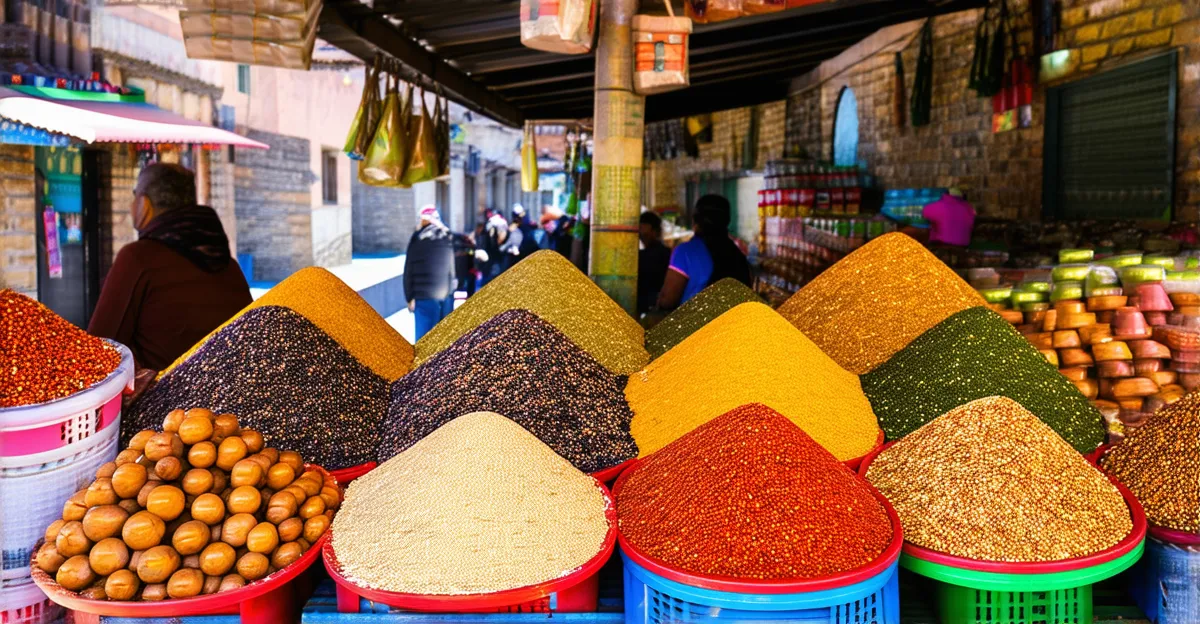
La Paz is not just the highest capital in the world; it is also a vibrant hub of Bolivian culinary traditions. The city’s food markets are a feast for the senses, filled with colorful produce, traditional dishes, and the rich aromas of local cuisine. From bustling market stalls to vibrant street vendors, La Paz food markets offer a unique opportunity to experience the true essence of Bolivian flavors. This guide uncovers the must-visit markets and the local dishes that make La Paz a culinary destination.
Key Takeaways
- La Paz food markets offer a wide range of traditional Bolivian dishes.
- Each market has unique specialties that showcase local cuisine.
- street food is abundant and provides affordable options to enjoy local flavors.
- Cooking classes in markets are a great way to learn about Bolivian culinary traditions.
1. Mercado de Las Brujas: A Taste of Tradition
The Mercado de Las Brujas, or Witch’s Market, is a unique culinary hub in La Paz, where tradition meets vibrant flavors. This market is not only famous for its mystical artifacts but also for the rich variety of food stalls that serve authentic Bolivian dishes. Visitors can savor traditional snacks like salteñas, which are savory pastries filled with meat and spices, or anticuchos, grilled skewers of beef heart, seasoned to perfection.
Moreover, this market is a window into Bolivian culture. You’ll find vendors selling local herbs, spices, and traditional ingredients. It’s essential to experience the ambiance here, as the lively atmosphere adds to the flavor of the food. Whether you’re in search of a quick snack or a meal, Mercado de Las Brujas has something to satisfy every palate.
Pro Tip: Be sure to try the herbal infusions sold at the market, known for their healing properties!
Where to eat: While at Mercado de Las Brujas, don’t miss Doña Rosa’s Salteñas, renowned for their flavor, or stop by La Casa de las Brujas for delicious anticuchos.
2. Mercado Lanza: A Feast of Local Delicacies
At the Mercado Lanza, food lovers will find a true celebration of Bolivian culinary heritage. This bustling market is known for its abundant offerings of local delicacies and fresh produce. With an array of stands, Mercado Lanza boasts a wide range of dishes, including pique macho, a hearty plate of beef, sausages, potatoes, and vegetables served with a spicy sauce.
Additionally, you can find freshly made llajwa, a spicy sauce perfect for pairing with your meal. The ambiance is lively; vendors shout out their specials while locals gather for a nutritious lunch, making it a truly authentic experience. In this market, each stall serves up a taste of La Paz’s culinary heart.
Did you know? Mercado Lanza is a great place to enjoy a traditional Bolivian breakfast of api, a warm corn drink!
Where to eat: For a taste of local delicacies, try El Fogón del Lanza for their pique machos or La Estrella for an unforgettable llajwa experience.
3. Mercado Rodriguez: Experience the Heart of La Paz Cuisine
🌟 Local Expert Tip: Get the most out of your La Paz visit with guided tours!
Mercado Rodriguez is often described as the heart of La Paz cuisine. This market is a feast for the senses, showcasing an incredible selection of fresh fruits, vegetables, and Bolivian staples. Here, visitors can explore an incredible variety of local foods, including chuño, a freeze-dried potato that complements many traditional dishes.
The market also features numerous stalls serving up warm meals, making it the perfect place to enjoy lunch with locals. A local favorite is fritanga, fried meats served on a bed of rice and accompanied by salads. The vibrant atmosphere brings together both residents and tourists, offering a great opportunity to connect with local culture.
Pro Tip: Don’t hesitate to ask vendors for recommendations; they’re often more than happy to share their favorites!
Where to eat: Inside Mercado Rodriguez, find Comidas Caseras for delicious fritanga or Charcutería Rodríguez for some of the freshest local dishes.
4. Mercado 16 de Julio: The Best of La Paz street food
🌟 Local Expert Tip: Get the most out of your La Paz visit with guided tours!
Mercado 16 de Julio is indeed a gem for lovers of La Paz street food. Located in the bustling El Alto district, this market is famous for its vibrant atmosphere and diverse food offerings. Here, you can explore a myriad of stands serving delicious street food that captures the essence of Bolivian cuisine. One standout is the salteña, a steaming hot pastry filled with a variety of ingredients—beef, chicken, or vegetables, often accompanied by a tangy dipping sauce.
Furthermore, don’t miss trying the anticuchos, skewers of marinated beef heart grilled to perfection. The combination of spices gives them a unique flavor that you won’t forget. Additionally, there are plenty of vendors selling hearty soups like ph’uti, made from corn and potatoes, which will warm you up on cooler days.
Pro Tip: Arrive hungry! The variety at Mercado 16 de Julio will tempt you to try several dishes, so come prepared.
Where to eat: Many stalls under the vibrant awnings offer these delights, but check out Anticuchos el Mono for their popular skewers, or Salteñas Los Tiempos for some of the best salteñas in town.
5. La Paz’s Traditional Dishes: A Culinary Must-try
No visit to La Paz would be complete without indulging in its traditional dishes. Among the must-tries, pique macho stands out. This hearty dish consists of beef, sausage, peppers, and fried potatoes, all smothered in a spicy sauce. It is perfect for sharing, making it a favorite among locals.
Additionally, you should definitely experience sopa de maní, a peanut-based soup that blends rich flavors with tender potatoes and herbs. The sweetness of the peanuts combined with the spices creates an unforgettable taste sensation.
Did you know? Chuño, a dehydrated potato, is often used in many traditional dishes, showcasing the resourcefulness of Bolivian cuisine.
Where to eat: Try Restaurante Popular for an authentic pique macho experience. For sopa de maní, head to El Mercado where you can also find a variety of traditional dishes that reflect the heart of La Paz cuisine.
6. Unique Ingredients Found in La Paz Food Markets
The ingredients you’ll discover in La Paz food markets are as diverse as the city itself. A prominent staple is quinoa, a superfood native to the Andean region. It’s not only nutritious but also incorporated into various dishes, from salads to main courses.
Additionally, you will find an array of unique local vegetables, such as oca and tarwi ( Andean lupin), which are used in traditional recipes. These ingredients add distinct flavors and textures. Moreover, aji peppers are essential for creating the vibrant and spicy sauces used across many Uruguayan dishes.
Pro Tip: Keep an eye out for stalls that sell fresh herbs—such as cilantro and huacatay—which elevate the dishes’ taste and are commonly used in La Paz cuisine.
Visiting the markets lets you appreciate the rich agricultural heritage of the area, making it a delightful experience for both food lovers and culinary explorers.
7. Street Snacks to Try at La Paz Markets
Exploring La Paz food markets is an adventure filled with delightful street snacks that reflect the city’s vibrant culture. One of the most popular snacks is salteñas, which are savory pastries filled with meat, potatoes, and spices, similar to empanadas. These golden treats are perfect for a quick bite as you wander through the bustling stalls.
Another must-try is pique macho, a hearty dish made of sliced beef, sausage, and fries, topped with onions and boiled eggs. This dish is often enjoyed as a snack or light meal. Additionally, do not miss out on anticuchos, skewered beef hearts that are marinated in spices and grilled to perfection. These are often served with a spicy sauce, providing a unique burst of flavor.
Pro Tip: Pair these snacks with a tangy sauce for an extra kick of flavor!
Where to eat: You can find these mouth-watering snacks at Mercado de Las Brujas and Mercado Lanza, where numerous vendors showcase their delicious offerings. Immerse yourself in the vibrant atmosphere and enjoy the incredible flavors La Paz has to offer!
8. Refreshing Beverages in La Paz Food Markets
🌟 Local Expert Tip: Get the most out of your La Paz visit with guided tours!
No visit to La Paz’s food markets is complete without sampling the refreshing beverages available. One popular drink is chicha, a traditional fermented corn beverage that is sweet and slightly tangy. It perfectly complements the savory snacks found in the markets.
Another favorite is api, a warm, thick drink made from corn and flavored with spices like cinnamon and cloves. This delightful beverage is especially popular in the cooler months and is often enjoyed during breakfast or as an afternoon pick-me-up.
Additionally, don’t miss out on freshly squeezed fruit juices. Vendors offer a variety of flavors, from orange to exotic fruits like granadilla and lulo. These juices are not only refreshing but also packed with vitamins.
Did you know? A glass of fresh juice costs just a fraction of a restaurant drink, making it a great budget-friendly option!
Where to enjoy these beverages: Head to Mercado 16 de Julio or Mercado Rodriguez to find a wide selection of refreshing drinks to satisfy your thirst while you explore.
9. Local Cooking Classes at La Paz Markets
One of the best ways to truly understand La Paz food markets is by participating in local cooking classes. Many markets offer hands-on classes where you can learn to prepare traditional Bolivian dishes using fresh ingredients sourced directly from the stalls. This experience not only enhances your culinary skills but also allows you to connect with local chefs and vendors.
In these classes, you’ll often learn to make staples like quinoa soup or llajwa (a spicy sauce made from tomatoes and hot peppers). Additionally, some classes include a visit to the market, where you can discover unique ingredients and learn about their cultural significance.
Pro Tip: Taking a cooking class can be a memorable way to engage with La Paz’s culture and traditions!
Where to book these classes: Look for opportunities in the Mercado de Las Brujas or inquire at local tourist information centers. Many vendors are eager to share their culinary knowledge with visitors enthusiastic about Bolivian cuisine.
10. Tips for Navigating La Paz Food Markets
Navigating the La Paz food markets can be an exciting and rewarding experience, but it also requires some preparation. First and foremost, it’s wise to carry cash, as most vendors do not accept credit cards. Furthermore, small denominations are preferable for making purchases at stalls.
In addition to that, consider visiting the markets during the morning or early afternoon when the stalls are fully stocked and the vendors are eager to serve. This way, you can explore a variety of options and avoid the crowds that tend to swarm in the late afternoon.
Pro Tip: Try to learn a few basic phrases in Spanish, such as “¿Cuánto cuesta?” (How much does it cost?) to enhance your interactions with vendors.
Moreover, don’t hesitate to ask locals for recommendations. They often know the best stalls for specific dishes or snacks. Lastly, be adventurous! Sample different foods and experiment with new flavors—you never know what delicious surprises await you.
With these tips, you’ll be well-prepared to explore and savor the vibrant world of La Paz food markets.
Exploring La Paz food markets is a delightful journey into the heart of Bolivian culture. From traditional flavors to vibrant street snacks, there’s something for everyone. Don’t miss the opportunity to indulge in these unique culinary experiences and share your favorites after your visit. Plan your food adventure in La Paz today!
Frequently Asked Questions
A: La Paz is known for its traditional dishes like salteñas, anticuchos, and pique a lo macho, which represent the heart of Bolivian gastronomy.
A: Mercado de Las Brujas is highly recommended for its traditional offerings and unique ambiance.
A: Yes, many markets offer vegetarian dishes and options, including fresh produce and traditional salads.
A: Don’t miss trying salteñas, empañadas, and freshly grilled anticuchos from street vendors.
A: Mornings are bustling with vendors setting up, while afternoons are lively with locals enjoying their meals.
A: Absolutely! Many local guides offer food tours that encompass market visits, tastings, and cultural insights.